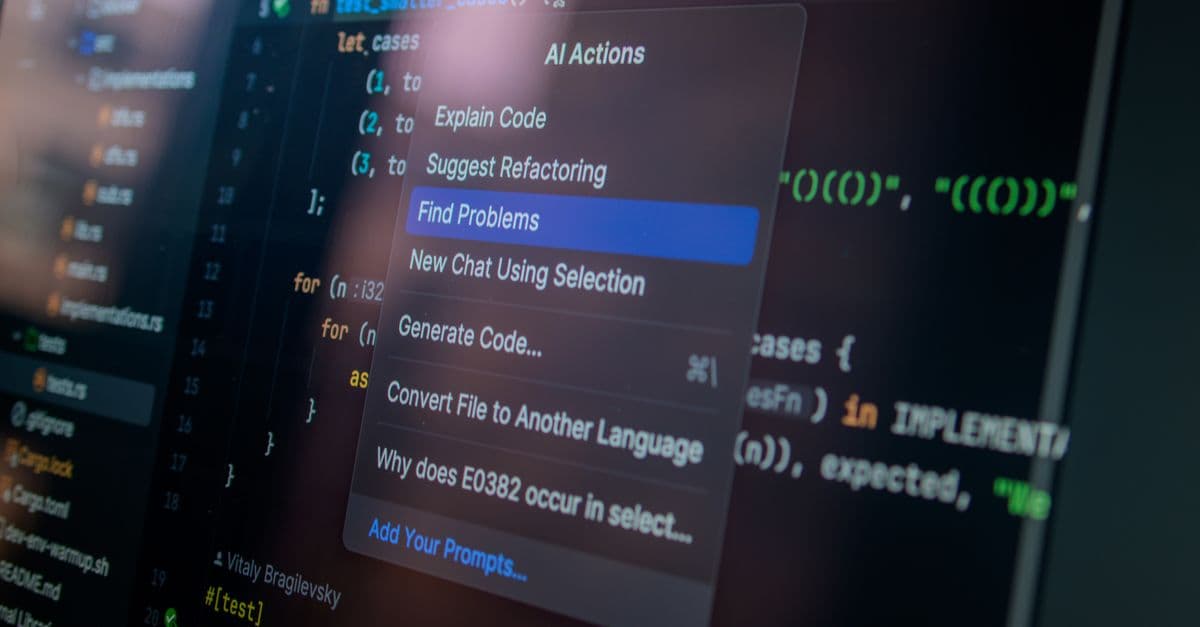
Artificial Intelligence
What Is Agentic AI? Workflows, Tools, and Real Limits
Agentic AI is the next buzzword, but the useful concept is simple: models that plan, call tools, check results, and repeat toward a goal.
39 articles tagged with #automation
Agentic AI is the next buzzword, but the useful concept is simple: models that plan, call tools, check results, and repeat toward a goal.

AI can summarize long documents, draft templated emails, reschedule calendar meetings, and extract data from unstructured text in seconds. However, AI automation is not truly automatic—it requires careful prompting, output review, and integration via APIs or third-party apps. This guide explains what task automation with AI actually entails, which tools work for common workflows, what remains overhyped, and how to avoid delegating judgment to AI.

Every major wave of automation in the past 200 years has destroyed job categories and created new ones, always with the same confident predictions that this time the displacement would be permanent and total. The evidence from electrification, computing, and the internet is that mass unemployment did not follow. AI presents genuinely new challenges — it automates cognitive work, not just physical — but the historical pattern and current data provide a more nuanced picture than either the techno-utopian or doomsday forecasts.

The tech skills that mattered in 2020 (HTML, Excel macros) are not enough in 2026. This year, five skills shape how people work: data literacy (reading and critiquing data claims), AI tool usage (using ChatGPT, Claude, and AI assistants effectively), basic automation (writing simple scripts or using no-code tools), cybersecurity hygiene (password managers, two-factor authentication, phishing resistance), and prompt engineering (structuring requests to AI to get better outputs). You do not need to be a programmer, but you need to know what AI can do, how to protect yourself, and how to automate boring work.
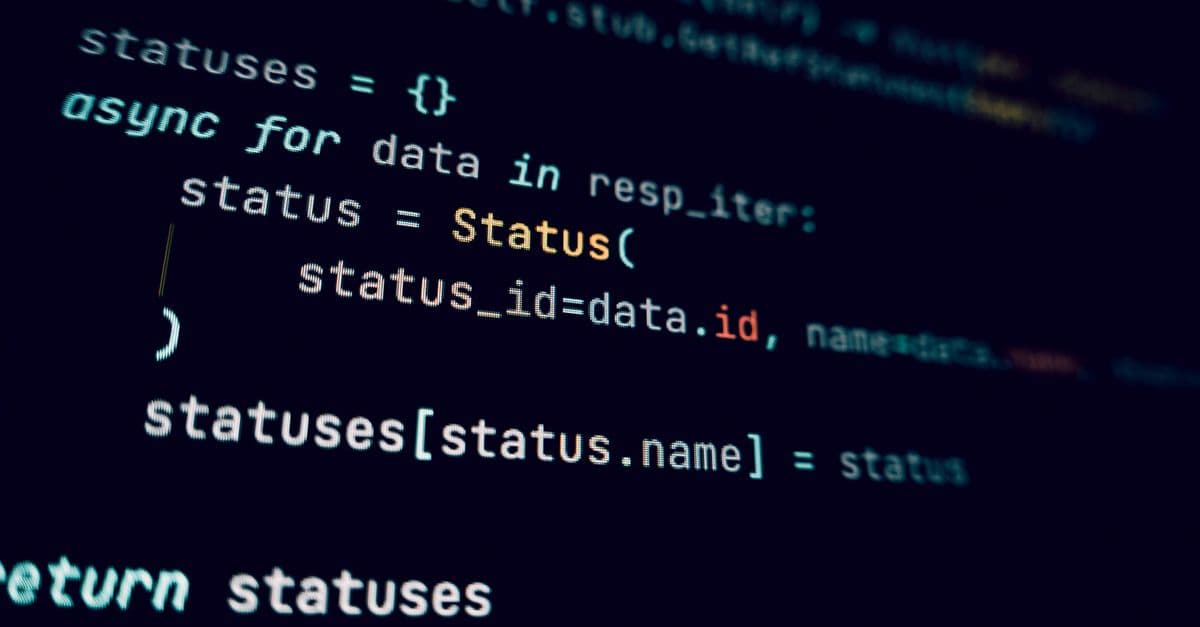
Python is a sensible first language: readable syntax, a huge library ecosystem, and use in web, data, and automation work. This guide covers setup, a phased learning path, free courses, debugging, learning with AI assistants, and a project ladder.

South Korea has 1,012 industrial robots per 10,000 manufacturing workers — the highest robot density ever recorded for a major economy. That is more than six times the global average of 162, and more than double Germany's figure. The IFR World Robotics 2024 report shows a world where automation in factories is accelerating faster than at any point in industrial history.

Anthropic's Computer Use lets Claude control a real desktop via screenshots and mouse/keyboard. How it works, examples, limits, and how it compares.

Webhook design patterns for reliable, secure integrations: signature verification, idempotency, retries, queues, and dead-letter handling. Updated for 2026.

Marketing automation stack for 2026: compare HubSpot, ActiveCampaign, Customer.io, Klaviyo, and Mailchimp, build core workflows, and meet inbox sender rules.

Notion API automation explained: connections, data sources, webhooks, rate limits, and Python patterns for syncing GitHub, reports, and AI tagging.
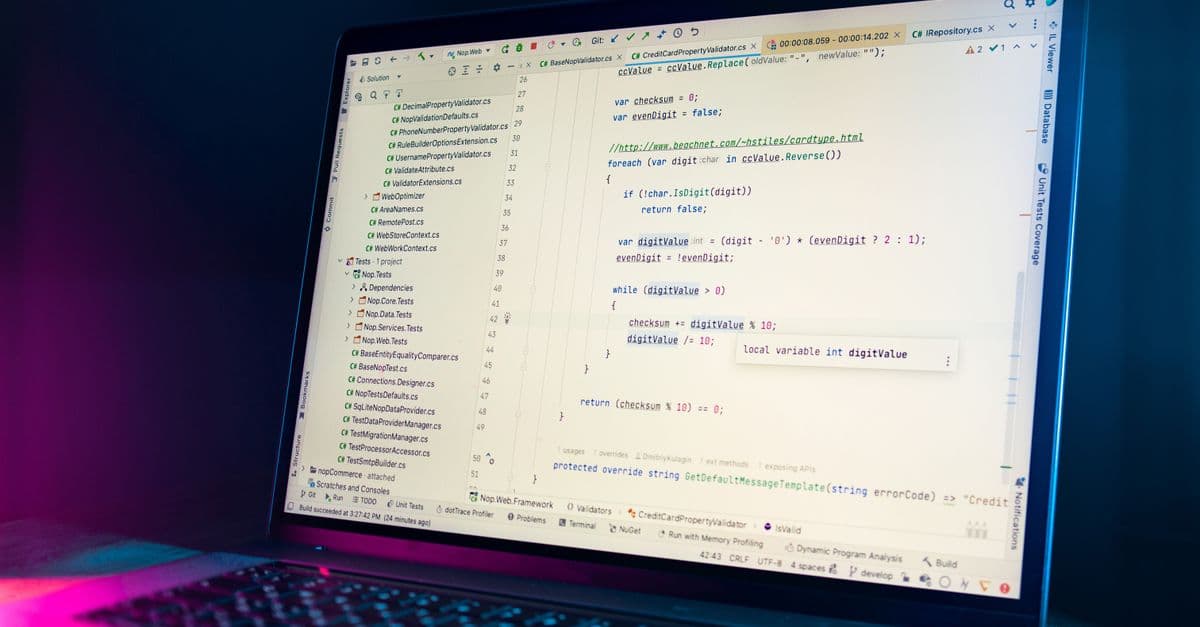
Automate repetitive tasks with Python: file management, web scraping, emails, API calls, and scheduling — with practical code examples.

Form automation in 2026: Typeform, Tally, Fillout, Formspree, and Jotform compared on pricing, logic, and webhooks, plus how forms trigger reliable workflows.