Sustainability
Carbon Mineralization Explained: Turning CO2 Into Stable Carbonate Minerals
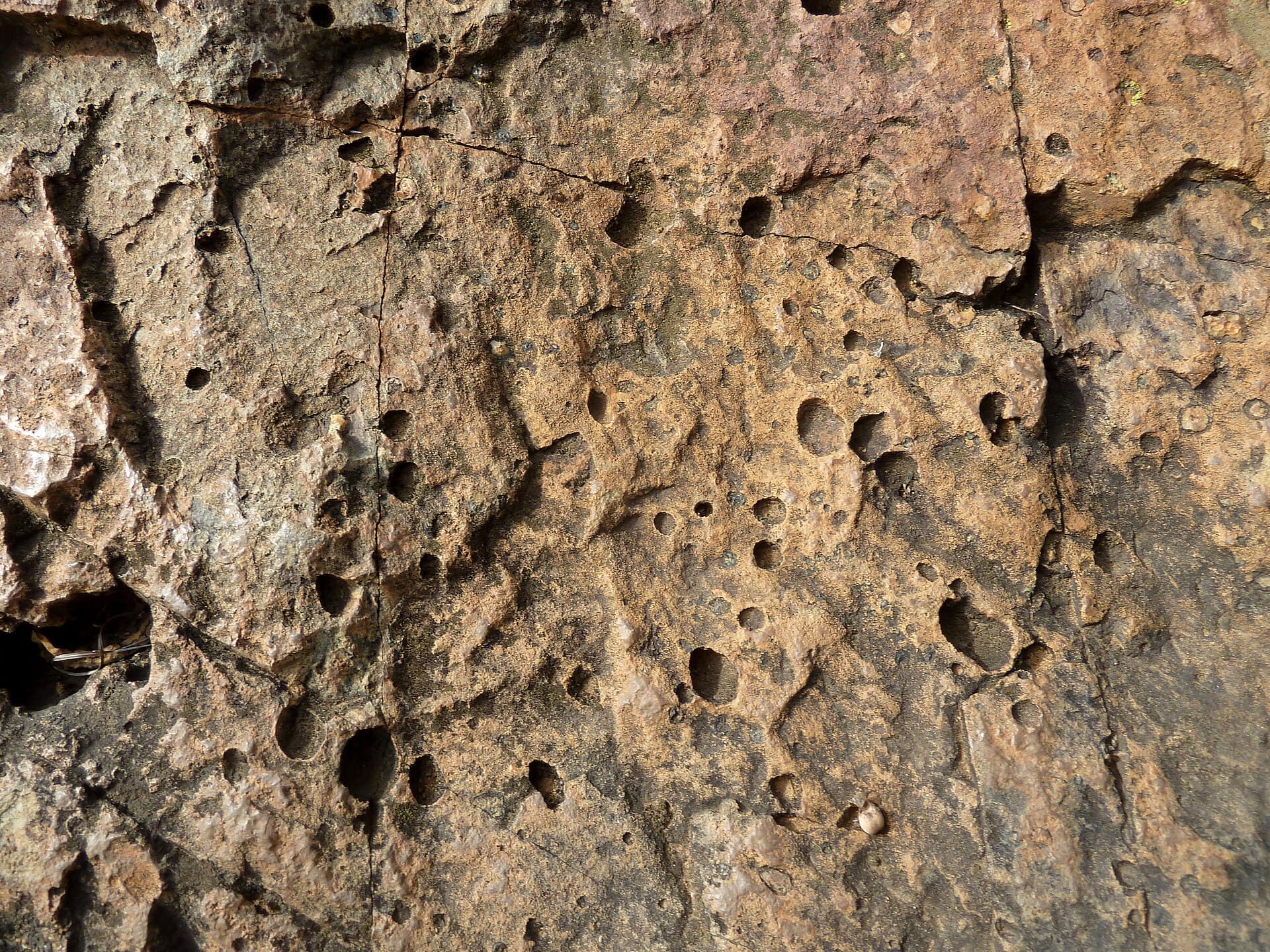
Carbon mineralization turns CO2 into solid carbonate rock. How it works, what Iceland's CarbFix showed, and why energy, rate, and MRV decide net removal.
6 articles tagged with #carbon-capture
Carbon mineralization turns CO2 into solid carbonate rock. How it works, what Iceland's CarbFix showed, and why energy, rate, and MRV decide net removal.

Carbon capture removes CO₂ by chemical absorption or adsorption. Here's the molecular machinery behind point-source and direct air capture, the energy cost that limits scale, and why the physics is harder than the marketing suggests.

Direct air capture (DAC) machines pull carbon dioxide out of ambient air with chemical sorbents or solvents, then release it as a pure stream for storage or use. The technology works. The constraint is energy and cost: reported prices run from about $600 to more than $1,000 per tonne, and operating capacity is a tiny fraction of annual emissions.
AI is already modeling the climate with unprecedented precision. But could it actually run a planetary-scale effort to pull carbon out of the atmosphere and cool the Earth?
Machine learning is helping chemists screen millions of candidate sorbents for direct air capture. Here is what the evidence shows, what plants cost today, and where the claims run ahead of the data.