Biology & Health
How Apoptosis Works: Why Healthy Cells Choose to Die
Apoptosis is programmed cell death. Learn how caspases, mitochondria, and Bcl-2 proteins carry it out, and what goes wrong in cancer and autoimmunity.
10 articles tagged with #development
Apoptosis is programmed cell death. Learn how caspases, mitochondria, and Bcl-2 proteins carry it out, and what goes wrong in cancer and autoimmunity.

Latvia leads global literacy rankings at 99.9 percent adult literacy, with Estonia, Lithuania, and a cluster of Eastern European, Northern European, and East Asian countries reporting rates above 99 percent. More than 30 countries have effectively achieved universal adult literacy. At the other end of the spectrum, Niger's adult literacy rate stands at approximately 19 percent — the world's lowest. This ranking covers the top 15 highest-literacy countries using UNESCO Institute for Statistics data, with methodology, caveats, and analysis of what literacy actually measures.
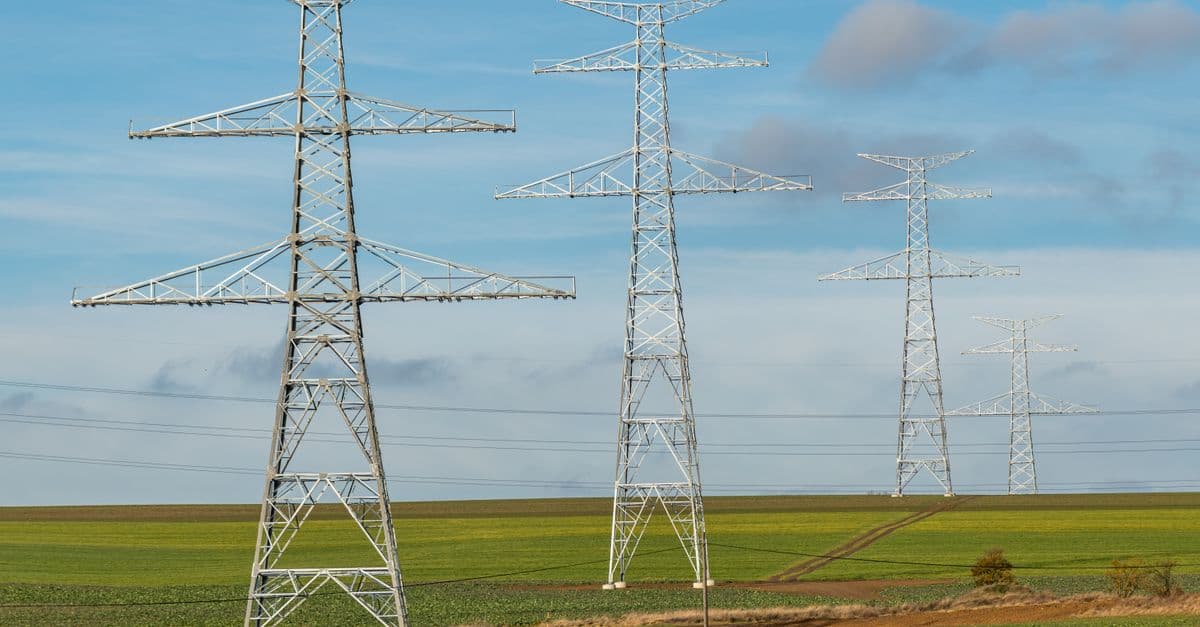
Germany's regulator reported 12.8 minutes of unplanned outage per customer in 2023. US customers averaged about 11 hours in 2024, a hurricane year, and about 2 hours in routine conditions. A clean global ranking does not exist because countries count outages differently, so this article compares what each national source actually reports.

Singapore consistently ranks first in global infrastructure quality — its port is the world's second busiest, its airport perpetually wins best-in-world awards, and its road network has near-zero potholes. Japan and Germany follow. The US scores surprisingly low given its wealth. Here's what world-class infrastructure looks like and what it costs.
Ethiopia, DR Congo, and Niger have the worst access to clean drinking water — fewer than 50% of the population has access. 2.2 billion people lack safely managed drinking water globally. Waterborne diseases kill 1.5 million people annually. A child dies every 2 minutes from diarrheal disease linked to unsafe water.
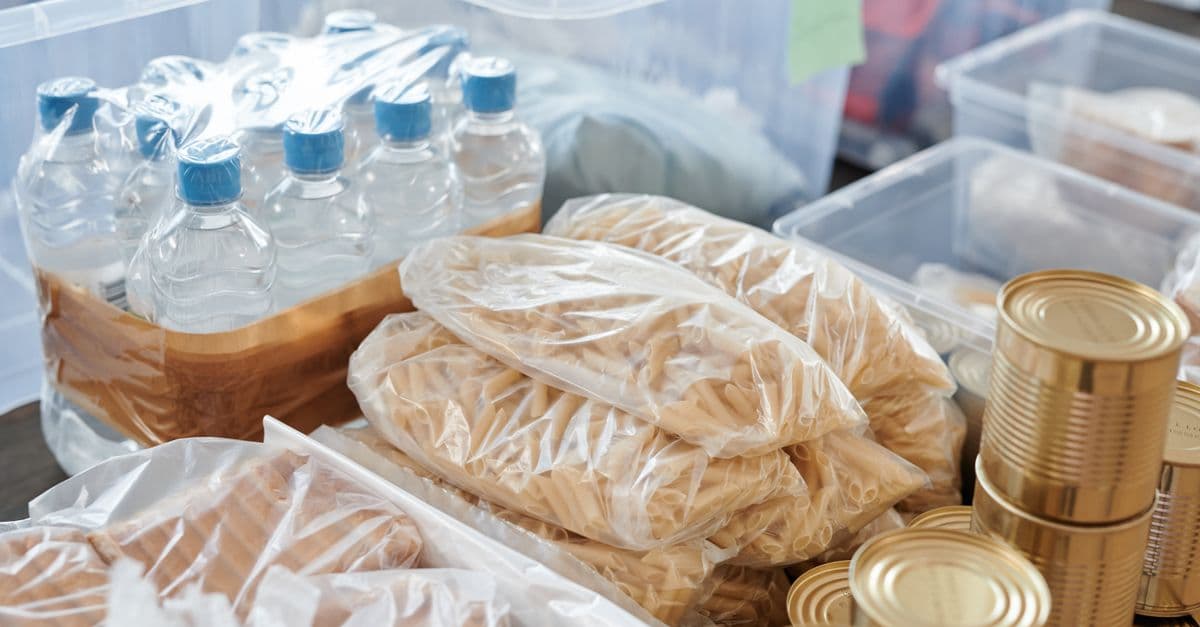
673 million people were undernourished in 2024 — 8.2% of the global population — according to the FAO's State of Food Security and Nutrition in the World 2025 report. Sudan's civil war created a declared famine in 2024, the first anywhere in the world since Ethiopia in 2011. The world produces 1.5 times the calories needed to feed everyone. Hunger is not a production problem.

India received an estimated $120 billion in remittances in 2023 and $129 billion in 2024, the most of any country. Here is the full ranking by dollars and by share of GDP, what drives it, and why the numbers disagree.

Guyana's economy grew 43.8% in 2024 and an estimated 19.3% in 2025, but oil-driven jumps are not the whole story. Here is who grew fastest in 2025, why the list is full of small economies, and what the numbers do and do not mean.
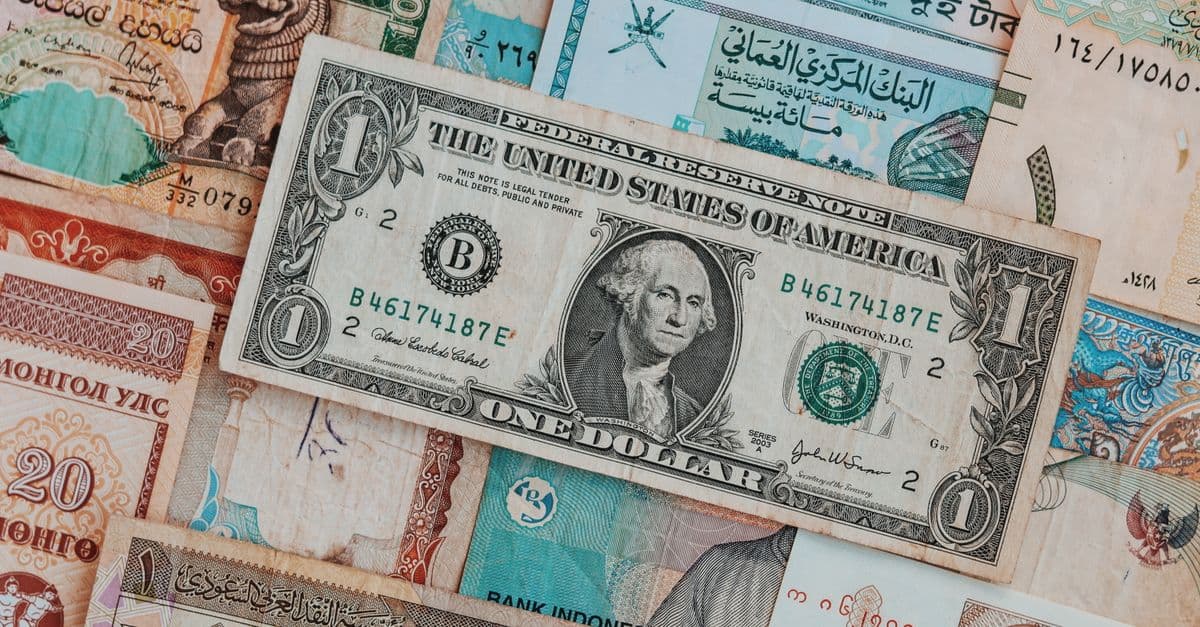
The United States sends $68 billion in remittances annually — the world's largest source. India receives $125 billion — the world's largest recipient. Global remittances total over $860 billion, exceeding foreign direct investment to developing countries. Here's who sends and receives, and why the cost of sending money across borders is still too high.
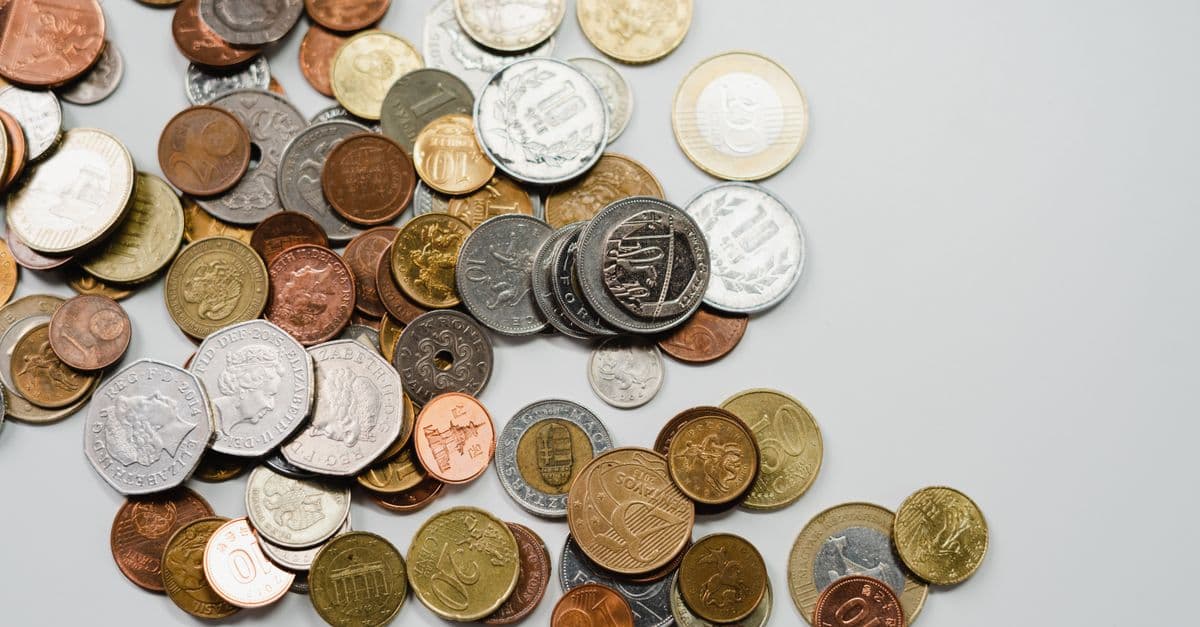
The United States was the largest country donor of official development assistance in the OECD's preliminary 2024 data, while Norway, Luxembourg, Sweden and Denmark led on ODA as a share of national income.