AI Tools
How To Compare AI Image Editors For Marketing
How to compare AI image editors for marketing: test inpainting precision, brand consistency across generations, and licensing terms on your own photos.
7 articles tagged with #diffusion-models
How to compare AI image editors for marketing: test inpainting precision, brand consistency across generations, and licensing terms on your own photos.

Best AI headshot generators 2026: Aragon, HeadshotPro, BetterPic, Secta compared for realism, price, and turnaround. How they work, results to expect, and pitfalls.
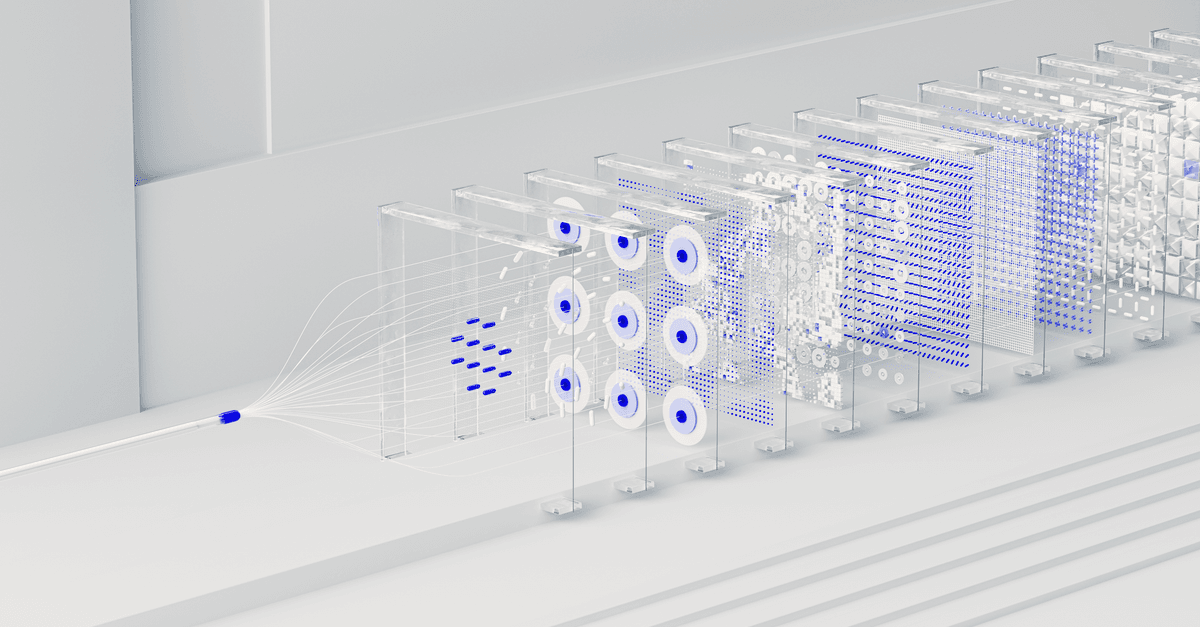
Generative AI is the class of machine learning systems that produce new content — text, images, audio, video, code, or molecular structures — rather than classifying or predicting from existing data. It is not a single technology but a family of model architectures sharing one property: trained on enough examples, they can synthesize plausible new outputs in the same domain. Understanding what separates generative from conventional AI explains both why the technology spread so quickly and where its real limits lie.
Generative AI art is produced by machine learning models trained to learn patterns from existing images and generate new images based on text descriptions or other prompts. The two dominant approaches are diffusion models (which start with noise and progressively refine toward an image) and GANs (Generative Adversarial Networks, which pit a generator against a discriminator in competition). For artists, understanding how these systems work is essential—both for using them effectively and for understanding their limitations and biases. This article explains diffusion, GANs, latent space, fine-tuning, and what these technologies can and cannot do.
Stable Diffusion is an open-weights text-to-image model released in August 2022. See how latent diffusion works, how versions differ, and what lawsuits say.
Diffusion models are revolutionizing visual art creation. Here's the science behind how AI learns to paint.
Type a description, get an image. AI image generators have gone from novelty to professional tool in three years. Here's the science of how diffusion models actually create images.