Space
Why Is the Night Sky Dark? Olbers' Paradox Explained
The night sky is dark because the universe has a finite age, not because stars are few. How Olbers' paradox works, who solved it, and what it reveals.
4 articles tagged with #expanding-universe
The night sky is dark because the universe has a finite age, not because stars are few. How Olbers' paradox works, who solved it, and what it reveals.
Hubble's 1929 redshift observation tied galaxy speed to distance. See what the 24-galaxy data showed, why his constant was off 7x, and the tension today.
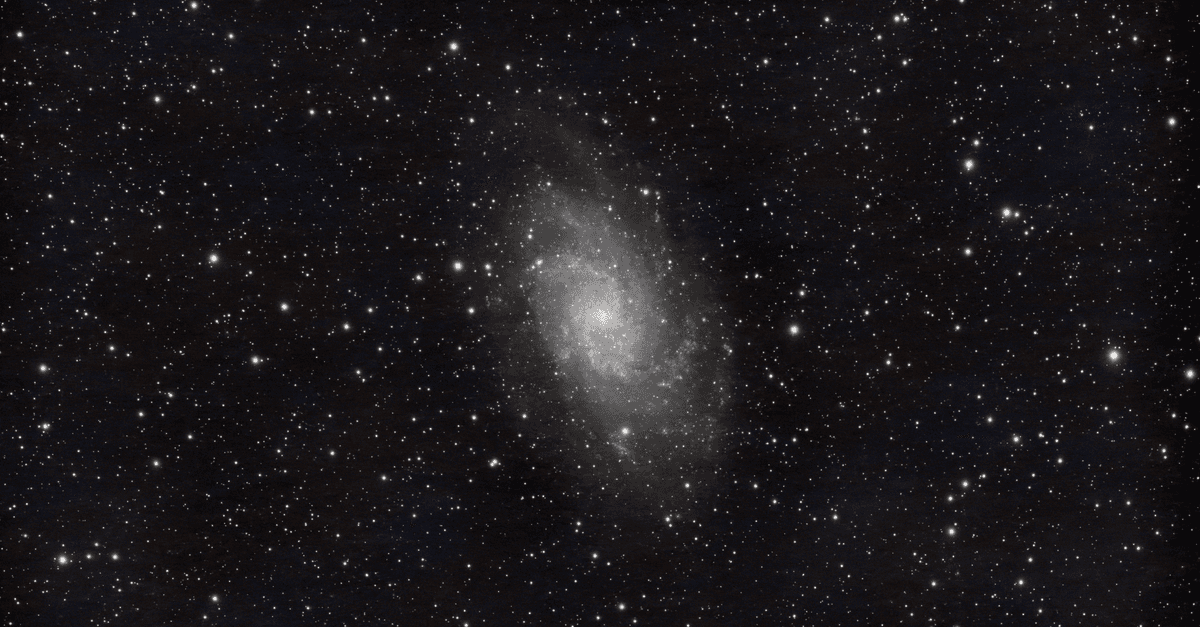
Edwin Hubble proved galaxies exist beyond the Milky Way and that the universe is expanding. His 1924 and 1929 discoveries rewrote cosmology forever.
In 1929, Edwin Hubble showed that galaxies recede from us at speeds proportional to their distance, the first direct evidence that the universe is expanding. The slope of that relation, the Hubble constant, is still debated: two precise methods disagree by about 5 sigma.