
hearing
5 articles tagged with #hearing

Human Body
Why Do Our Ears Pop? The Science of Pressure Equalization
Every airplane climb or diving descent reminds us: the human ear is exquisitely sensitive to pressure change. The familiar pop occurs because the middle ear—a small air-filled chamber behind the eardrum—must equalize its pressure to match the ambient environment. When you yawn or swallow, the Eustachian tube opens to let air flow in or out, restoring balance. Altitude, diving, colds, and even weather shifts can create pressure mismatches that strain the tympanic membrane; when equalization finally succeeds, you feel the sudden relief of the pop.

Human Body
How Hearing Works: Sound Waves, the Cochlea, and Why Hearing Loss Is Permanent
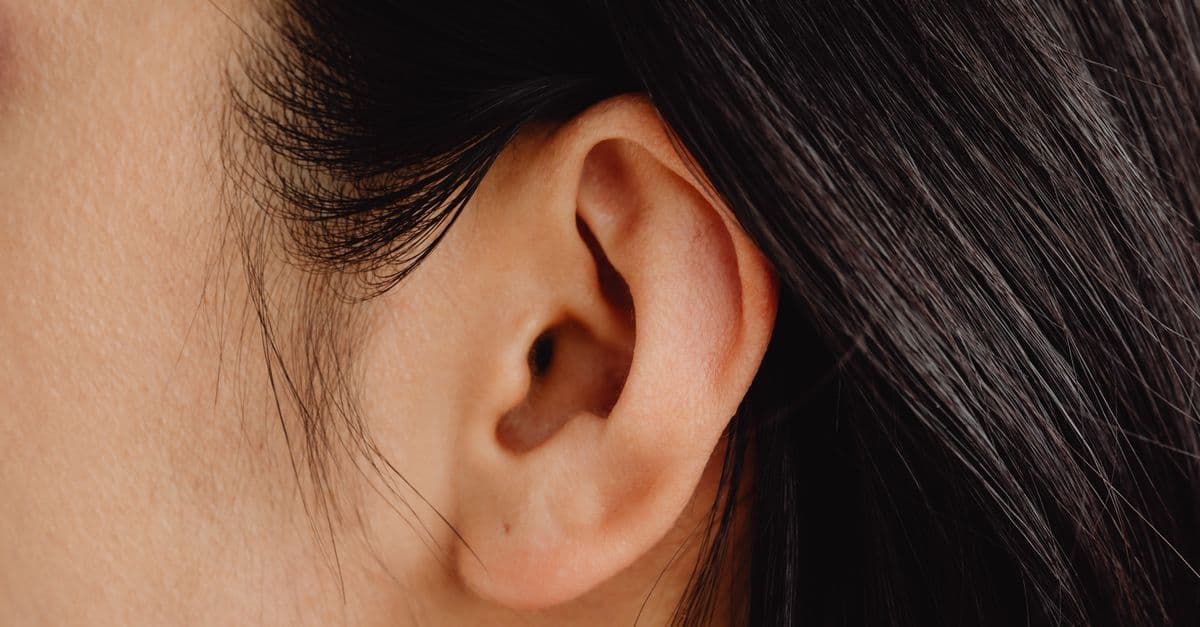
Your inner ear contains roughly 15,500 hair cells — each one tuned to a specific frequency — and they do not grow back. Lose them to noise, age, or disease, and the corresponding frequencies are gone permanently. Here is how they work, and why that loss is irreversible in mammals.
Biology & Health
Why Our Voice Sounds Different on Recording
Why you hate your recorded voice: bone conduction adds bass when you speak, but recordings only capture the air-conducted version everyone else hears.

Biology & Health
How Hearing Works — From Sound to Brain
How the ear turns air pressure waves into the experience of sound — outer, middle, and inner ear anatomy, cochlear mechanics, and hearing loss.