
World Records
Largest Libraries and Archives in the World
The Library of Congress holds over 173 million items and the Internet Archive stores more than 99 petabytes. Here's how the world's biggest libraries stack up.
57 articles tagged with #history
The Library of Congress holds over 173 million items and the Internet Archive stores more than 99 petabytes. Here's how the world's biggest libraries stack up.
At its peak around 1920, the British Empire governed roughly a quarter of the planet's land and a fifth of its people — about 35 million square kilometres spread so widely that, somewhere within it, the sun was always shining. It is the largest empire by area in human history. But by a different measure, a 13th-century empire that grew from a few thousand horsemen was even more astonishing: the largest contiguous land empire ever, conquered in a single lifetime.

For most of human history, people ate with their fingers. The fork arrived in European noble courts and was immediately condemned as an insult to God, a sign of effeminacy, and proof of moral weakness. It took roughly 700 years for the fork to become standard European tableware. The resistance wasn't just squeamishness — it was a genuine cultural collision between Eastern refinement and Western custom.
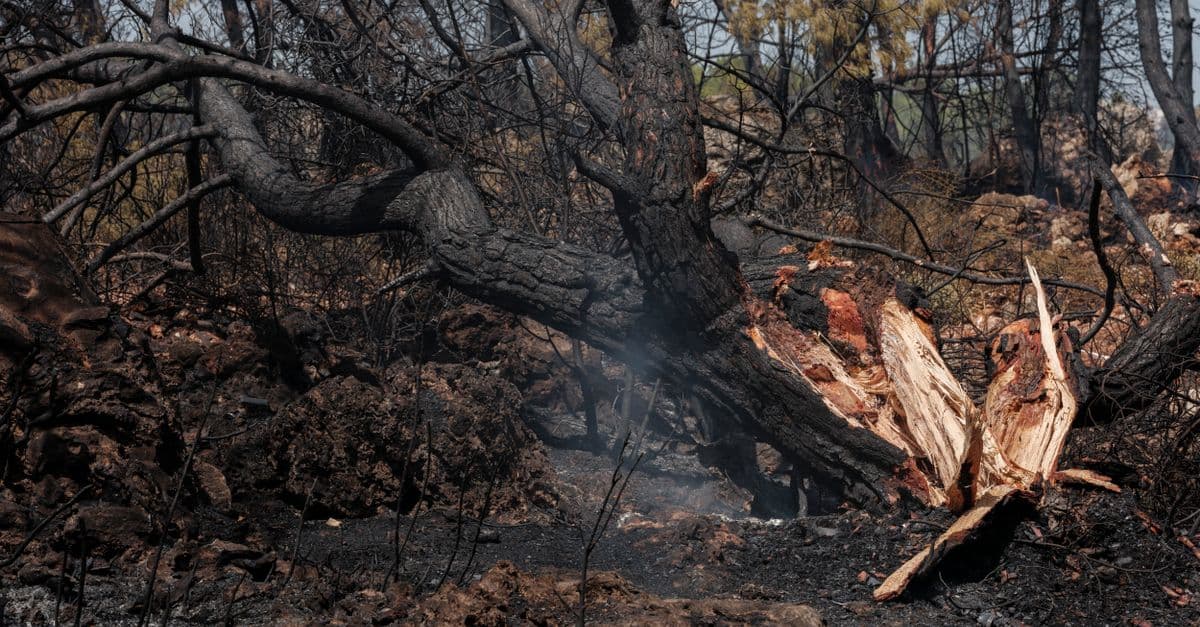
The 1931 China floods killed an estimated 1 to 4 million people — the single most lethal natural disaster in recorded human history. The 1815 eruption of Mount Tambora cooled the entire planet and triggered crop failures across three continents, adding tens of thousands of deaths to the 71,000 who died directly from the volcano. The 2004 Indian Ocean tsunami killed 227,898 people in 14 countries within hours. These events share a common thread: the science of how Earth releases stored energy intersects with human vulnerability in ways that transform geological processes into humanitarian catastrophes.

How the Altair 8800, Apple I, and IBM PC turned computing from an institution's tool into a personal one — and why IBM's open architecture was its biggest strategic blunder.
Ranked by total death toll: smallpox, measles, HIV, the 1918 flu, COVID-19, rabies, Ebola, and the other viruses that shaped human history.
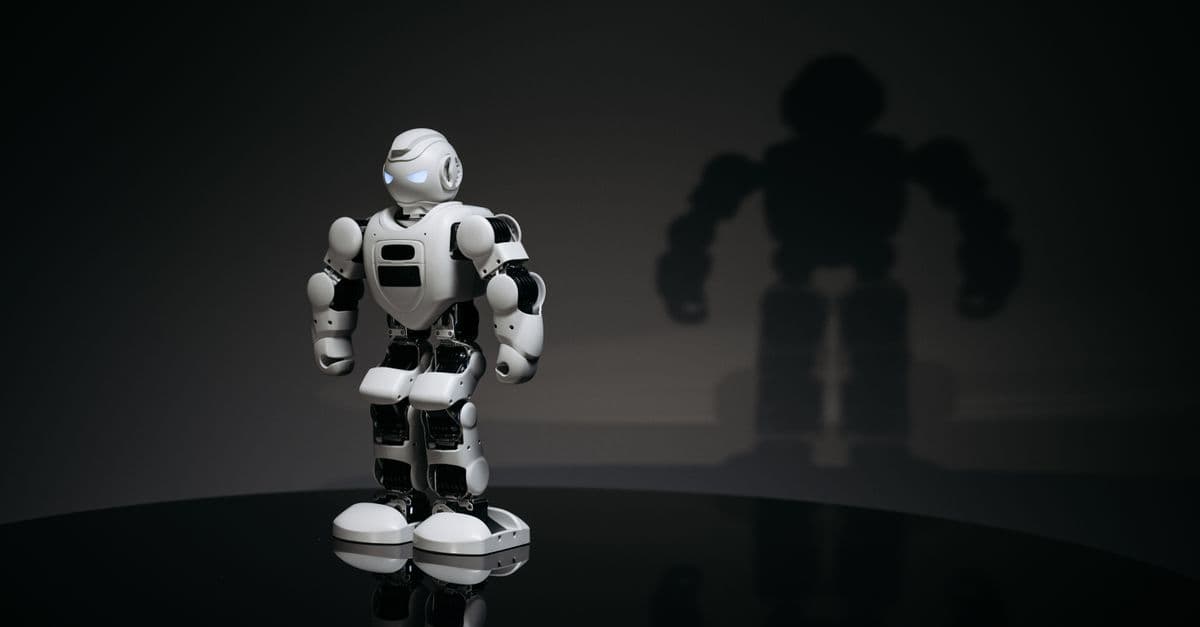
From Turing's 1950 paper to GPT-4, trace the breakthroughs, winters, and renaissance that shaped modern AI.

Six years, dozens of paradigm shifts. Here is a definitive timeline of AI's most consequential breakthroughs and what each one changed.

Tens of thousands of years before canvas or brushes, humans were creating stunning art on stone walls deep inside caves. How they did it — and why — tells us something profound about being human.
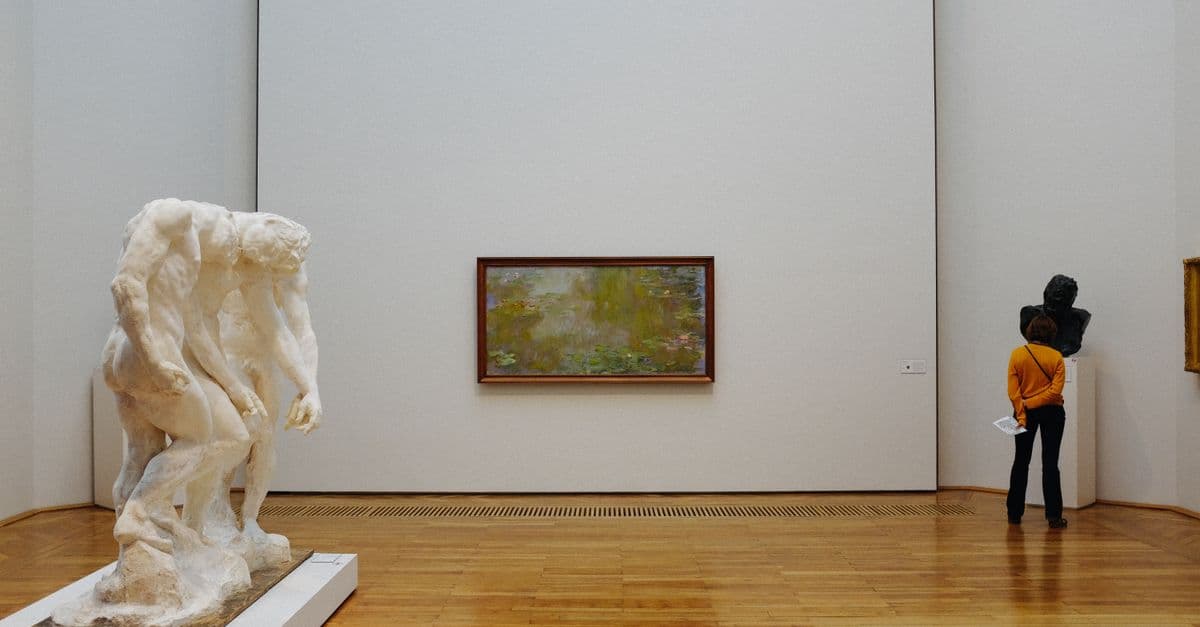
Why does red make you hungry, blue make you calm, and yellow make you anxious? Color psychology is one of the most powerful — and most misunderstood — tools in art and design.
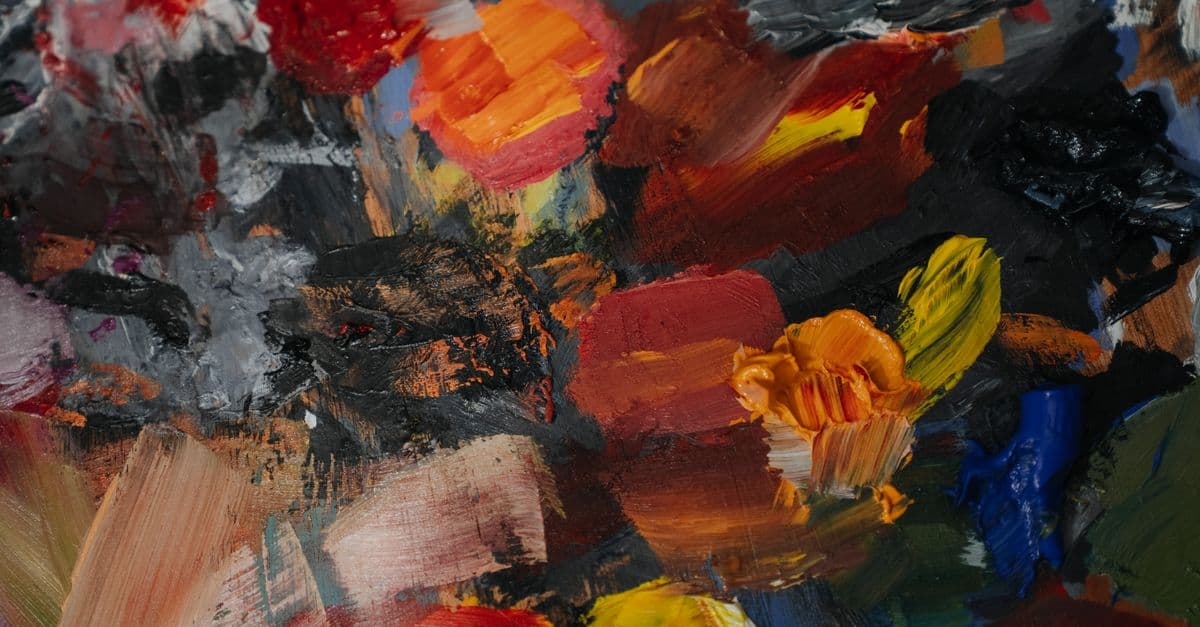
When Monet and his rebellious friends ditched the rules of academic painting, they didn't just change art — they changed how we see the world.

On December 17, 1903, humans flew for the first time. A century later, 4 billion people fly every year.