Biology & Health
What Are Prions? Infectious Proteins Without DNA
Prions are misfolded proteins that spread by converting normal ones, with no DNA or RNA. How scrapie, kuru, and mad cow disease revealed the mechanism.
13 articles tagged with #infectious disease
Prions are misfolded proteins that spread by converting normal ones, with no DNA or RNA. How scrapie, kuru, and mad cow disease revealed the mechanism.
Robert Koch proved specific bacteria cause specific diseases, discovered TB and cholera pathogens, and won the 1905 Nobel Prize. His postulates still govern microbiology today.
BK, JC and Merkel cell polyomaviruses infect most people silently, yet can cause transplant kidney damage, brain disease, and an aggressive skin cancer.
Mpox clade I explained: how clade Ib emerged in the DRC, why WHO declared a 2024 emergency, what data show on severity and vaccines, and why it ended in 2025.

Hand, foot and mouth disease is caused by coxsackievirus A16, EV-A71 and others. How it spreads, why EV-A71 can reach the brain, and which vaccines exist.
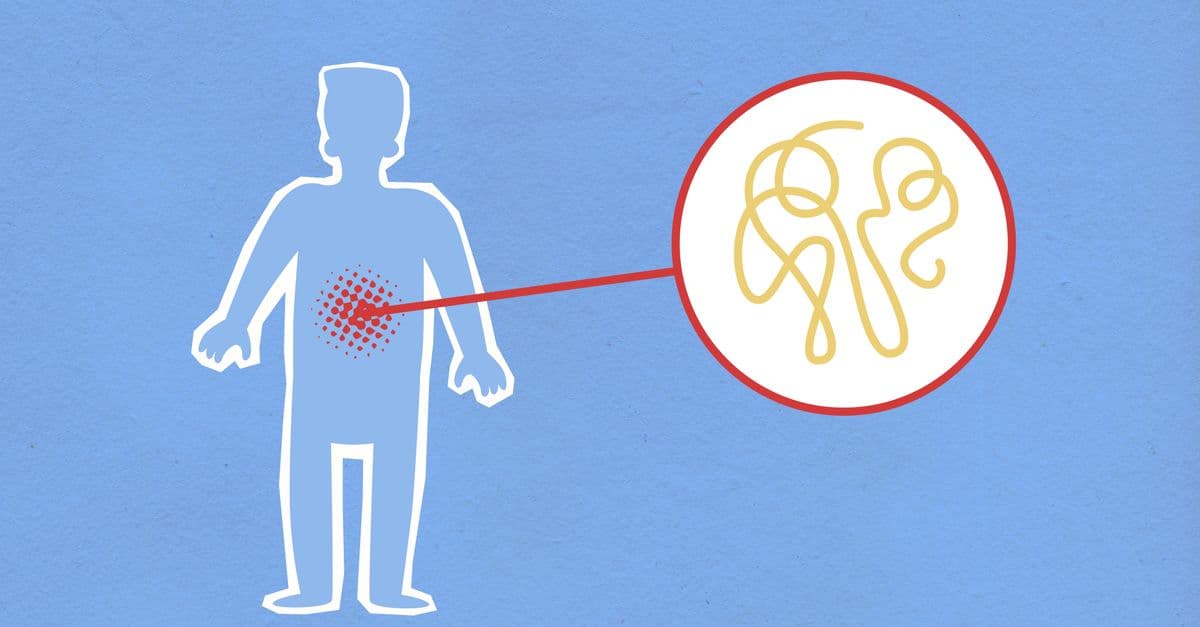
Marburg virus explained: bat reservoir, symptoms, outbreak history from 1967 to 2025, why fatality ranges from 24% to 88%, and the status of vaccines.

How poliovirus infects the gut, destroys spinal motor neurons, and why wild type 1 and vaccine-derived strains persist, with 2026 case data from GPEI.

Adenovirus causes colds, pink eye and stomach bugs, survives on surfaces, and powers COVID and Ebola vaccines. How this hardy DNA virus works and why it matters.
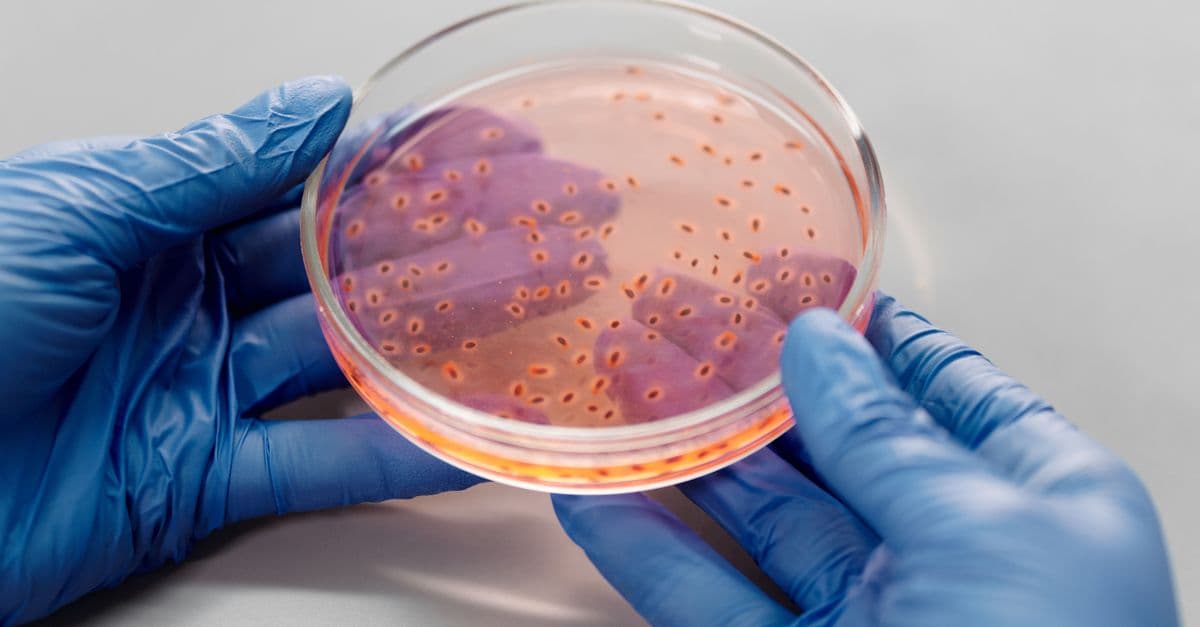
Chikungunya virus explained: how this mosquito-borne alphavirus spreads, why it causes lasting joint pain, how it differs from dengue, and what vaccines exist.

Hantavirus explained: how rodent-borne viruses cause lung and kidney failure, what the 1993 Four Corners outbreak revealed, and how to cut your risk.

West Nile virus: mosquito transmission, bird reservoirs, neuroinvasive disease, the 1999 NYC outbreak, and why no human vaccine exists yet.