
Science
Structural Battery Composites Explained: When Materials Carry Loads and Store Energy
Structural battery composites let carbon fiber carry loads and store energy. See how they work, what the lab numbers mean, and why products are still rare.
19 articles tagged with #materials-science
Structural battery composites let carbon fiber carry loads and store energy. See how they work, what the lab numbers mean, and why products are still rare.
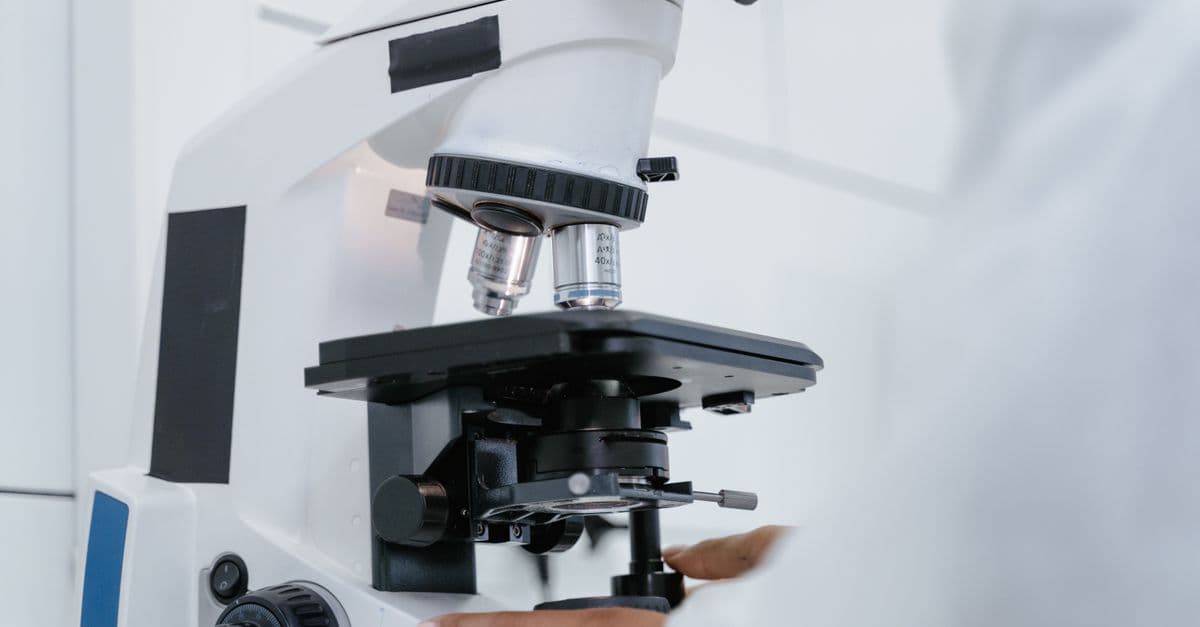



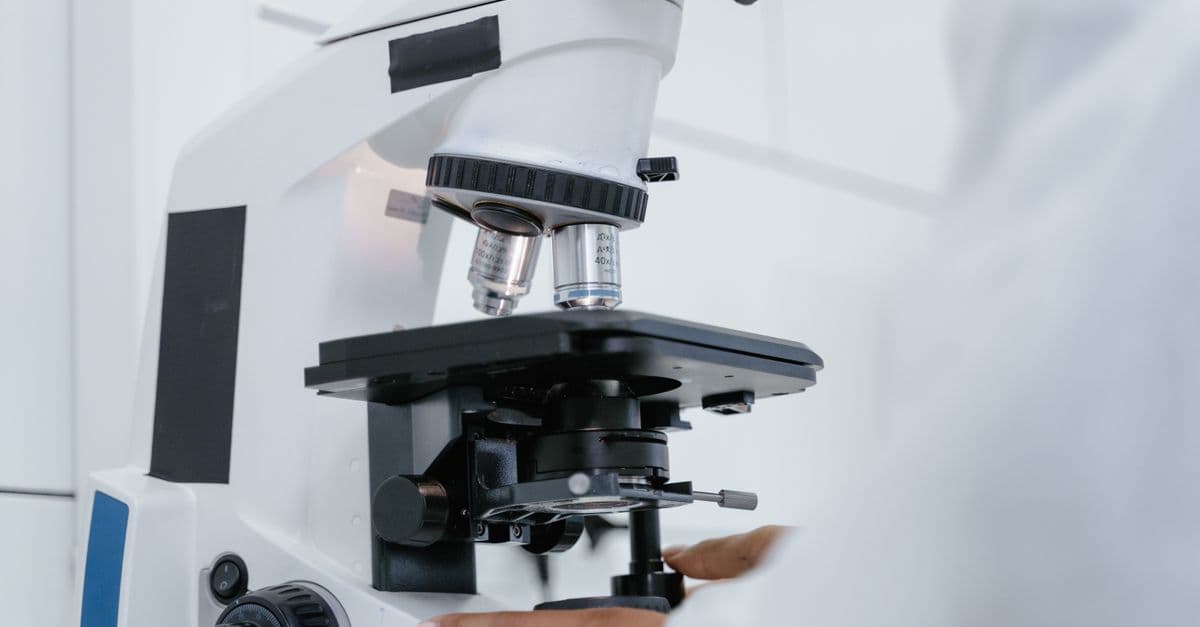



Glass is transparent because visible photons lack the energy to excite its electrons and its uniform, grain-free structure scatters almost nothing sideways.

A single layer of carbon atoms one atom thick — graphene — is 200 times stronger than steel by weight and flexible enough to wrap around a pencil. Carbon nanotubes theoretically approach 100 GPa tensile strength. Diamond resists compression better than any other naturally occurring mineral. Yet all of these materials are demolished in comparison to what forms inside neutron stars: nuclear pasta, a substance requiring approximately 10 billion times the force needed to shatter steel. The physics behind each record reveals something fundamental about how matter itself is held together.
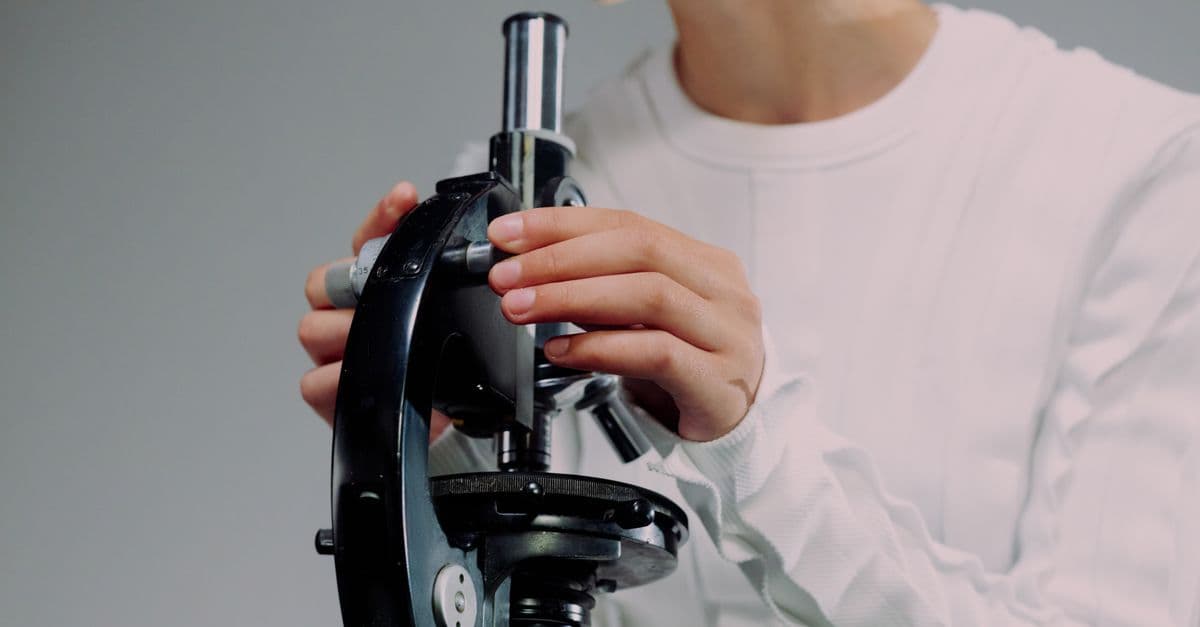
George de Mestral invented Velcro in 1955 after examining cockleburs under a microscope during a 1941 hunting trip. His biomimicry insight became one of the most widely used fasteners on Earth.
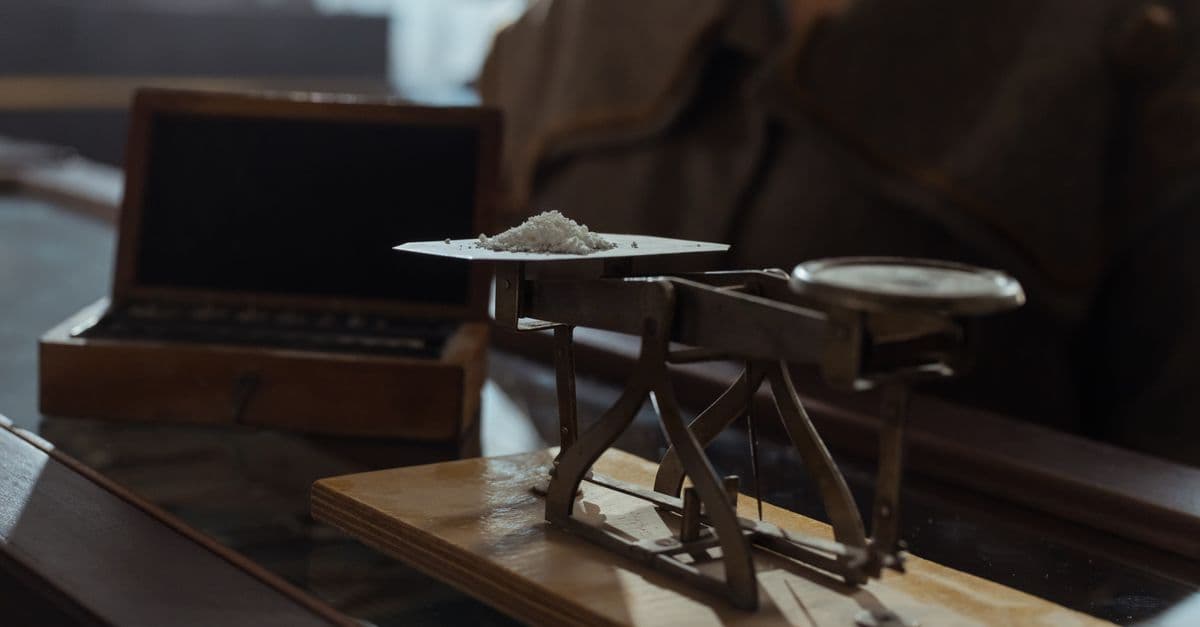
Hooke discovered that springs stretch proportionally to applied force. Hooke's Law describes elastic behavior of materials and launched materials science.