
meteorology
6 articles tagged with #meteorology
World Records
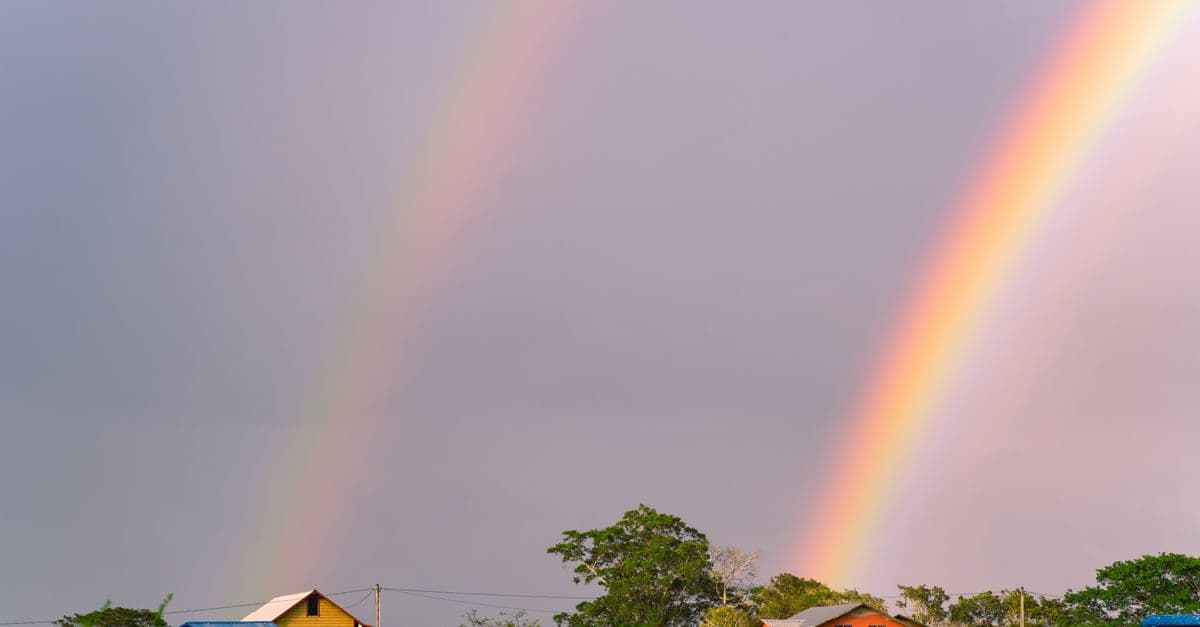
The Strongest Winds Ever Recorded on Earth
The strongest surface wind gust ever officially recorded was 408 km/h on Barrow Island, Australia, during Tropical Cyclone Olivia in 1996. But the answer changes if you mean one-minute sustained tropical cyclone winds, tornado winds, jet stream winds, or winds measured away from Earth's surface. This guide explains the real records, why they differ, and how meteorologists verify wind extremes.
World Records
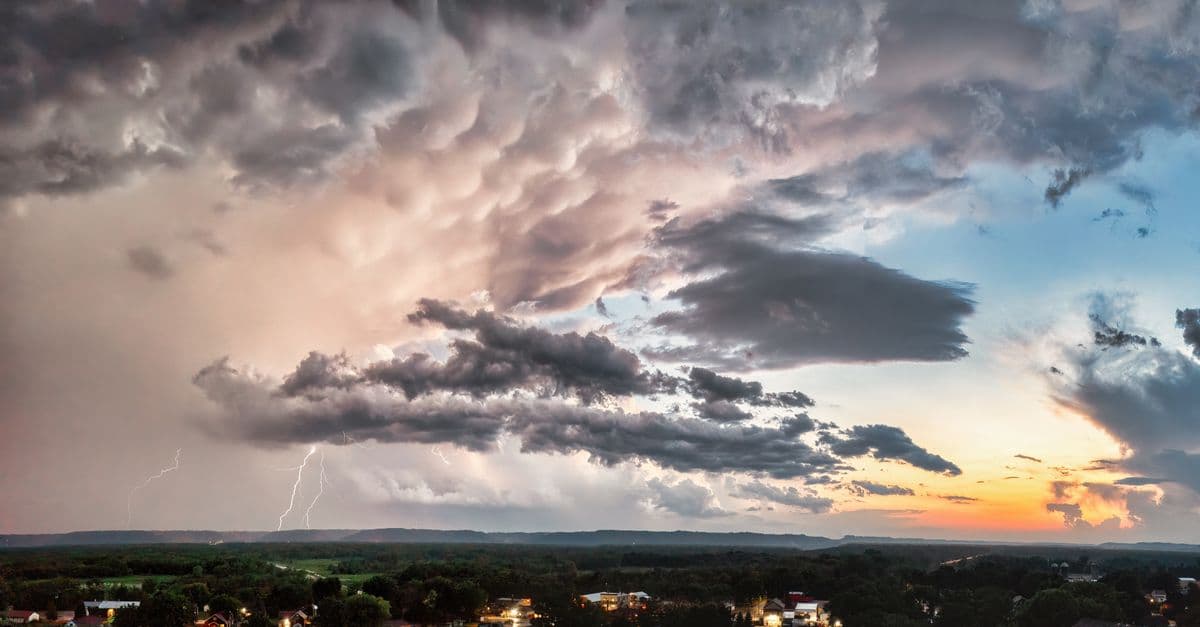
The Most Extreme Weather Records: Wind, Hail, Rain, and Lightning
On April 10, 1996, an automated anemometer on Barrow Island off the northwest coast of Australia measured a three-second wind gust of 408 km/h (253.5 mph) during Tropical Cyclone Olivia — the highest surface wind speed ever officially recorded on Earth. Tornadoes have exceeded even that. A hailstone in South Dakota weighed 878 g (1.94 lb). A Venezuelan lake generates up to 1,600 lightning bolts per hour, every night, for 300 nights per year. These records are not flukes. Each one follows from specific, explainable atmospheric physics.

World Records
The Driest and Wettest Places on Earth: Extreme Precipitation Records
Some corners of the Atacama Desert have received no measurable rainfall since weather records began. Others, 400 meters above sea level in northeast India, average nearly 12,000 mm of rain every year — enough to submerge a four-story building. The gap between Earth's driest and wettest places is not just meteorological curiosity. It is a product of ocean currents, mountain geometry, and atmospheric circulation that shapes everything from agriculture to geology to the evolution of life itself.
Scientists
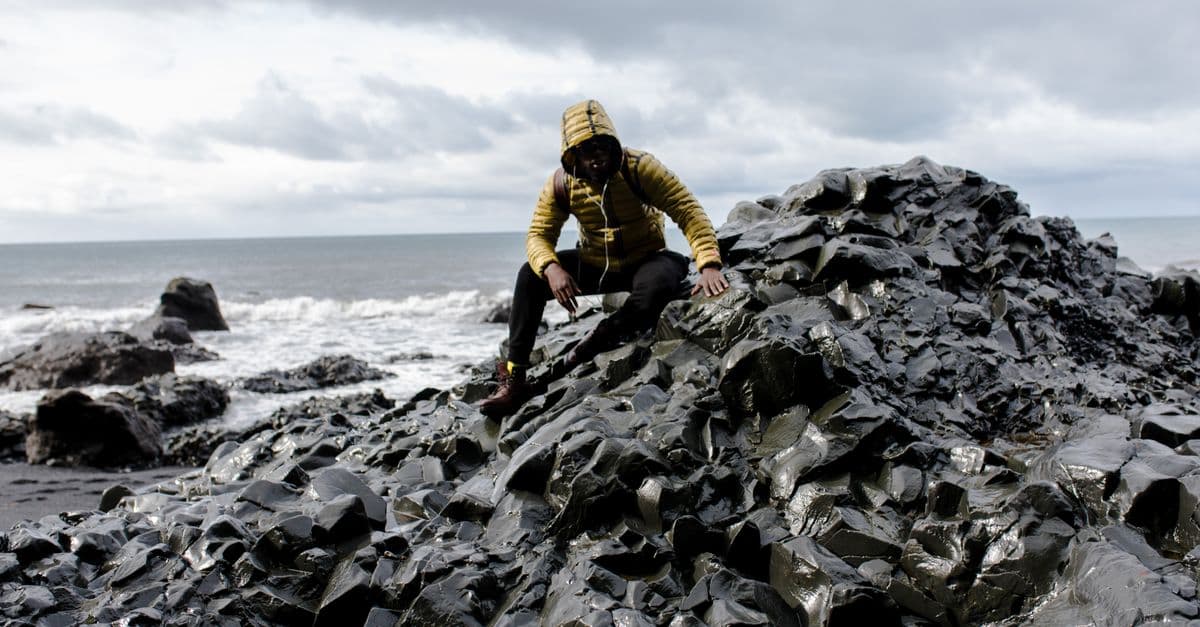
Alfred Wegener: The Man Who Said the Continents Move
Alfred Wegener proposed continental drift in 1912 and was rejected by his field. Plate tectonics vindicated him decades after his death on Greenland's ice.
Science
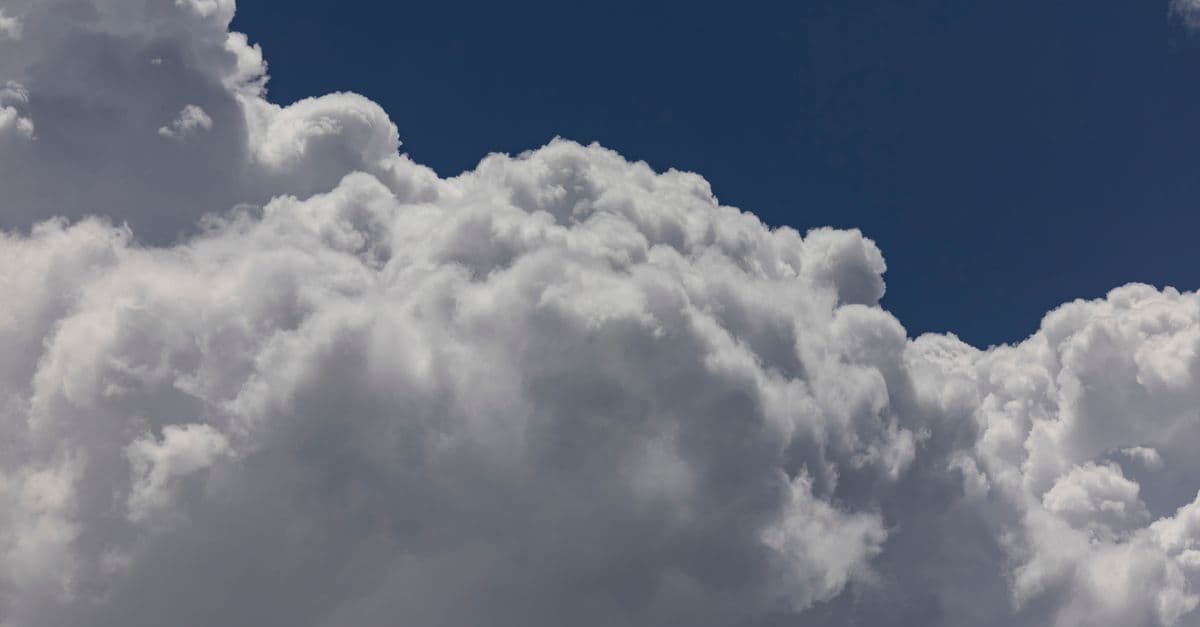
How Tornadoes Form — Tornado Science Explained
How tornadoes form: supercells, wind shear, mesocyclones, Tornado Alley, EF scale, deadliest tornadoes, warning systems, and what to do during one.