Experiments
Young's Double-Slit Experiment: Light as a Wave
In 1801, Thomas Young passed light through two slits and saw stripes on a screen that only waves can produce. The same experiment later revealed the quantum nature of matter.
177 articles tagged with #physics
In 1801, Thomas Young passed light through two slits and saw stripes on a screen that only waves can produce. The same experiment later revealed the quantum nature of matter.
Konstantin Tsiolkovsky derived the rocket equation in 1903, proposed liquid propellants and multi-stage rockets, and laid the theoretical foundation for all human spaceflight. He was nearly deaf.

Robert Goddard launched the first liquid-fueled rocket in 1926, held 214 patents, and was ridiculed by the NYT — which retracted its criticism hours before Apollo 11 landed.
Quantum mechanics rests on five foundational principles that explain all atomic and subatomic behavior. This primer covers each principle, its experimental basis, and what it means.
How Townes and Schawlow's 1958 paper, Maiman's 1960 ruby device, and a 30-year patent war produced the most versatile tool in modern science.
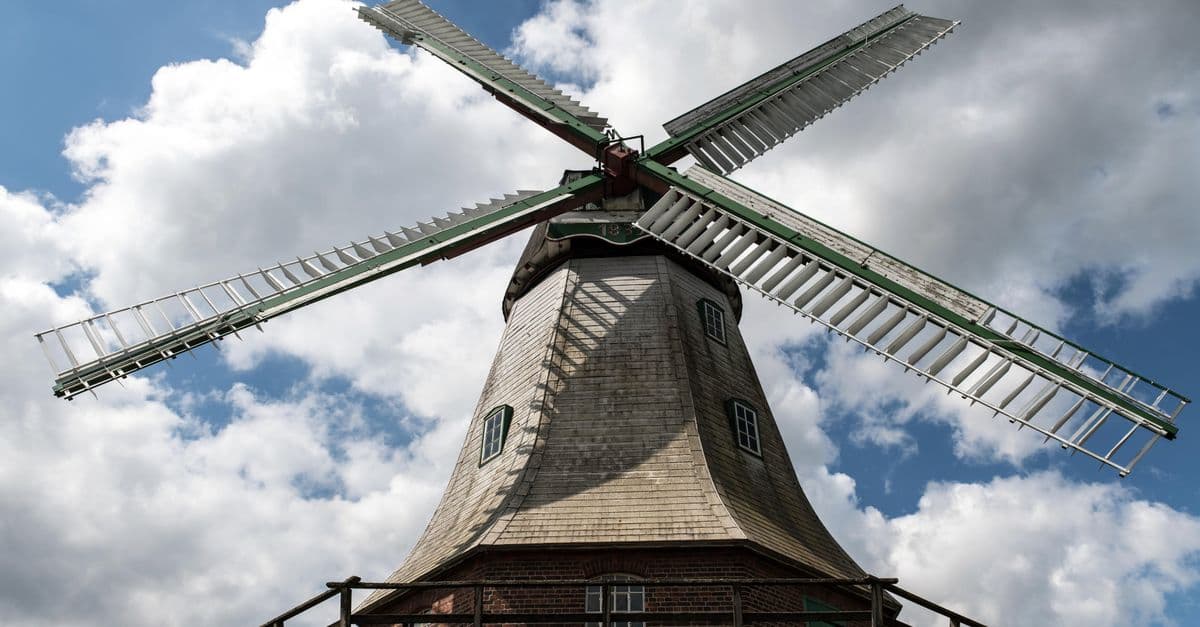
Hermann von Helmholtz formulated energy conservation, invented the ophthalmoscope, measured nerve impulse speed, and trained Heinrich Hertz. His full biography and science.
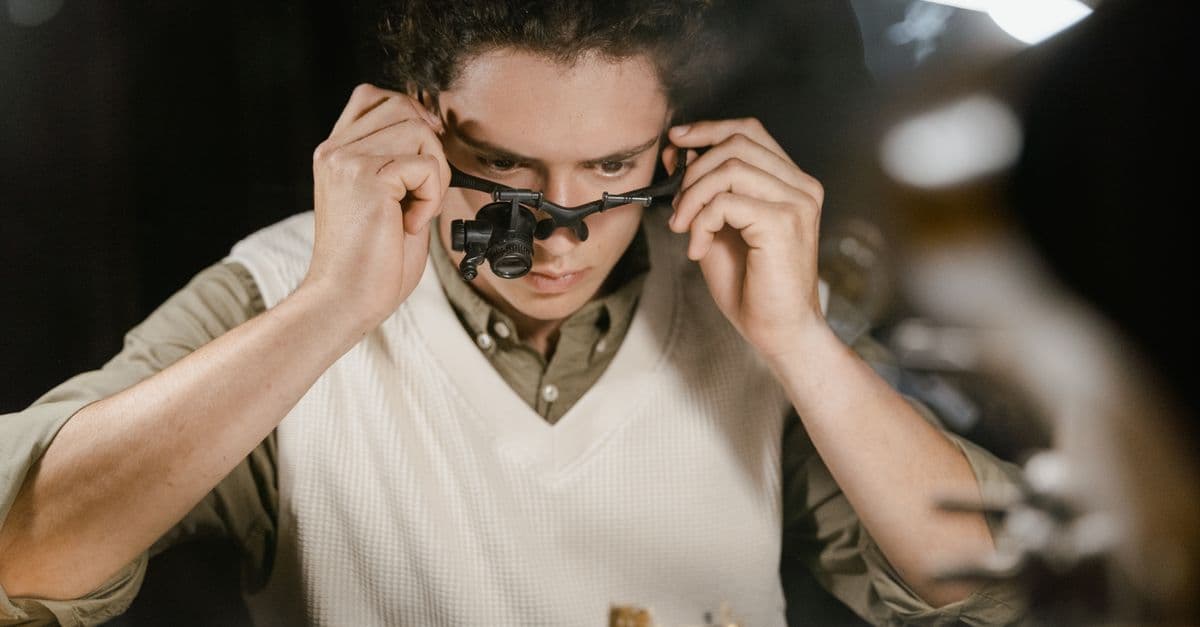
Ludwig Boltzmann built statistical mechanics, derived S=k log W, and defended atomic theory for decades against fierce opposition. His biography, science, and tragic end.
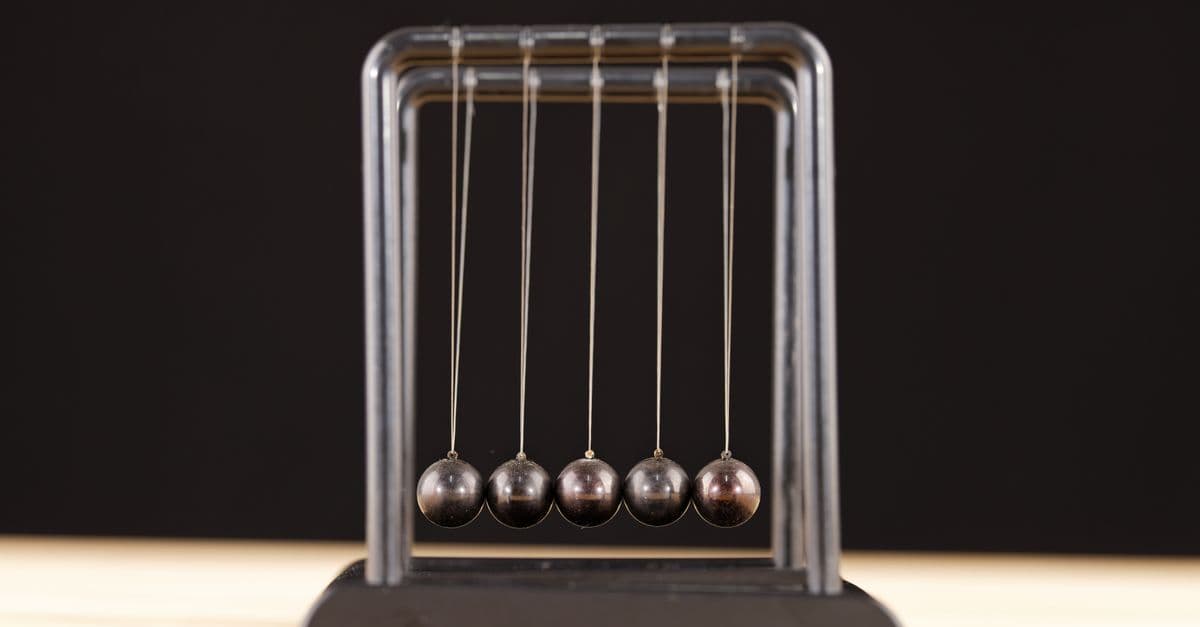
Lev Landau won the 1962 Nobel Prize for superfluidity, survived Stalin's purges, and ranked every physicist in history on a logarithmic scale — including himself.
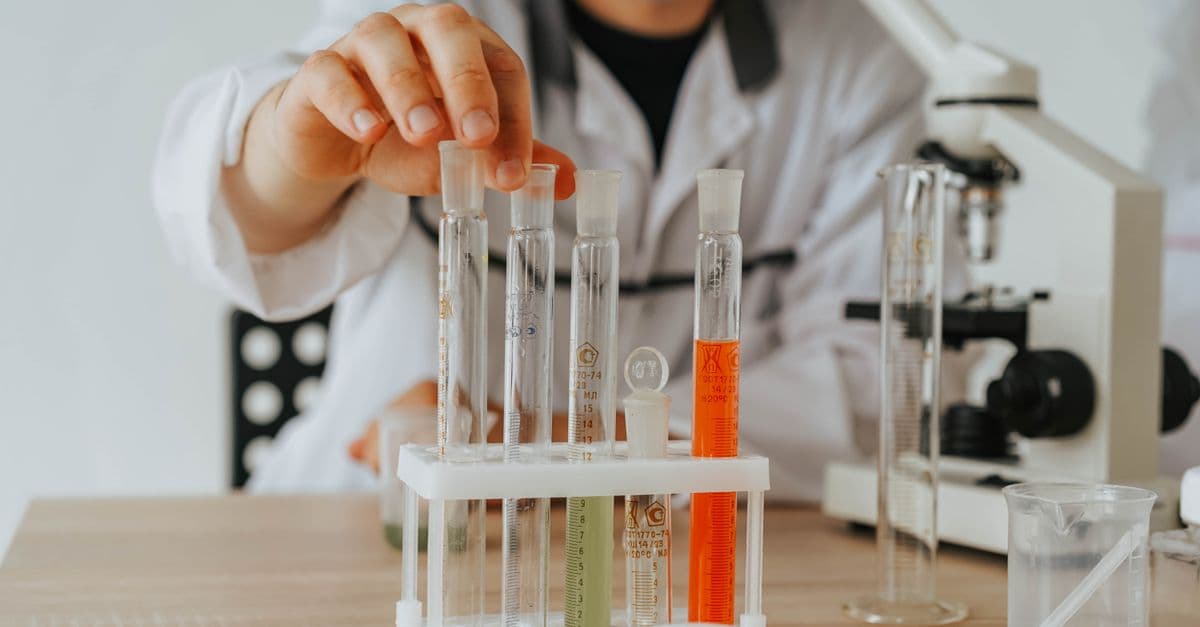
Maria Goeppert Mayer built the nuclear shell model that explains why certain atoms are extraordinarily stable, then waited decades for a paid academic position.

Satyendra Nath Bose invented a new statistics for quantum particles in 1924, corresponded directly with Einstein, and never won a Nobel Prize. Here is his full story.

A deep-dive into the full physics of solar energy — the photovoltaic effect, silicon p-n junctions, Shockley-Queisser efficiency limits, perovskite tandem cells, inverters, and the real economics of solar in 2026.
Robert Boyle established Boyle's Law, defined the chemical element, and wrote a remarkable wishlist of future inventions in 1662 that reads like a science fiction catalogue. A verified biography.