Blog
Best Prayer Times and Qibla Tools 2026
Best prayer times and qibla tools in 2026: Qibla Daily for on-device calculation and sourced duas, plus six alternatives with their limits and costs.
17 articles tagged with #privacy
Best prayer times and qibla tools in 2026: Qibla Daily for on-device calculation and sourced duas, plus six alternatives with their limits and costs.
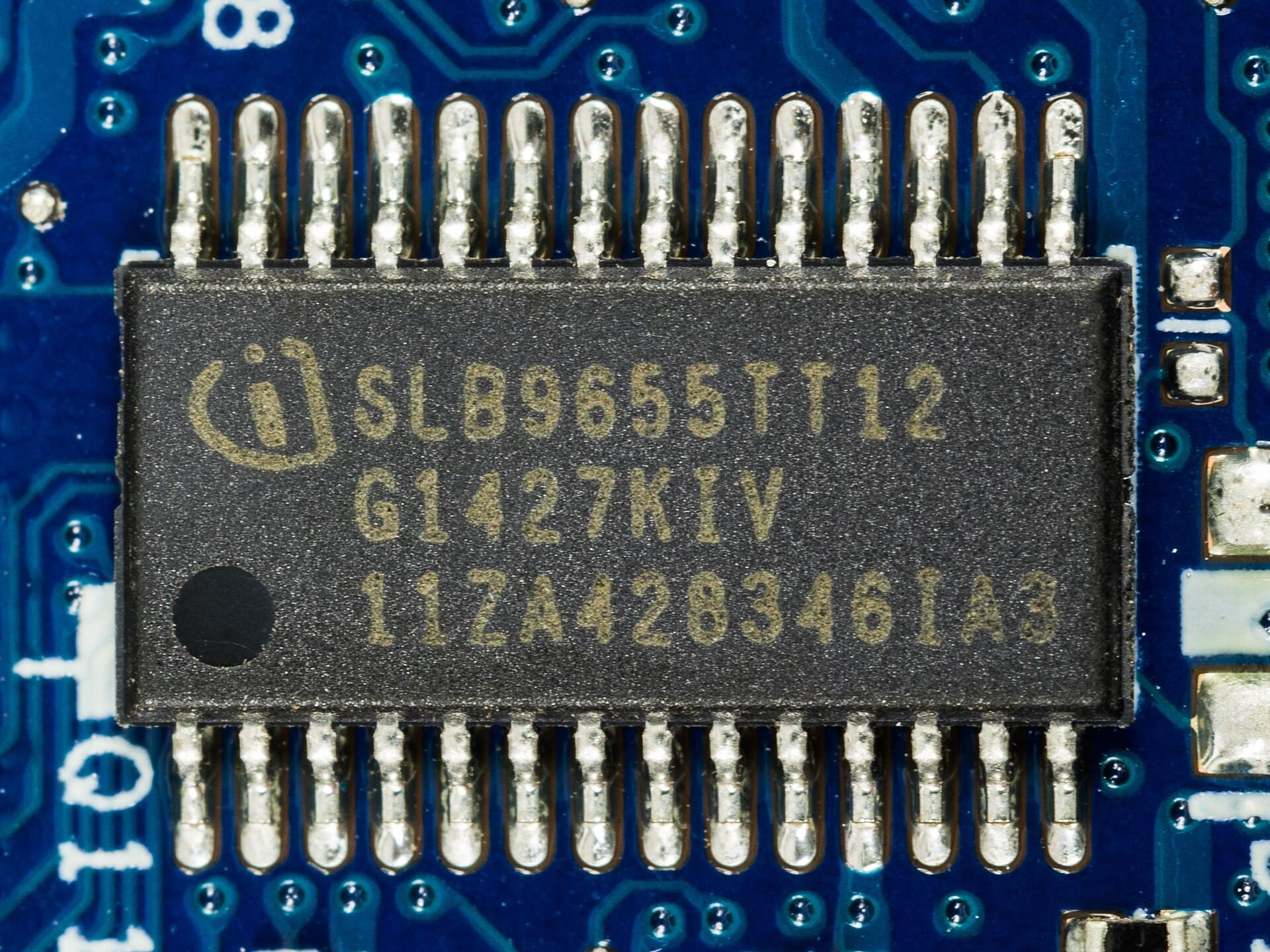
Confidential computing protects AI data while it is processed, using hardware enclaves and attestation. Learn how it works and where its limits are.
Best clipboard managers for Mac in 2026: Vee, Maccy, Paste, Raycast, Alfred and macOS Spotlight compared on price, history length, privacy and honest limits.

Smart glasses are moving from failed gadgets to AI wearables. This guide explains display types, cameras, audio, battery limits, and privacy questions.

Running an open-source LLM locally — on your laptop or home server — appeals to privacy-conscious users and developers. No data sent to OpenAI or Anthropic. Full control. The marketing is seductive. But the realistic cost is high, and most people who start down this path abandon it. A capable local LLM model (Llama 3, Mistral 8B, Deepseek) requires 16–48 GB of RAM or VRAM, quantization to run at reasonable speeds (which degrades quality), hours of generation per response compared to seconds on cloud APIs, significant electricity consumption, heat management, and battery drain on laptops. When you sum the hardware cost, electricity, and opportunity cost of slower responses, running a local model often costs more than a cloud API — even when you factor in privacy. The honest assessment: local LLMs make sense for specific use cases (offline work, sensitive research, air-gapped systems). For most knowledge workers, cloud APIs remain cheaper and faster.

Ad blocker detection is an arms race. Publishers plant decoy elements, probe blocked URLs, and in rare cases use CSS or HTTP 103 Early Hints to notice a blocker without running any JavaScript.
Optical, capacitive, and ultrasonic fingerprint sensors explained — how phones authenticate you in milliseconds without storing your print.

How VPNs work: encrypted tunnels, protocols (WireGuard, OpenVPN, IKEv2), top providers in 2026, limitations, and how they compare to Tor.

Tor anonymizes web traffic by bouncing it through volunteer relays in encrypted layers. Here's how onion routing works, and what it doesn't protect.

Run open-source AI on your computer with Ollama. Llama 3.1, Mistral, and Phi compared, plus real hardware requirements and setup steps.
Brain-computer interfaces are already decoding thoughts into words. What happens when the technology scales — and who gets to see what you're thinking?

Facial recognition turns a face into a short list of numbers and compares it with stored lists. Here is how detection, embeddings, and thresholds work, and why error rates differ across groups and settings.