Experiments
The First Image of a Black Hole
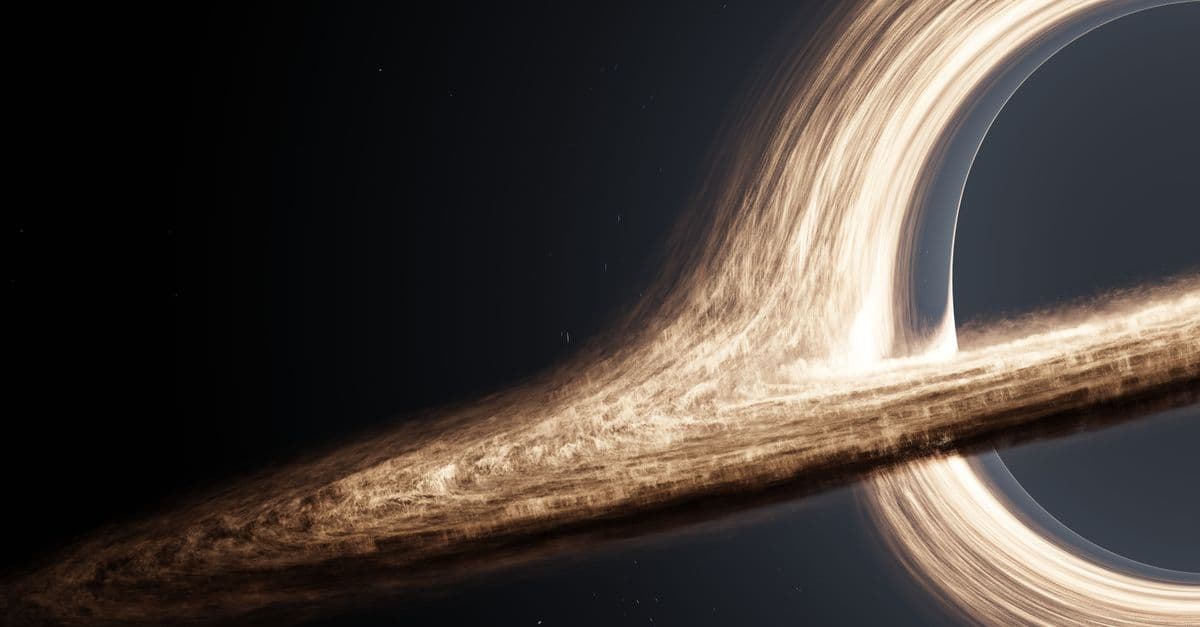
The Event Horizon Telescope created the first black hole image by linking radio telescopes across Earth. Here is how the experiment worked.
4 articles tagged with #Sagittarius A*
The Event Horizon Telescope created the first black hole image by linking radio telescopes across Earth. Here is how the experiment worked.

In 2010, NASA's Fermi telescope found two colossal gamma-ray structures erupting from the center of the Milky Way, each 25,000 light-years tall. In 2020, an X-ray telescope found even larger versions of the same structures. Nobody fully agrees on what made them.
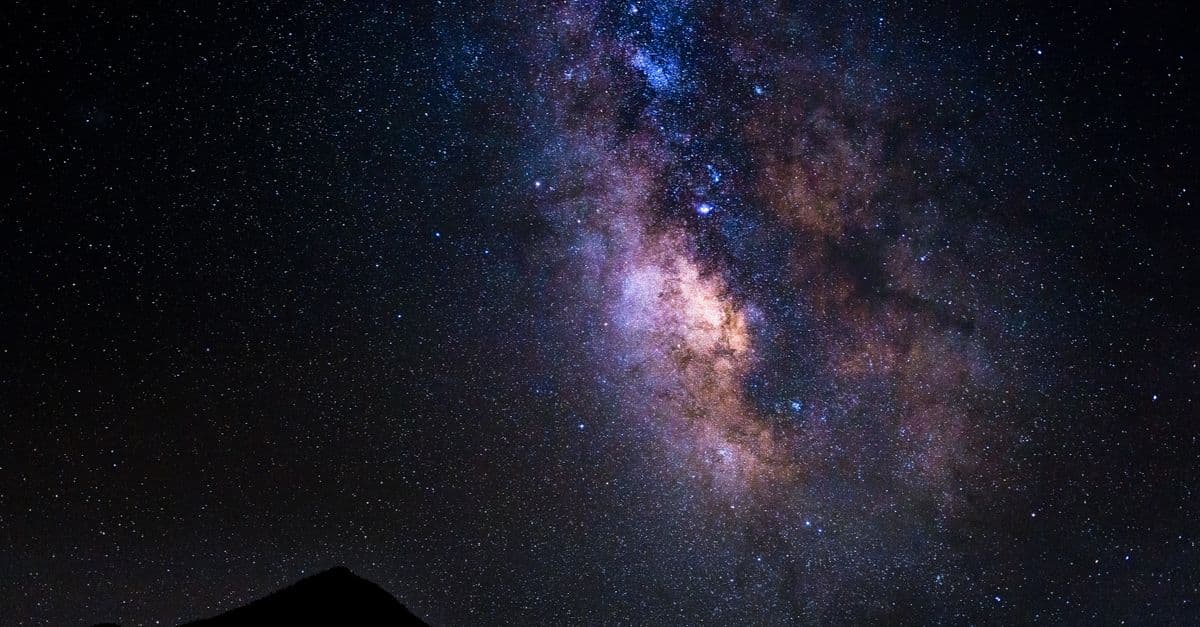
Within 500 parsecs of the Milky Way's center lies a region unlike anything else in the galaxy — the Central Molecular Zone. It contains roughly 10% of the entire galaxy's molecular gas compressed into less than 0.1% of its volume. Star formation there should be rampant, but it is strangely quiet. Giant molecular clouds orbit at velocities that defy simple physics. A cloud called the Brick should have already collapsed into thousands of stars, yet it has not. Understanding the CMZ means understanding what keeps the center of our galaxy from exploding with new stars — and what occasionally makes it erupt instead.
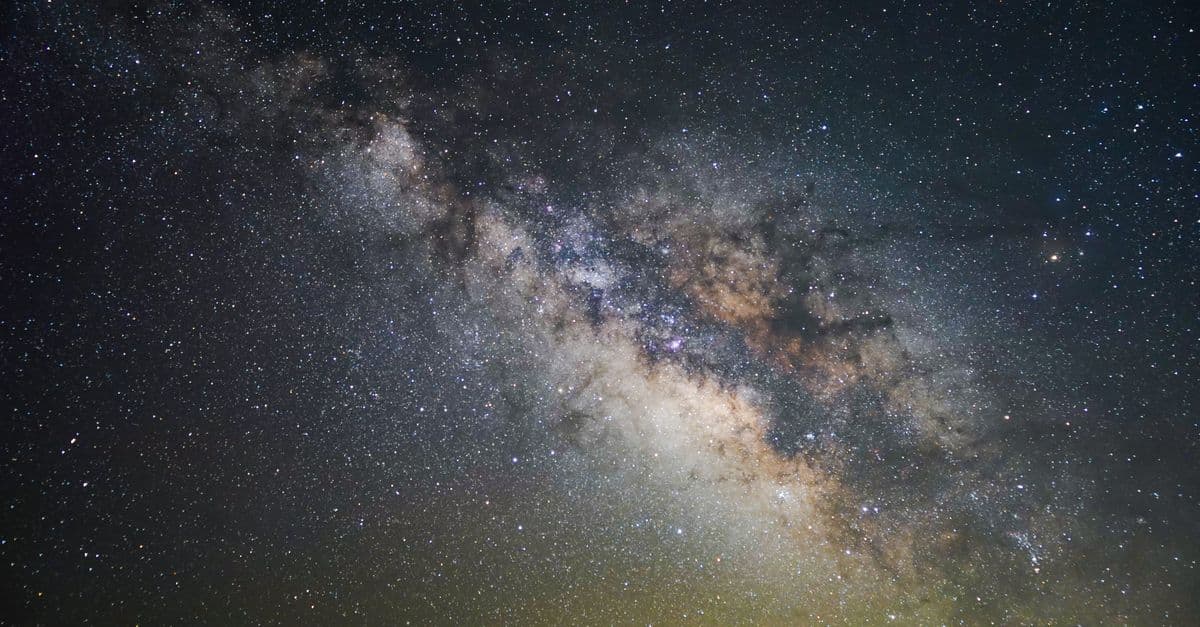
The Milky Way is a barred spiral galaxy with roughly 200 to 400 billion stars. Its disk, central bar, bulge, stellar halo, and dark matter halo are mapped from the inside by Gaia and radio surveys. At the center sits Sagittarius A*, a black hole of about 4.3 million solar masses, imaged by the Event Horizon Telescope in 2022. The Sun orbits about 26,000 to 27,000 light-years out, completing a lap in roughly 200 to 230 million years.