How Sleep Affects the Brain: The Science of Why You Need It
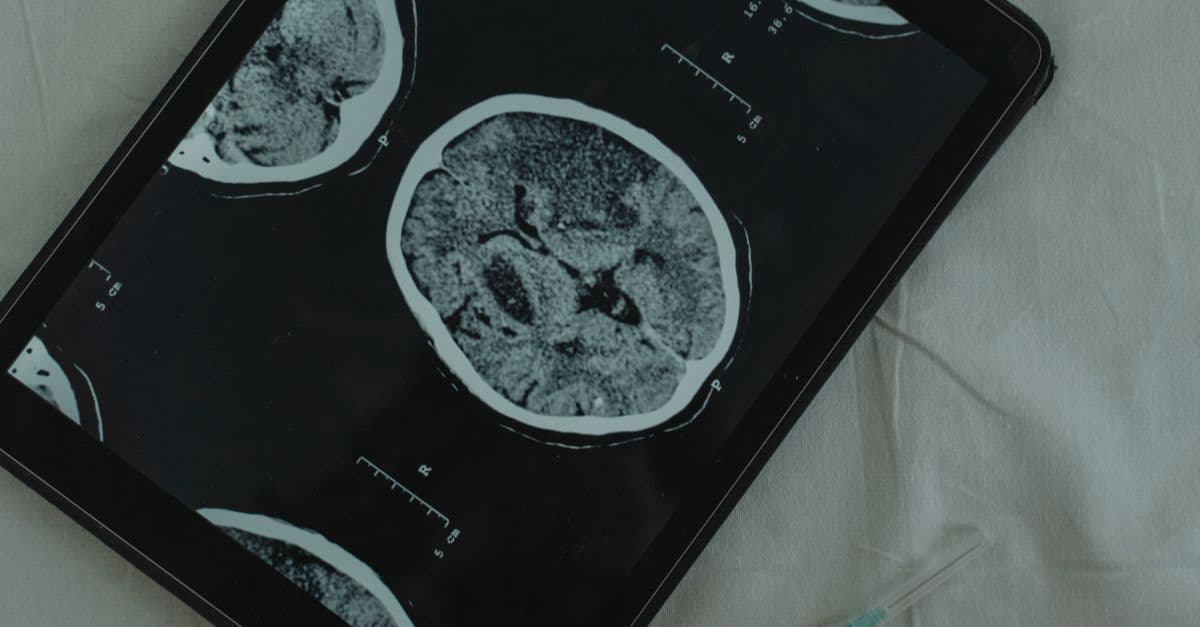
Photo: Tima Miroshnichenko / Pexels
Every animal with a brain sleeps. Dolphins sleep with one hemisphere at a time. Fruit flies sleep. Even some jellyfish-like creatures show sleep-like states. The fact that sleep has been conserved through hundreds of millions of years of evolution — despite leaving animals unconscious and vulnerable to predators — is the strongest possible argument that it is doing something absolutely essential.
Educational content, not medical advice. Talk to your doctor before changing any medication, treatment, or routine. Information here reflects current research but every person's situation differs.
We now know that sleep is not the passive downtime it appears to be. During sleep, your brain engages in a cascade of critical functions: consolidating memories, clearing metabolic waste, restoring neurotransmitter balance, regulating mood, and rewiring neural circuits. Understanding these processes explains why skipping sleep doesn't just make you tired — it degrades nearly every aspect of brain and body function.
The Architecture of Sleep
Sleep is not uniform. A full night's sleep cycles through distinct stages, each with different brain activity signatures measured by electroencephalography (EEG).
NREM (Non-Rapid Eye Movement) sleep has three stages:
- N1 — the lightest stage, the hypnagogic transition where consciousness dissolves. Brain waves slow from waking alpha waves to theta waves.
- N2 — consolidated light sleep, featuring characteristic sleep spindles (bursts of 12–15 Hz oscillations) and K-complexes (large slow waves). Sleep spindles are generated by the thalamus and play a direct role in memory consolidation.
- N3 (slow-wave sleep, SWS) — deep sleep, dominated by large, slow delta waves. This is the most physically restorative stage and is when the glymphatic system is most active.
REM (Rapid Eye Movement) sleep is neurologically close to wakefulness. The EEG shows fast, low-amplitude activity. The eyes move rapidly. The body is paralyzed (via active inhibition of motor neurons — this prevents you from acting out dreams). Heart rate and breathing become irregular. This is the primary stage for vivid dreaming and plays a central role in emotional memory processing.
A typical night consists of 4–6 cycles, each about 90 minutes long. Early cycles are dominated by deep NREM sleep; later cycles have more REM. This means cutting sleep short disproportionately eliminates REM sleep.
Memory Consolidation: The Overnight Librarian
Perhaps the most studied function of sleep is memory consolidation — the process by which newly acquired information is stabilized, integrated, and stored for the long term.
The prevailing model is systems consolidation, sometimes called the hippocampal-neocortical dialogue. During waking learning, the hippocampus rapidly encodes new experiences. During slow-wave sleep, the hippocampus replays these experiences in compressed form, coordinating with the neocortex to gradually integrate the new memories into long-term cortical storage. Sleep spindles in N2 are thought to coordinate this transfer.
REM sleep plays a complementary role — particularly for procedural memories, emotional memories, and creative insight. Studies show that people are better at solving insight problems after sleep, suggesting that REM sleep promotes the finding of non-obvious connections between concepts.
The memory benefit of sleep is not just about passage of time. Sleep after learning significantly outperforms an equivalent period of wakefulness, and targeted memory reactivation experiments (playing sounds associated with learned material during slow-wave sleep) selectively boost memory for those items — demonstrating that the sleeping brain is actively processing information.
The Glymphatic System: Brain's Overnight Cleaning Service
One of the most significant sleep neuroscience discoveries of the 21st century is the glymphatic system, described by Maiken Nedergaard and colleagues in 2013.
The brain produces metabolic byproducts during waking activity, including amyloid-beta and tau — proteins whose accumulation is the hallmark of Alzheimer's disease. The glymphatic system clears these toxins. During sleep, cerebrospinal fluid (CSF) flows through channels surrounding blood vessels, flushing through brain tissue and carrying waste into the lymphatic system for disposal.
Critically, the glymphatic system is dramatically more active during sleep than wakefulness. During slow-wave sleep, the interstitial space between brain cells actually expands by about 60%, allowing more efficient CSF flow. This suggests that one function of sleep — particularly deep NREM sleep — is literally to wash the brain clean.
The implications for Alzheimer's disease are significant. Chronically disrupted sleep is a known risk factor for the disease, and amyloid-beta accumulates more rapidly after even a single night of sleep deprivation. The relationship appears to be bidirectional: amyloid deposits also disrupt sleep, creating a vicious cycle that may accelerate neurodegeneration.
Neurotransmitter Restoration and Emotional Regulation
Waking brain activity depletes various neurotransmitters and neuromodulators. Sleep restores them. Serotonin, norepinephrine, and dopamine systems all show reduced activity during REM sleep, which may allow their receptor systems to resensitize and their synthesis to replenish.
The locus coeruleus — the brain's primary norepinephrine center, active during stress responses — is nearly completely silent during REM sleep. Matthew Walker and colleagues propose that this norepinephrine-free state during REM sleep allows the brain to reprocess emotional memories, stripping away some of the emotional charge while retaining the factual content. This is the "overnight therapy" hypothesis of REM sleep.
Consistent with this, sleep deprivation dramatically amplifies emotional reactivity. Brain imaging shows that sleep-deprived subjects show roughly 60% greater amygdala response to emotionally aversive images compared to rested subjects, while connectivity between the amygdala and the regulating prefrontal cortex is reduced. Poor sleep is strongly associated with anxiety, depression, and irritability — and improving sleep is one of the most effective interventions for mood disorders.
Sleep Regulation: How Your Brain Knows When to Sleep
Sleep timing is controlled by two interacting systems:
Circadian rhythm — an internal ~24-hour biological clock centered in the suprachiasmatic nucleus (SCN) of the hypothalamus. The SCN receives light input from melanopsin-containing retinal ganglion cells and synchronizes the body's clock to the light-dark cycle. It orchestrates the release of melatonin from the pineal gland in the evening, signaling to tissues throughout the body that night is approaching. Blue light from screens suppresses melatonin and delays the circadian clock — one reason for the widely documented sleep disruption caused by evening screen use.
Sleep pressure (adenosine) — during wakefulness, a chemical called adenosine accumulates in the brain, creating increasing pressure for sleep. After 16 hours of wakefulness, adenosine levels are high and sleep drive is strong. Caffeine works by blocking adenosine receptors — it doesn't eliminate the accumulated sleep pressure, just stops you from feeling it temporarily. When caffeine clears, the uncleared adenosine produces a crash.
What Sleep Deprivation Does to the Brain
The consequences of inadequate sleep extend far beyond tiredness:
- Cognitive impairment — after 17–19 hours awake, performance on some cognitive tasks resembles that of someone with a blood alcohol level of 0.05%. After 24 hours, equivalent to 0.10% (legally drunk in most jurisdictions). Critically, sleep-deprived people are poor judges of their own impairment.
- Memory failure — the hippocampus shows reduced encoding activity after sleep deprivation, and consolidation of the previous day's learning is impaired.
- Immune suppression — sleeping fewer than 6 hours per night is associated with significantly higher rates of infectious illness.
- Metabolic effects — sleep deprivation disrupts glucose regulation, increasing insulin resistance. Leptin (satiety hormone) decreases; ghrelin (hunger hormone) increases, driving overeating.
- Cardiovascular risk — short sleep duration is associated with elevated blood pressure, increased inflammation, and higher rates of heart attack and stroke.
Key Takeaways
- Sleep cycles through NREM stages (N1, N2, N3) and REM, with deep NREM dominating early in the night and REM increasing toward morning.
- During slow-wave sleep, the hippocampus replays memories to transfer them to long-term neocortical storage; REM sleep processes emotional memories and promotes creative insight.
- The glymphatic system clears amyloid-beta and tau during sleep — chronic sleep loss accelerates accumulation of these Alzheimer's-linked proteins.
- REM sleep's norepinephrine-free state allows emotional memory reprocessing; sleep deprivation amplifies amygdala reactivity by ~60%.
- Sleep timing is regulated by the circadian clock (SCN/melatonin) and sleep pressure (adenosine); caffeine blocks adenosine receptors.
- Chronic sleep deprivation impairs cognition, memory, immune function, metabolism, mood, and cardiovascular health.
FAQ
How much sleep do adults actually need? Most adults need 7–9 hours per night for optimal brain function. A small percentage (roughly 1–3%) carry a genetic variant (in the ADRB1 or DEC2 genes) allowing them to function well on 6 hours. But most people who believe they function fine on less are simply adapted to chronic impairment and have lost the ability to accurately perceive their deficits.
What happens to the brain during dreaming? During REM sleep, the visual cortex and limbic system (especially the amygdala) are highly active. The prefrontal cortex — responsible for logical reasoning and self-awareness — is relatively deactivated, explaining the bizarre, emotion-laden quality of dreams. The motor cortex is active but motor output is paralyzed.
Does everyone dream? Everyone with a normally functioning brain enters REM sleep and almost certainly dreams, though many people recall few or no dreams upon waking. Dream recall depends on waking during or shortly after REM sleep. People who claim never to dream typically do dream — they just don't remember.
Why is blue light from screens bad for sleep? Melanopsin-containing retinal cells are maximally sensitive to short-wavelength (blue) light. Evening blue light exposure suppresses melatonin secretion and delays the circadian clock, pushing the body's internal sense of night later. This makes it harder to fall asleep at a desired time and can reduce total sleep duration.
What is sleep spindle activity and why does it matter? Sleep spindles are brief bursts of oscillatory neural activity (12–15 Hz) generated by the thalamus during N2 sleep. They are markers of the thalamocortical activity that coordinates the transfer of memories from the hippocampus to the neocortex. Spindle density correlates with IQ and next-day memory performance. Reduced spindle activity is seen in aging, schizophrenia, and depression.
Can you catch up on lost sleep? Weekend "recovery sleep" can partially restore some measures of cognitive performance but does not fully reverse all consequences of chronic sleep loss. Metabolic dysregulation, immune function changes, and some memory consolidation deficits appear to persist beyond a single recovery period. Consistent adequate nightly sleep outperforms cycles of deprivation and recovery.
Read next:
Weekly digest
Stay ahead of the curve
Get the best science, AI, and tech stories delivered to your inbox every week. No spam — unsubscribe any time.
About the Author
SciHub101 is an independent science and technology publication founded and edited by Buğra Sözeri, a software engineer and app developer based in Türkiye. Articles are drafted against peer-reviewed literature and primary sources, fact-checked, and edited by a human before publication. Where we compare products, anything built by our own team is labelled as such — see the editorial guidelines and About page for how corrections and disclosures work.
Related Articles
How Pain Works: Nociception Explained
Pain is your body's alarm system — but how does a stubbed toe become agony in your brain? The neuroscience of pain is stranger and more fascinating than you think.
How Emotions Work in the Brain
Emotions don't just happen to you — your brain constructs them from predictions, body signals, and cultural learning. The science of emotion is far stranger than the textbooks suggest.

How the Brain Works — Neuroscience Overview
Neurons, action potentials, brain regions, plasticity, and the science behind consciousness — a clear neuroscience primer.
How the Brain Learns: The Science of Neuroplasticity
Every time you learn something new, your brain physically rewires itself. Here's exactly how synaptic plasticity, long-term potentiation, and pruning turn experience into lasting change.

Brain-Computer Interfaces: How Neuralink and BCIs Work
Humans have dreamed of merging with machines for decades. Brain-computer interfaces are turning that science fiction into clinical reality — but how do they actually work, and what are the limits?

How Meditation Changes the Brain
Thousands of years of contemplative tradition meet 21st-century neuroscience — and the results are remarkable. Meditation doesn't just make you feel calmer; it physically reshapes your brain.