Countries with the Most Coffee Production (2025 Ranked)
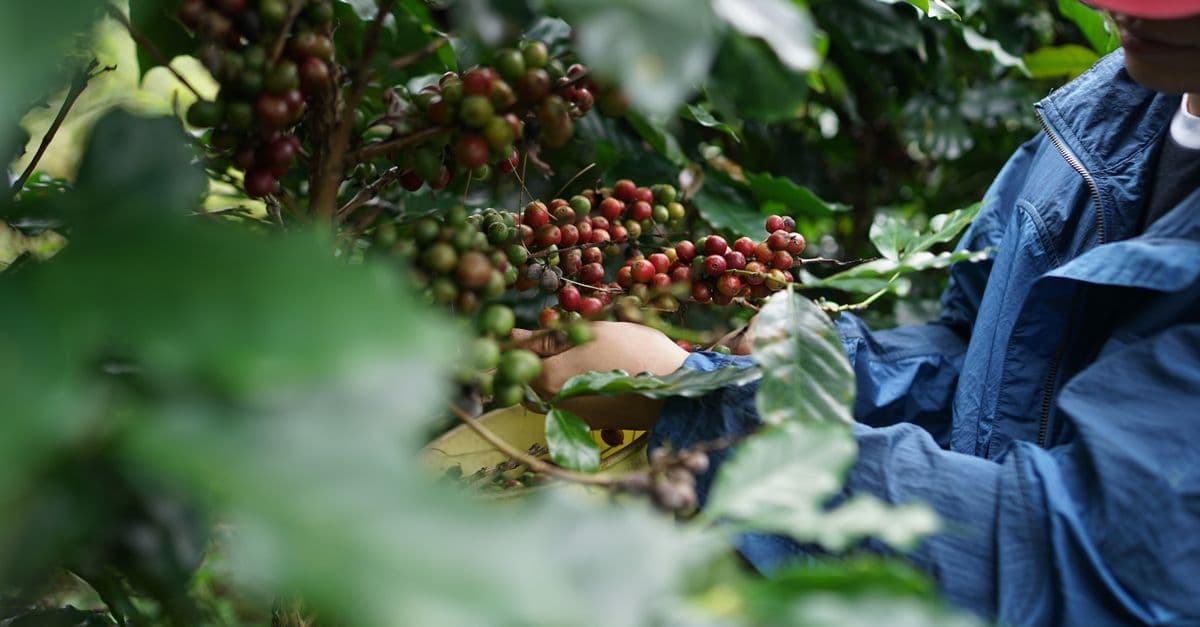
Photo: 1500m Coffee / Pexels
Coffee grows in a narrow tropical band, requires specific altitude and rainfall conditions, and takes three to four years from planting to first harvest — yet the world drinks roughly 3 billion cups per day. The countries that produce it sit in one of humanity's most economically consequential agricultural supply chains: coffee worth perhaps $1 at the farm gate becomes a $5 latte in New York or London, with the gap between those prices representing one of the largest value-chain markups in global agriculture.
Source: International Coffee Organization (ICO), Annual Review 2023/24
This ranking covers agricultural production volume. For which countries drink the most coffee per person, see Countries That Drink the Most Coffee; for which countries earn the most from exporting it, see Countries with the Most Coffee Exports.
How Coffee Production Is Measured
The ICO tracks production in 60-kilogram bags — the standard export unit. Global production in coffee year 2023/24 reached approximately 178 million bags (10.7 million tonnes), up 5.8% from the previous year. This figure covers green (unroasted) coffee at the farm or processing stage, before roasting, blending, or retail transformation.
Two species dominate global production:
- Arabica (Coffea arabica): Grown at higher altitudes (900–2,000 m), requires cooler temperatures (18–24°C), produces complex flavour with higher acidity. About 57–60% of global production. Most specialty and premium coffee.
- Robusta (Coffea canephora): Tolerates lower altitude and higher temperatures, contains roughly twice the caffeine of Arabica (2.7% vs 1.2%), has a stronger and more bitter flavour. About 40% of global production. Used in espresso blends for crema and body, instant coffee, and Vietnamese-style coffee.
The geographic distribution is not accidental. Coffee's "Bean Belt" — the tropical band between 25°N and 30°S — encompasses every producing country in the rankings. No country outside this band produces commercially significant quantities of coffee.
Top Coffee-Producing Countries
Million 60kg bags per year, ICO 2023/24 crop year
| Rank | Country | Production (M bags) | Primary type | Notes |
|---|---|---|---|---|
| 1 | Brazil | 66.0 | Arabica + Robusta | World's dominant producer; ~37% of global total |
| 2 | Vietnam | 29.0 | Robusta | 97% Robusta; essential for espresso blends |
| 3 | Colombia | 13.5 | Arabica | Premium washed Arabica; smooth, mild |
| 4 | Indonesia | 11.5 | Robusta + Arabica | Sumatra, Java, Sulawesi origins |
| 5 | Ethiopia | 9.5 | Arabica | Coffee's birthplace; wild forest varieties |
| 6 | Honduras | 7.0 | Arabica | Central America's largest producer |
| 7 | India | 5.8 | Robusta + Arabica | Monsoon Malabar processing |
| 8 | Uganda | 5.5 | Robusta | East Africa's largest producer |
| 9 | Mexico | 5.0 | Arabica | Chiapas; significant organic sector |
| 10 | Guatemala | 4.5 | Arabica | High-altitude specialty production |
| 15 | Peru | 3.5 | Arabica | Growing specialty export sector |
| 20 | Ivory Coast | 2.0 | Robusta | West Africa |
| 25 | Tanzania | 1.0 | Arabica | Kilimanjaro and southern highlands |
| 30 | Kenya | 0.8 | Arabica | SL28/SL34 varieties; premium cup quality |
Source: ICO Coffee Report and Outlook, December 2023; USDA Coffee: World Markets and Trade
Where this data comes from
The International Coffee Organization's annual Coffee Report and Outlook provides the authoritative production figures used here, reported in 60-kilogram bags (the standard export unit). Data for the 2023/24 coffee year aggregates production reports from each ICO member country, cross-referenced with USDA foreign agricultural service estimates. Production measurements capture green (unroasted) coffee at the farm gate before processing, blending, or specialty roasting, enabling direct volume comparison across origins. The "coffee year" runs October to September to align with harvest cycles in major producing regions. Limitations include that some informal/smallholder production may not be captured in official statistics, climate disruptions can shift year-to-year production significantly (as seen in the 2024 Brazil drought), and disease outbreaks (like Ghana's 2023–2024 swollen shoot virus) can cause sudden declines in individual country figures.
Analytical insight: why production doesn't equal consumption wealth
Brazil's dominance (37% of global production) represents not only climate advantage but 200 years of institutional learning in large-scale coffee production — estates, supply chains, port infrastructure, and brand equity concentrated in São Paulo and Minas Gerais. Vietnam's dramatic rise (from negligible to 16% in 40 years) shows that land reform, state investment, and access to export markets can compress centuries of competitive development into decades. Conversely, Ethiopia (coffee's birthplace, 9% of production) and Kenya (premium quality, <1% of production) show that cultural/geographical origin provides no protection in commodity markets. The supply chain concentrates profit far from production: a Brazilian farmer receives roughly $1.50 per kilogram of beans; the wholesale price reaching roasters is $3–5; the retail price for coffee globally averages $10–15 per kilogram. This 10-fold spread explains why producing nations remain poor despite record production and why climate disruptions (droughts, disease) in Brazil or Central Africa cause immediate price spikes globally — production concentration creates fragility.
The Historical Geography of Coffee Production
Coffee was not always concentrated in Brazil and Vietnam. The origin story — and the story of how production moved — is as interesting as the current rankings.
Arabia to the World: The First 400 Years
Coffee as a cultivated crop originated in Ethiopia's Kaffa region. The earliest documented use as a beverage dates to 15th-century Yemen, where Sufi monks brewed it to stay alert during nighttime prayers. Yemen and the Arabian Peninsula held a near-monopoly on coffee production for over 200 years — partly because Yemeni traders deliberately scalded or boiled exported beans to prevent germination and protect their monopoly.
The monopoly broke when Dutch traders smuggled live coffee plants to the Netherlands in the late 17th century, from which trees were sent to Dutch colonies in Ceylon (Sri Lanka) and then to Java. A single tree from Java reached the Amsterdam botanical garden, and cuttings from it were gifted to Louis XIV of France. Those French trees were taken to Martinique in 1720, and from there coffee spread across the Caribbean and eventually to mainland South America. The entirety of the Western Hemisphere's coffee industry descends from a tiny number of plants from that Amsterdam collection — a genetic bottleneck with consequences for disease resistance still felt today.
Brazil's Rise to Dominance
Brazil became the world's largest coffee producer around 1830 and has held that position for nearly 200 years — longer than any other country has led any major agricultural commodity. The conditions were exceptional: vast flat terrain in Minas Gerais and São Paulo states suited to mechanised farming, a climate combining adequate rainfall with a dry harvest season, and, historically, an agricultural system built on enslaved labour until 1888.
Brazil's colonial coffee boom established São Paulo as South America's wealthiest city and funded the early industrialisation of Brazil. The phrase "O café é o rei" — coffee is king — defined Brazilian economic and political life from roughly 1840 to 1930. The São Paulo–Minas Gerais power-sharing arrangement that dominated Brazilian politics in the early republic was literally called the política do café com leite — the coffee and milk policy, after the two states' main products.
Vietnam's 30-Year Revolution
Vietnam barely produced coffee in 1980. By 2000 it was the world's second-largest producer. This is one of the most dramatic agricultural transformations in economic history — compressed into a single generation.
The engine was Vietnam's 1986 economic reform programme (Doi Moi), which decollectivised agriculture and encouraged export crops. The government identified the Central Highlands — particularly Dak Lak Province — as climatically suited to Robusta. A combination of state investment in irrigation infrastructure, land reform that enabled smallholder farming, and access to international markets through a state trading company drove rapid expansion.
Brazil: The Saudi Arabia of Coffee
Brazil's production dominance is so complete that it functions like a monopoly producer in OPEC terms — its output decisions, weather events, and crop cycles set the global price floor.
The Scale of Brazilian Coffee
Brazil's coffee-growing area covers approximately 2.2 million hectares across six primary states: Minas Gerais (largest), Espírito Santo, São Paulo, Bahia, Paraná, and Rondônia. The Cerrado Mineiro region — a high-altitude savanna in western Minas Gerais — produces large volumes of mechanically harvested Arabica.
Mechanisation is the defining feature of Brazilian coffee farming. Where most origins require hand-harvesting because of steep slopes or the need to select only ripe cherries, Brazil's flat Cerrado allows enormous mechanical harvesters to strip entire trees in a single pass. This reduces labour costs dramatically and enables economies of scale impossible elsewhere — but produces a less uniform cup because ripe and unripe cherries are harvested together.
The Biennial Crop Cycle
Coffee is a biennial crop: trees alternate between high-production "on" years and lower-production "off" years. Global commodity prices respond significantly to whether Brazil is in an on or off year. When Brazil has a major drought in an on year — as happened in 2021 — global coffee futures can surge 30–50% in months.
The 2021 drought followed by an unusual July frost in Minas Gerais caused Brazil's worst production year in more than two decades, driving global Arabica prices to seven-year highs. Those price increases eventually reached consumers in the form of higher retail coffee prices worldwide — demonstrating how directly the weather in one Brazilian state translates to the cost of a morning cup in Manchester or Seattle.
Specialty Coffee's Brazilian Turn
Brazil was long associated exclusively with commodity-grade coffee — high volume, consistent but unremarkable. That has changed substantially. High-altitude farms in Minas Gerais, São Paulo state (particularly Mogiana and Sul de Minas), and Paraná now produce Cup of Excellence winners with scores above 90 points. The natural (dry) processing method — where coffee cherries dry whole before the fruit is removed — produces fruity, wine-like flavours that have become fashionable in specialty markets.
Brazil's specialty sector remains small relative to total production but has established Brazilian coffee as a credible premium origin, not merely a filler for commercial blends.
Vietnam: Robusta's Industrial Core
Vietnam's role in global coffee is often underappreciated by coffee enthusiasts who associate quality with Arabica and single-origin specialty. But Robusta's commercial importance is enormous — and Vietnam's production decisions affect almost every espresso blend and tin of instant coffee sold globally.
Why Robusta, Why Vietnam
The Central Highlands' elevation (500–1,000 m) is too low for commercial Arabica but ideal for Robusta. The monsoon climate delivers reliable rainfall; government-built reservoirs and canals provide dry-season irrigation. Robusta's disease resistance and higher yield per hectare relative to Arabica made it the rational choice for smallholders optimising for volume.
Vietnam's coffee farming is almost entirely smallholder-based: approximately 600,000 farming families, each cultivating 1–2 hectares on average. Unlike Brazil's mechanised monoculture, Vietnamese coffee is intensively hand-managed — pruning, fertilising, and picking done by family labour.
Robusta's Role in Your Coffee
Robusta is what makes espresso espresso. The higher robustine content (caffeine-related compounds) and different oil composition of Robusta beans produce the thick, persistent crema layer on an espresso shot that Arabica alone cannot sustain. Most Italian espresso blends — traditionally the benchmark for espresso — contain 10–30% Robusta. Vietnamese-style coffee (cà phê sữa đá — strong drip over condensed milk) is brewed from pure Vietnamese Robusta, producing an intensely caffeinated, bitter-sweet drink that is one of the most globally distinctive coffee preparations.
The Water Crisis
Vietnam's coffee boom has a serious environmental liability. Irrigation for coffee in Dak Lak Province has drawn so heavily on underground aquifers that water tables have dropped several metres per decade. During dry seasons, many wells near coffee farms run dry. Long-term viability of current Robusta production volumes in the Central Highlands depends on water management reforms that the industry has been slow to implement.
Source: ICO, Coffee Report December 2023
Ethiopia: Where Coffee Began
Ethiopia is not just a major producer — it is the genetic origin of all Arabica coffee on Earth. Every cup of Arabica ever brewed traces back to the forests of southwestern Ethiopia, where Coffea arabica evolved as a wild species before humans ever domesticated it.
The Kaldi Legend and the Reality
Ethiopian oral tradition holds that a goat herder named Kaldi noticed his goats became unusually energetic after eating berries from a particular tree and took them to a monastery, where monks brewed a beverage from the berries. The earliest written version of this story dates to 1671 — far later than the events supposedly occurred around 850 CE — and its historicity is uncertain. What is not uncertain is the archaeological and botanical evidence: Coffea arabica is native to the montane forests of southwestern Ethiopia, specifically the Kaffa region (whose name is likely the origin of the word "coffee").
Forest Coffee: The Rarest Category
Ethiopian coffee production is uniquely divided between plantation cultivation and forest coffee — beans harvested from semi-wild or fully wild trees growing in the shade of the natural forest canopy in regions like Kaffa, Bale, and Harenna. Forest coffee requires no pesticides, no fertiliser, and minimal management; it grows as it evolved to grow.
Forest coffees carry extraordinary genetic diversity. Where Brazilian coffee descends from a handful of plants from a single Amsterdam botanical garden collection, Ethiopian forest trees represent thousands of naturally occurring varieties that have evolved over millennia in varied microclimates. This diversity is the world's insurance policy against coffee disease and climate change: if cultivated varieties fail, the wild gene pool may contain resistant plants.
Ethiopian Terroir: Yirgacheffe and Beyond
Ethiopian Arabica produces some of the world's most distinctive cups. Yirgacheffe — a small district in the Gedeo Zone — is famous globally for washed coffees with notes of jasmine, bergamot, lemon, and blueberry that no other origin consistently replicates. Sidama, Guji, and Jimma each produce distinctly different flavour profiles from relatively close geographic proximity, reflecting differences in variety, elevation, and processing.
The 2024 Cup of Excellence Ethiopia competition — one of the industry's most prestigious quality assessments — produced auction lots selling for over $120 per pound, compared to a commodity price of roughly $2–3 per pound. Those 40-fold premium prices reach individual farmers directly through the Cup of Excellence model, demonstrating the value of quality differentiation in a commodity market.
Q: What is the difference between Arabica and Robusta? A: Arabica (Coffea arabica) grows at higher altitude, has lower caffeine (1.2%), more complex flavour and higher acidity, and accounts for ~60% of production. Robusta (Coffea canephora) grows at lower altitude, has twice the caffeine (2.7%), stronger and more bitter flavour, and is essential for espresso blends, instant coffee, and Vietnamese-style preparations. Neither is inherently superior — they serve different roles in the cup.
Source: ICO, Types of Coffee
Colombia: The Marketing Triumph
Colombia produces about 13.5 million bags annually — less than a quarter of Brazil's output — yet commands a premium brand reputation that has made "Colombian coffee" a synonym for quality in consumer markets globally.
Juan Valdez and Washed Processing
The Juan Valdez marketing campaign, launched in 1959 by the Federación Nacional de Cafeteros de Colombia (FNC), is one of the most successful agricultural branding efforts in history. The fictional muleteer carrying coffee from mountain farms to market created a brand identity for a whole country's agricultural output — a model that no other producing country has matched.
Behind the marketing is a genuine quality distinction. Colombia's unique geography — three Andean mountain ranges creating hundreds of distinct microclimates at elevations from 1,200 to 2,000 m — produces Arabica beans with a natural mild acidity and smooth, clean flavour profile. Colombia uses washed processing almost exclusively: the fruit pulp is removed from beans before drying, producing cleaner, more uniform cups than the natural process favoured in Ethiopia and Brazil.
The FNC Model
The Federación Nacional de Cafeteros is an unusual institution — a producer collective that acts simultaneously as marketing organisation, quality control agency, research institution, and social welfare provider for 540,000 coffee farming families. The FNC operates the Cenicafé research centre, which developed the Castillo variety — a hybrid of Arabica and Robusta that is resistant to coffee leaf rust (the main fungal disease threatening Arabica) while maintaining cup quality.
This institutional model — a state-supported industry body with mandatory participation and collective quality standards — is a significant reason Colombian coffee has maintained premium status while neighbouring origins have struggled.
The Climate Crisis Facing Coffee
Coffee is among the crops most specifically threatened by climate change. The narrow growing conditions required by Arabica — cool nights, moderate daytime temperatures, reliable but not excessive rainfall — are already being compressed by warming trends.
The ICO estimates that under high-emission scenarios (RCP 8.5), 50% of currently suitable coffee-growing land could become unsuitable by 2050. Brazil's coffee regions are projected to experience more severe and frequent droughts, while temperature increases push viable Arabica growing to progressively higher altitudes until mountain slopes run out.
Specific risks by country:
- Brazil: Increased drought frequency in the Cerrado; unusual temperature extremes (the 2021 frost was unprecedented in modern records for the region).
- Ethiopia: Deforestation of wild coffee forest reducing genetic diversity; temperature increases threatening lower-altitude production.
- Vietnam: Water table depletion from over-irrigation; typhoon risk to Central Highlands.
- Colombia: Increased rainfall variability disrupting washed processing; coffee leaf rust spreading to higher altitudes as temperatures warm.
The industry response includes: shade-grown certification (forest canopy moderates temperature extremes for coffee plants below), developing heat and drought-tolerant varieties (Cenicafé's Castillo variety; CABI's research in Ethiopia), altitude migration (planting at higher elevations as lower elevations warm), and genetic preservation of wild Ethiopian varieties as breeding material.
Source: ICO, Coffee and Climate Change; USDA, Coffee: World Markets and Trade 2024
The Farm-to-Cup Value Chain
The gap between what coffee costs at origin and what consumers pay is one of the most studied inequities in global agricultural trade. Coffee is also part of everyday eating and drinking culture, as in the ranking of countries with the best street food culture.
Global retail coffee sales are estimated at approximately $460 billion annually. Farm-gate value — what farmers receive for green coffee — is roughly $25–50 billion depending on commodity prices. The gap represents value captured at every intermediate stage: export processing, shipping, roasting, branding, retail, and service.
A $5 specialty espresso at a London café contains approximately $0.06–$0.12 worth of green coffee. A $30 bag of premium specialty retail coffee contains $1–$3 worth of green coffee. The arithmetic is not a scandal — roasting is skilled, packaging costs money, real estate is expensive, and baristas must be paid — but it does illustrate why 25 million farming families worldwide can produce the inputs for a $460 billion industry while earning median incomes of $1–$3 per day.
Q: Why do coffee farmers receive so little of the retail price? A: The farm-to-cup value chain adds cost at every stage: processing, export logistics, ocean freight, roasting, packaging, branding, retail infrastructure, and service labour. Fair Trade certification sets a price floor ($1.80/lb for washed Arabica) above commodity lows but well below specialty prices. Direct Trade and traceable-origin models in specialty coffee pay 2–5 times commodity prices — but these programmes cover perhaps 5–10% of global production. The structural imbalance reflects both genuine added cost downstream and the commodity market's historical suppression of grower bargaining power.
Frequently Asked Questions
Q: Which country produces the best coffee in the world? A: This is a question about taste preferences, not facts — but several origins consistently win Cup of Excellence and specialty auction competitions. Ethiopia (Yirgacheffe, Sidama), Panama (Geisha variety), Kenya (SL28/SL34 varieties), and Jamaica (Blue Mountain) routinely command the highest per-pound prices at auction. Brazil and Colombia produce by far the most volume of reliable premium Arabica. "Best" depends on whether you value floral complexity (Ethiopia), clean balance (Colombia), body and sweetness (Brazil naturals), or intense acidity (Kenya).
Q: Is coffee running out? A: Certain varieties are genuinely at risk. The wild relative Coffea stenophylla — which tolerates temperatures several degrees warmer than cultivated Arabica — was considered extinct until its rediscovery in Sierra Leone in 2021. Climate-resistant coffee breeding programmes at CABI and Cenicafé are using wild Ethiopian genetic material to develop new varieties. The cultivated gene pool is narrow enough that a new fungal disease capable of bypassing current resistance varieties is a realistic long-term threat.
Q: What is natural vs. washed coffee processing? A: Natural (dry) processing: Whole coffee cherries are dried in the sun for weeks, then the dried fruit is removed mechanically. Produces fruity, wine-like, complex flavours. Used widely in Ethiopia and Brazil. Washed (wet) processing: The fruit pulp is removed from beans within hours of harvest, then beans are fermented and washed before drying. Produces cleaner, more consistent flavour — the dominant method in Colombia and East Africa. Honey process: A middle approach leaving some fruit mucilage on the bean during drying.
Q: How is decaf coffee made? A: Three main methods exist. The Swiss Water Process uses hot water to extract caffeine (and flavour) from green beans, passes the water through activated charcoal to remove caffeine while retaining flavour compounds, then re-infuses the beans — chemical-free and popular in specialty markets. The solvent process uses ethyl acetate or methylene chloride to selectively remove caffeine. Supercritical CO₂ extraction uses carbon dioxide under high pressure to dissolve caffeine selectively — produces very high-quality decaf at high cost.
Q: Will climate change make coffee more expensive? A: Almost certainly for Arabica. The geographic contraction of suitable growing areas, combined with increased weather volatility in major producing countries, creates structural upward pressure on prices. Bloomberg Intelligence projects Arabica prices 25–40% higher in real terms by 2040 under moderate warming scenarios. Robusta is more climate-resilient and will likely maintain supply better — which may accelerate the shift of commercial blends toward higher Robusta content.
The Takeaway
Coffee is one of humanity's most geographically specific pleasures — grown in a narrow tropical belt by 25 million farming families, transformed through roasting and brewing into the world's most widely consumed psychoactive beverage. Brazil's near-40% market share makes it the structural anchor of global coffee supply; a drought in Minas Gerais is felt in coffee prices from Tokyo to Toronto. Vietnam's rise from negligible production to second globally in 30 years is a case study in agricultural transformation through deliberate policy. Ethiopia's wild coffee forests are an irreplaceable genetic treasury whose loss to deforestation and climate change would impoverish the global coffee supply for centuries. The $460 billion retail industry rests on farms where families earn cents per cup — a value chain asymmetry that specialty coffee's quality premium and direct-trade models are beginning, slowly, to address.
Related Reading
Follow new articles
Add SciHub101 to your feed reader to see new science and technology stories.
About the Author
SciHub101 is an independent science and technology publication founded and edited by Buğra Sözeri, a software engineer and app developer based in Türkiye. AI tools assist with drafting and research. Source documentation in the existing archive is uneven, and articles are being reviewed and corrected. The Editorial Team byline identifies editorial responsibility; it does not certify specialist or independent human review. Where we compare products, anything built by our own team is labelled as such — see the editorial guidelines and About page for how corrections and disclosures work.
Related Articles

Countries with the Highest Happiness Index (WHR 2024 Ranked)
Finland has been the world's happiest country for 7 consecutive years in the World Happiness Report 2024. Denmark, Iceland, and Sweden follow. The report measures life satisfaction across 140+ countries using the Cantril ladder scale. GDP matters — but social trust, freedom, and health matter more. Here's the full happiness ranking and what actually drives it.

Countries with the Highest Murder Rates (2025 Ranked)
Honduras has a murder rate of 35 per 100,000 — among the world's highest. But Jamaica, South Africa, and Venezuela top many lists. El Salvador's dramatic drop shows murder rates can change fast with policy. Here's the complete global homicide ranking and what actually drives lethal violence.
Countries with the Most Coffee Exports (2025 Ranked)
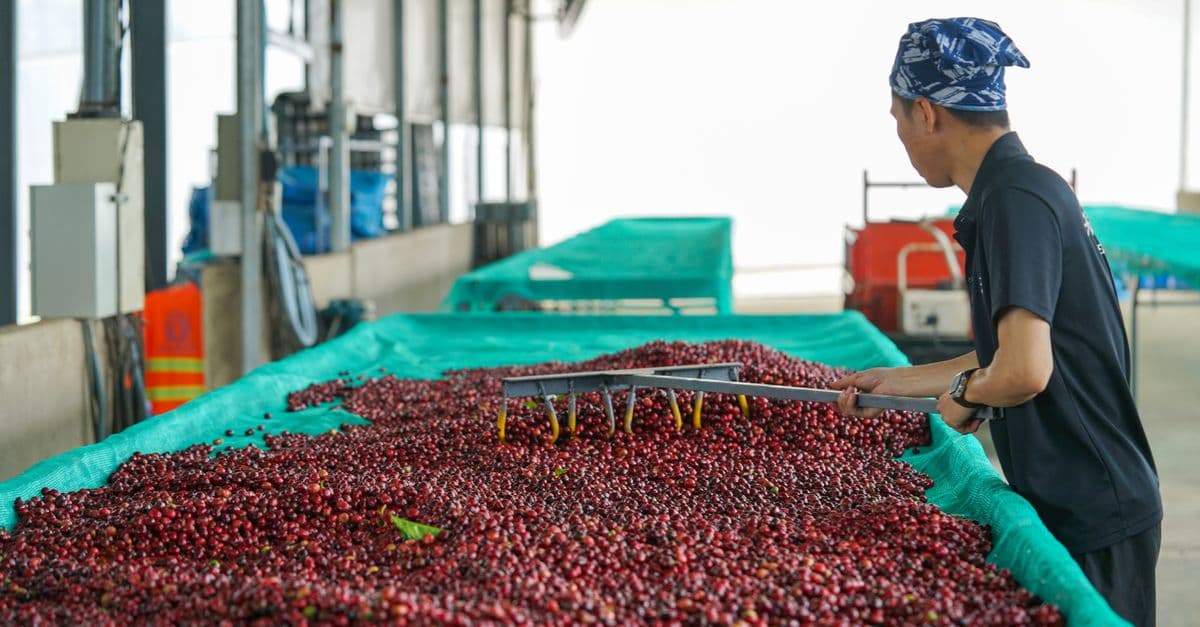
Brazil ships the most coffee by volume and value. Switzerland and Germany rank high because they re-export processed coffee, and Colombia and Ethiopia earn more per tonne than the volume leaders. Here is how the ranking works and who keeps the money.

Countries That Consume the Most Chocolate Per Capita (2025 Ranked)
Switzerland consumes 10.3 kg of chocolate per person per year — the world's highest. Denmark, Austria, and Germany follow. The global chocolate market exceeds $130 billion. Meanwhile, cocoa-growing countries in West Africa — which produce 70% of the world's cocoa — consume almost none. Here's the strange geography of chocolate.
Countries with the Best Street Food Culture (2025 Ranked)
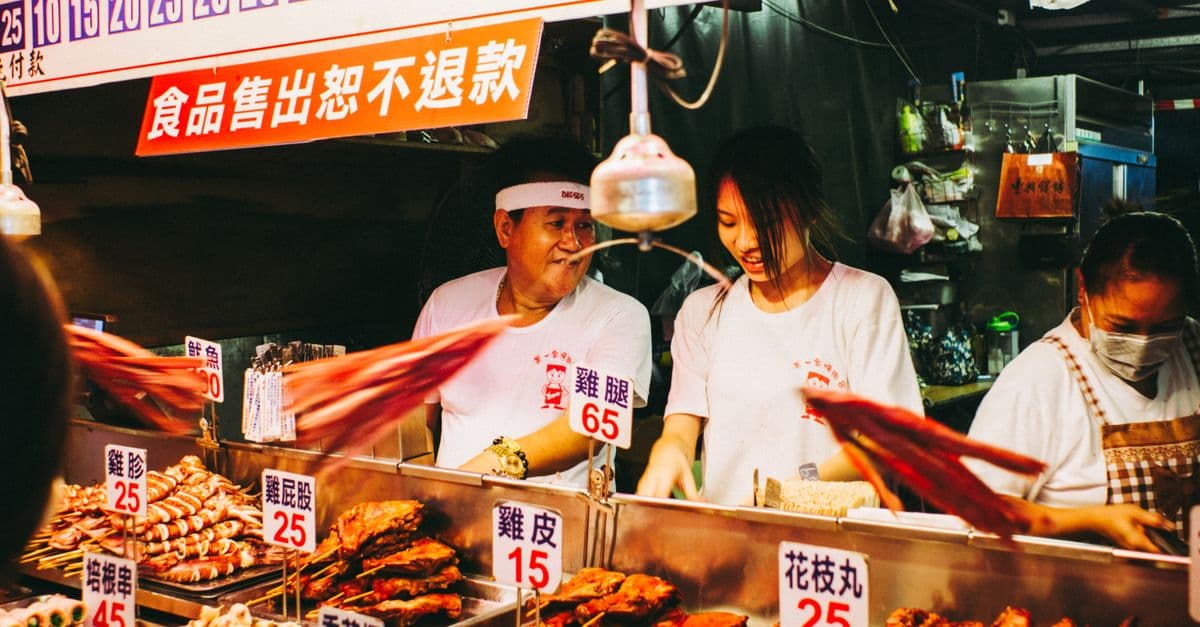
Thailand, Vietnam, and Mexico have the world's most celebrated street food cultures. Singapore's hawker centres received UNESCO recognition in 2020. An estimated 2.5 billion people eat street food daily. Here's the ranking of the world's greatest street food nations — and what makes street food so central to urban life.

Countries with the Most Tea Consumption (2025 Ranked)
China drinks more tea than any country — 3 million tonnes per year. But Turkey has the highest per-capita consumption at 4.6 kg per person. Tea is the world's second most consumed beverage after water. Here's the full global tea ranking, who grows it, who drinks it most, and why.