
Finance & Crypto
Crypto Trading Bots and Machine Learning: Separating Hype from Reality
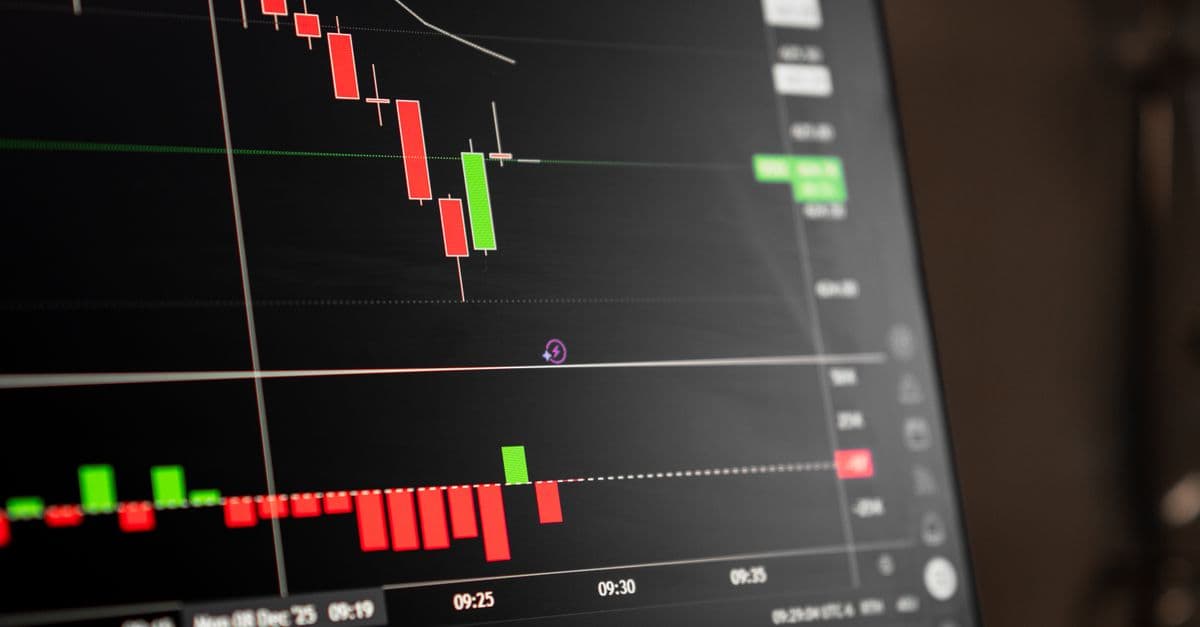
Machine learning crypto bots promise alpha in chaotic markets, but most retail traders lose money. Here's what actually works — and what doesn't.
Finance and crypto news: Bitcoin, Ethereum, stock markets, fintech innovation, and global economic analysis explained.
Machine learning crypto bots promise alpha in chaotic markets, but most retail traders lose money. Here's what actually works — and what doesn't.

Banks use machine learning to rank borrowers and challenge models, yet capital and stress-test models still lean on regression. Here is what regulators allow, fear, and have actually documented.
Two criminals. One interrogation room. A math problem that reveals why rational people often produce irrational outcomes.

High-frequency trading firms compete on delays measured in millionths of a second. Neural networks are the newest tool in that race, and the evidence on what they add is more modest than the legend.

Reinforcement learning agents learn to allocate capital by trial and error — and are increasingly outperforming classical Markowitz optimization in live markets.

AI fraud detection scores each payment in milliseconds, but fraud is rare, criminals adapt, and scams that customers approve themselves slip past transaction models. Here is how the machinery works and where it breaks.
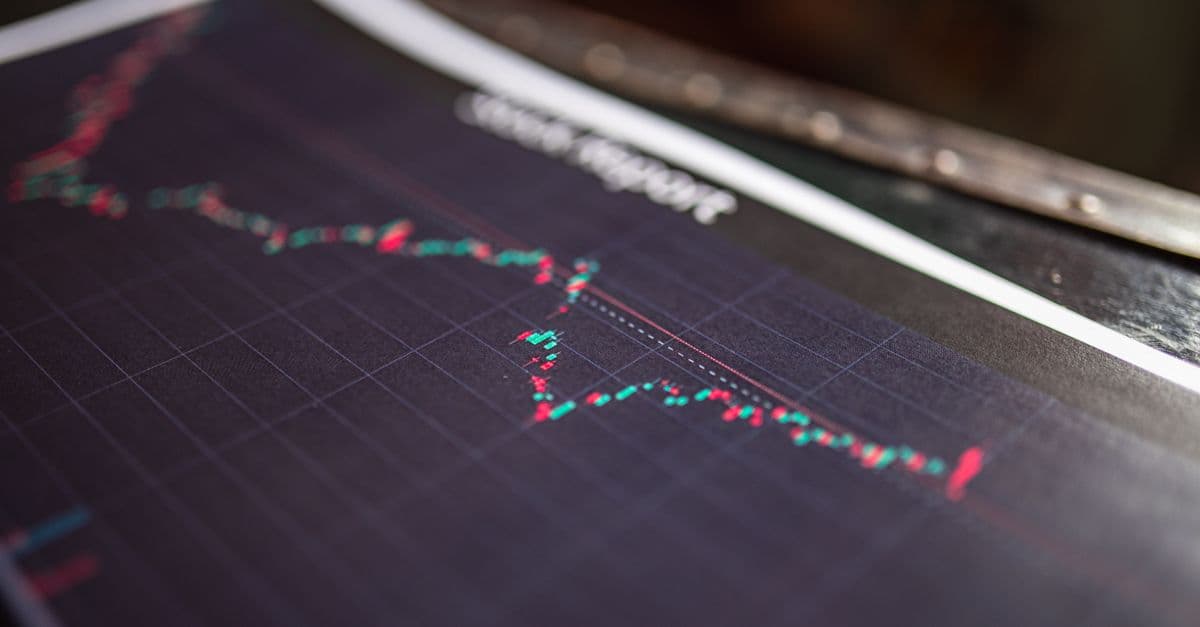
Algorithms now place most orders in US equity markets, and neural networks are one of the tools quantitative firms use to read order books and forecast returns. Here is how the methods work, what the research actually shows, and where the risks lie.
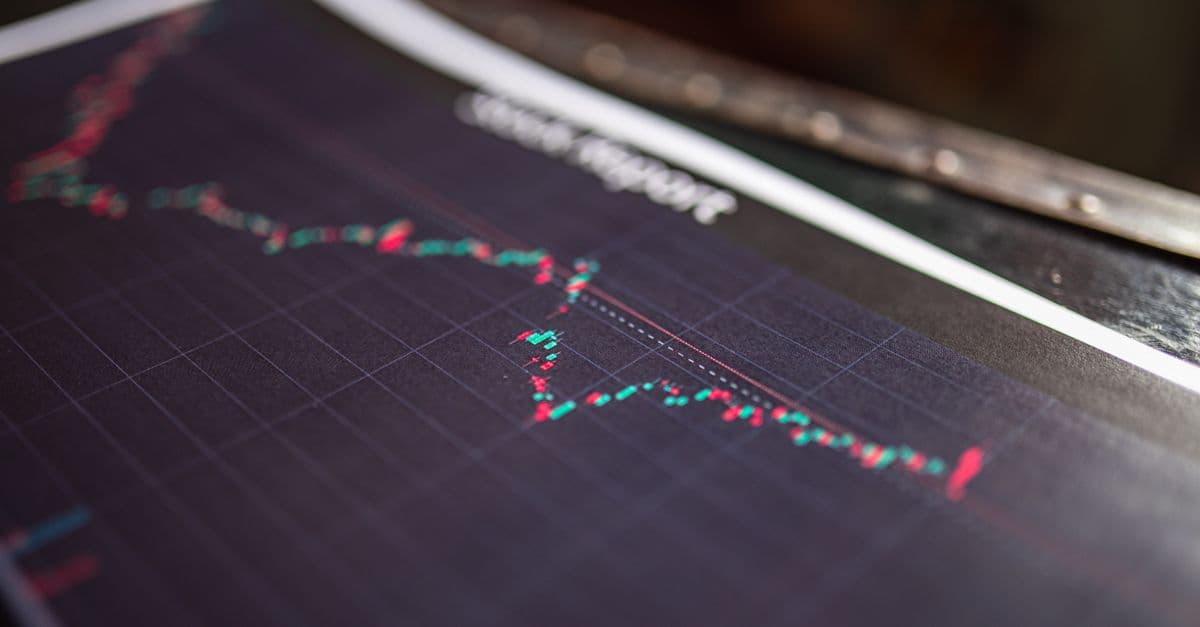
Deep learning models now price options faster and more accurately than classic formulas, reshaping how Wall Street trades trillions in derivatives.

Central banks don't print money the way most people imagine. The reality is far stranger — and more powerful.

ML models outperform FICO scores on default prediction, but raise serious fairness concerns that regulators are scrambling to address.
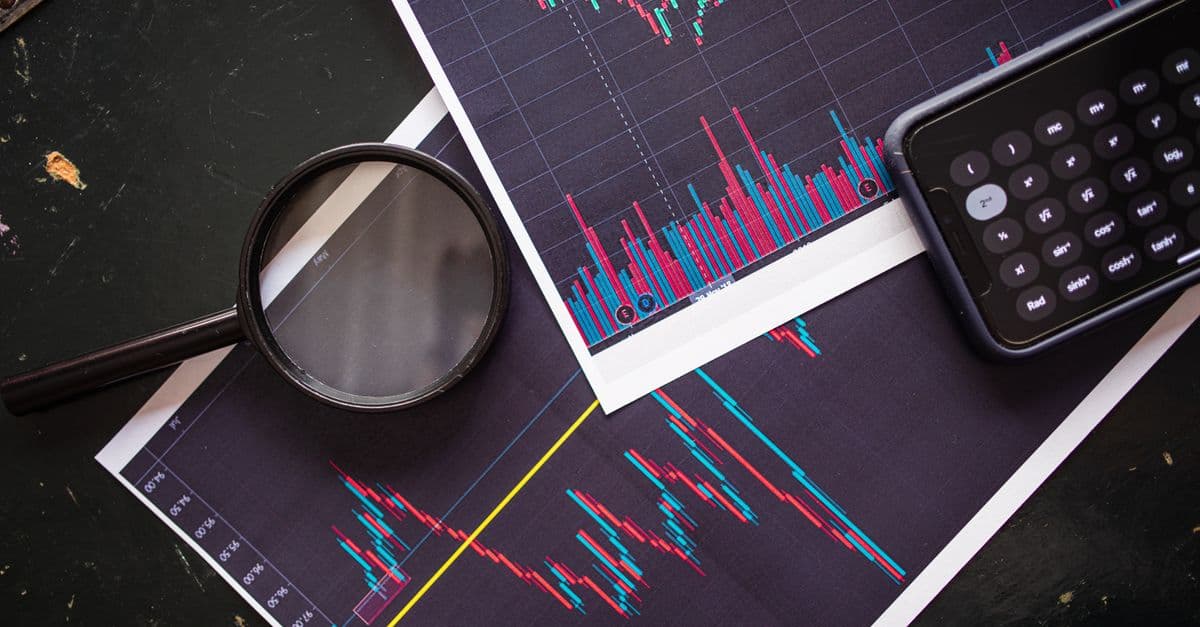
Recessions are not random disasters — they follow patterns. Understanding those patterns explains why they keep happening.
AI-powered robo-advisors now manage over a trillion dollars in the US alone. But can algorithms replace human judgment when markets get chaotic?