Finance & Crypto
How Inflation Works: The Economics Explained
Inflation is not simply prices rising — it's the purchasing power of money quietly eroding. Here's how it actually works.
Finance and crypto news: Bitcoin, Ethereum, stock markets, fintech innovation, and global economic analysis explained.
Inflation is not simply prices rising — it's the purchasing power of money quietly eroding. Here's how it actually works.

Global real estate was worth about $393.3 trillion at the start of 2025, and China and the United States hold nearly half of it. Annual investment is far smaller, near $840 billion. Here is how the rankings work, where the money goes, and what the data cannot tell you.
Income inequality rankings depend on the Gini definition, survey year and whether income is measured before or after taxes and transfers. This guide separates income, wealth, poverty and human-development inequality.
Singapore tops the Heritage Foundation's 2026 Index of Economic Freedom at 84.4, ahead of Switzerland and Ireland. This ranking covers 176 countries, explains how two rival indexes are built, and shows what the scores do and do not predict.
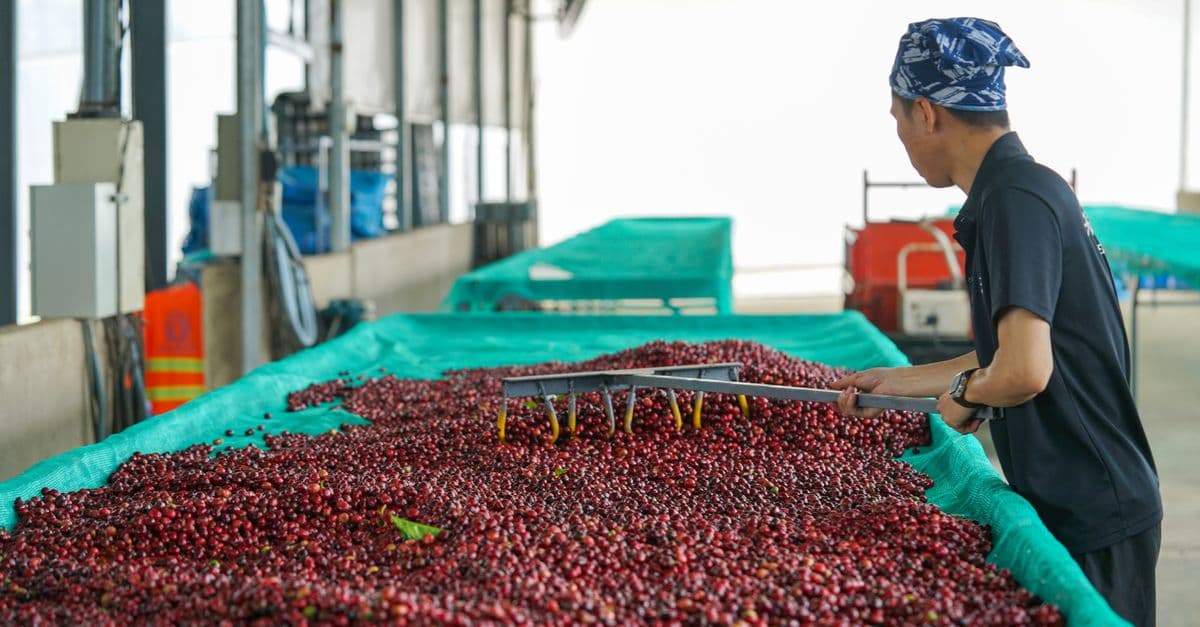
Brazil ships the most coffee by volume and value. Switzerland and Germany rank high because they re-export processed coffee, and Colombia and Ethiopia earn more per tonne than the volume leaders. Here is how the ranking works and who keeps the money.

High household debt is not a complete risk ranking. This guide explains debt-to-income, debt-to-GDP, debt-service ratios, mortgage structure, household balance sheets and why the distribution of borrowing matters.
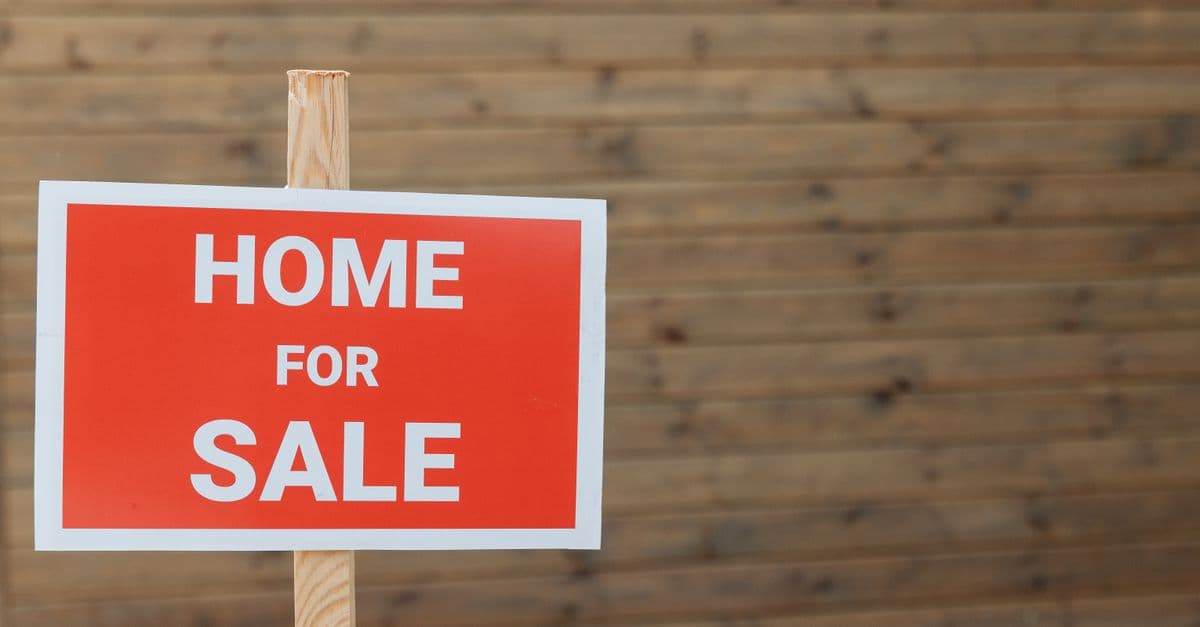
Homeownership rates are not a simple prosperity ranking. OECD and Eurostat data show how outright ownership, mortgages, renting, housing costs and historic policy produce very different housing outcomes.
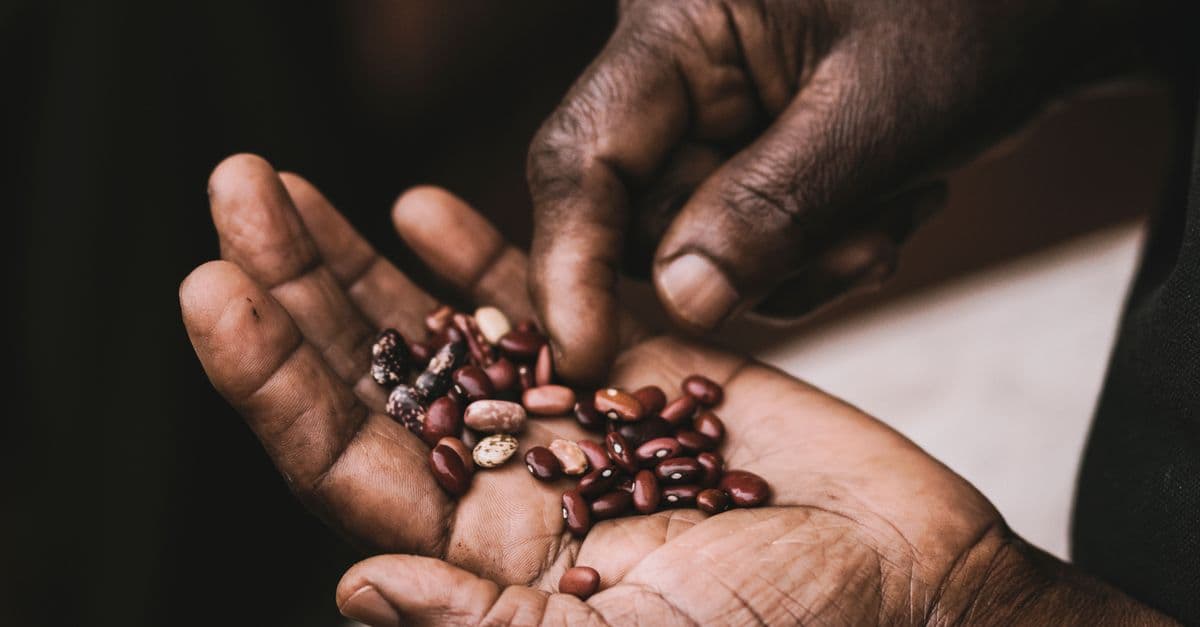
The United States has the most agricultural land at about 421 million hectares, ahead of China and Australia. But India has the most cropland, Kazakhstan has the most arable land per person, and most of the world's farmland is pasture. Here is who has what, and what threatens it.

There is no single universal cost-of-living ranking. This guide separates national price levels, expensive cities, housing affordability, food costs and wages using OECD, Eurostat, World Bank, ILO and EIU data.
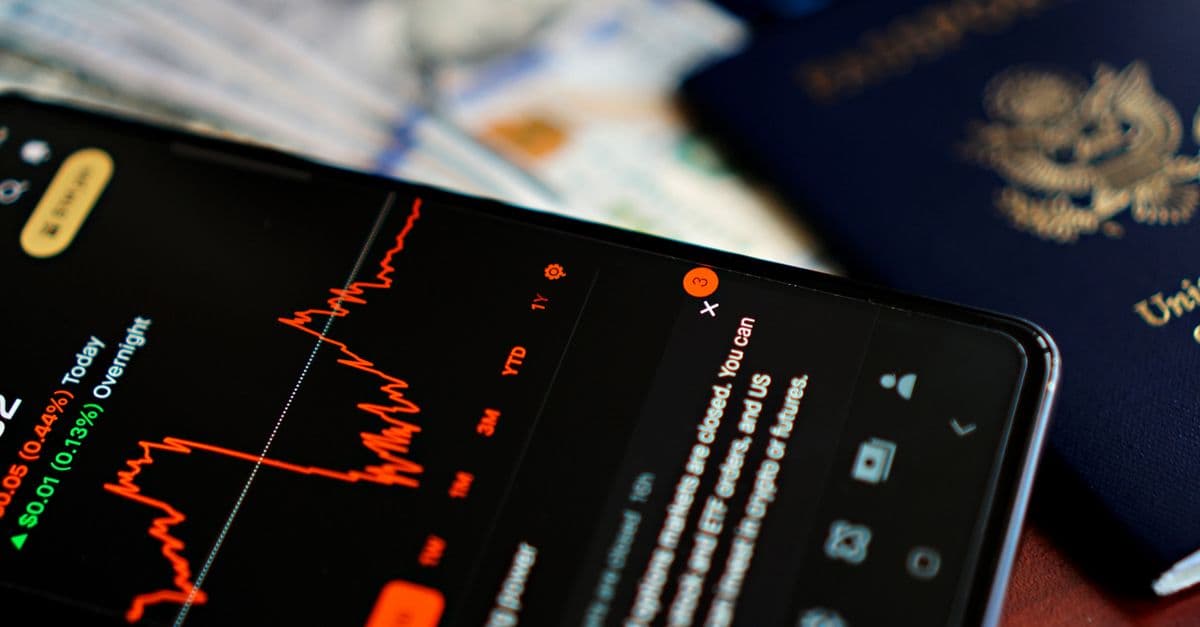
China was the world's biggest spender on international tourism before COVID — $255 billion in 2019. The United States and Germany follow. Recovery from COVID has been uneven: Chinese outbound tourism has lagged pre-pandemic levels while US and European outbound spending has surpassed them. Here's who spends the most travelling abroad.
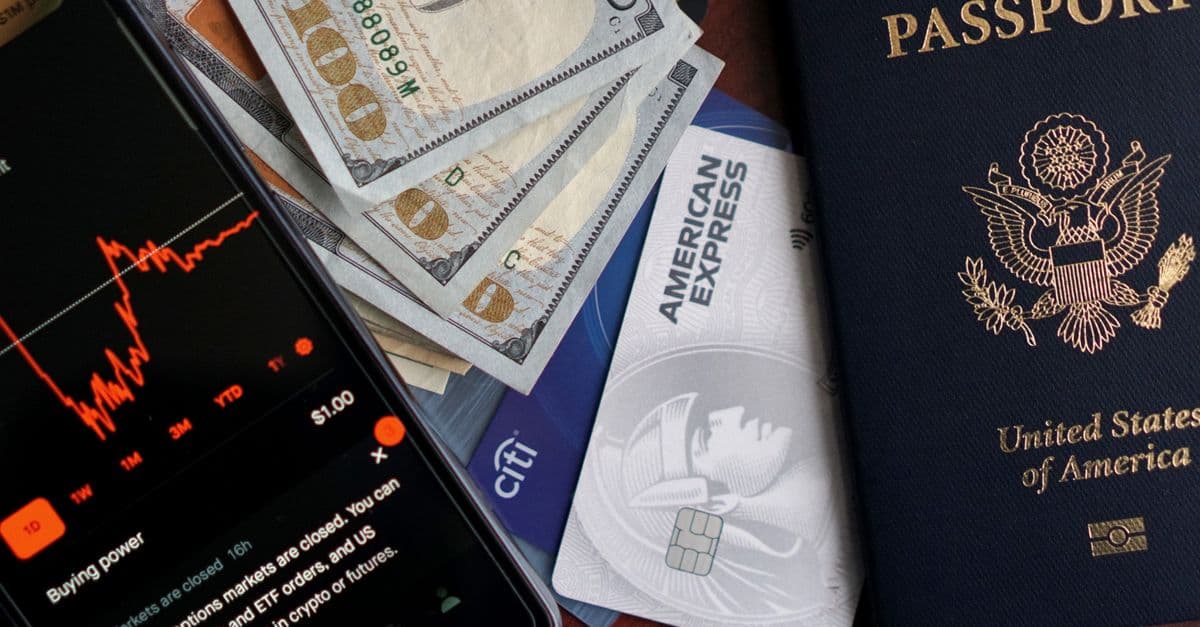
China holds about $3.4 trillion, Japan about $1.2 trillion, and India and Russia each roughly $730 billion. Here is who holds the most foreign exchange reserves, what the numbers include, and why rankings keep moving.
No single public table ranks fintech investment by country cleanly. This piece shows what can be verified for the US, China, India, Kenya, Brazil, and Africa, and explains why the headline rankings disagree.