Science
How Atoms and Molecules Work: The Basics of Chemistry
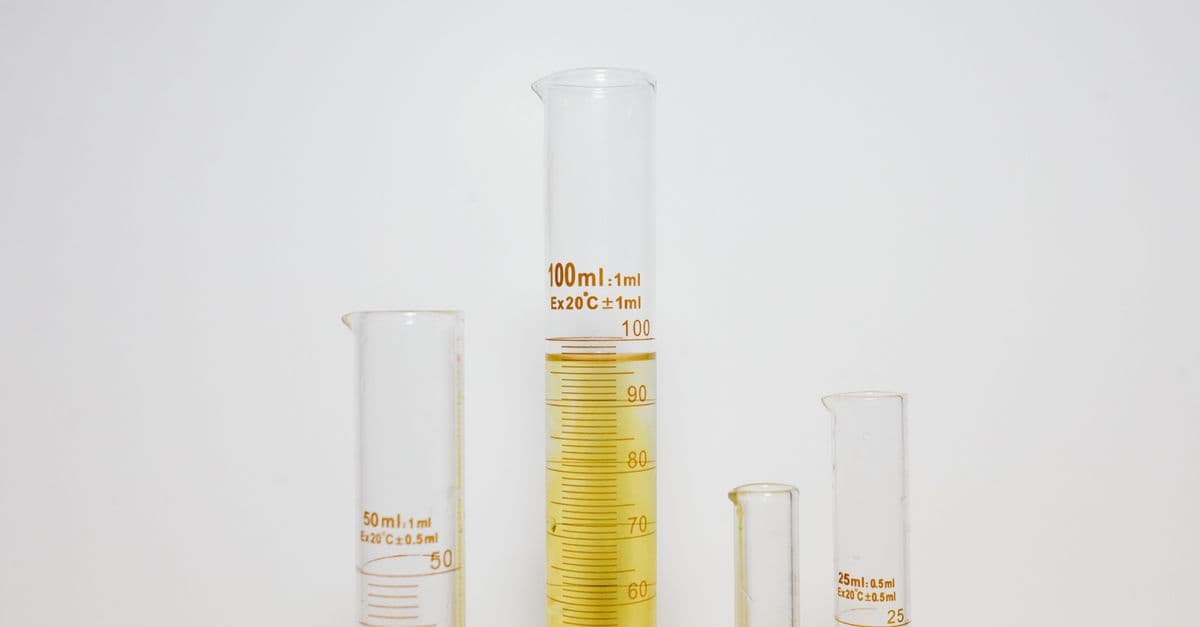
Everything you touch, breathe, and eat is built from atoms. Here is how a handful of particles bond into the molecules and crystals that make up ordinary matter.
Latest science news: breakthrough research in physics, chemistry, and climate science — major scientific discoveries explained for everyone.
Everything you touch, breathe, and eat is built from atoms. Here is how a handful of particles bond into the molecules and crystals that make up ordinary matter.
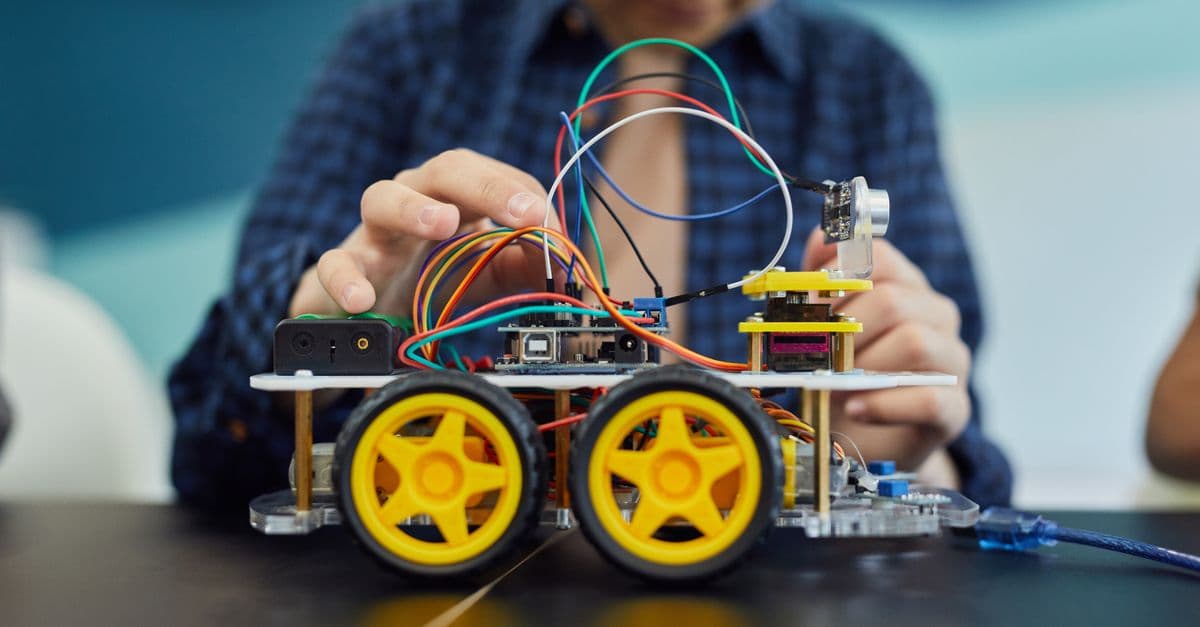
PINNs embed physical equations directly into neural network training, enabling powerful simulations that respect the laws of nature by design.

Classical economics assumed humans make rational decisions. Behavioral science spent 50 years proving that assumption spectacularly wrong.

Hawking wasn't just a symbol of perseverance — he made fundamental discoveries about black holes that physicists are still trying to resolve today.
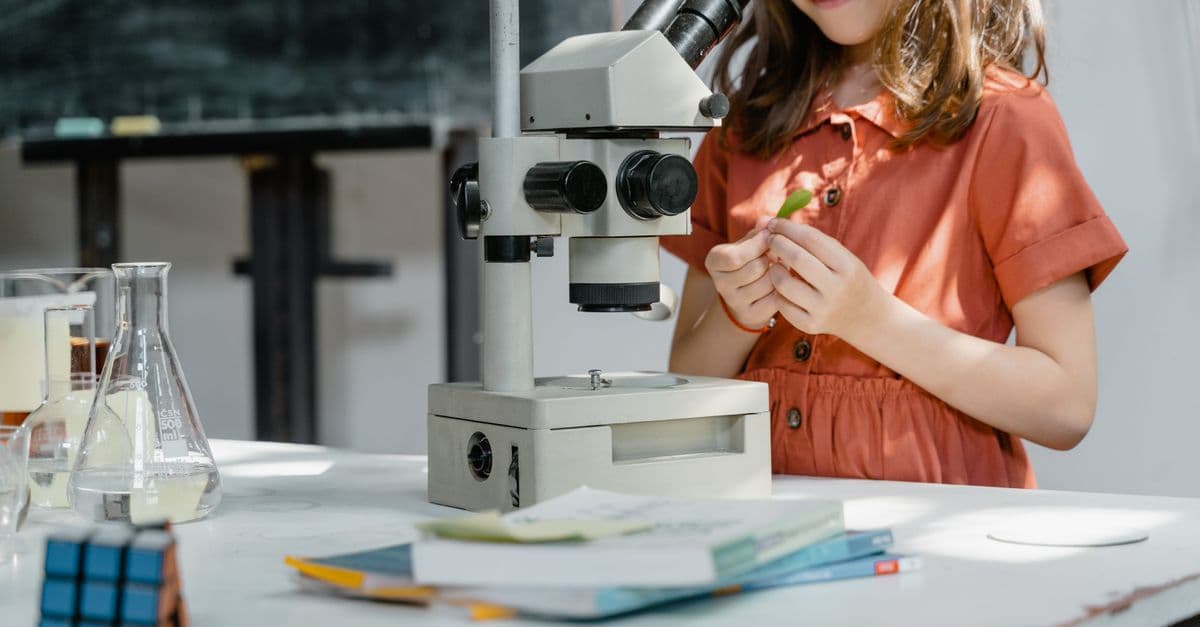
IQ scores predict many real-world outcomes, but they measure a narrow slice of cognitive ability. The science of intelligence is more contested—and fascinating—than most people realize.

Social media platforms lean on variable rewards, cue-triggered dopamine wanting, and social comparison. Here is what the research shows, and where it falls short.
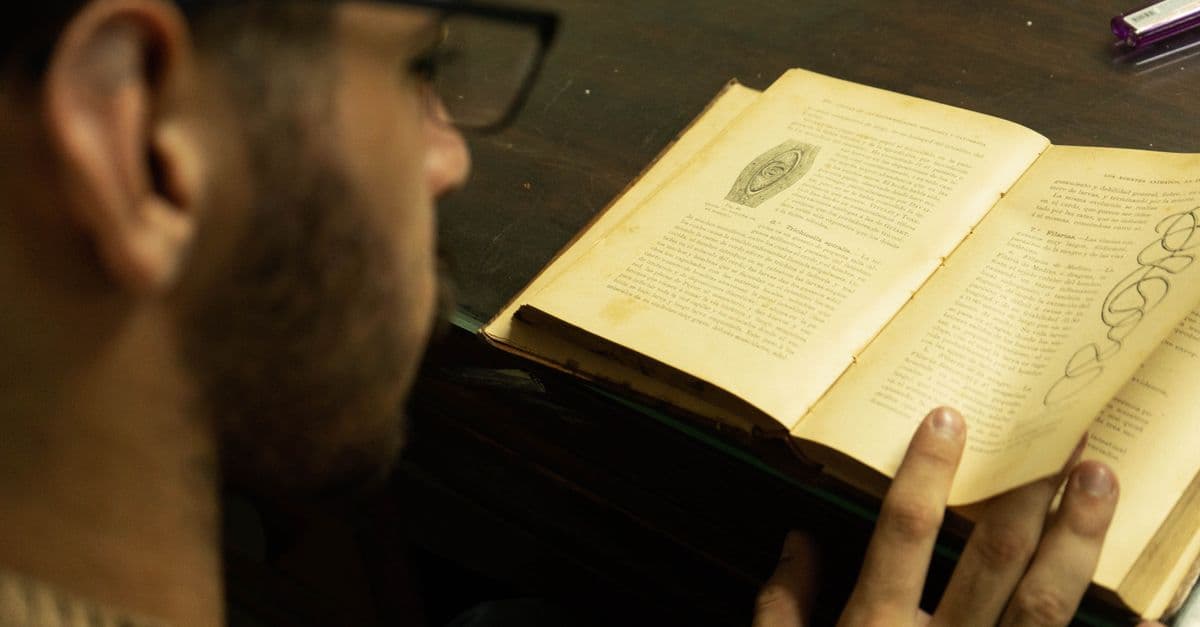
Dalton proposed that all matter consists of indivisible atoms, and that chemical reactions involve atoms rearranging. He transformed chemistry from observational to theoretical science — and was right about almost everything.
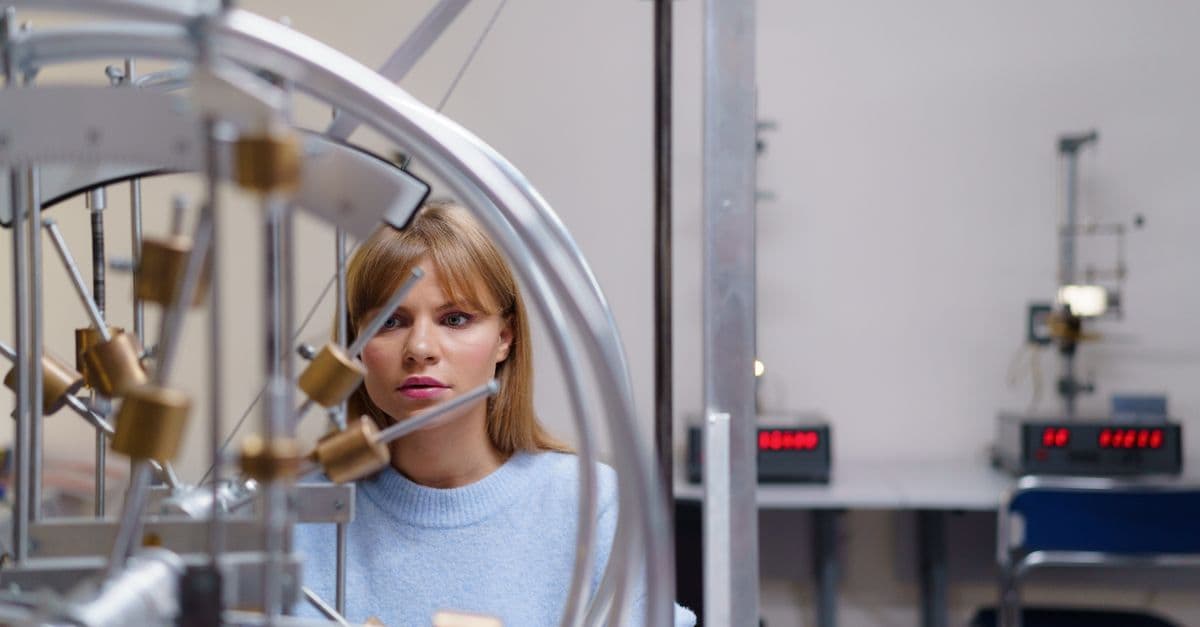
One splits atoms to release energy; the other fuses them together. Both tap the same fundamental force — and both are transforming how we power civilization.

Turbulence is one of physics' hardest unsolved problems. Neural networks are rewriting how we simulate fluids—at a fraction of the cost.

The idea that adult brains are fixed is one of neuroscience's most consequential myths — the reality is far more remarkable and hopeful.

EQ has been hyped as more important than IQ. The actual neuroscience is more precise — and more interesting — than the self-help version suggests.
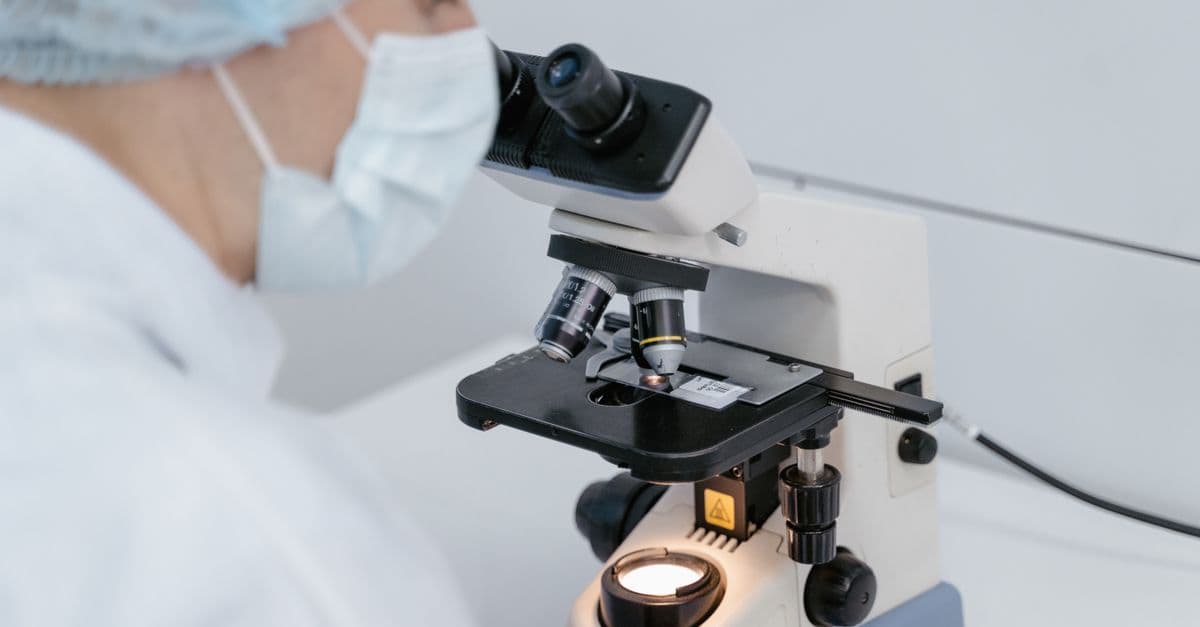
Newton didn't just discover gravity — he invented calculus to describe it. His 18-month plague exile became the most productive retreat in science history.