Science
Nanotechnology: Engineering Materials at the Atomic Scale
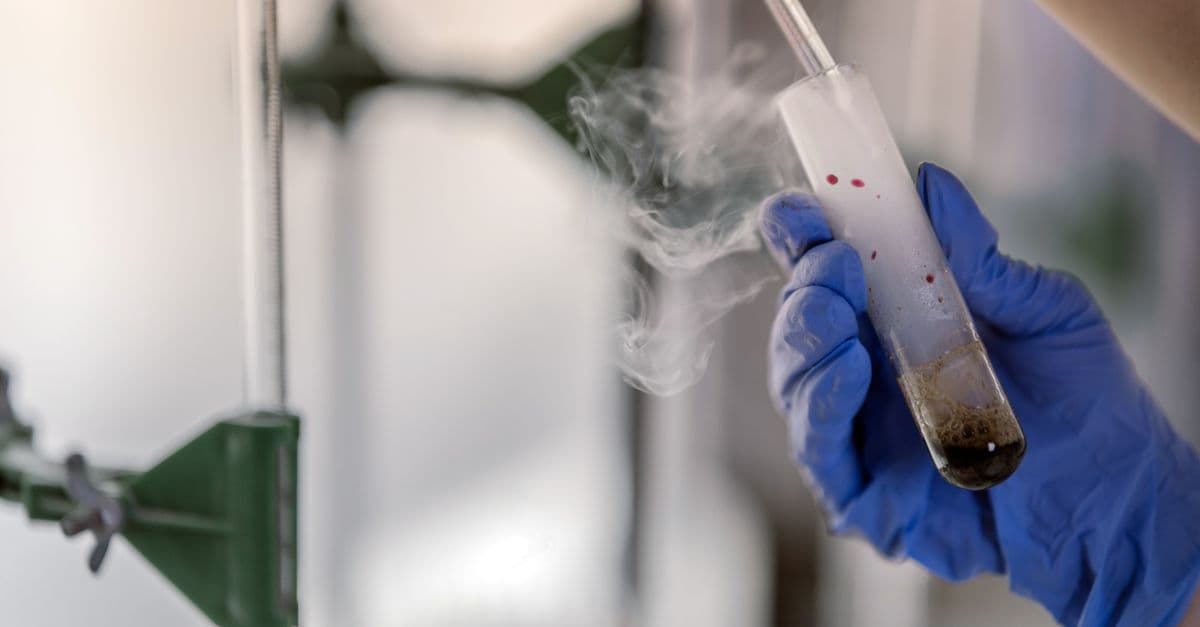
At the nanoscale, materials behave differently from their bulk form — gold turns red, carbon becomes stronger than steel, and quantum effects dominate.
Latest science news: breakthrough research in physics, chemistry, and climate science — major scientific discoveries explained for everyone.
At the nanoscale, materials behave differently from their bulk form — gold turns red, carbon becomes stronger than steel, and quantum effects dominate.
Spicy food isn't a taste. It's pain. And yet millions of people actively seek it out. Here's the chemistry and neuroscience of why.

In January 1610, Galileo saw four stars near Jupiter that moved. Within a week he understood the solar system would never be the same.

Alcohol is the world's most widely used recreational depressant. Here's what it actually does — from your first sip to the morning after.

That golden crust on bread and the sear on a steak come from the same chemistry: hundreds of simultaneous reactions producing a huge range of flavor molecules.

You're not weak-willed. You're running ancient survival software in a world that has figured out exactly how to exploit it.
Caffeine is the world's most widely consumed psychoactive drug — but most people have no idea how it actually works. It doesn't give you energy. It steals it from the future.

Plastics are engineered at the molecular level — long chains of repeating units that give materials their remarkable properties and their persistence problem.
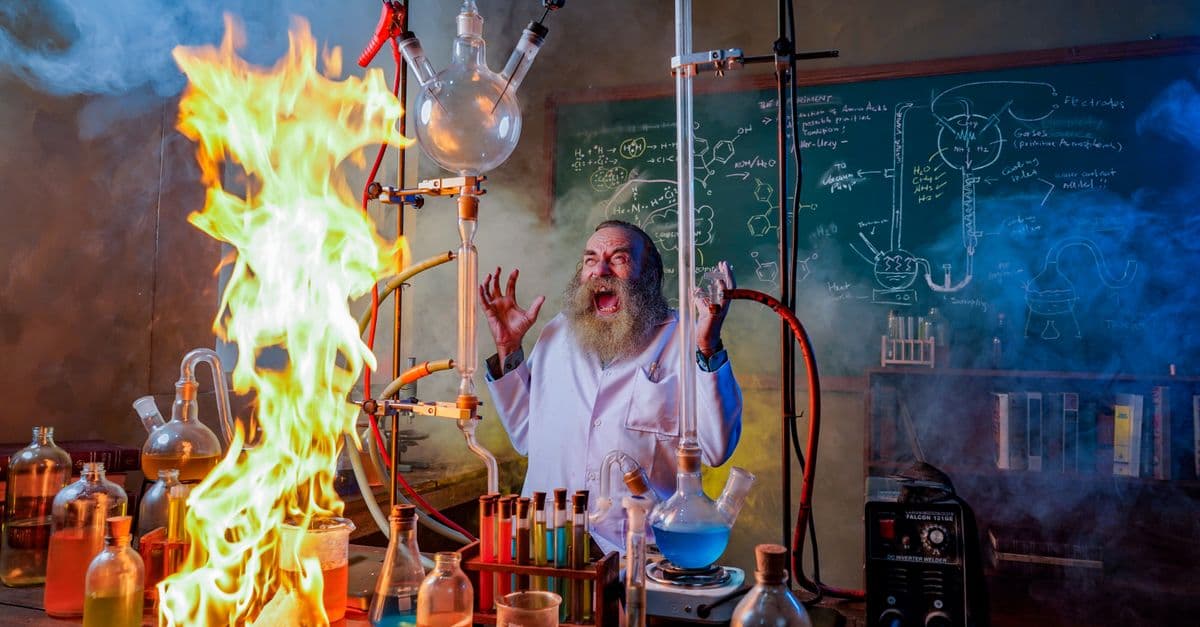
Explosions are chemistry happening at extreme speed — here's the science of rapid oxidation, activation energy, and why some molecules store enormous energy.

The periodic table is the most powerful organizing tool in science, and it predicted elements that had not been discovered yet.

Avogadro proposed that equal volumes of gases contain equal numbers of particles. His insight bridged atomic and molecular theory, enabling modern chemistry's quantification.
A margin note scribbled in the 1630s baffled the world's greatest mathematicians for 358 years. Here's how it was finally cracked.