
Scientists
Maria Goeppert Mayer: The Nuclear Shell Model and 30 Years Without Pay
Maria Goeppert Mayer built the nuclear shell model that explains why certain atoms are extraordinarily stable, then waited decades for a paid academic position.
Biographies of the world's most famous scientists: little-known habits, quirks, personal stories, and the discoveries that changed history.
Maria Goeppert Mayer built the nuclear shell model that explains why certain atoms are extraordinarily stable, then waited decades for a paid academic position.
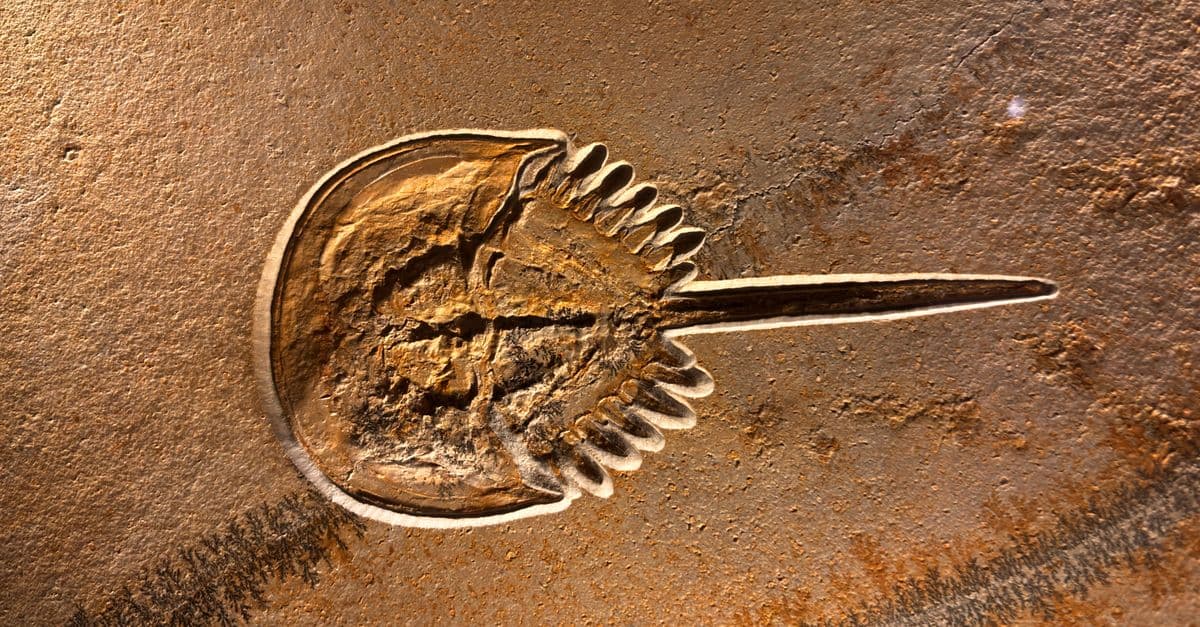
Mary Anning discovered the first ichthyosaur, plesiosaur, and British pterosaur from the cliffs of Lyme Regis. Barred from science's institutions, she built the field anyway.
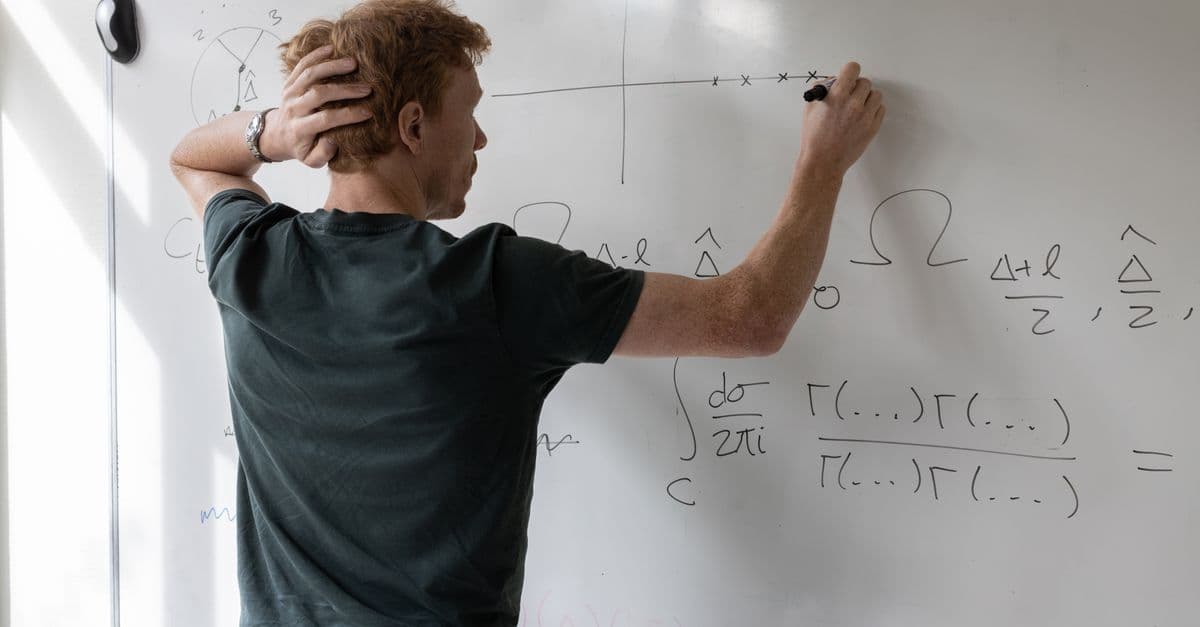
Mary Cartwright discovered chaotic behavior in differential equations in the 1940s, decades before chaos theory existed, while doing classified wartime radar work.
Max Planck's 1900 quantum hypothesis solved the blackbody radiation puzzle and launched quantum physics. Learn his science, tragedies, and lasting legacy.

Michael Faraday taught himself science while binding books and went on to discover electromagnetic induction. The story of the greatest self-taught scientist in history.

Niels Henrik Abel proved the quintic equation cannot be solved by radicals at age 21, then died in poverty at 26. His work transformed algebra and analysis.

Paul Dirac's 1928 equation predicted antimatter and unified quantum mechanics with relativity. Explore his physics, legendary silence, and remarkable life.

Satyendra Nath Bose invented a new statistics for quantum particles in 1924, corresponded directly with Einstein, and never won a Nobel Prize. Here is his full story.
Stanislaw Ulam conceived the Monte Carlo method, co-created the Teller-Ulam H-bomb design, and survived brain surgery in 1946. His life, work, and legacy, sourced.

Tim Berners-Lee invented the World Wide Web at CERN in 1989, released it free to the world in 1993, and has spent 30 years fighting to keep it open and equitable.
Vladimir Vernadsky founded biogeochemistry and defined the biosphere and noosphere. This Russian polymath shaped environmental science a century before it was mainstream.
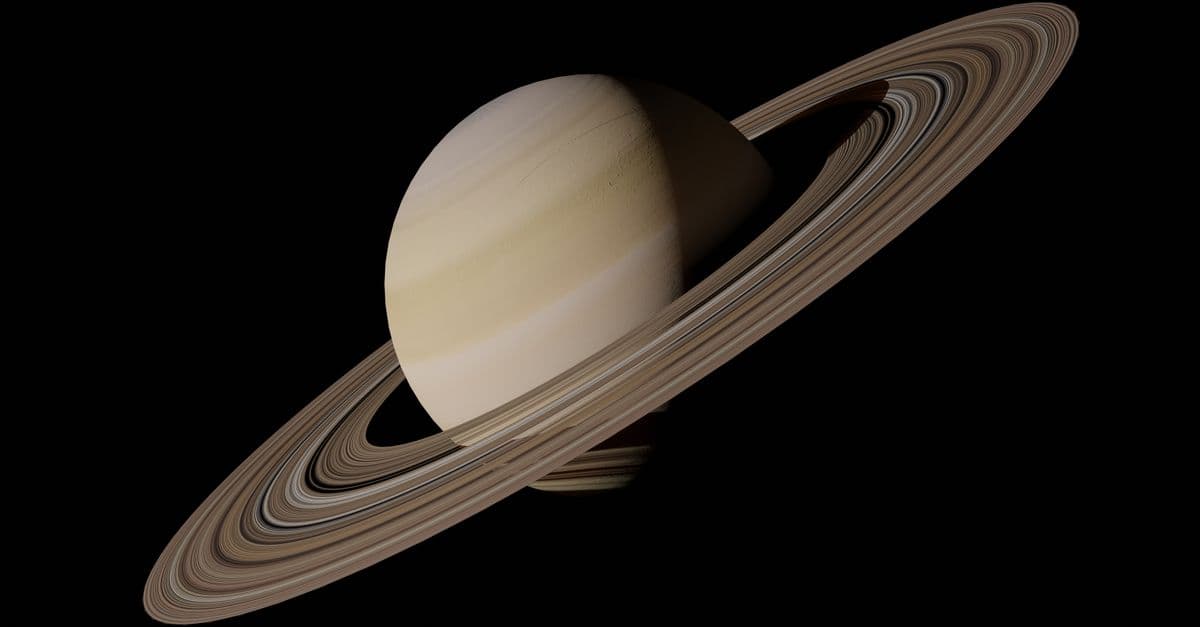
William Herschel discovered Uranus in 1781, found infrared radiation in 1800, built the world's largest telescope, and only became an astronomer after a career as an oboist.