Space
Kepler's Three Laws: Why Planets Speed Up Near the Sun
Kepler's three laws explained with NASA data: why orbits are ellipses, why planets speed up near the Sun, and how P² = a³ weighs planets and finds exoplanets.
Space exploration news: NASA missions, SpaceX launches, Mars rovers, black holes, exoplanets, and astronomy discoveries explained.
Kepler's three laws explained with NASA data: why orbits are ellipses, why planets speed up near the Sun, and how P² = a³ weighs planets and finds exoplanets.
Mercury has an oversized iron core, ice at its poles, and a day longer than its year. What MESSENGER found and what BepiColombo is due to do in November 2026.
The Van Allen belts are zones where Earth's magnetic field traps radiation. How Explorer 1 found them, how they work, and how Apollo and Artemis crossed them.
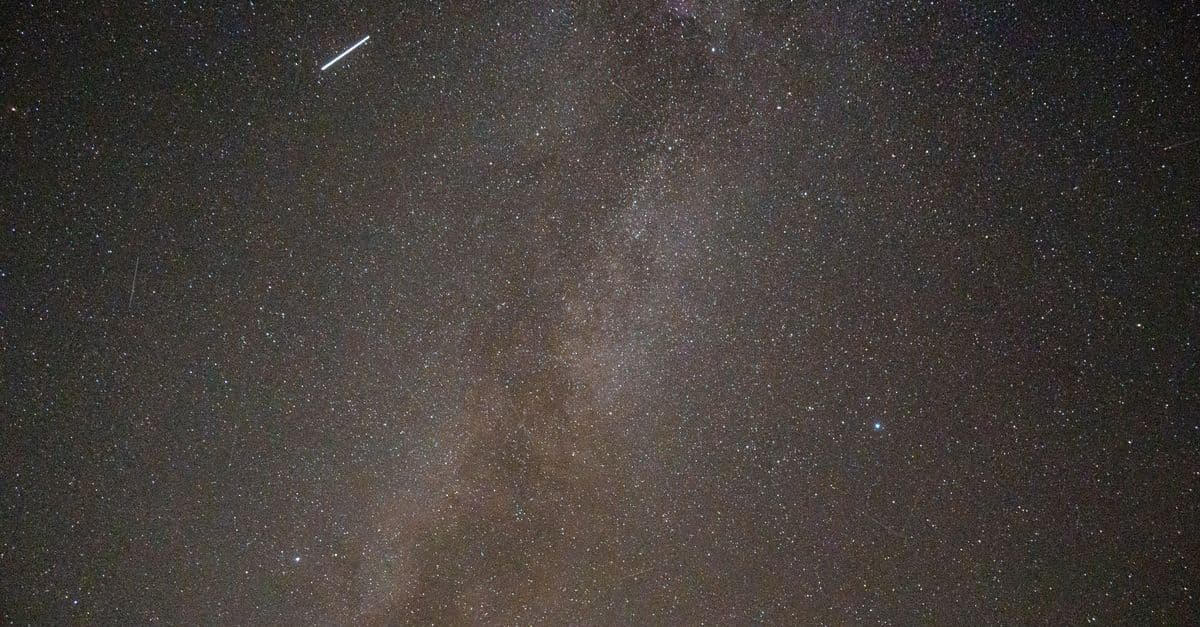
The night sky is dark because the universe has a finite age, not because stars are few. How Olbers' paradox works, who solved it, and what it reveals.
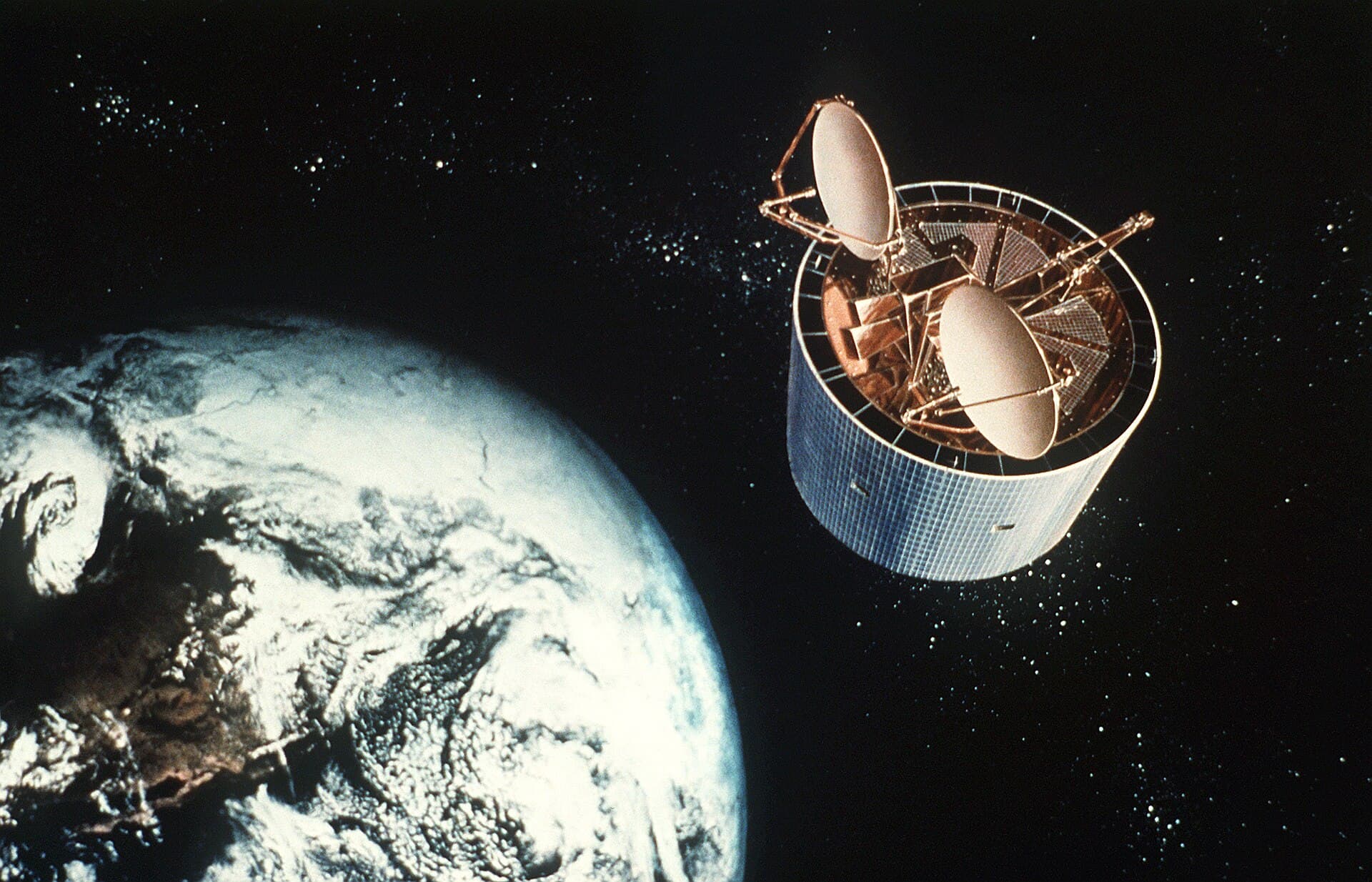
Satellite-to-phone service explained: how direct-to-device links work, from LEO orbits and 3GPP NTN standards to link budgets, spectrum, capacity and limits.
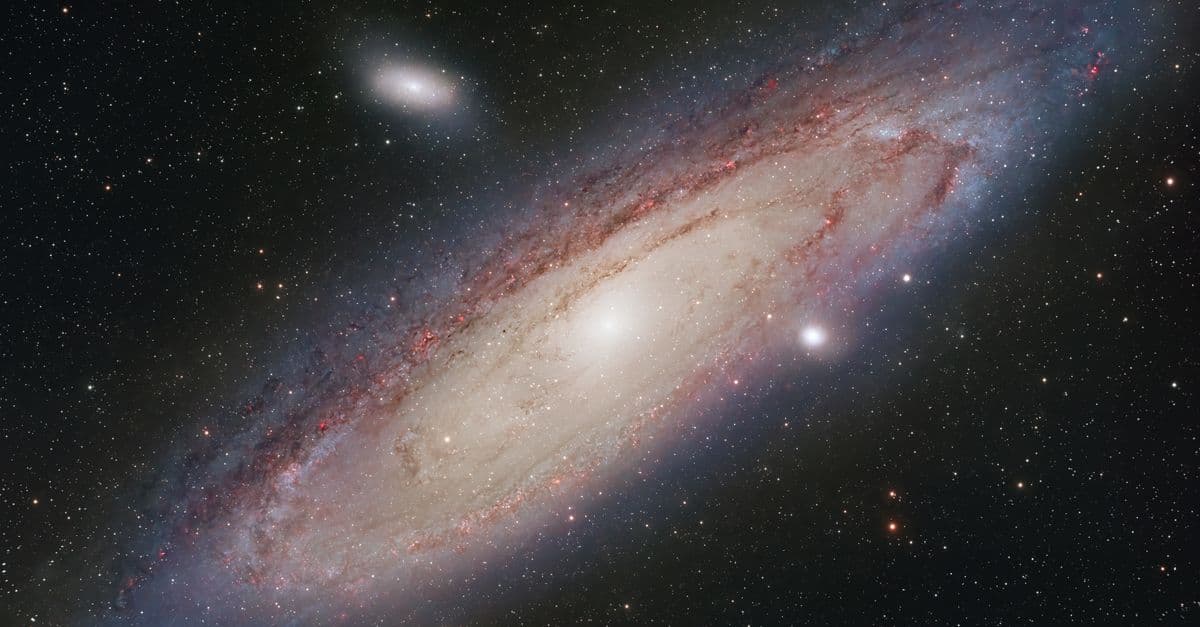
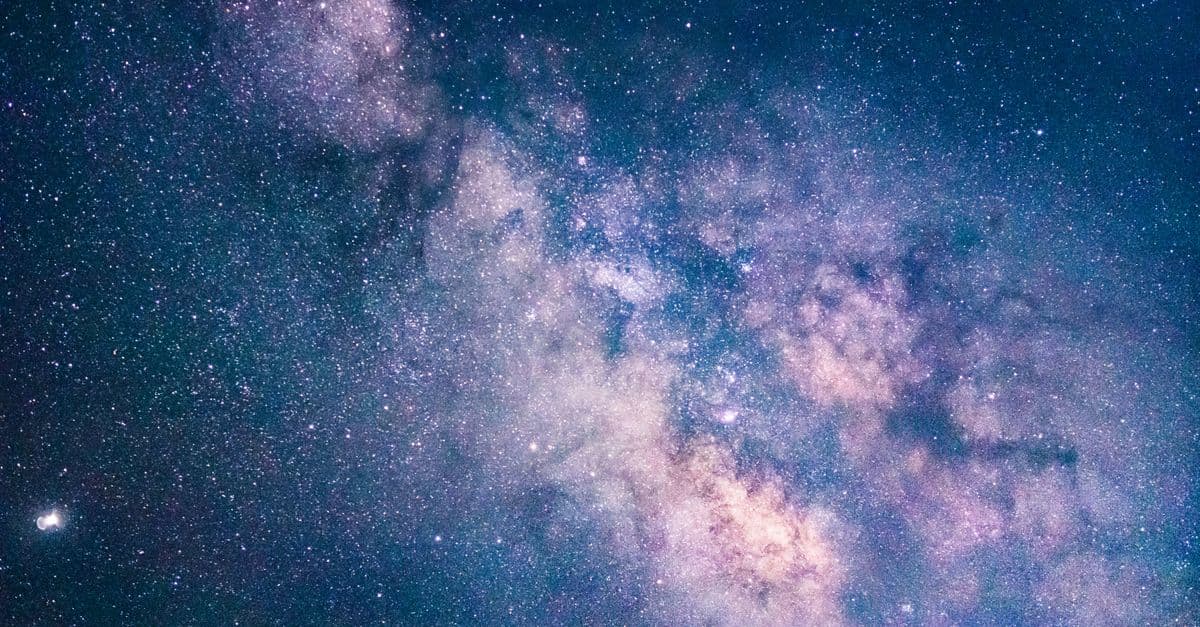
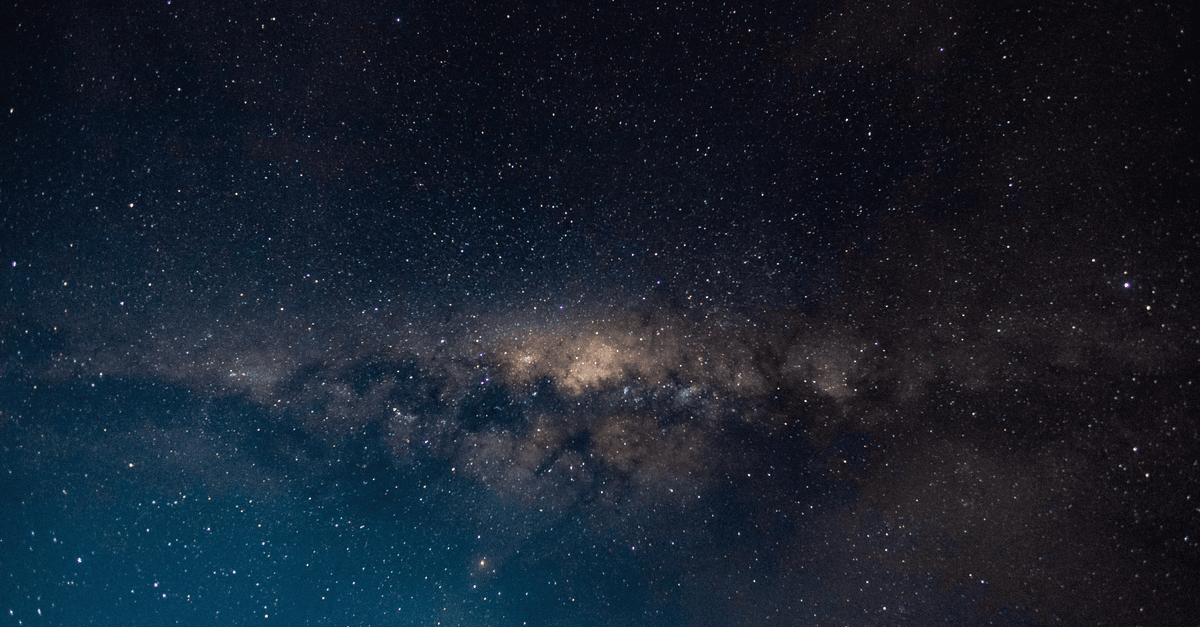
How spacecraft survive extreme temperature swings: coatings, multi-layer insulation, radiators, heaters, and coolant loops, from the ISS to the Webb telescope.