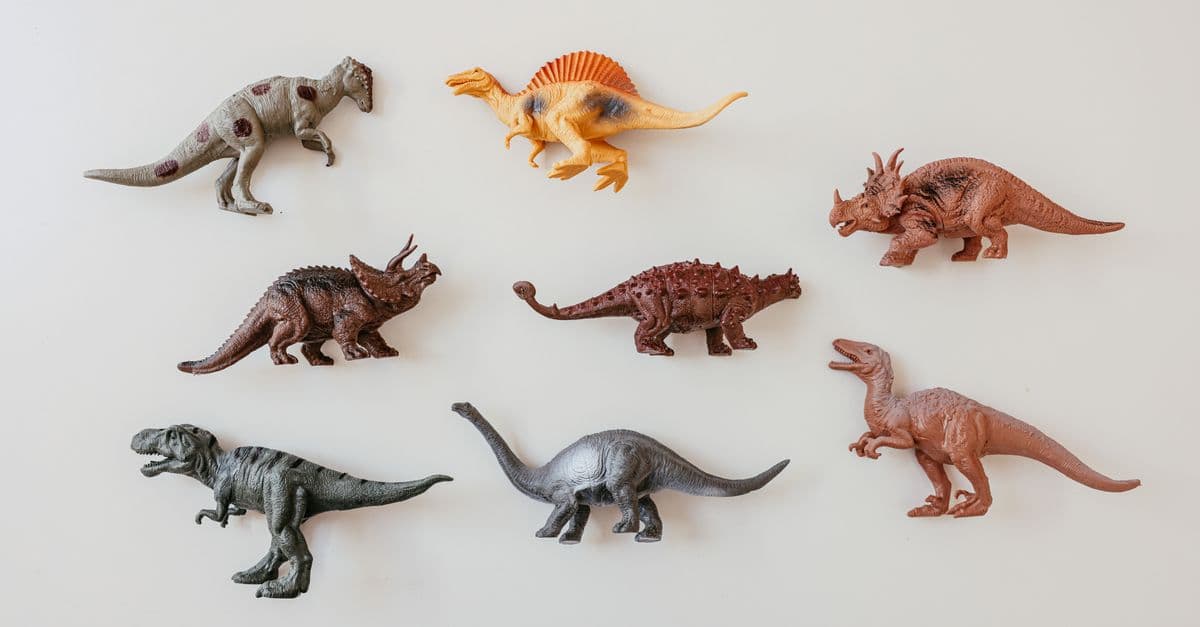
Dinosaurs
Did Dinosaurs Roar?
Dinosaur sounds are hard to reconstruct, but fossils, living relatives, and anatomy suggest they may have boomed, hissed, rumbled, or cooed.
5 articles tagged with #birds
Dinosaur sounds are hard to reconstruct, but fossils, living relatives, and anatomy suggest they may have boomed, hissed, rumbled, or cooed.
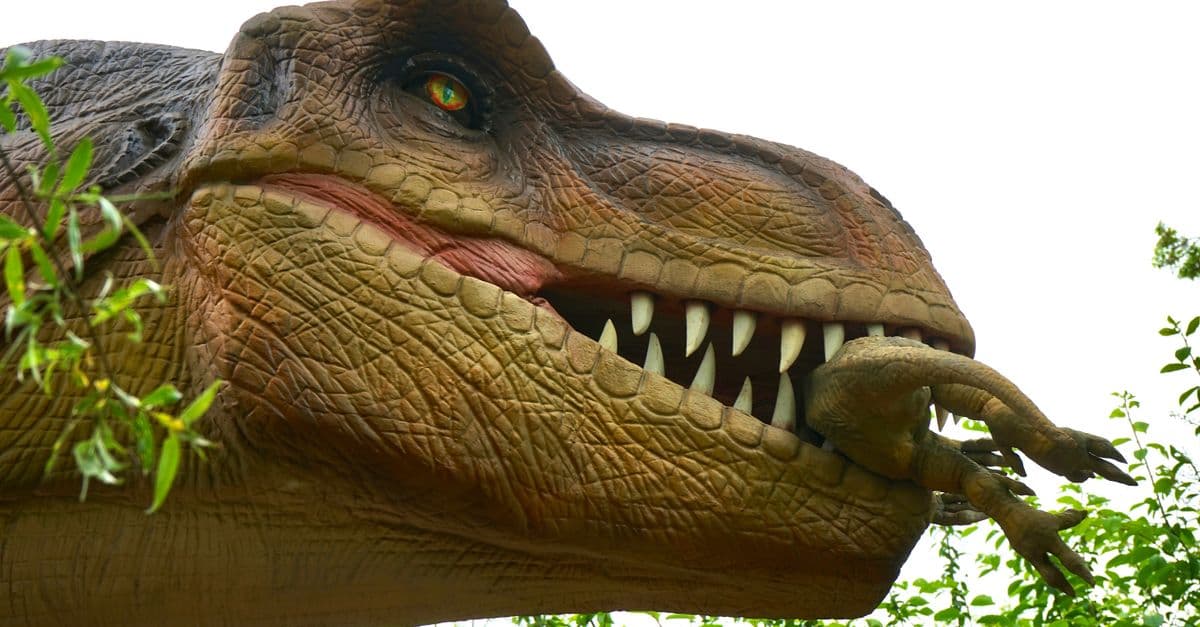
Birds are not the descendants of dinosaurs. Birds are dinosaurs — a lineage of small feathered theropods that survived the end-Cretaceous extinction and now numbers approximately 10,000 living species. The transition from ground-running theropod to flying bird is documented in extraordinary fossil detail, and nearly every defining feature of modern birds turns out to have a dinosaurian precursor.
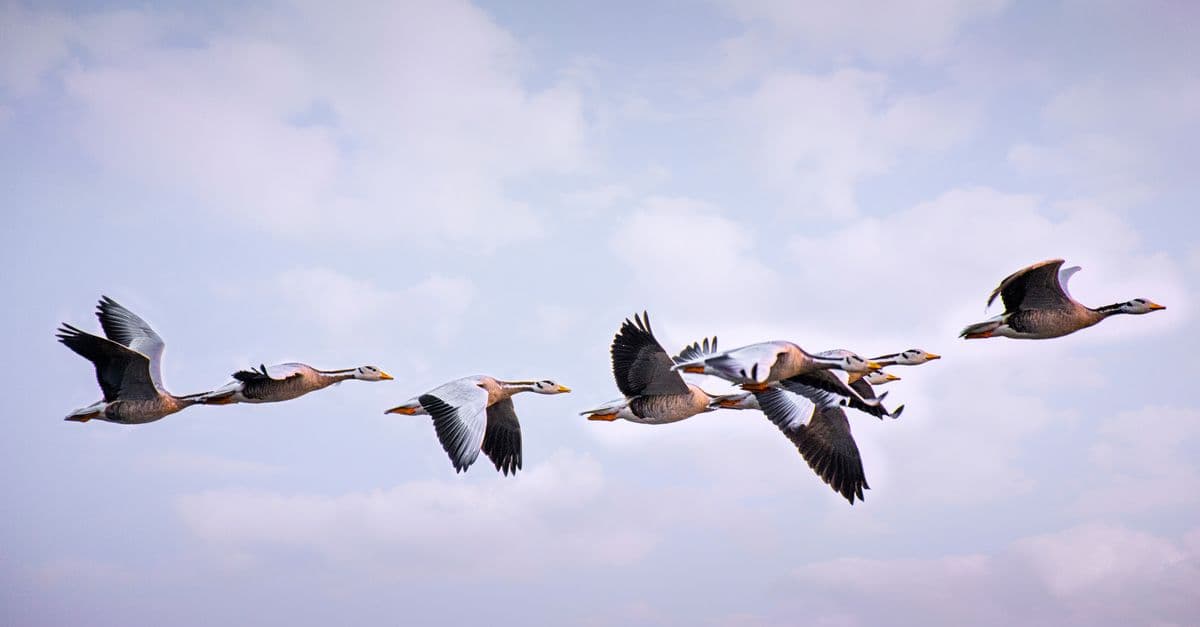
An Arctic tern chick hatches in Greenland, fledges, and within weeks makes its first 70,000 km round-trip migration to Antarctica — a journey it has never made before, with no experienced adult to follow. By the end of its 30-year life, it will have flown the equivalent of three trips to the Moon and back. The mechanisms behind this feat involve quantum physics, internal clocks, and a navigation system more sophisticated than anything human engineers have yet replicated.
Sixty-six million years ago, a rock roughly 12 kilometers wide hit the Yucatán Peninsula at 20 kilometers per second, releasing energy equivalent to roughly one billion Hiroshima bombs. Within hours, wildfires swept continents. Within months, the sky went dark. Within a few thousand years, three-quarters of all species on Earth were gone — including every non-avian dinosaur.
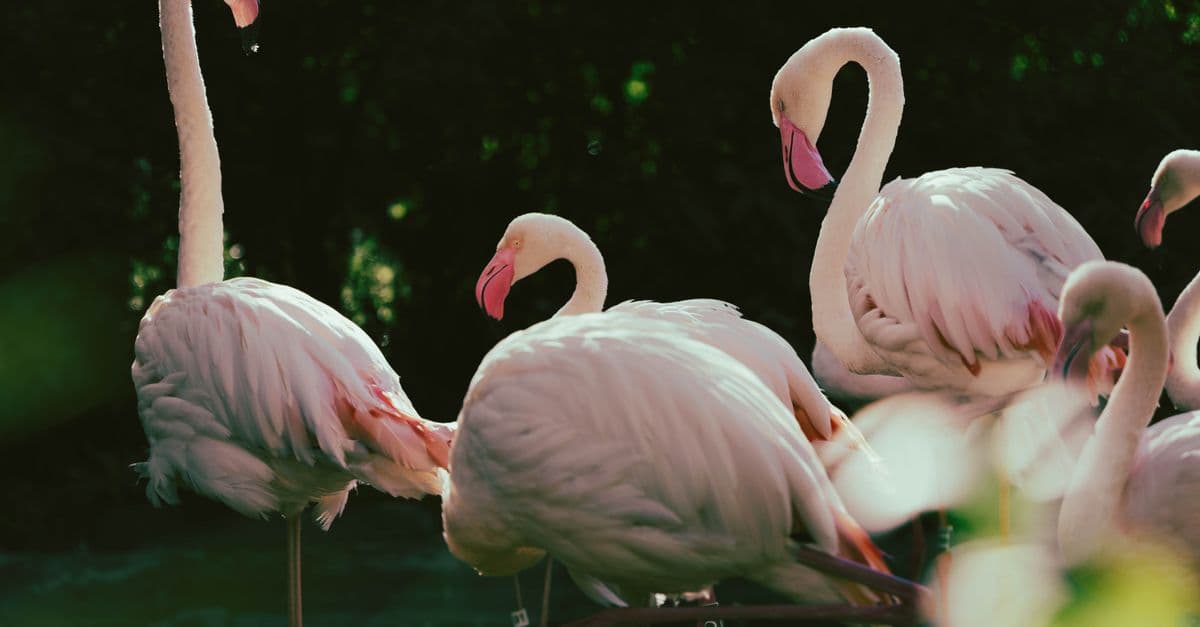
Flamingos stand on one leg because it's literally easier than two. The biomechanics, thermoregulation, and evolution behind the pink pose.