Biology & Health
The Default Mode Network — Brain at Rest
The Default Mode Network activates when you're not focused on the world. What it is, what it does, and why depression, Alzheimer's, and psychedelics all touch it.
43 articles tagged with #brain
The Default Mode Network activates when you're not focused on the world. What it is, what it does, and why depression, Alzheimer's, and psychedelics all touch it.

Neurons, action potentials, brain regions, plasticity, and the science behind consciousness — a clear neuroscience primer.
Dopamine isn't the pleasure molecule — it's the reward prediction signal. Pathways, receptors, Parkinson's, addiction, and the detox myth.

Autism spectrum disorder neuroscience explained: DSM-5 criteria, genetics, brain connectivity, sensory processing, and what research says about vaccines.
ADHD is a neurodevelopmental disorder rooted in brain biology—not a lack of willpower. Explore the dopamine deficit model, brain imaging findings, genetics.
How psilocybin acts on the brain: 5-HT2A receptors, the default mode network, plasticity, and what clinical trials in depression, PTSD, and addiction show.

Depression is more than low serotonin. A look at the brain biology behind it: the serotonin debate, stress hormones, inflammation, neuroplasticity and new treatments.
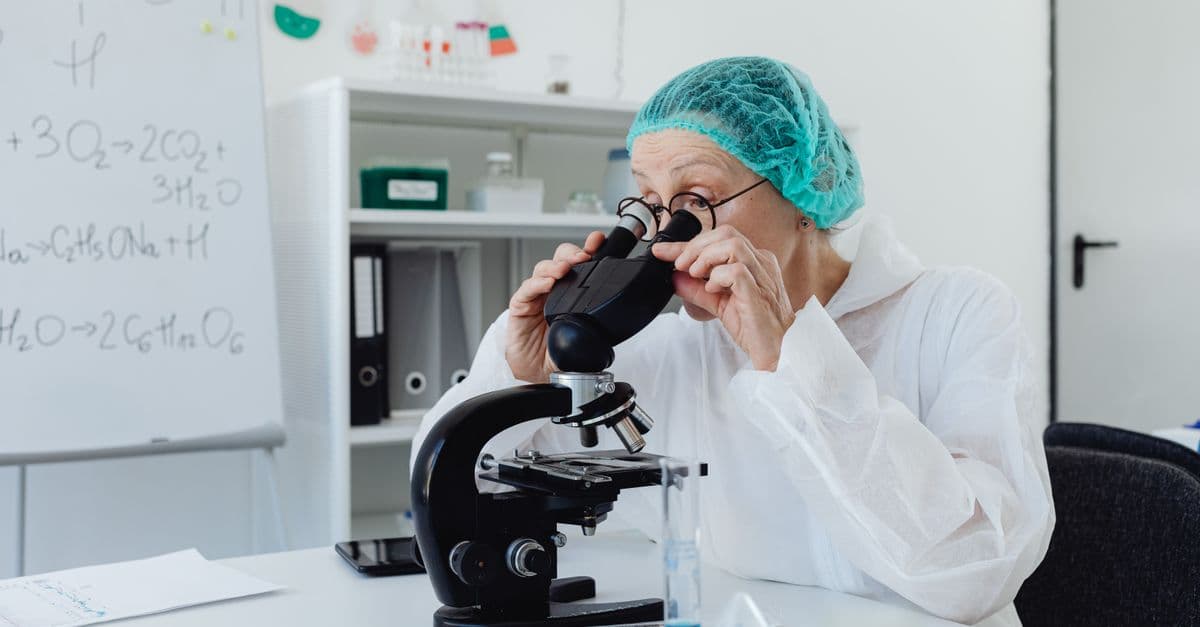
How amyloid plaques, tau tangles, and neuronal death drive Alzheimer's—plus new blood tests, FDA-approved drugs, and prevention evidence.
How the brain encodes, stores, and retrieves memories: the hippocampus, long-term potentiation, sleep consolidation, forgetting, and why false memories feel real.
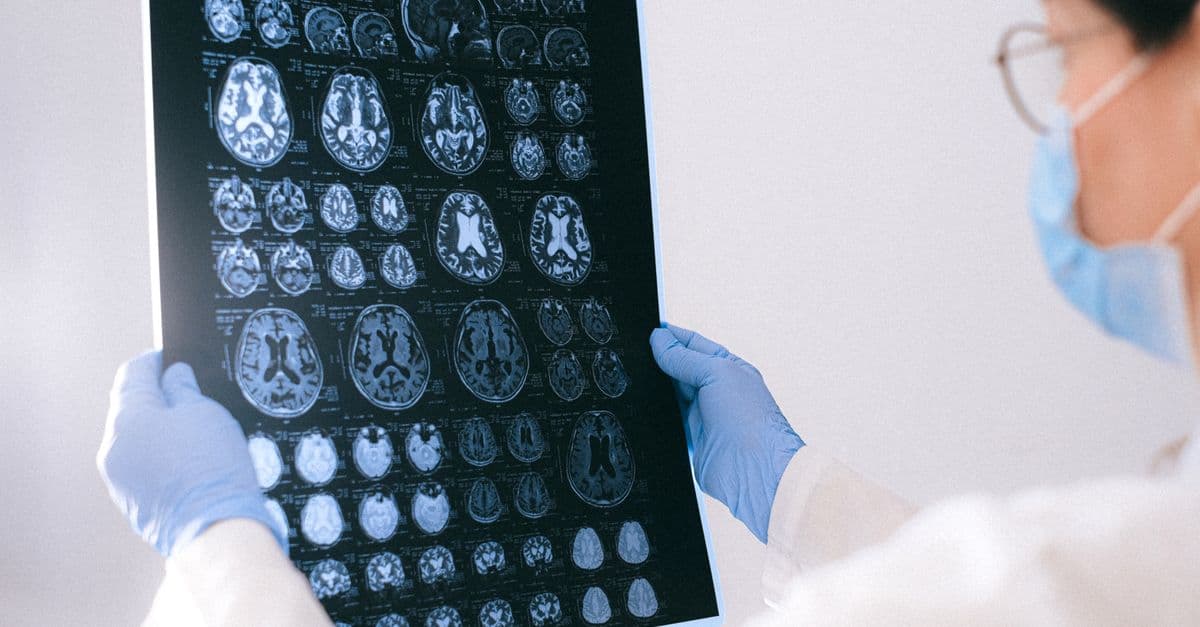
Why does subjective experience exist at all? Explore the hard problem of consciousness, leading scientific theories, and what they tell us about minds and.
Dopamine is called the 'pleasure chemical' — but that's not quite right. It's actually about anticipation, prediction errors, and the drive to seek. Here's the real neuroscience.
Your brain peaks at different ages for different skills, and some abilities actually improve with age. The neuroscience of brain aging is far more nuanced than the simple story of decline.