Skip to content
ISSUE 10.29.26/24 CATEGORIES

brain

43 articles tagged with #brain

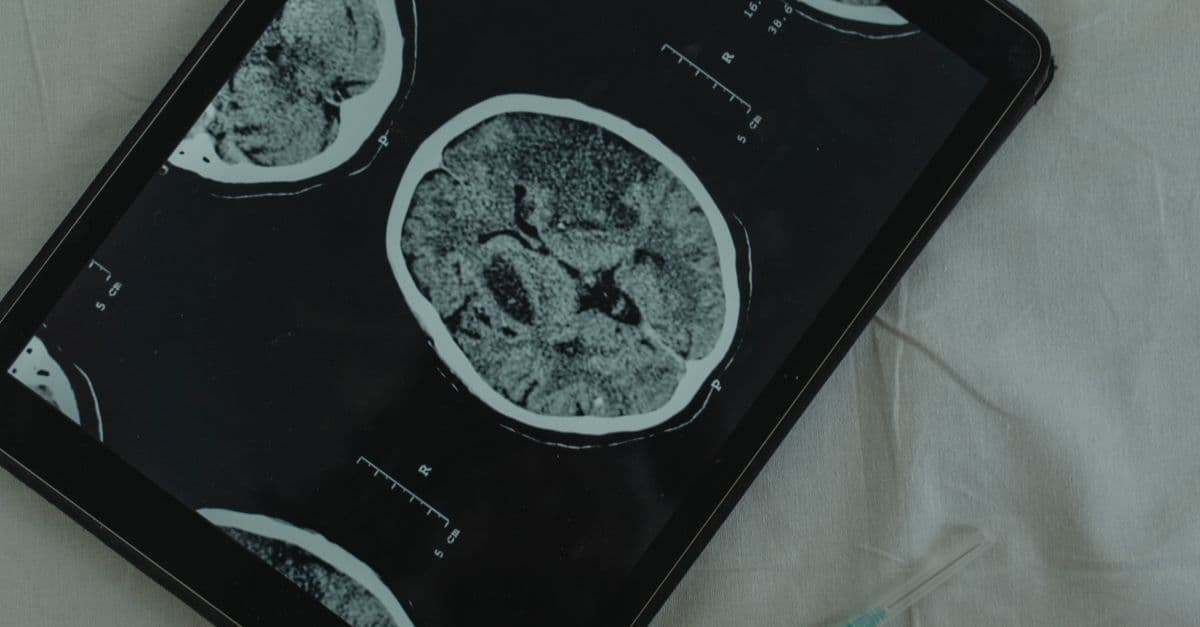
Close-up view of a brain CT scan displayed on a digital tablet with a medical needle beside it.
Science

The Science of Déjà Vu: What Actually Causes It

Roughly two-thirds of the general population reports experiencing déjà vu at some point in their lives — that disorienting conviction that a present moment has been experienced before, accompanied by the simultaneous knowledge that it cannot have been. The experience lasts a few seconds, then dissolves. For most people it is occasional and benign. For patients with temporal lobe epilepsy, it can be a reliable seizure precursor. The fact that déjà vu can be reproduced reliably in clinical settings — both by electrical stimulation of specific brain regions and by certain drug compounds — tells neuroscientists where to look for the mechanism.


Editorial Team·June 4, 2026·17 min
Close-up of an elderly woman's face reflected in a hand-held mirror, showcasing age and grace.
Science

Why Time Feels Faster as You Age: The Science Behind It

A summer at age eight felt endless. A year at forty disappears. This is not nostalgia distorting judgment — it is a measurable difference in how the brain processes and encodes time. Multiple mechanisms are involved: a mathematical relationship between age and perceived duration, a decline in the novelty that creates dense memories, slowing neural processing speed, and falling dopamine levels that alter the brain's internal clock. Each mechanism operates independently, but they all converge on the same result: subjective time accelerates across a human lifetime.

Editorial Team·June 4, 2026·17 min