Artificial Intelligence
Scaling Laws Explained: Why Bigger Models Got Better
Neural scaling laws explained: what Kaplan (2020) and Chinchilla (2022) found about parameters, data, and compute, and where the power laws stop working.
36 articles tagged with #deep-learning
Neural scaling laws explained: what Kaplan (2020) and Chinchilla (2022) found about parameters, data, and compute, and where the power laws stop working.
Training a large language model is not a single act — it is a five-stage industrial process that begins with petabytes of scraped text, passes through weeks of GPU computation consuming millions of dollars of electricity, and ends with a model that can hold a coherent conversation. Each stage has a specific job, a distinct failure mode, and a measurable cost. Here is how the whole pipeline works, from raw data to deployed product.
How computer vision AI works: from handcrafted features to AlexNet, CNNs, ResNet, Vision Transformers, CLIP, and where machine vision still fails.
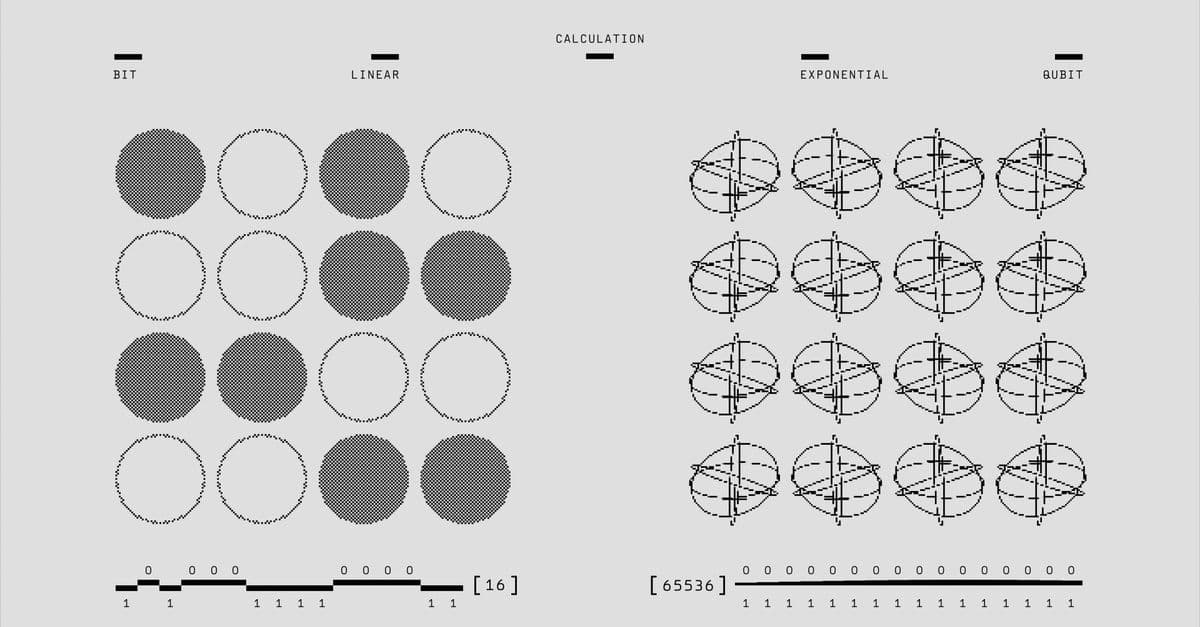
Reinforcement learning explained: how agents learn from rewards, how Q-learning, DQN, and PPO work, and how RL trained AlphaGo and shaped chatbots.
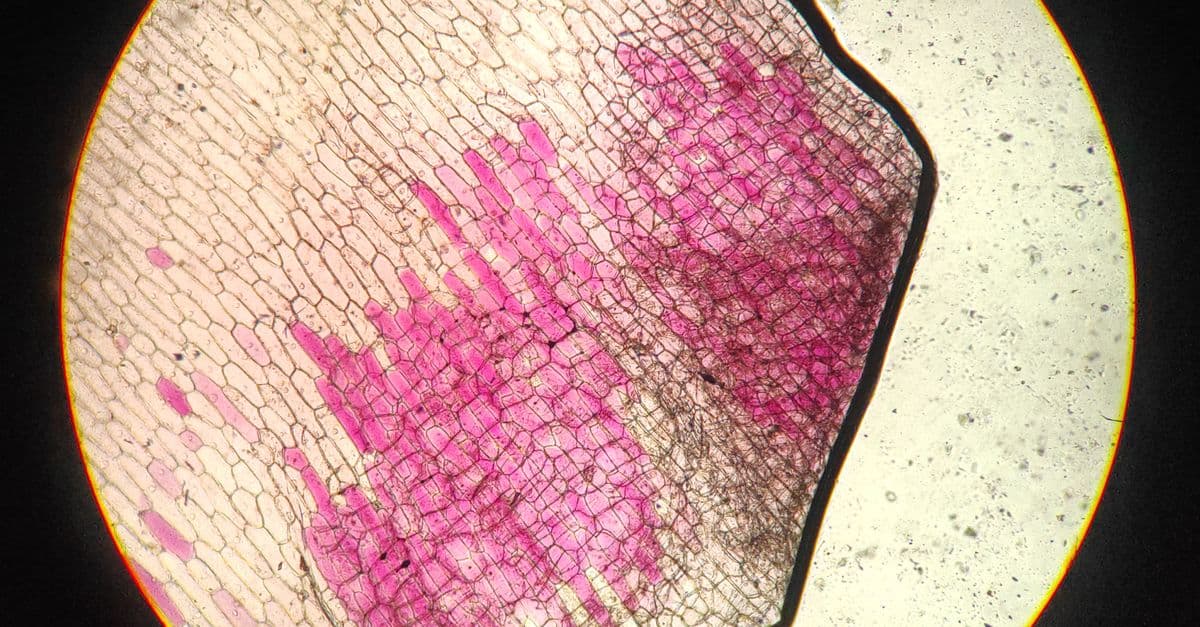
How neural networks detect cancer earlier than pathologists.
A practical machine learning hub: the ML workflow, supervised and unsupervised learning, how models learn, metrics, common mistakes, tools, and a learning path.
Honest comparison of PyTorch, TensorFlow, and JAX in 2026 — which to learn first, where each one wins, and what hiring managers actually look for.
AI, machine learning, and deep learning are nested, not synonyms. See how each works, where they differ, and when classic ML beats neural networks.
How DeepMind's AlphaGo combined neural networks with tree search to beat Lee Sedol 4-1 in March 2016, and what AlphaGo Zero and AlphaZero changed afterward.
Neural networks are layered functions whose connection strengths are tuned by gradient descent. From the 1943 artificial neuron to AlexNet's 2012 ImageNet win and today's transformers, this is how the idea went from dormant to dominant.
In 2010 the best image classifier missed the right label in its top five guesses about 28% of the time. By 2015 that was 3.57%. Here is what changed, and how a CNN actually sees.
Meta trained Llama 3 on more than 15 trillion tokens using 7.7 million H100 GPU-hours. Here is how next-token prediction at that scale turns into a conversation partner.