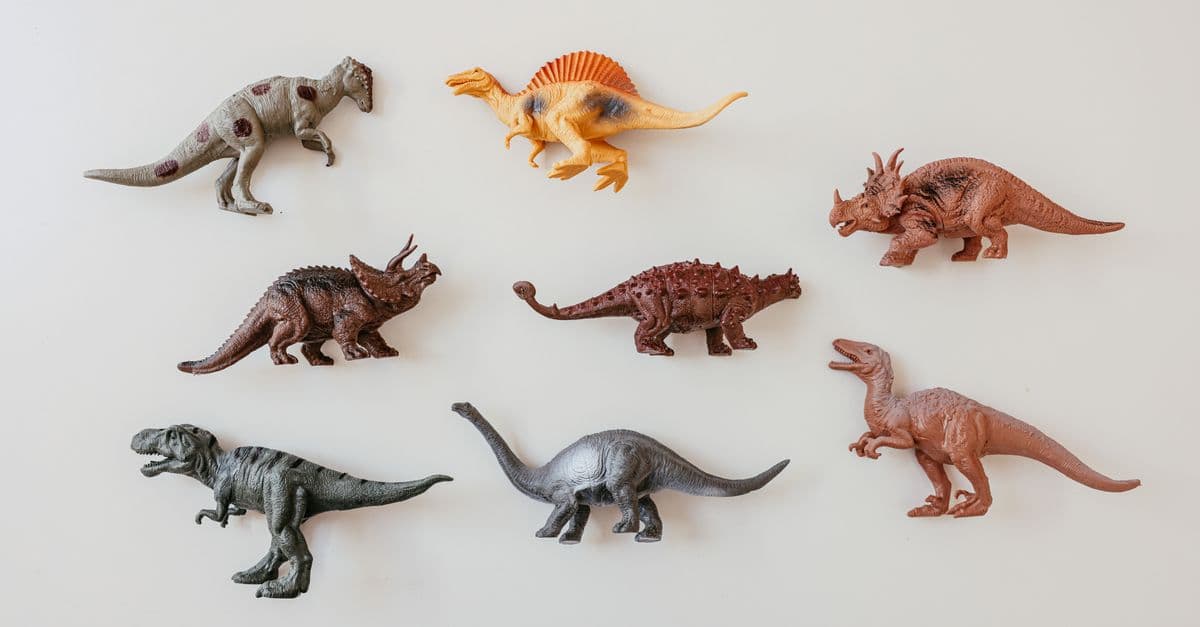
Dinosaurs
Did Dinosaurs Roar?
Dinosaur sounds are hard to reconstruct, but fossils, living relatives, and anatomy suggest they may have boomed, hissed, rumbled, or cooed.
14 articles tagged with #dinosaurs
Dinosaur sounds are hard to reconstruct, but fossils, living relatives, and anatomy suggest they may have boomed, hissed, rumbled, or cooed.
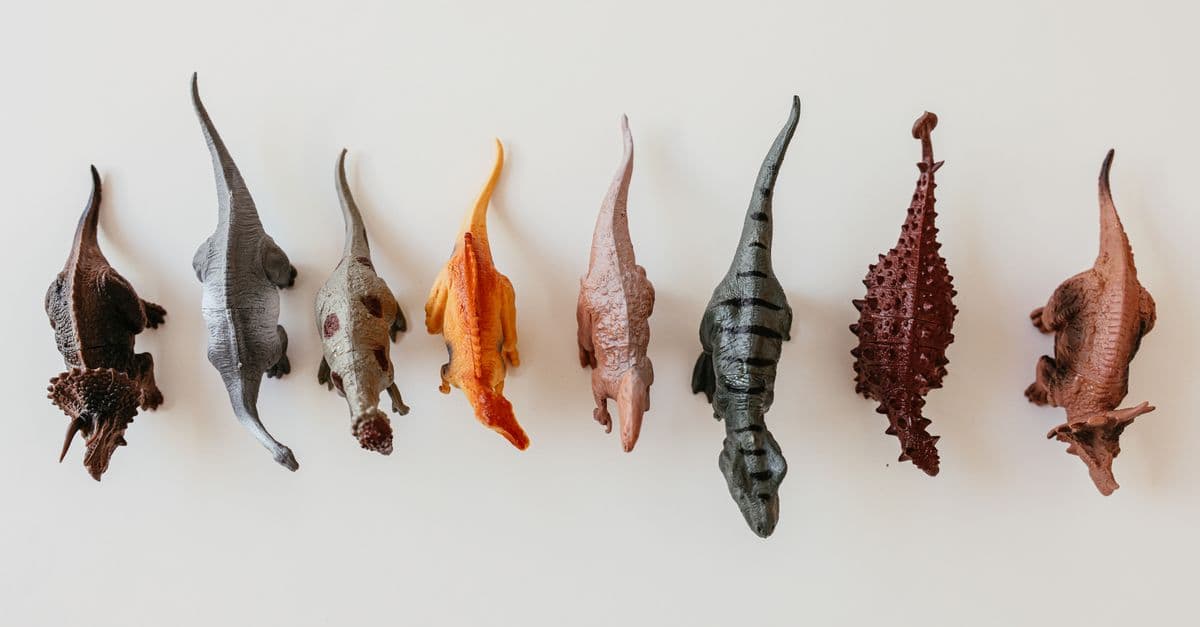
Dinosaur eggs reveal nesting behavior, growth, oxygen limits, shell structure, and why even giant dinosaurs did not lay impossibly huge eggs.
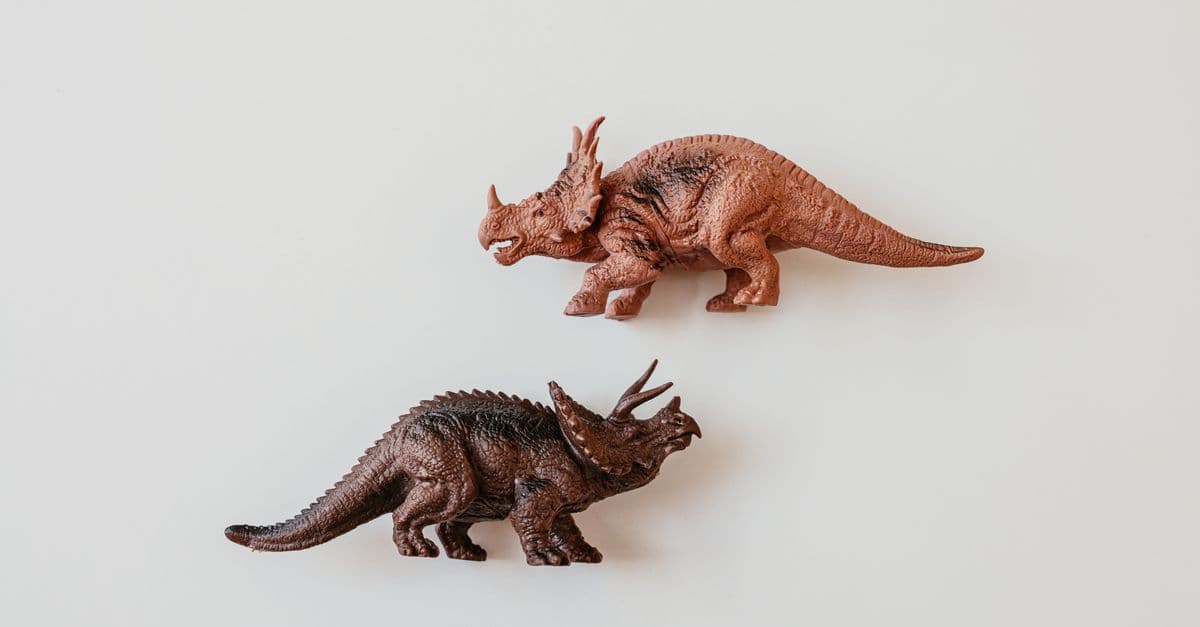
Fossil pigments, feathers, skin impressions, and living relatives suggest many dinosaurs were more colorful than old museum models.
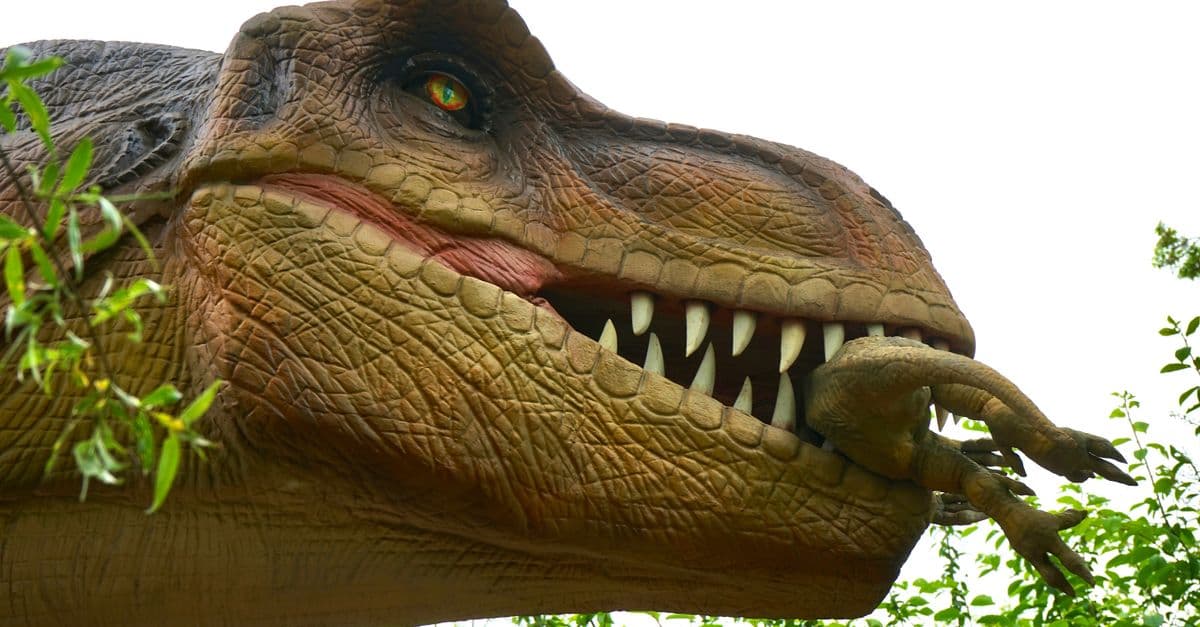
Birds are not the descendants of dinosaurs. Birds are dinosaurs — a lineage of small feathered theropods that survived the end-Cretaceous extinction and now numbers approximately 10,000 living species. The transition from ground-running theropod to flying bird is documented in extraordinary fossil detail, and nearly every defining feature of modern birds turns out to have a dinosaurian precursor.
The Velociraptor in Jurassic Park stands 1.8 meters tall, hunts in coordinated packs, and opens doors. The actual animal was the size of a turkey, covered in feathers, and probably hunted alone. Almost nothing about cinema's most famous raptor matches the fossil record — yet the real animal is, in its own way, more interesting than the fiction.
Dinosaurs did not begin as rulers. They spent the first 30 million years of their existence as minor players in ecosystems dominated by other animals, squeezed into a world recovering from the most catastrophic extinction in Earth's history. Understanding where dinosaurs came from requires understanding the strange, forgotten world they were born into.
For decades, paleontologists sorted life into two metabolic boxes, warm-blooded mammals and cold-blooded reptiles, and argued over which box dinosaurs belonged in. Bone slices, isotope chemistry, and growth-rate analysis suggest most dinosaurs fit neither box cleanly, though the newest fossil-chemistry work pulls the answer back toward true endothermy.
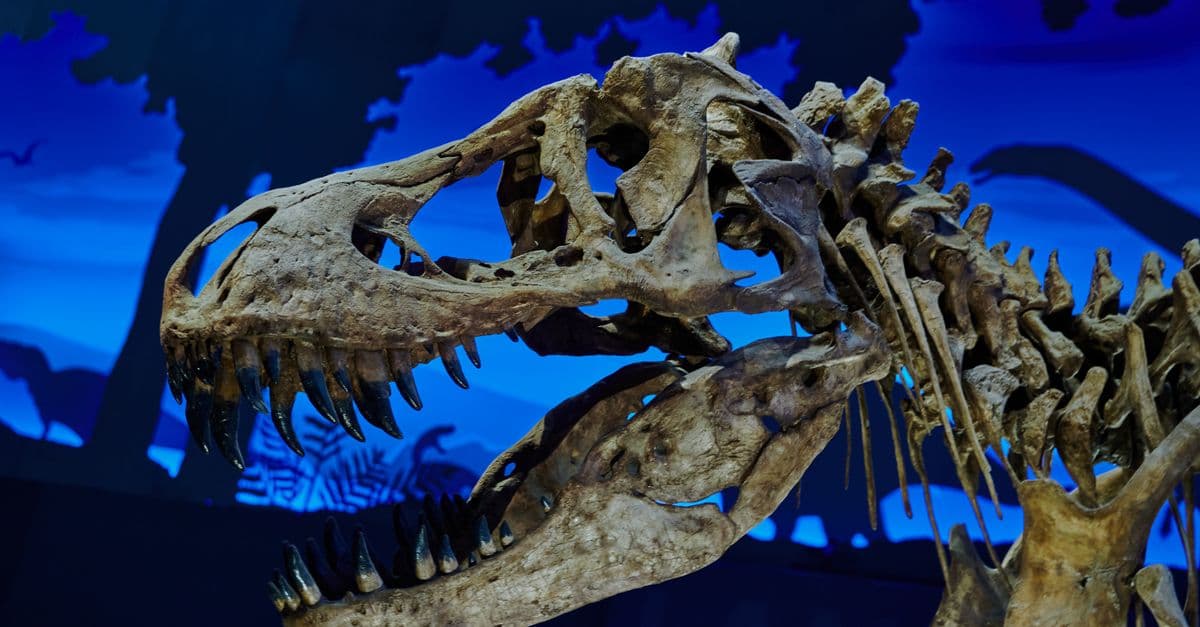
A dinosaur bone does not simply survive for 66 million years — it is chemically replaced, molecule by molecule, until what you hold is stone wearing the shape of life. The odds against any given animal leaving a fossil are staggering, which is why every specimen in a museum is a triumph of improbable geology.
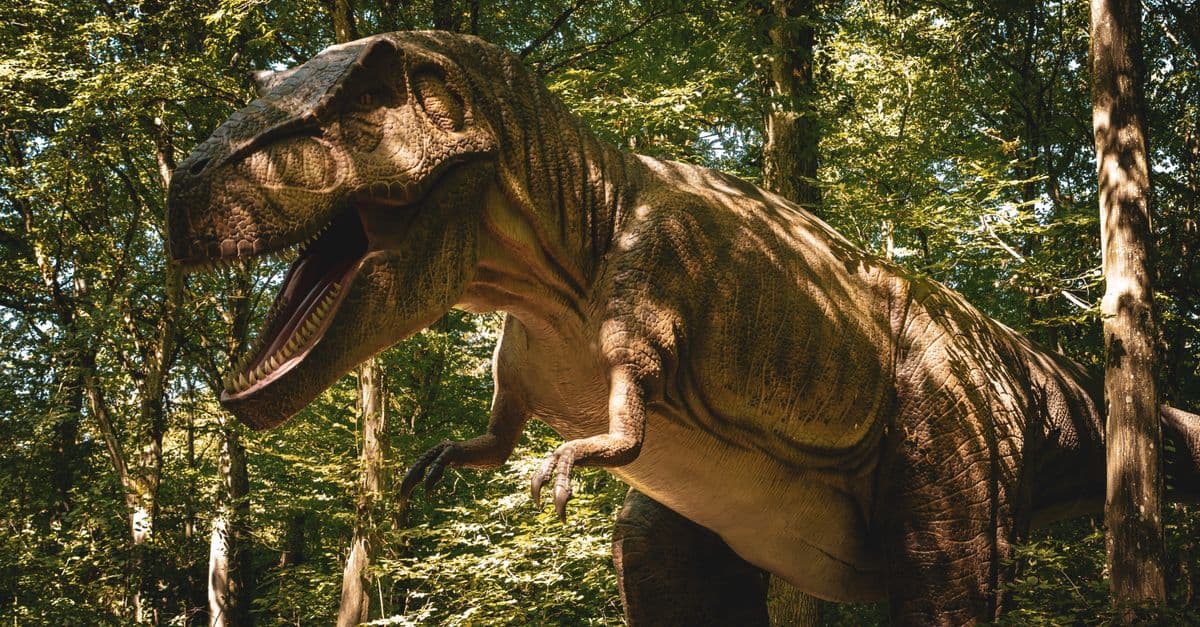
T. rex is not just a cultural icon — it is the most scientifically studied non-avian dinosaur in history, with over 50 reasonably complete specimens and a research record spanning more than a century. What emerges from that scrutiny is more complex and more surprising than the movie monster: an animal with the most powerful bite force ever measured in a land animal, better depth perception than a hawk, and a growth strategy that turned a 50-kg juvenile into a 9-tonne adult in roughly 20 years.
The largest animals to have ever walked on land were not the predators — they were the plant-eaters. Patagotitan mayorum, a titanosaur from Argentina, weighed an estimated 57–70 tonnes and stretched roughly 37 meters from snout to tail. Getting to that scale required solutions to engineering problems that no other land animal has ever faced or solved.
Paleontologists don't guess. When they reconstruct a dinosaur, they work from fossilized bones to muscle attachment scars to preserved skin impressions to microscopic pigment organelles locked in ancient feathers. The process is more constrained than most people realize — and more surprising. Some dinosaurs' actual colors are now known with genuine scientific confidence.
In 1996, a Chinese farmer cracked open a rock and found a small predatory dinosaur still wearing its coat of filamentous proto-feathers — 130 million years after it died. That discovery, along with hundreds of similarly preserved fossils from northeastern China, permanently changed how science understood both dinosaurs and the origin of birds. The answer to whether dinosaurs had feathers is not 'some of them.' It's 'most of the lineage that gave rise to birds, and quite possibly several others.'