Inventions
Television Invention: Baird, Farnsworth, and Electronic TV
Television emerged from mechanical scanning, cathode-ray tubes, electronic imaging, and broadcast infrastructure. This guide explains the real invention story.
7 articles tagged with #electronics
Television emerged from mechanical scanning, cathode-ray tubes, electronic imaging, and broadcast infrastructure. This guide explains the real invention story.

A microphone is a transducer that converts pressure waves in air into electrical signals, and there are at least six fundamentally different ways to accomplish that conversion, each with trade-offs in sensitivity, ruggedness, and frequency response.
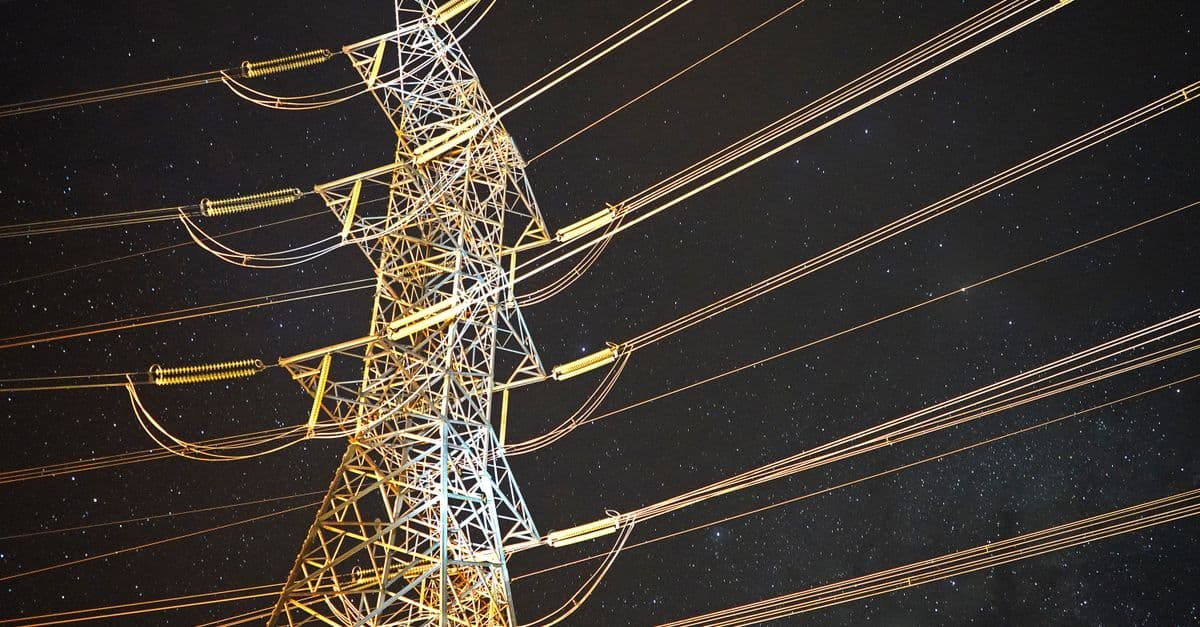
How electricity works: voltage, current, resistance, AC vs DC, power generation, the grid, and why birds don't get electrocuted.
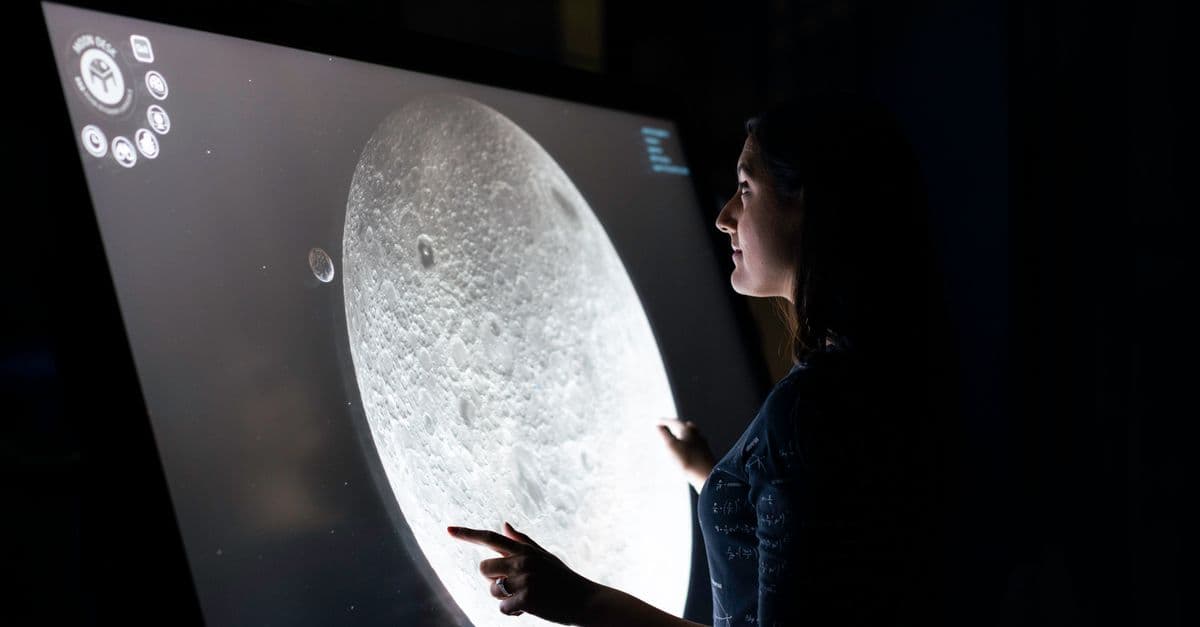
The physics behind resistive, capacitive, infrared, and acoustic touchscreens — plus stylus tech, force touch, and foldable displays.
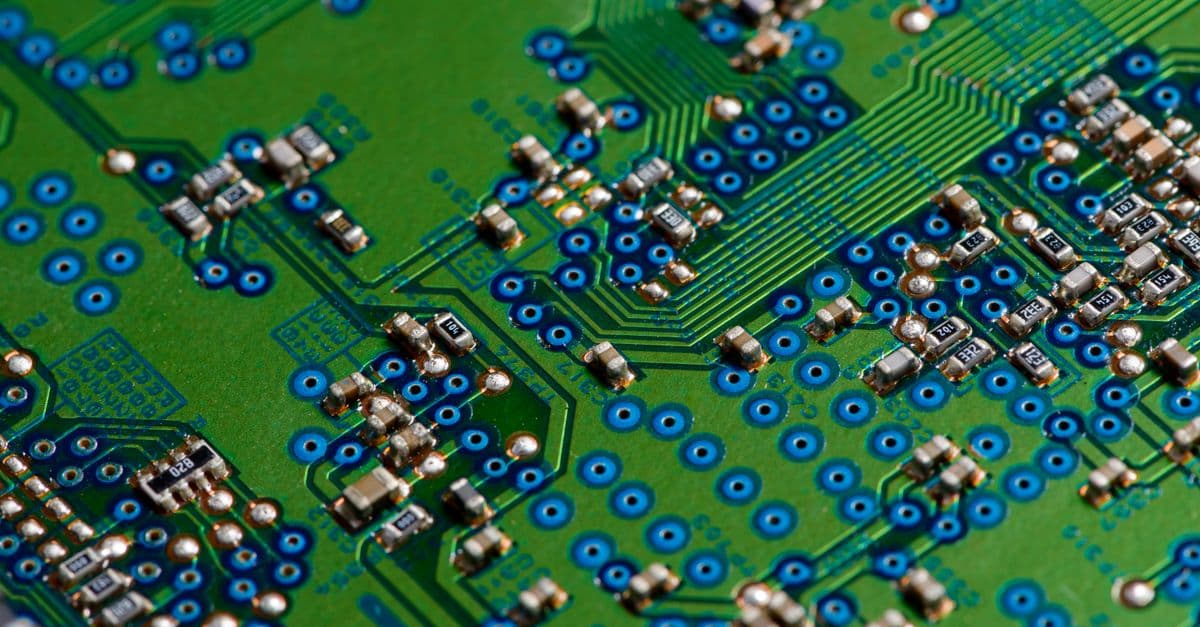
How LEDs turn electricity into light using semiconductors, why they're 10x more efficient than bulbs, and the Nobel-winning blue LED story.
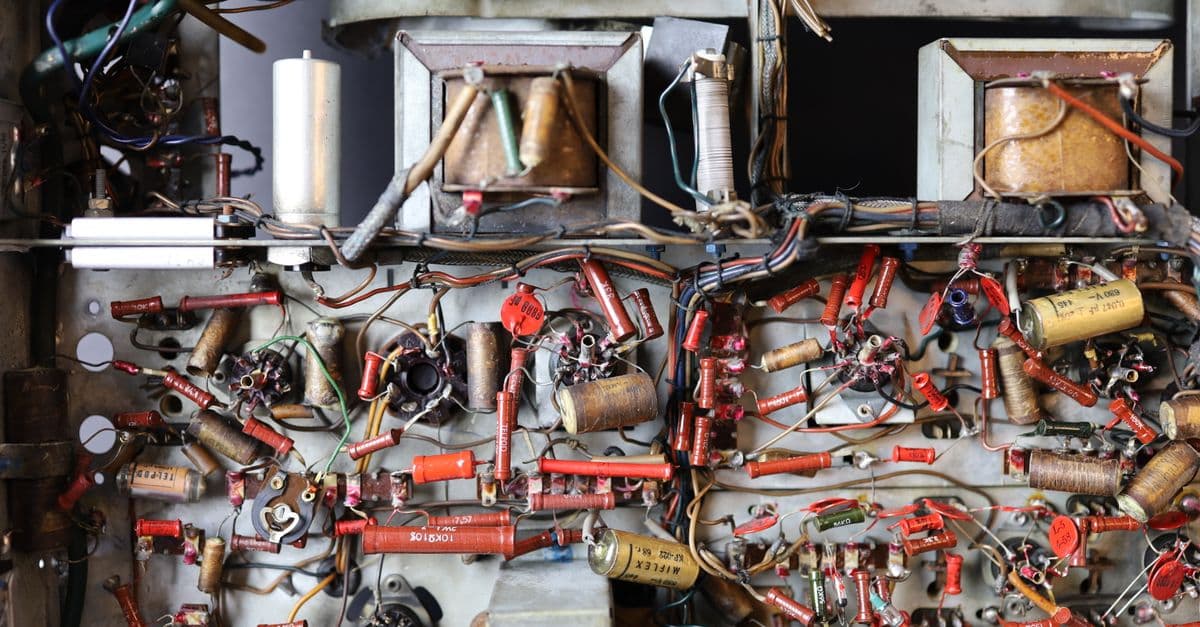
Demonstrated at Bell Labs in December 1947, the transistor became the building block of every digital device on earth.
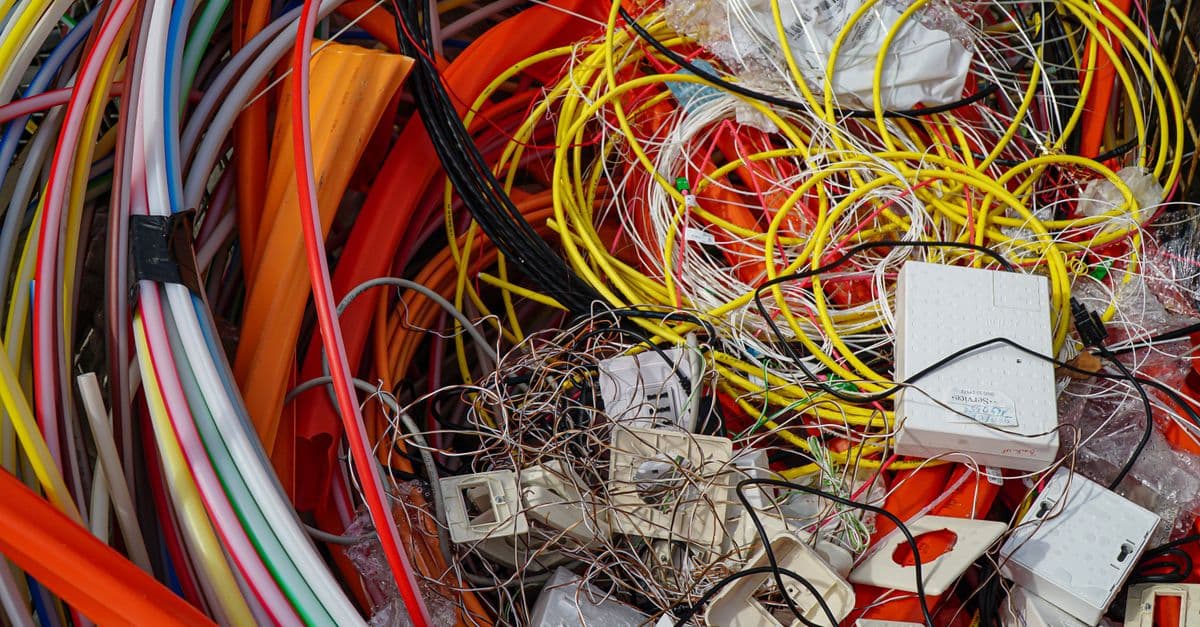
The world generated 62 million tonnes of e-waste in 2022 — a record. China produces the most e-waste in absolute terms (12 million tonnes). Norway and Iceland generate the most per capita. Only 22% of e-waste is formally recycled. E-waste contains $62 billion in recoverable precious metals annually.