
Inventions
GPS Invention: Satellites, Atomic Clocks, and Relativity
GPS was not one person's invention. It came from satellites, atomic clocks, relativity, military navigation, and decades of engineering.
8 articles tagged with #GPS
GPS was not one person's invention. It came from satellites, atomic clocks, relativity, military navigation, and decades of engineering.

How Bradford Parkinson, Ivan Getting, and Roger Easton built a satellite navigation system for nuclear bombers that became the infrastructure of everyday life.

Louis Essen's 1955 cesium clock at NPL redefined the second and made GPS possible. Now optical clocks are 1,000 times more precise — and the second will be redefined again by 2030.

How GPS works: 31 satellites, trilateration, atomic clocks, and the relativity correction that keeps fixes accurate to a few meters on a phone.

There are over 8,000 active satellites orbiting Earth right now. Here's how they stay up and what they do.

Your phone's navigation relies on corrections from both special and general relativity. Without Einstein, GPS would be off by kilometers within hours.
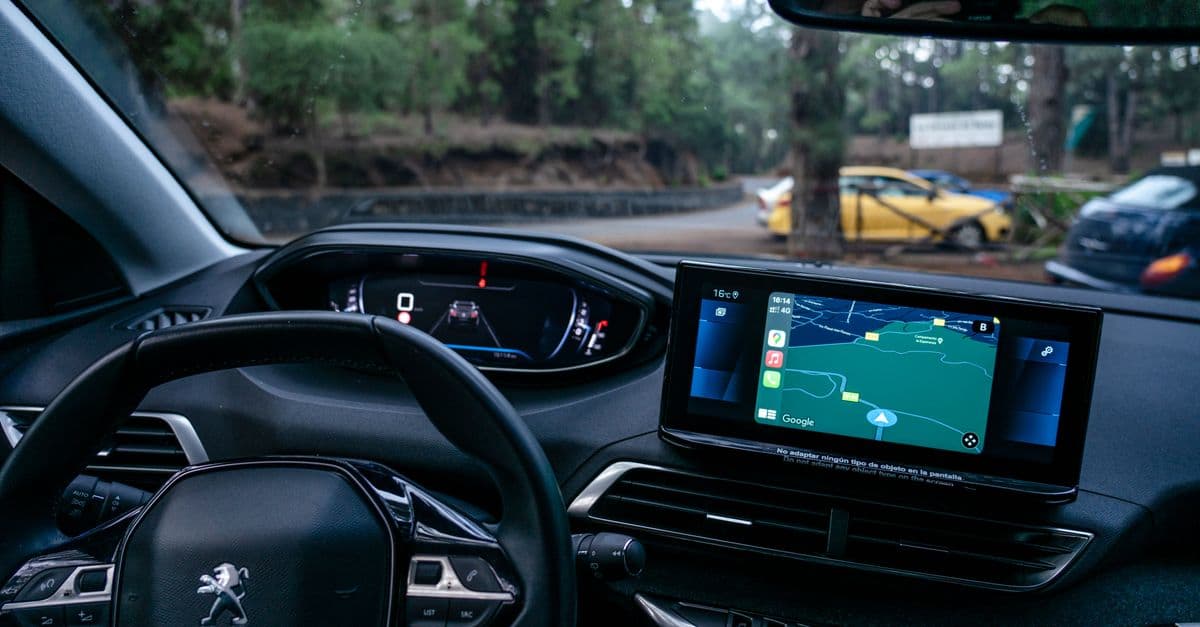
GPS uses clocks accurate to a billionth of a second and Einstein's relativity to pinpoint you anywhere on Earth within meters.

Astronauts return from space slightly younger than they would have been on Earth. The explanation is real physics — Einstein's theory of relativity — and it has measurable consequences for everything from GPS to interstellar travel.