Technology
Complete Technology Guide 2026 — How Modern Tech Works
The complete guide to technology in 2026: how the internet, semiconductors, and quantum computing work, AI hardware, cybersecurity, and what's coming next.
21 articles tagged with #internet
The complete guide to technology in 2026: how the internet, semiconductors, and quantum computing work, AI hardware, cybersecurity, and what's coming next.
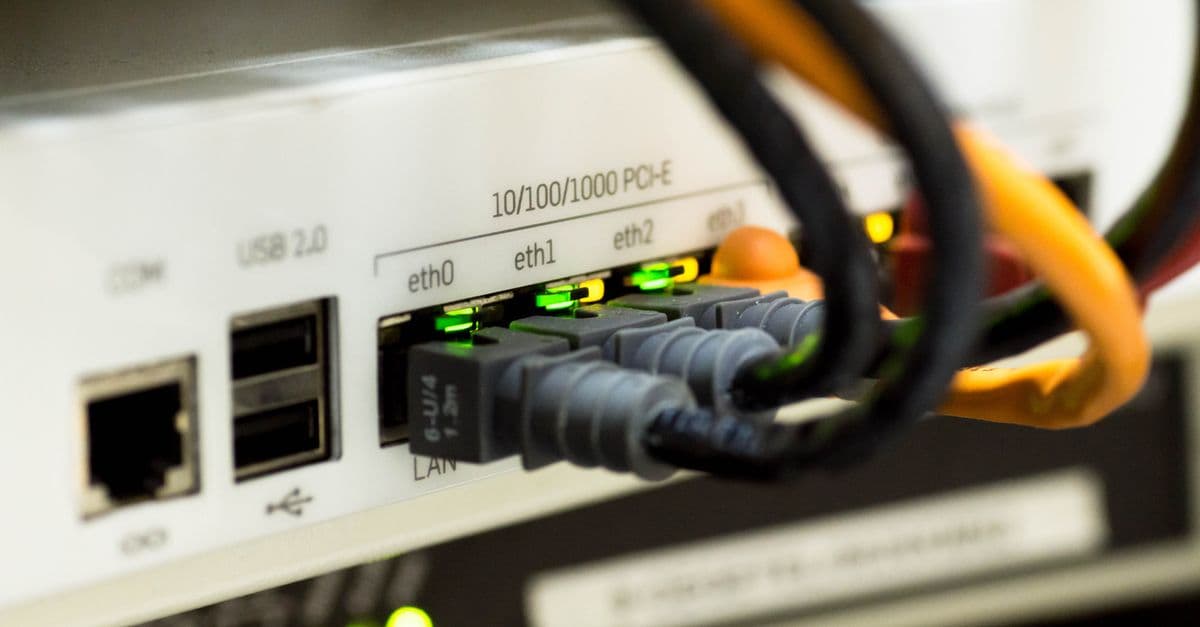
The United Arab Emirates leads the world with a median fixed broadband download speed of 413.2 Mbps — more than four times the global average of roughly 90 Mbps. High urbanization rates, state-backed fiber rollout programs, and competitive telecoms markets are the common threads running through every country at the top of the Ookla Speedtest Global Index 2024.

How ARPANET's 1969 first message, packet switching theory, and Cerf and Kahn's 1974 TCP/IP paper created a network connecting 5.5 billion people.

Tim Berners-Lee invented the World Wide Web at CERN in 1989, released it free to the world in 1993, and has spent 30 years fighting to keep it open and equitable.

How VPNs work: encrypted tunnels, protocols (WireGuard, OpenVPN, IKEv2), top providers in 2026, limitations, and how they compare to Tor.

Tor anonymizes web traffic by bouncing it through volunteer relays in encrypted layers. Here's how onion routing works, and what it doesn't protect.

China has 1.09 billion internet users — the largest national online population on Earth. India is close behind at 920 million, with the fastest growth. The US (315M), Indonesia (220M), and Brazil (190M) round out the top 5. By 2026, 5.5 billion people — 67% of humanity — are online. Here's the full ranking and what it means.

The United States hosts more data centers than any other country by every count, but the totals vary from about 3,800 to 5,400 depending on the database. Here is the ranking, why facility counts and megawatts tell different stories, and what the IEA says about data centre electricity.

What would actually happen if the internet disappeared forever? Financial systems would fail in hours, food supply chains would collapse within days, and modern medicine would be crippled within weeks. The scale of what humanity would lose is staggering.

A strand of glass thinner than a human hair can carry more information than all the copper wires ever made. Here's the physics behind it.

Facial recognition turns a face into a short list of numbers and compares it with stored lists. Here is how detection, embeddings, and thresholds work, and why error rates differ across groups and settings.

The most sophisticated cyberattacks don't exploit code — they exploit people. Here's how phishing, pretexting, spear phishing, and vishing manipulate human psychology to bypass any technical defense.