parker-solar-probe
5 articles tagged with #parker-solar-probe

World Records
The Fastest Man-Made Objects Ever Built: From Apollo to Parker
At 11:53 UTC on December 24, 2024, the Parker Solar Probe reached 692,000 km/h — fast enough to travel from Earth to the Moon in 33 minutes. That is the fastest any object built by humans has ever moved. But speed records in spaceflight tell a deeper story about orbital mechanics, gravity assists, and the hard physics that governs how fast anything can actually go. This article traces the full hierarchy of speed, from the first satellites to the probe that briefly outran the solar wind itself.
Space
The Zodiacal Light: The Solar System's Hidden Glow
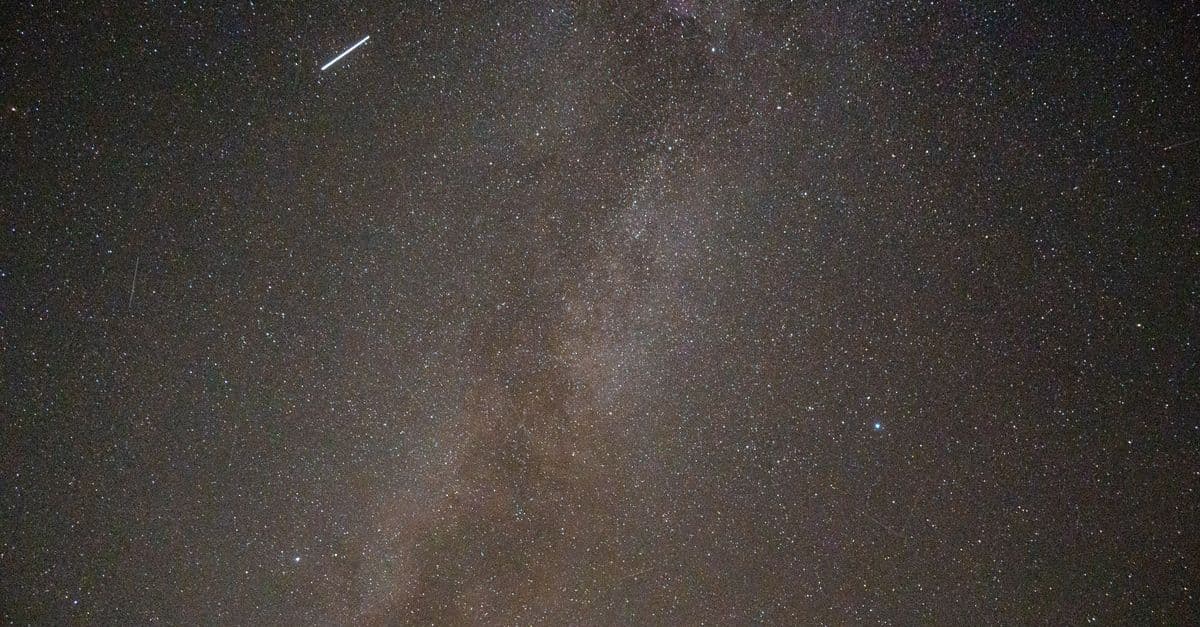
Before dawn in a dark-sky location, a ghostly pyramid of light rises from the eastern horizon along the path of the zodiac. Ancient observers thought it was a meteorological phenomenon — moisture in the upper atmosphere catching the sun. It is not. It is sunlight scattered off trillions of interplanetary dust particles spread across the entire inner solar system, the ground-down debris of comets and asteroids, and it is far stranger than it looks. In 2021, a camera on NASA's Parker Solar Probe detected that this dust does not extend all the way to the Sun.
Space
Parker Solar Probe — Touching the Sun
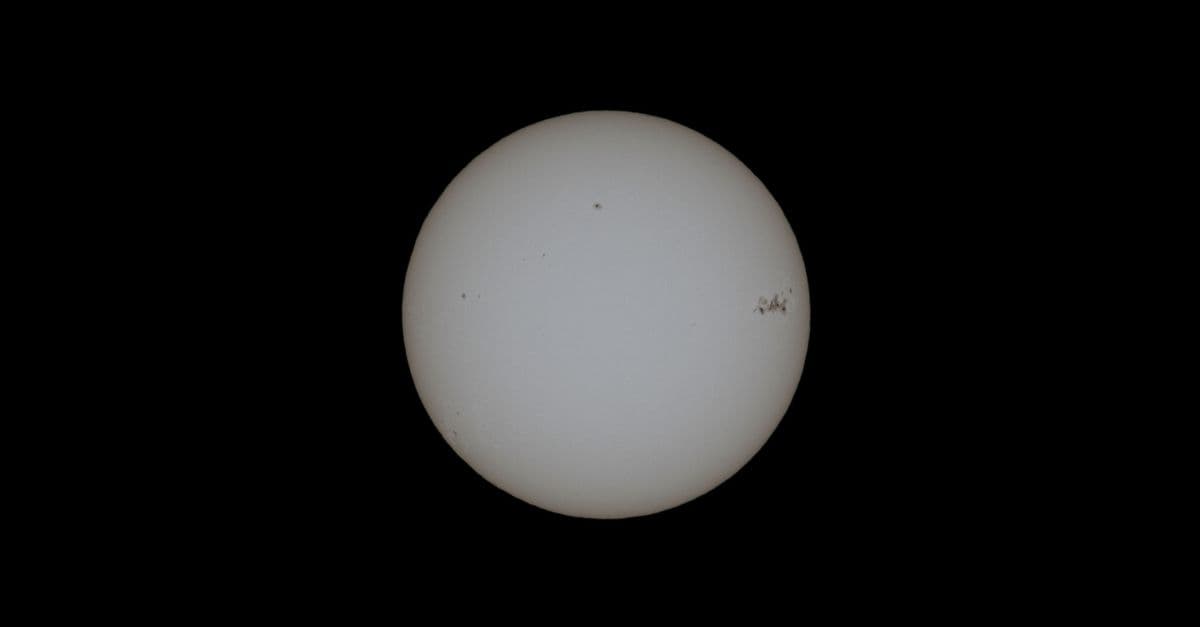
NASA's Parker Solar Probe is the first spacecraft to fly inside the Sun's corona — here's what it has found and why it matters.
Space
What Is the Solar Wind? How the Sun Shapes the Solar System
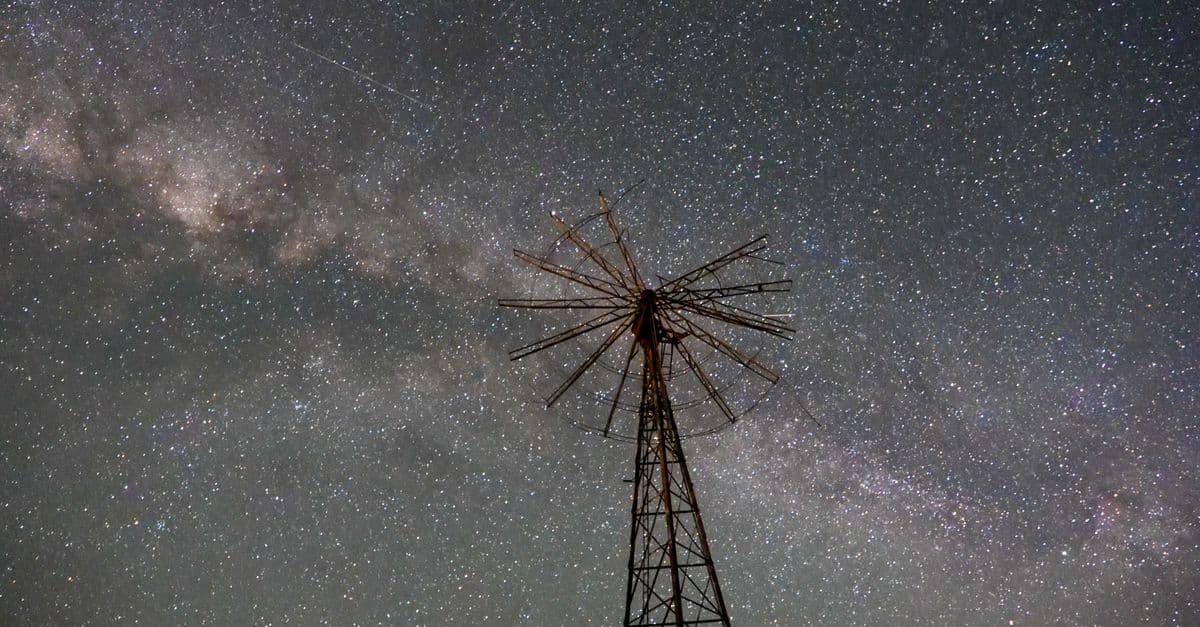
The solar wind is a continuous outflow of charged particles, mostly protons and electrons, from the Sun's hot corona. It moves at roughly 400 to 800 km/s, bends the interplanetary magnetic field into a spiral, inflates the heliosphere, pushes comet ion tails away from the Sun, drives auroras, and helps strip planetary atmospheres. Voyager 1 crossed the heliopause, where the wind gives way to interstellar space, in 2012.