World Records
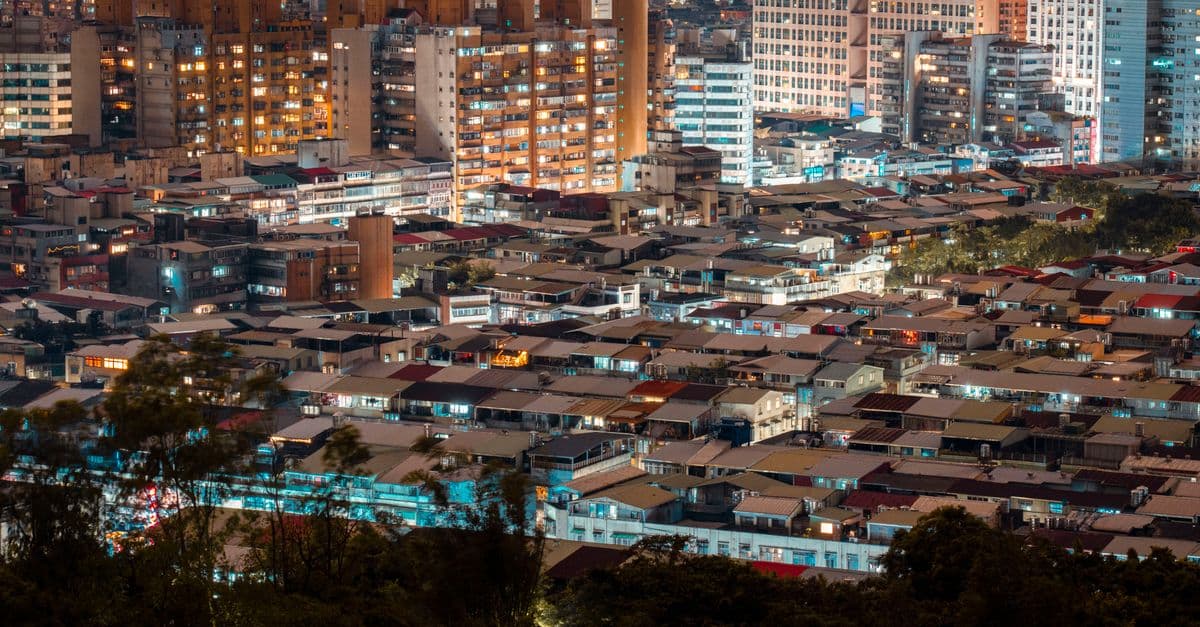
Biggest Cities in the World by Population: City, Metro, and Urban Area
Jakarta leads the UN's 2025 city ranking, yet Chongqing has more people inside its borders. See the biggest cities by city, urban area, and metro definition.
7 articles tagged with #population
Jakarta leads the UN's 2025 city ranking, yet Chongqing has more people inside its borders. See the biggest cities by city, urban area, and metro definition.

Chad and Somalia have the world's highest birth rates at approximately 6.0 children per woman. Sub-Saharan Africa dominates the top 20. Meanwhile Europe and East Asia face demographic contraction below 1.5. The gap between the world's fastest-growing and fastest-shrinking populations is the largest in recorded history — with consequences for migration, economics, and geopolitics that are only beginning.

South Korea has a total fertility rate of 0.72 — the lowest ever reliably recorded for any country in human history. At that rate, each generation is roughly one-third the size of its predecessor. Japan has been below replacement level since 1975. Here are the countries with the lowest birth rates and what the data actually means.

Monaco packs about 18,500 people into each square kilometre of land, Singapore about 8,300 and Bangladesh about 1,330 — the densest country of any real size. World Bank 2024 data, ranked two ways, with what density does and does not tell you.

India overtook China as the world's most populous country in 2023, according to UN projections. This ranking covers the 20 largest countries with World Bank figures for population, growth, fertility, and age structure, plus what the UN projects for the rest of the century.
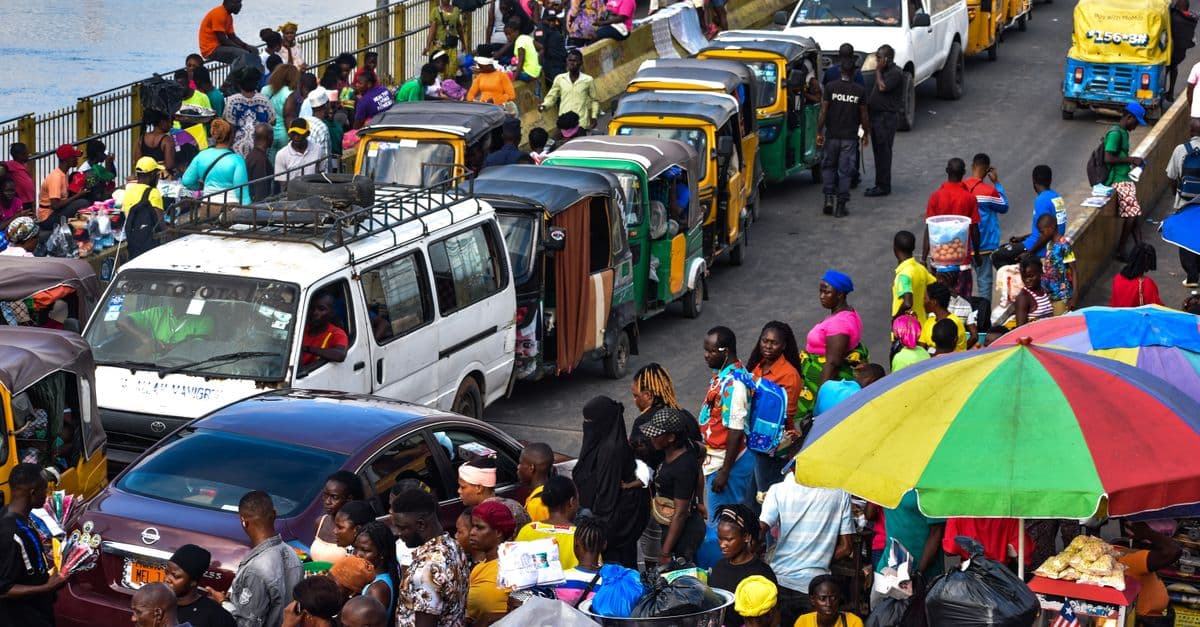
By 2050, Japan, South Korea, Italy, and dozens of other countries will have more people over 65 than under 30. Shrinking workforces, swelling pension obligations, and collapsing birth rates are creating an economic slow-motion crisis. Here's what's actually happening and why it matters.

Are the dead outnumbered by the living? How do 8 billion people today compare to all of human history? Demographers have actually calculated this — and the answer reveals surprising truths about our species.