Technology
Complete Technology Guide 2026 — How Modern Tech Works
The complete guide to technology in 2026: how the internet, semiconductors, and quantum computing work, AI hardware, cybersecurity, and what's coming next.
13 articles tagged with #quantum-computing
The complete guide to technology in 2026: how the internet, semiconductors, and quantum computing work, AI hardware, cybersecurity, and what's coming next.
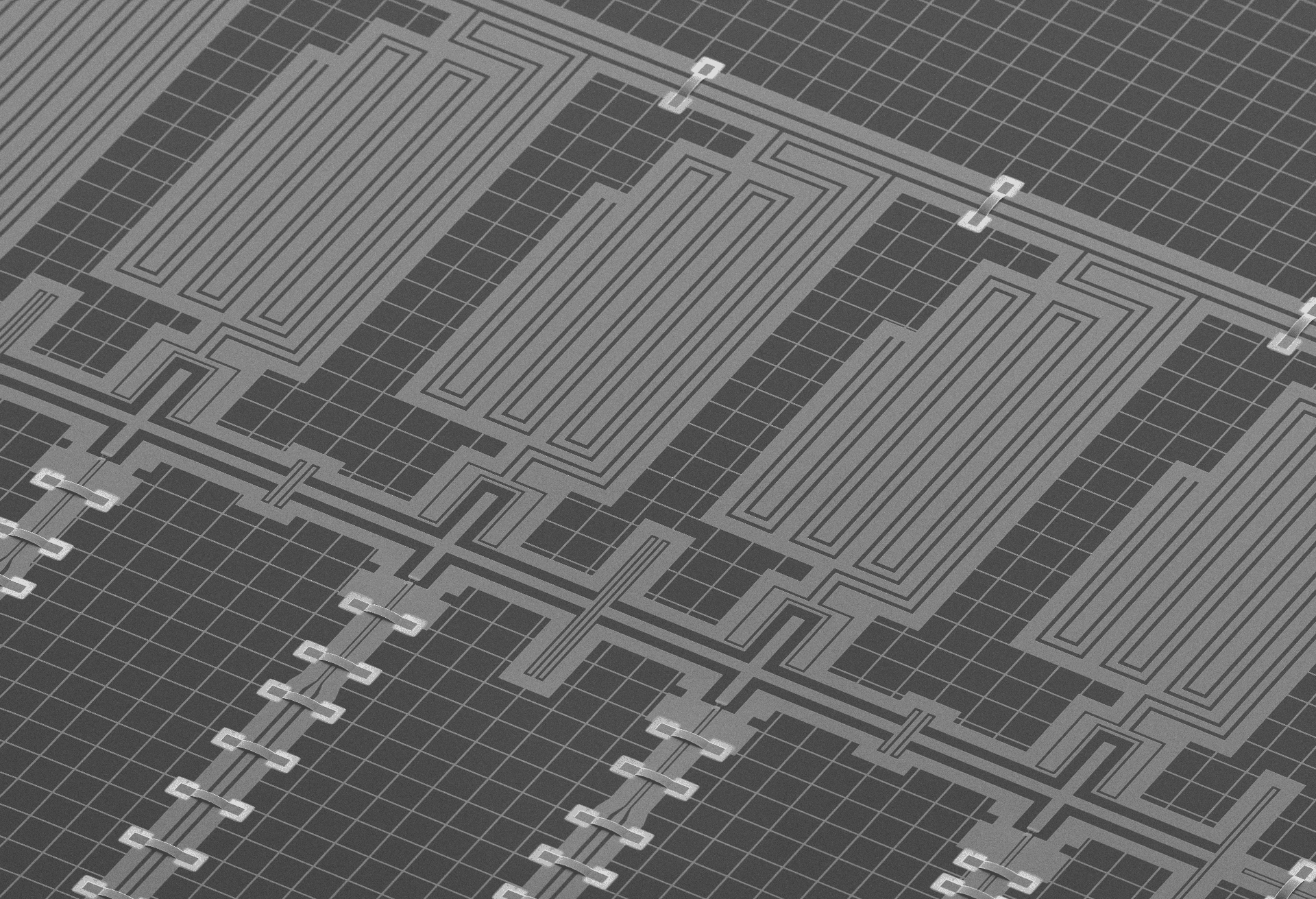
Quantum error correction protects one logical qubit across many noisy physical qubits. Learn how syndromes, surface codes, and thresholds work in practice.
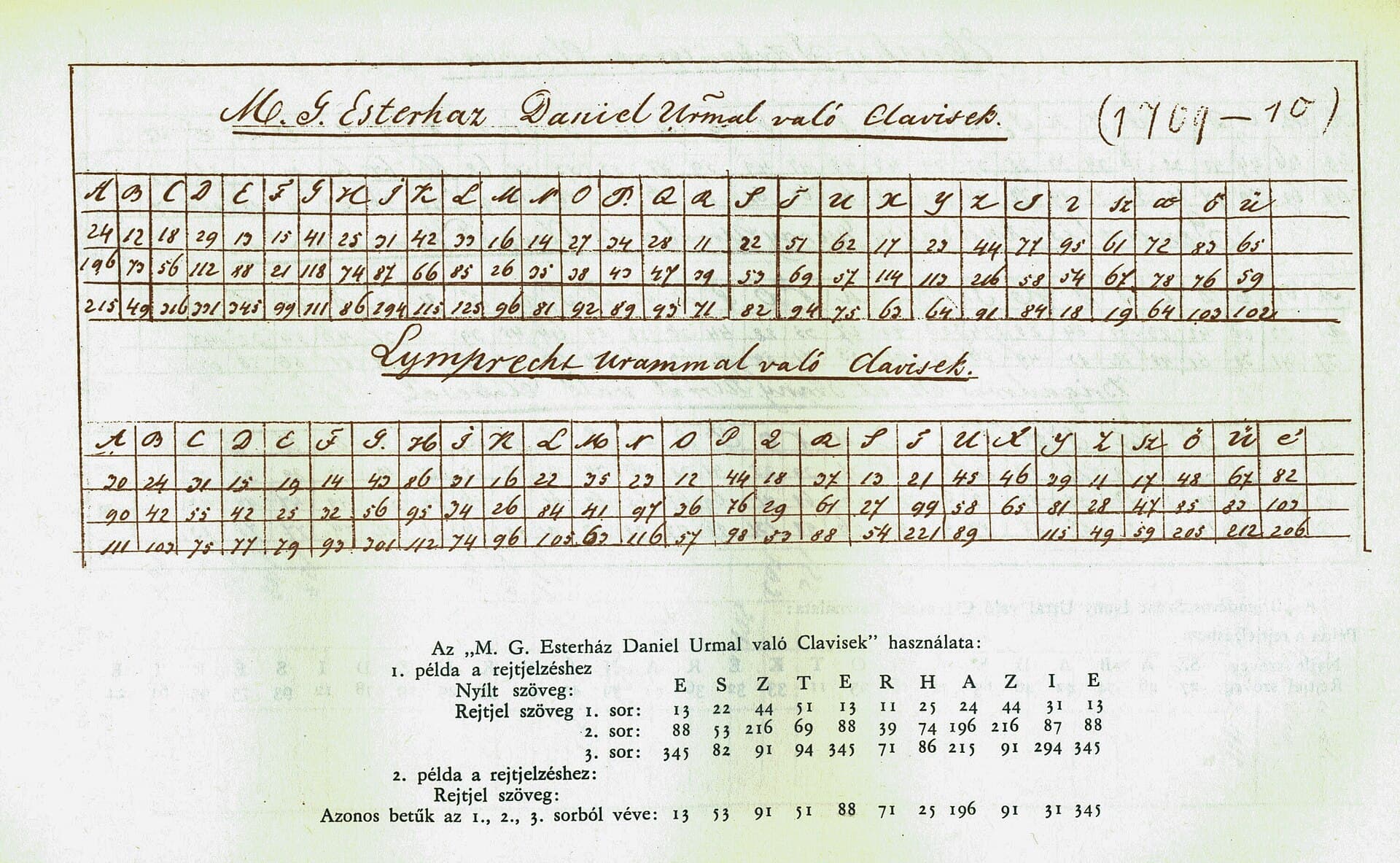
Post-quantum cryptography swaps RSA and elliptic-curve public-key schemes for NIST-standardized ML-KEM, ML-DSA and SLH-DSA. Sizes, timelines, limits.
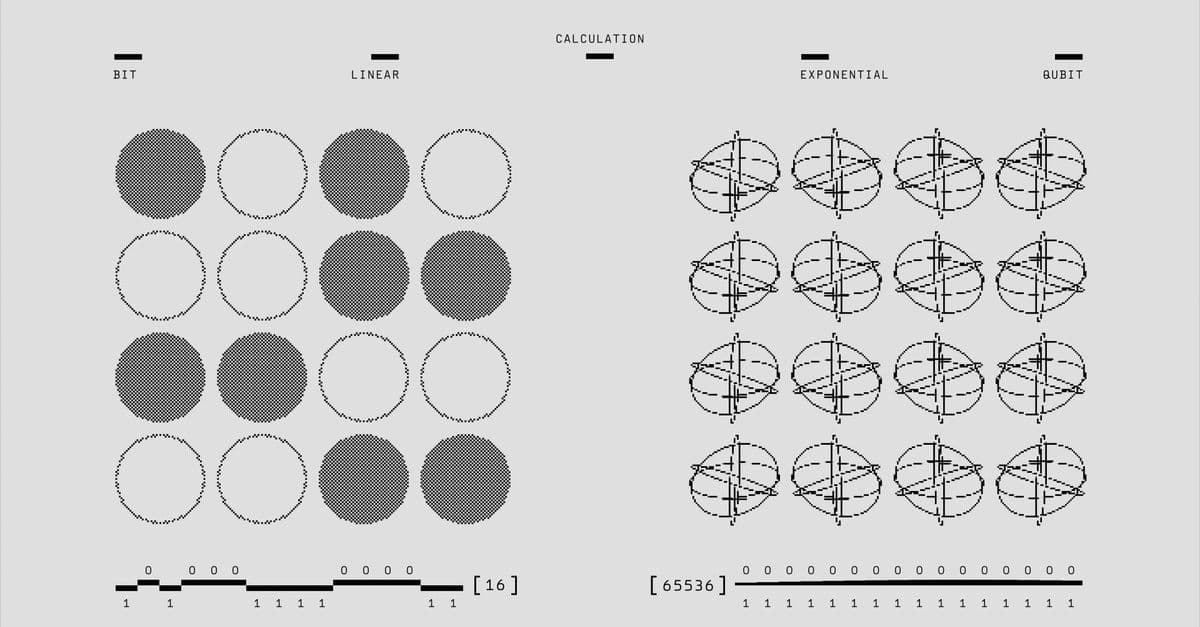
Quantum artificial intelligence — the intersection of quantum computing and machine learning — sounds transformative. Quantum computers could theoretically solve certain optimization problems exponentially faster than classical computers. Machine learning on quantum hardware could accelerate training or enable entirely new algorithms. Tech companies and venture capitalists have invested billions in the idea. Yet in 2026, quantum AI remains almost entirely theoretical. No commercially useful quantum-enhanced machine learning system exists. No real-world problem has been solved by quantum AI faster than classical AI. Most quantum computers are laboratory instruments available to a handful of researchers. The hype far exceeds the reality. However, the research is genuine, and if quantum computing matures, the potential impact on AI is real. This article untangles what quantum AI actually is, what promises are realistic, which are science fiction, and what the honest timeline looks like.

2025 marked significant scientific progress across multiple disciplines: a structural biology breakthrough in protein folding, advances in quantum computing error correction, discovery of a novel class of high-temperature superconductors, clinical trials demonstrating efficacy of novel Alzheimer's disease therapies, successful gene therapy applications for hereditary blindness, and confirmation of predicted gravitational wave signatures. This article examines the most consequential discoveries of 2025 — those that represent genuine advances in human knowledge, demonstrate technological capability, or have immediate clinical applications — explaining the science, why each discovery matters, and the implications for future research.

Quantum computers use qubits, superposition, and entanglement to solve problems classical machines cannot. Learn how they work, what algorithms run on them, and where the field stands in 2026.
Quantum machine learning promises exponential speedups for AI—but separating genuine potential from overhype requires careful attention to the physics.

Step in here, step out there — instantly. Teleportation sounds like sci-fi, but the physics gets stranger than fiction.

How Google's Sycamore quantum processor achieved 'quantum advantage,' completing tasks impossible for classical computers
How quantum entanglement experiments revealed nature defies classical intuition

Forget philosophy for a moment. Just running a simulated human brain would require mapping 86 billion neurons, storing an amount of data measured in exabytes, and burning through more power than most small countries. Here's the actual engineering math.
A sufficiently powerful quantum computer could break the encryption that secures banking, communications, and national security in seconds. The threat is real but limited to specific algorithms — and the cryptographic world is racing to deploy quantum-resistant alternatives before the day arrives.