H5N1 Bird Flu Pandemic Risk: 2026 Update
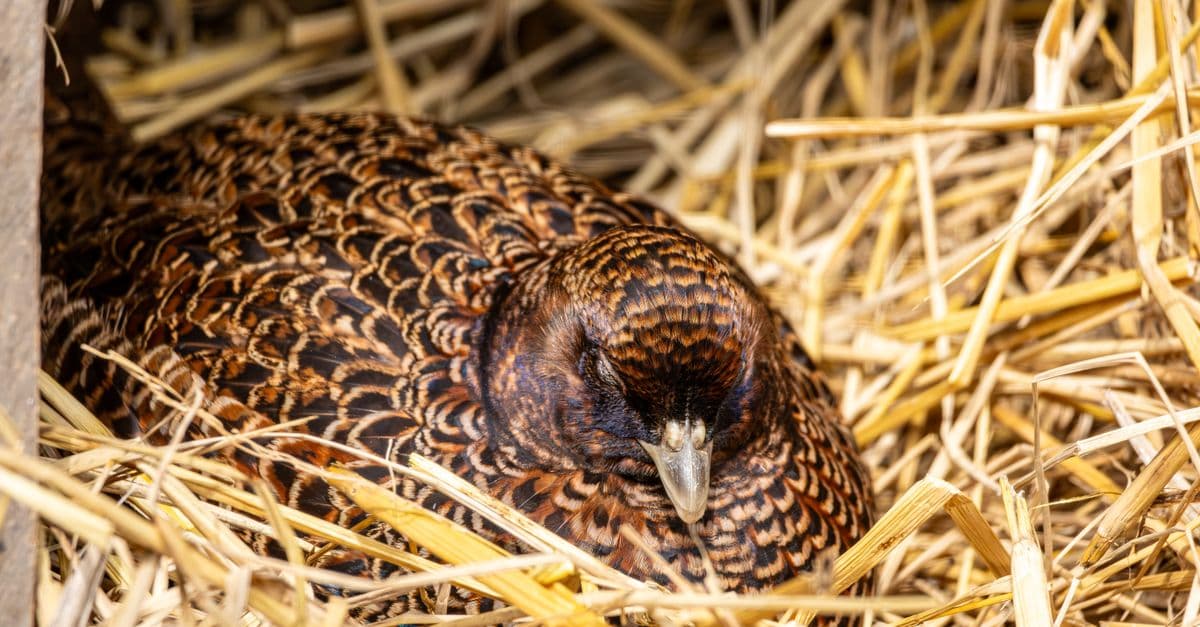
Photo: Regan Dsouza / Pexels
Since March 25, 2024, when federal agencies first reported H5N1 avian influenza in U.S. dairy cows, the virus has stayed on the short list of pathogens that public health agencies watch most closely. As of October 15, 2026, the CDC counts 72 human H5 cases in the United States since February 2024 and describes the current risk to the public as low. That is reassuring, but it is not the whole picture: the virus keeps finding new hosts, and the question for scientists is what it would take to turn a livestock and poultry problem into a human one.
Educational content, not medical advice. Talk to your doctor before changing any medication, treatment, or routine. Information here reflects current research but every person's situation differs.
This is an update on what is known, what is not, and how to read the numbers. For the basics of how the virus works, see H5N1 Bird Flu Explained, and for seasonal flu, see Influenza Virus Explained.
What "H5N1" actually means
Influenza A viruses are named for two proteins on their surface. Hemagglutinin (H) is the protein that attaches the virus to a host cell, and neuraminidase (N) is the one that helps newly made virus particles detach and spread. The CDC lists 18 H subtypes and 11 N subtypes, and more than 130 combinations have been found in nature, mostly in wild birds (CDC). H5N1 is simply one combination: hemagglutinin type 5, neuraminidase type 1.
Think of the H protein as a key and the host cell's surface sugars as locks. Hemagglutinin binds sialic acids, sugar molecules on the surface of cells. Birds and humans display those sugars in somewhat different patterns, which is one reason bird viruses usually struggle to infect people efficiently.
The influenza A genome is not one piece of RNA but eight separate segments, about 13,500 nucleotides in total, packed inside a roughly 80 to 120 nanometer enveloped particle, according to the ViralZone database (ViralZone). That segmented design matters. When two different influenza viruses infect the same cell, they can swap whole segments, a process called reassortment, much as two decks of cards can be shuffled together. The CDC notes that influenza A is the only influenza type known to cause pandemics, which can arise when a new virus emerges that infects people, spreads efficiently among them, and meets little or no existing immunity.
The dairy cattle outbreak: what is known
Until 2024, avian influenza was understood mainly as a disease of wild birds and poultry. On March 25, 2024, a multistate outbreak in dairy cows was first reported, the first time these viruses had been found in cattle, according to the CDC's mammal page (CDC). On April 1, 2024, the CDC confirmed a human infection in a Texas resident who had been exposed to cows presumed to be infected.
More than two years later, the problem has not disappeared. USDA's avian influenza page reported on October 8, 2026 that the agency had confirmed highly pathogenic avian influenza in two more dairy herds, in Washington State (USDA APHIS). The same page notes that on April 27, 2026, USDA updated its guidance on the interstate movement of lactating dairy cattle, a sign that cattle movement remains a control point. National herd totals change often and are best read directly from USDA's data page.
Why cattle matter for human risk
Livestock are not a pandemic by themselves. They matter because of exposure. A virus circulating in a species that people handle every day gives it many more chances to meet human cells than a virus that stays in migrating waterfowl. Every human infection is also a small natural experiment in whether the virus can adapt. The more infections occur, the more rolls of the dice, though most rolls come to nothing.
What the human case count shows
The CDC's current-situation page, updated October 15, 2026, reports that 72 human A(H5) cases have been identified in the United States since February 2024. Seven were detected through national flu surveillance and 65 through monitoring of exposed people (CDC). The page describes these as sporadic cases in dairy and poultry workers and rates the current public health risk as low.
| Measure | Figure | Source and date |
|---|---|---|
| Human A(H5) cases in the U.S. since February 2024 | 72 | CDC, October 15, 2026 |
| Found through national flu surveillance | 7 | CDC, October 15, 2026 |
| Found through monitoring of exposed people | 65 | CDC, October 15, 2026 |
| People monitored after animal exposure, February 2022 to September 26, 2026 | At least 33,300 | CDC, data as of September 30, 2026 |
| People tested for novel influenza A, same period | At least 1,340 | CDC, data as of September 30, 2026 |
| People monitored, September 28, 2025 to September 26, 2026 | At least 5,000 | CDC |
| People tested, same one-year window | At least 158 | CDC |
A few details help in reading these numbers. First, the large gap between people monitored and cases found suggests that most exposures do not lead to detected infection. Second, how hard you look affects how many cases you find. A case count depends on testing, and testing depends on who is monitored and who gets sick enough to seek care. Third, CDC changed its reporting on July 7, 2025: monitoring and testing data are now reported monthly on a separate page, and USDA animal detections are no longer posted on the CDC site. Anyone comparing counts across time should keep that change in mind.
How severe are the cases?
The CDC says that most U.S. human cases have been mild. Eye redness and irritation (conjunctivitis) has been the most common symptom in recent cases. Other symptoms include fever, cough, sore throat, runny nose, body aches, headache, and fatigue, with diarrhea, nausea, and vomiting less common. More serious cases involve high fever, shortness of breath, altered consciousness, or seizures. The CDC page states that illness can range from no symptoms or mild symptoms to severe disease and death.
Virologists caution against reading the mild picture as a sign that the virus itself has become gentler. How someone is exposed matters a great deal. Virus splashed in an eye from milk or an animal's secretions often causes a local infection, while virus inhaled into the lungs could behave differently. The mild cases tell us about one route of exposure in one set of workers, not about what the virus could do if it were spreading person to person.
Is H5N1 spreading between people?
According to the CDC, no person-to-person spread has been identified in the United States. In other countries in the past, limited person-to-person spread has occurred, meaning it reached only one or two people and did not continue. The CDC also states that no avian influenza A virus, including H5N1, has gained the ability to spread easily and sustainably among people.
This is the central fact in the risk assessment. A virus that infects people only through direct contact with infected animals is an occupational and local health concern. A virus that moves efficiently from person to person is a pandemic candidate. Everything else, from vaccine stockpiles to wastewater testing, is aimed at noticing the moment when the first description becomes the second.
The World Health Organization tracks human cases of novel influenza worldwide. Its monthly summary for the period from August 8 to September 6, 2026, reported one human case of influenza A(H5N1) globally, along with three A(H9N2) cases and two A(H1N2) variant cases (WHO). Such summaries show that novel influenza infections in people are occasional events that are tracked one at a time, not a steady wave.
Which mammals has it infected?
The virus has not stayed in birds and cattle. The CDC reports that, since 2022, USDA has documented highly pathogenic H5N1 in more than 200 mammals in the United States, with species including foxes, bears, seals, cats, dogs, goats, cows, mink, tigers, and leopards. Abroad, detections have included sea lions in Peru and Chile, elephant seals in Argentina, and foxes in Canada and France.
Mammalian infections matter for a specific reason. Each time the virus replicates in a new mammal, it makes copies with small errors, and natural selection can favor changes that suit mammalian cells. Evolution does not plan, and most changes are harmless or harmful to the virus. But a large number of mammalian infections is a larger lottery than a small number. This is also why scientists treat infections in animals that live close to people, such as cattle and cats, with particular attention.
What would signal a real change in risk?
Public health agencies do not wait for a single dramatic event. They watch a set of signals together. The ones most often described are:
- Cases with no known animal exposure. If a person with no contact with animals or raw milk is infected, that suggests the virus is moving between people.
- Clusters. Several linked cases in a household, workplace, or health-care setting, with infections in sequence, are a classic warning.
- Genetic changes in the virus. Sequencing of viruses from animals and people can show whether changes that favor mammalian infection are accumulating. Researchers focus on two broad types: changes in the viral polymerase (the enzyme that copies the genome) that help it work in mammal cells, and changes in the hemagglutinin protein that affect which cell receptors it prefers.
- Unexplained severe flu in people. Routine surveillance picks up severe respiratory illness that tests positive for influenza but cannot be subtyped as a normal seasonal strain.
- Changes in antiviral or vaccine match. If circulating viruses drift away from candidate vaccine strains, planners need to know.
Ferrets are the standard laboratory model for judging how well a flu virus might spread between people, because their respiratory tracts and response to flu resemble ours. Results from such experiments feed into formal risk assessments. The research is also controversial, since experiments that probe how viruses could become more transmissible raise biosafety questions, and that debate continues among scientists and policymakers.
How surveillance works in practice
Surveillance is a layered net. The first layer is animal health. USDA and state veterinarians test sick birds, herds, and wildlife, and farmers are asked to report unusual deaths. The CDC advises reporting sick or unusual animal deaths to state veterinarians or USDA.
The second layer is human monitoring. People exposed to infected animals are monitored for 10 days after exposure and tested if they develop symptoms. The CDC's monitoring data show that at least 33,300 people had been monitored since February 2022, which gives an idea of the scale of work behind each reported case.
The third layer is routine flu surveillance. Public health labs test a sample of influenza-positive specimens to find the subtype. This is how 7 of the 72 U.S. cases were found: they were picked up through national flu surveillance, not through monitoring of exposed workers. A case found this way, in someone who did not know of an exposure, is the type of finding that gets a closer look.
The fourth layer is global. Countries report novel influenza infections to the WHO, which publishes monthly summaries. This allows researchers to compare viruses from different continents and see how they are changing.
Raw milk, pasteurization, and food safety
The detection of H5N1 in milk was among the more surprising findings of the cattle outbreak. The CDC reports that the virus has been found in unpasteurized milk from both sick and apparently healthy dairy cattle. The risk of human infection from drinking contaminated raw milk is described by CDC as unknown, and the agency notes that unpublished mouse feeding studies suggest infection is possible from consuming affected milk. The agency also points out that raw milk can carry other pathogens, including Salmonella, Listeria, E. coli, and Campylobacter, which can cause serious illness.
Pasteurization, which heats milk long enough to kill disease-causing microorganisms, is the key protection. Based on FDA evidence, the CDC considers pasteurized milk safe to drink. Limited studies suggest the U.S. commercial pasteurized milk supply is safe from H5N1 because of pasteurization and because milk from sick cows is diverted or destroyed. For the history of the process and why it transformed child health, see Pasteurization.
The CDC's prevention guidance for the public is simple. Avoid close contact with sick or dead animals, avoid raw milk and raw milk products, choose pasteurized milk, wash hands, and cook poultry, eggs, and beef to the proper internal temperature. A frequently misunderstood point is that detecting viral genetic material is not the same as detecting infectious virus. A positive PCR test can come from fragments that are no longer able to cause infection, which is why the question of live virus has been central to milk safety decisions.
Treatment, vaccines, and preparedness
The CDC recommends the antiviral oseltamivir (Tamiflu) for people with bird flu, because it has the most human data of any flu antiviral for this use. Outpatients take it by mouth twice daily for 5 days. Antivirals work best when started within two days of symptom onset, but later treatment can still help very sick or hospitalized patients, and global data suggest better survival with early oseltamivir than with later or no treatment. People without symptoms who had exposure without proper protective equipment may be offered the same course. Antivirals are not a substitute for protective equipment.
As for vaccines, the CDC states that no vaccination is currently recommended for the general public and that no commercially available bird flu vaccine exists. Seasonal flu vaccines do not protect against avian influenza A. The CDC has developed H5 candidate vaccine viruses, which are the starting strains manufacturers could use to make a vaccine if needed, and preliminary analysis suggests they would provide good protection against the H5N1 viruses currently circulating. In other words, the blueprint exists even if the vaccine is not on the shelf.
The CDC still recommends the seasonal flu vaccine for everyone 6 months and older, and notes that it is especially important for people with frequent animal exposure. The reason is a theoretical one: if someone were infected with seasonal flu and bird flu at the same time, the two viruses could exchange gene segments. Preventing seasonal flu lowers the chance of that overlap.
Newer vaccine technology could shorten the lag between identifying a strain and producing doses. The mRNA approach, explained in mRNA Vaccines: The COVID-19 Breakthrough, swaps a genetic sequence rather than growing virus in eggs or cells. For how a vaccine trains the body, see How Vaccines Actually Work. Researchers are also testing machine learning to anticipate viral changes, as described in AI and Viral Evolution Prediction.
How H5N1 differs from seasonal flu
H5N1 and seasonal influenza belong to the same family but occupy different places in public health. The table below compares what can be stated on the basis of CDC and WHO material.
| Feature | H5N1 (current situation) | Seasonal influenza (A(H1N1), A(H3N2)) |
|---|---|---|
| Where it circulates | Wild birds, poultry, dairy cattle, other mammals | Humans |
| Human infections | Sporadic, mostly after animal exposure | Widespread each season |
| Spread between people | None identified in the U.S.; limited spread abroad in the past | Efficient |
| Population immunity | Little pre-existing immunity, per CDC | Partial, from past infection and vaccination |
| Seasonal flu vaccine protects? | No | Yes, to varying degree |
| Antiviral treatment | Oseltamivir recommended, ideally within 48 hours | Oseltamivir and others used |
| CDC public health risk | Low | Annual burden |
Why 2009 is the instructive example
The CDC notes that the pandemic virus of 2009, A(H1N1)pdm09, emerged in the spring of that year and that its descendants still circulate seasonally. It is a reminder that pandemic viruses do not always come from the subtype experts are watching most closely. Planning for a specific virus is useful, and planning for any novel influenza is more useful still. This is the logic behind general investments in surveillance and in the capacity to produce vaccines quickly.
Caution here is a feature, not a failing. Health agencies must avoid two mistakes at once: crying wolf, which erodes trust, and complacency, which leaves society unprepared. The honest summary is that H5N1 is neither a crisis today nor a risk that can be dismissed. For a broader look at how infectious agents make the jump into people, see How Viruses Jump From Animals to Humans and The Deadliest Viruses on the Planet.
Common misunderstandings
"Low risk means no risk." The CDC's low rating describes risk to the general public, not to people who work closely with infected animals. For them, protective equipment, prompt reporting, and monitoring after exposure are the recommended safeguards.
"Milder cases mean the virus is weak." As noted above, the route of exposure shapes severity. Mild eye infections in workers do not establish how the virus would behave in a different setting.
"A positive test in milk means the milk is dangerous." Detecting viral RNA is not the same as detecting infectious virus, and commercially pasteurized milk is considered safe by CDC based on FDA evidence.
"A vaccine for the public already exists." According to the CDC, there is no commercially available bird flu vaccine. Candidate vaccine viruses exist so one could be produced, but that is not the same as having doses ready for everyone.
"One case in a new place means a pandemic has started." A pandemic requires efficient and sustained spread between people. Isolated infections linked to animal exposure, such as the single human H5N1 case WHO reported worldwide between August 8 and September 6, 2026, are tracked and investigated but do not by themselves meet that definition.
What this means
H5N1 is best understood as a pathogen at a threshold. It has become entrenched in a surprising range of animals, including dairy cattle, and it has infected dozens of people in the U.S., yet it has not been shown to spread among humans. The signs that matter are specific and observable: cases without animal exposure, clusters, and genetic changes that point toward better adaptation to mammals. In the meantime, the sensible response is the unglamorous one described by the CDC: protect people who work with animals, avoid raw milk, keep testing and sequencing, and maintain the ability to make vaccines quickly. That is insurance, not panic.
FAQs
Q: Is H5N1 spreading between people in 2026? A: Not that the CDC has identified. As of October 2026 the CDC says no person-to-person spread has been identified in the United States, and that no avian influenza A virus, including H5N1, has gained the ability to spread easily and sustainably among people. Limited person-to-person spread has occurred in other countries in the past.
Q: How many people in the U.S. have had H5 bird flu? A: The CDC reports 72 human A(H5) cases since February 2024, as of October 15, 2026. Seven were detected through national flu surveillance and 65 through monitoring of exposed people. The CDC describes the cases as sporadic, in dairy and poultry workers, and rates the public health risk as low.
Q: Should I avoid dairy products because of H5N1? A: The CDC considers commercially pasteurized milk safe, based on FDA evidence, because pasteurization kills the virus and milk from sick cows is diverted or destroyed. The CDC advises avoiding raw milk and raw milk products, which can also carry other disease-causing bacteria.
Q: What are the symptoms of H5 bird flu in people? A: Eye redness and irritation has been the most common symptom in recent U.S. cases, along with fever, cough, sore throat, runny nose, body aches, headache, and fatigue. Severe cases can involve high fever and trouble breathing. See a clinician promptly after animal exposure if symptoms appear, and mention the exposure.
Q: Is there an H5N1 vaccine for the public? A: No. The CDC says no vaccination is currently recommended for the general public and no commercially available bird flu vaccine exists. The CDC has developed H5 candidate vaccine viruses that could be used to make a vaccine if needed. Seasonal flu vaccine does not protect against H5N1 but is still recommended.
Q: Is there a treatment? A: Yes. The CDC recommends oseltamivir (Tamiflu) for people with bird flu, ideally started within 48 hours of symptom onset and without waiting for test results. Outpatients take it twice daily for 5 days. It is a prescription medicine, and this article is not individual medical advice.
Q: Why are farm workers at higher risk than the general public? A: They have close, repeated contact with infected animals and materials contaminated with saliva, mucus, or feces. Infection can occur when virus reaches the eyes, nose, or mouth. The CDC recommends protective equipment when contact cannot be avoided, and advises exposed people who get sick within 10 days to isolate and notify health authorities.
Q: What would show that H5N1 had become pandemic-capable? A: Agencies would watch for cases with no animal exposure, clusters of illness among close contacts, genetic changes associated with mammalian adaptation, and unexplained severe flu in people. No single sign is proof, which is why surveillance combines animal, human, laboratory, and international data.
Sources
- Centers for Disease Control and Prevention. A(H5) Bird Flu: Current Situation, updated October 15, 2026. cdc.gov/bird-flu/situation-summary
- CDC. H5 Bird Flu Monitoring and Testing, data through September 26, 2026. cdc.gov/bird-flu/h5-monitoring
- CDC. H5N1 in Mammals. cdc.gov/bird-flu/situation-summary/mammals
- CDC. Bird Flu Treatment, Bird Flu Prevention, and Raw Milk and H5N1. cdc.gov/bird-flu/treatment, cdc.gov/bird-flu/prevention, cdc.gov/bird-flu/hcp/unpasteurized-raw-milk
- CDC. Influenza Type A Viruses and Subtypes. cdc.gov/flu/about/viruses-types
- USDA Animal and Plant Health Inspection Service. HPAI (H5N1) overview, page modified October 8, 2026. aphis.usda.gov/h5n1-hpai
- World Health Organization. Influenza at the human-animal interface summary and assessment, September 6, 2026. who.int
- SIB Swiss Institute of Bioinformatics. ViralZone: Influenza A virus. viralzone.expasy.org/6
Read next:
Follow new articles
Add SciHub101 to your feed reader to see new science and technology stories.
About the Author
SciHub101 is an independent science and technology publication founded and edited by Buğra Sözeri, a software engineer and app developer based in Türkiye. AI tools assist with drafting and research. Source documentation in the existing archive is uneven, and articles are being reviewed and corrected. The Editorial Team byline identifies editorial responsibility; it does not certify specialist or independent human review. Where we compare products, anything built by our own team is labelled as such — see the editorial guidelines and About page for how corrections and disclosures work.
Related Articles

Longevity Interventions: What Actually Works
Evidence-based review of longevity interventions — from exercise and sleep to metformin, NMN, rapamycin, and what's genuinely overhyped.
ADHD: The Neuroscience Behind the Diagnosis
ADHD is a neurodevelopmental disorder rooted in brain biology—not a lack of willpower. Explore the dopamine deficit model, brain imaging findings, genetics.
Mpox Clade I Outbreak Explained: What Made 2024 Different
Mpox clade I explained: how clade Ib emerged in the DRC, why WHO declared a 2024 emergency, what data show on severity and vaccines, and why it ended in 2025.

SARS and MERS: Coronaviruses Explained
SARS-CoV-1 and MERS-CoV came from animals, spread in hospitals, and differ sharply in lethality. How each emerged, why SARS ended, and why MERS persists.
H5N1 Bird Flu Explained — How the Virus Works in 2026
H5N1 bird flu explained: how avian influenza infects birds, cattle, and people, what the US dairy outbreak changed, and what the evidence says on risk.
How We Know Vaccines Are Safe — The Evidence
Vaccine safety is one of the most studied topics in medicine. Here's a clear, science-based examination of what the evidence really shows.