Biology & Health
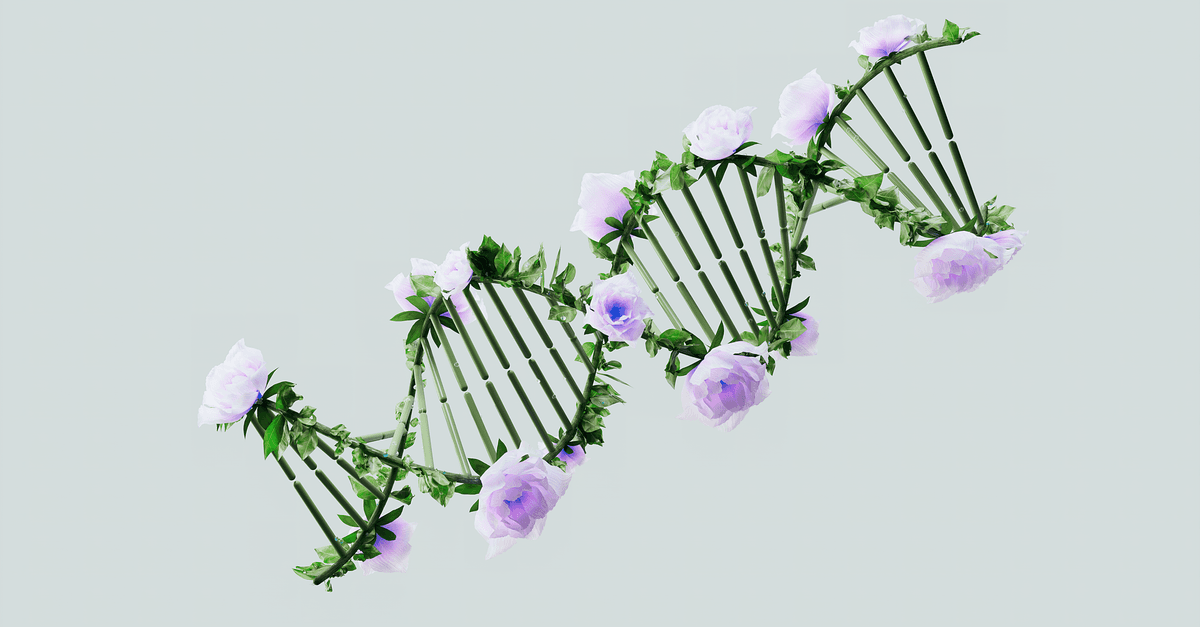
Epigenetics: How Your Environment Changes the Way Your DNA Is Read
Your DNA sequence is mostly fixed at birth. But which genes get turned on or off is a different story entirely.
Biology and health news: genetics, cancer research, brain science, new treatments, and medical breakthroughs explained clearly.
Your DNA sequence is mostly fixed at birth. But which genes get turned on or off is a different story entirely.
No ant understands the colony. Yet together, millions of them build cities, fight wars, farm crops, and solve optimization problems that stump computers.
Deep learning systems can now turn brain recordings into text, speech, and rough images. Here is how it works, what it needs, and where it stops.
A bar-tailed godwit flies 11,000 km non-stop from Alaska to New Zealand. How animals navigate across hemispheres remains one of biology's great mysteries.
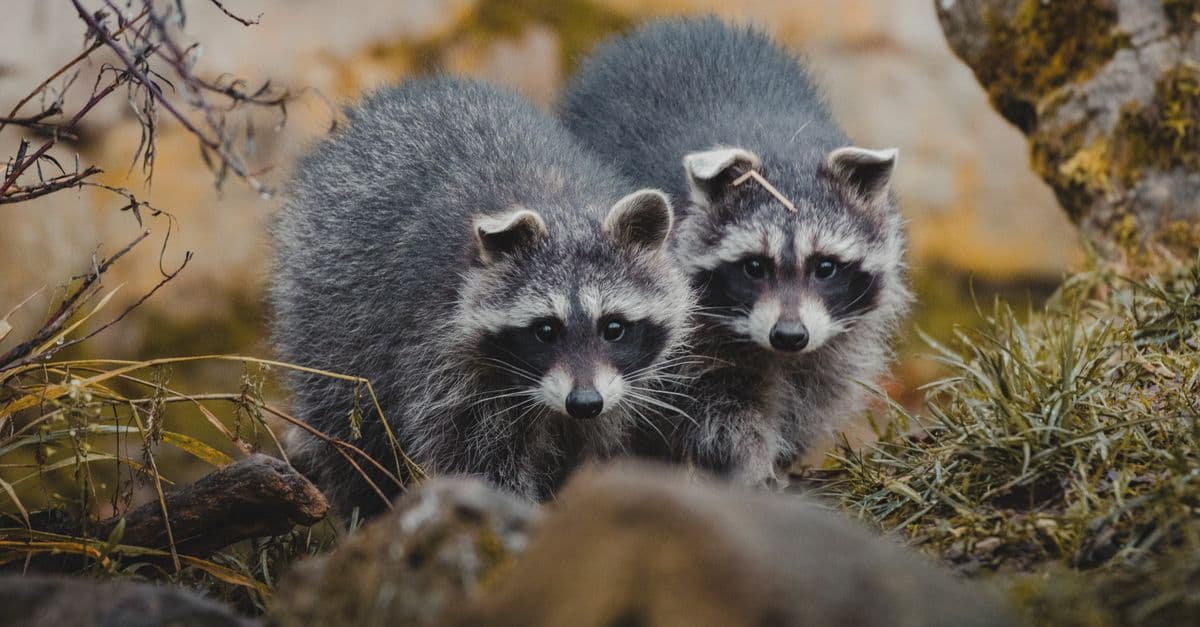
Bats build a 3D map of the world from sound echoes — a sensory system so precise it can detect a wire 0.3mm thick in total darkness.
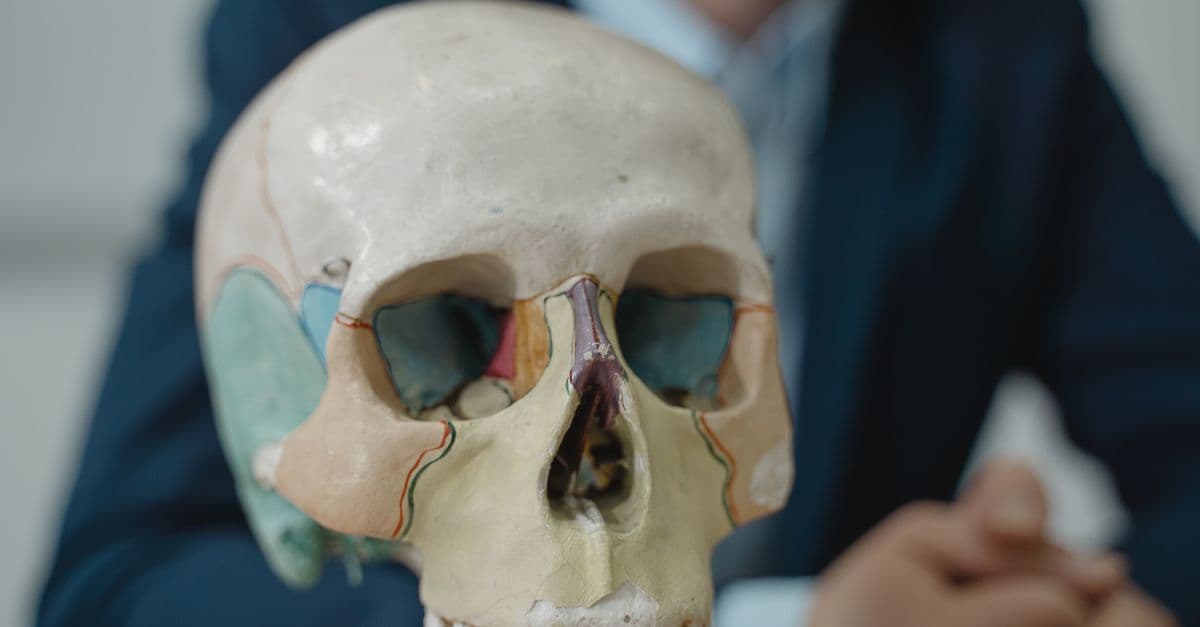
The liver performs over 500 distinct functions and is the only internal organ that can fully regenerate itself from just 25% of its original tissue.
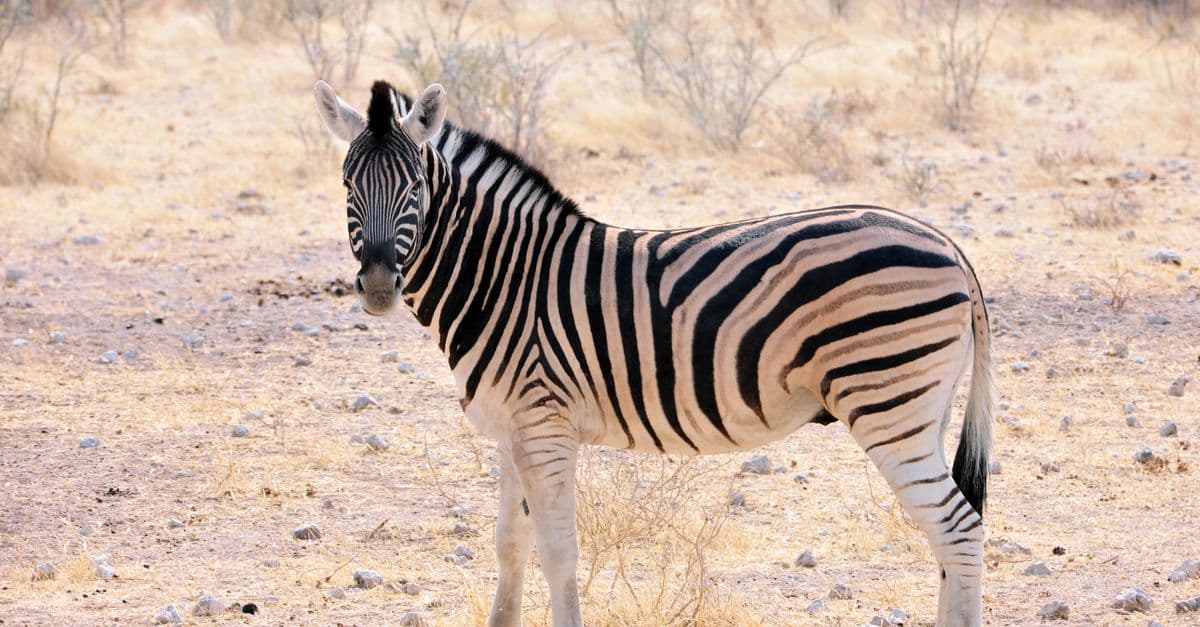
Elephants remember watering holes used decades ago and recognize family members after 23 years apart. Here's the science behind that.
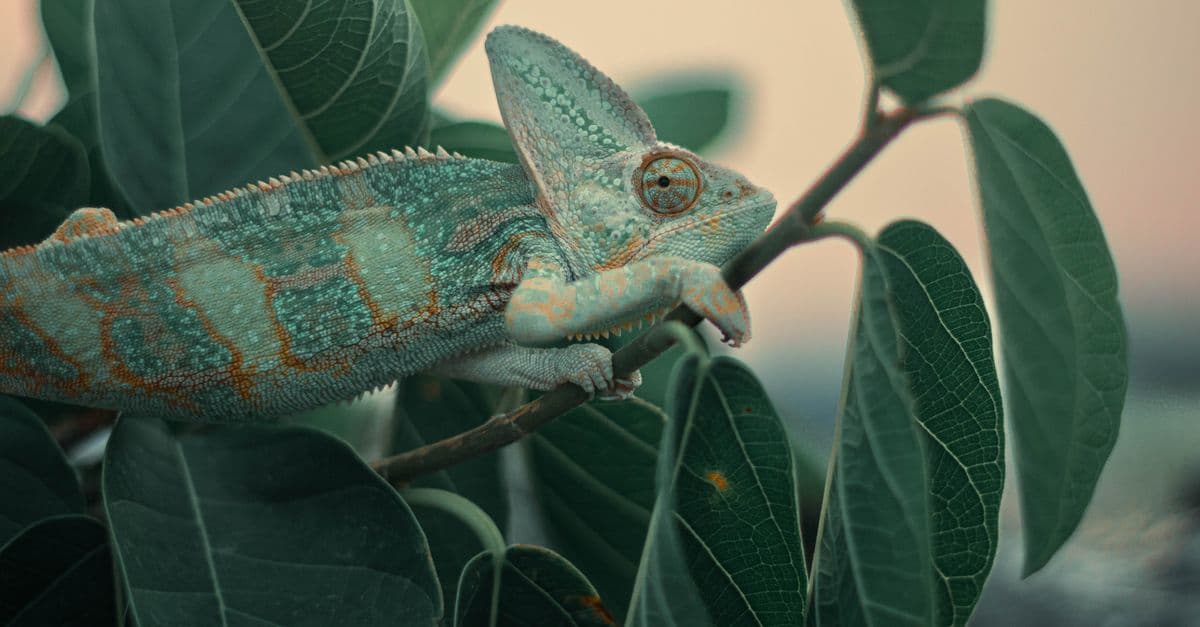
Octopuses have nine brains, blue blood, and three hearts — and their intelligence evolved completely independently from ours.
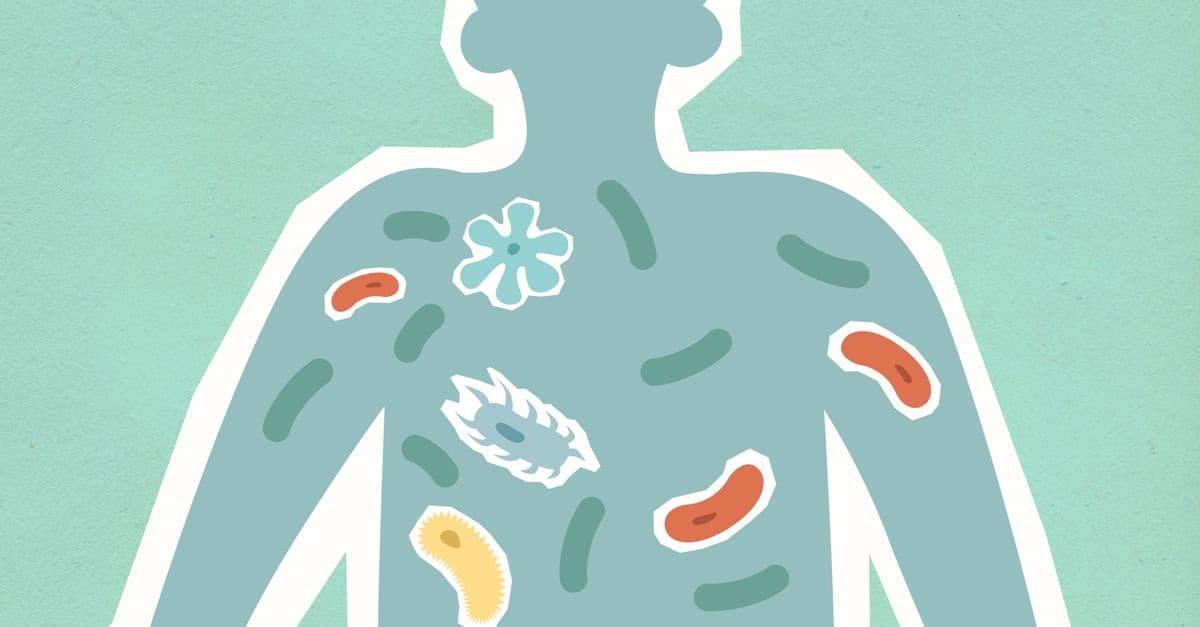
Your heart beats about 100,000 times a day without a single conscious thought. Here's the remarkable engineering behind it.
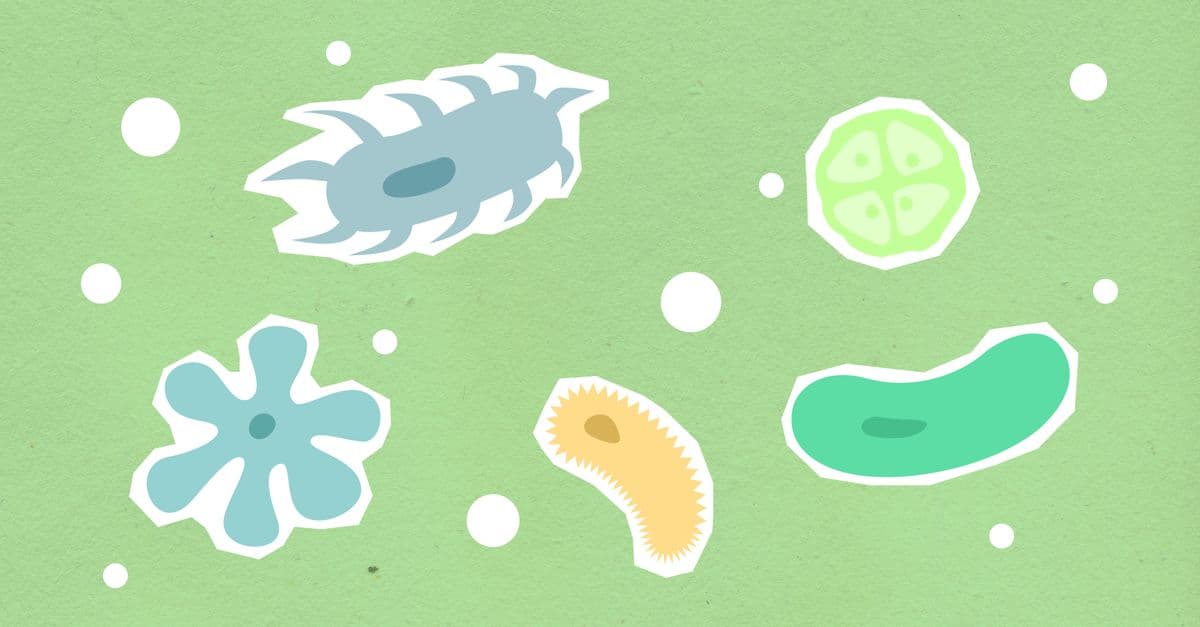
How structural understanding of antibodies revealed how immune system recognizes pathogens
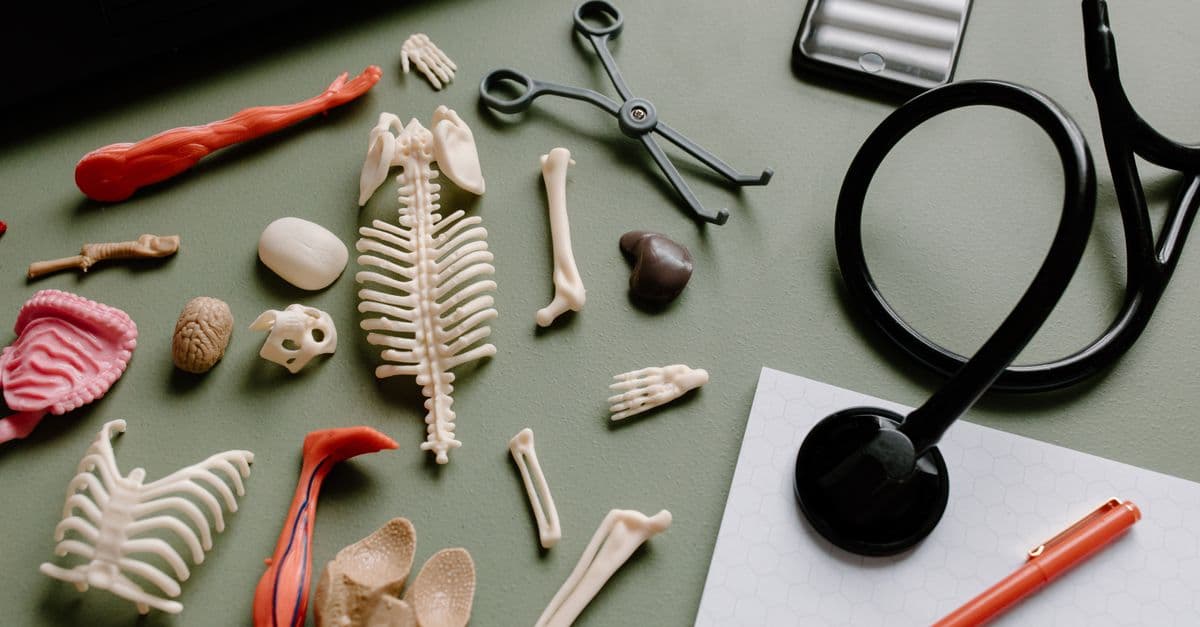
How Karl Landsteiner discovered ABO blood groups enabling safe blood transfusions
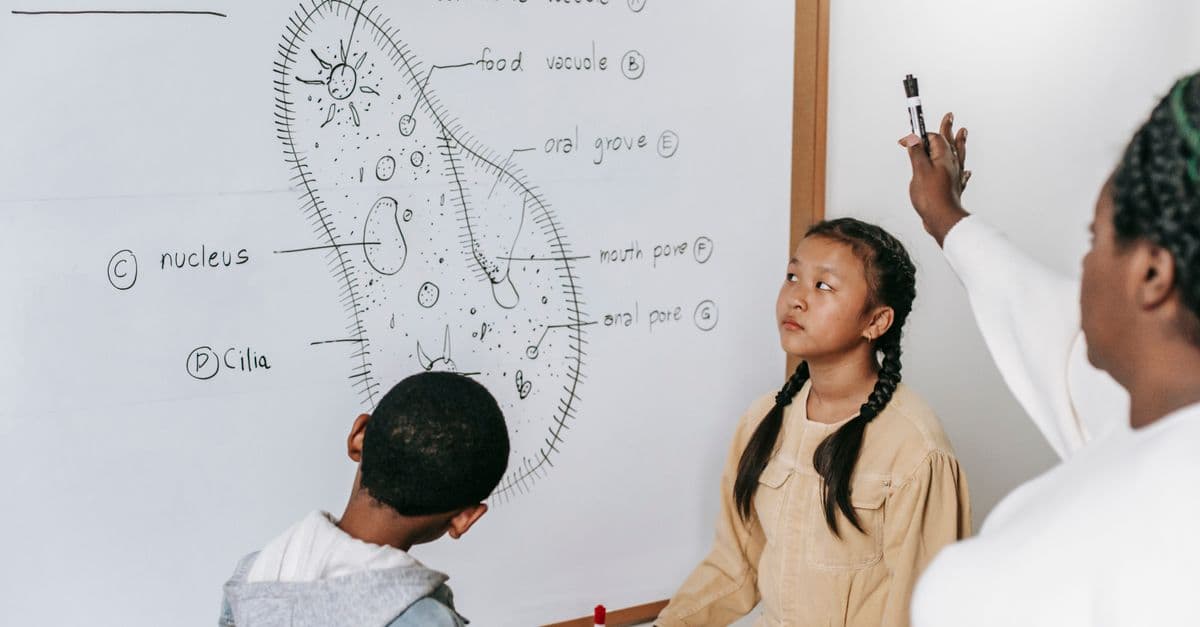
How electron microscopy and AI map complete neural circuits, revealing how brains process information, learn, and generate behavior.