Biology & Health
How Dogs Understand Humans: The Science of the World's Oldest Partnership
Dogs can read human emotions, follow pointing gestures, and understand hundreds of words — abilities even our closest primate relatives often lack.
Biology and health news: genetics, cancer research, brain science, new treatments, and medical breakthroughs explained clearly.
Dogs can read human emotions, follow pointing gestures, and understand hundreds of words — abilities even our closest primate relatives often lack.
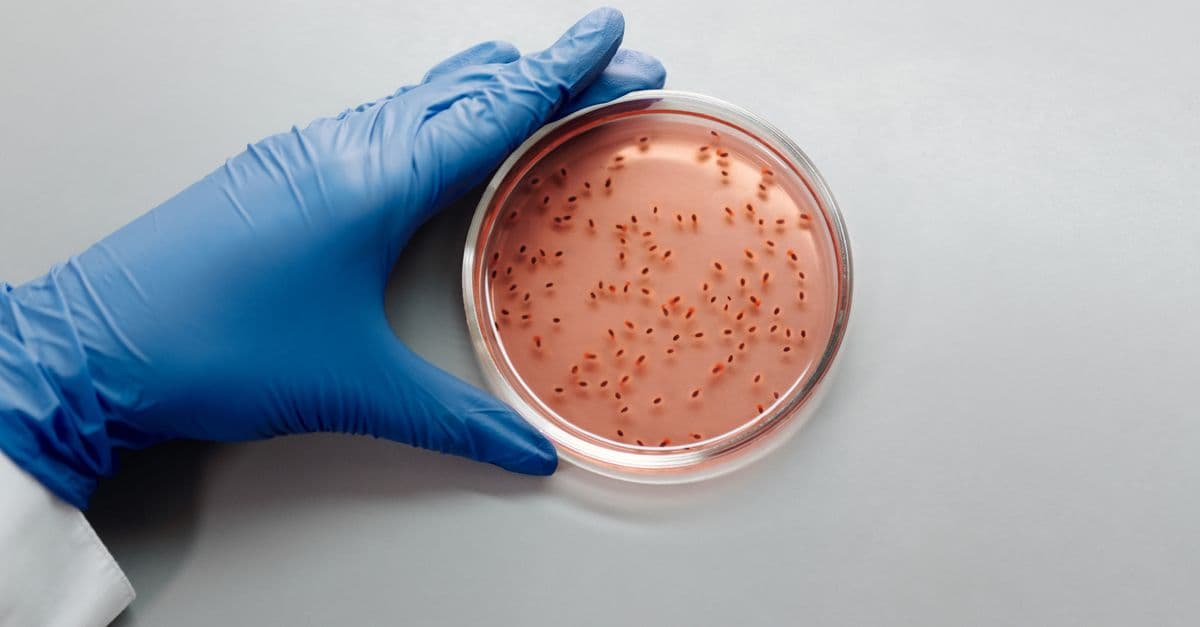
A single fertilized egg becomes a complete human being, and a few of its descendants never stop being flexible. This is how stem cells work, how scientists learned to reprogram them, and which therapies have reached patients.
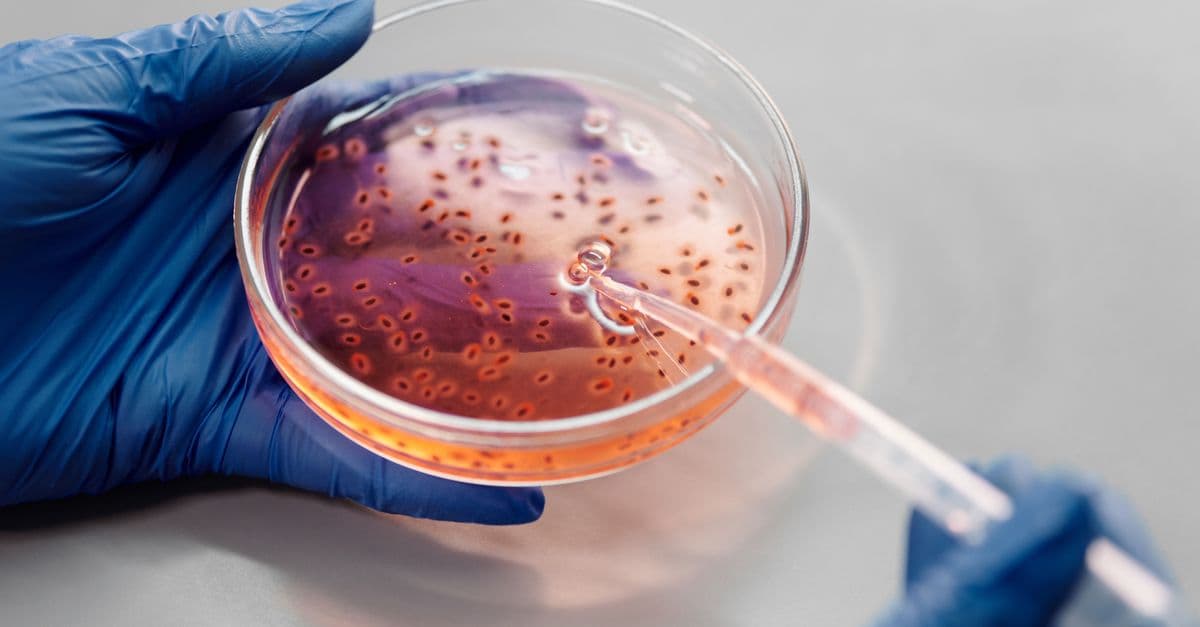
Humans and chimpanzees share a common ancestor from roughly 6 to 7 million years ago. Here is how fossils, tools, and ancient DNA reconstruct what happened next.
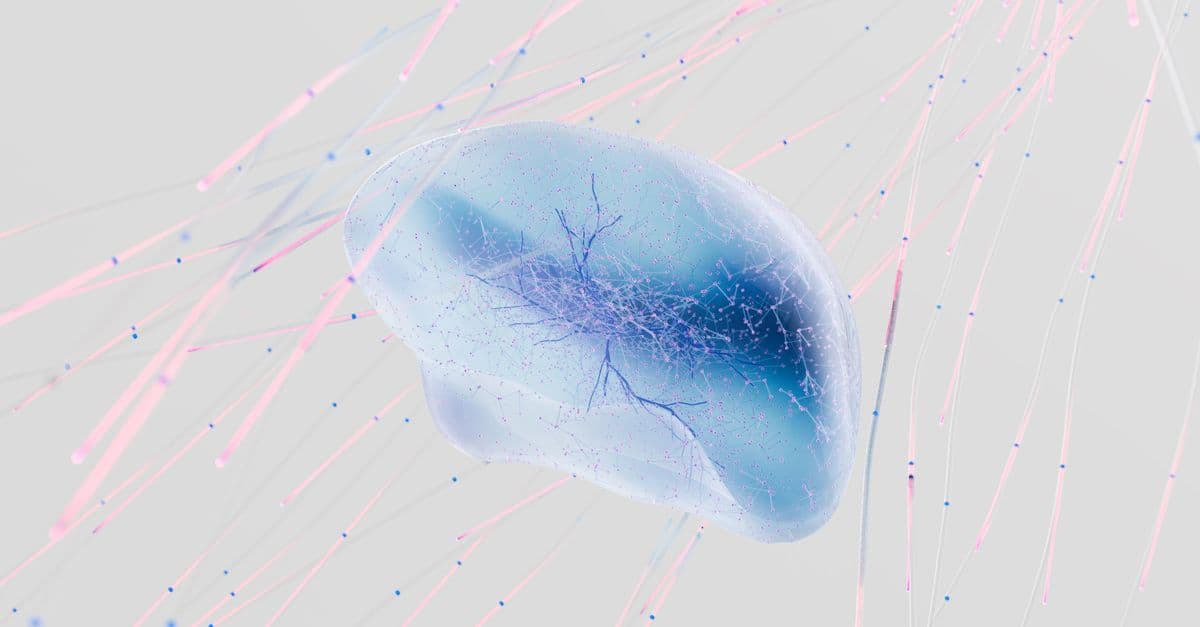
Your brain peaks at different ages for different skills, and some abilities actually improve with age. The neuroscience of brain aging is far more nuanced than the simple story of decline.
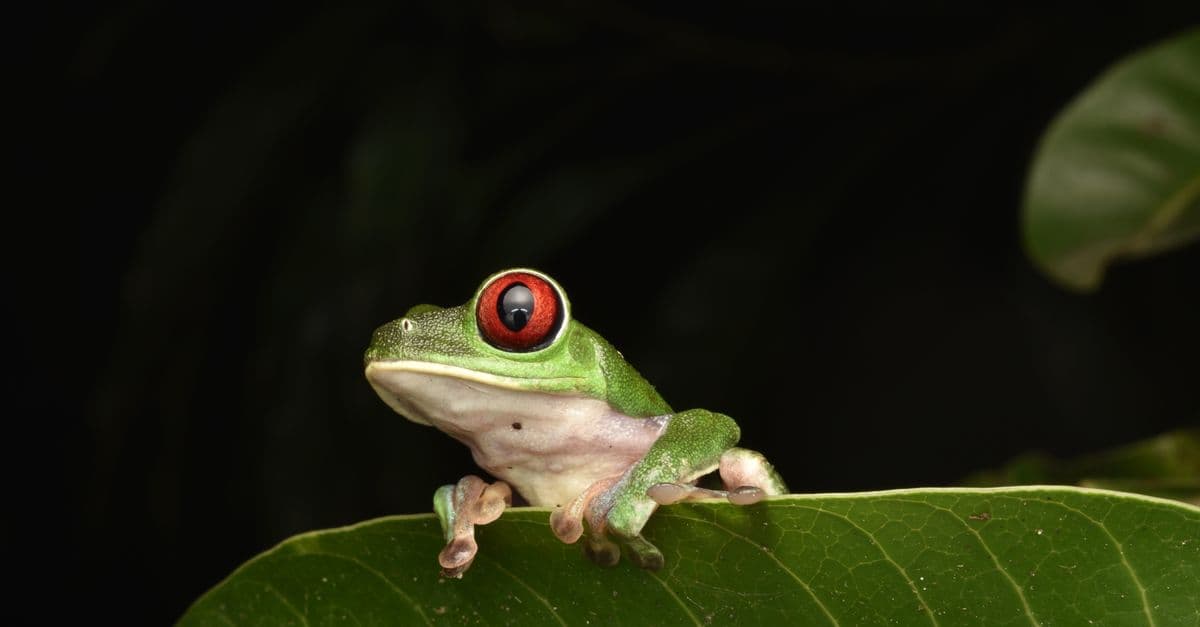
Below 200 meters, there is no sunlight — yet roughly 76% of deep-sea animals produce their own light. The deep ocean is full of living lanterns.
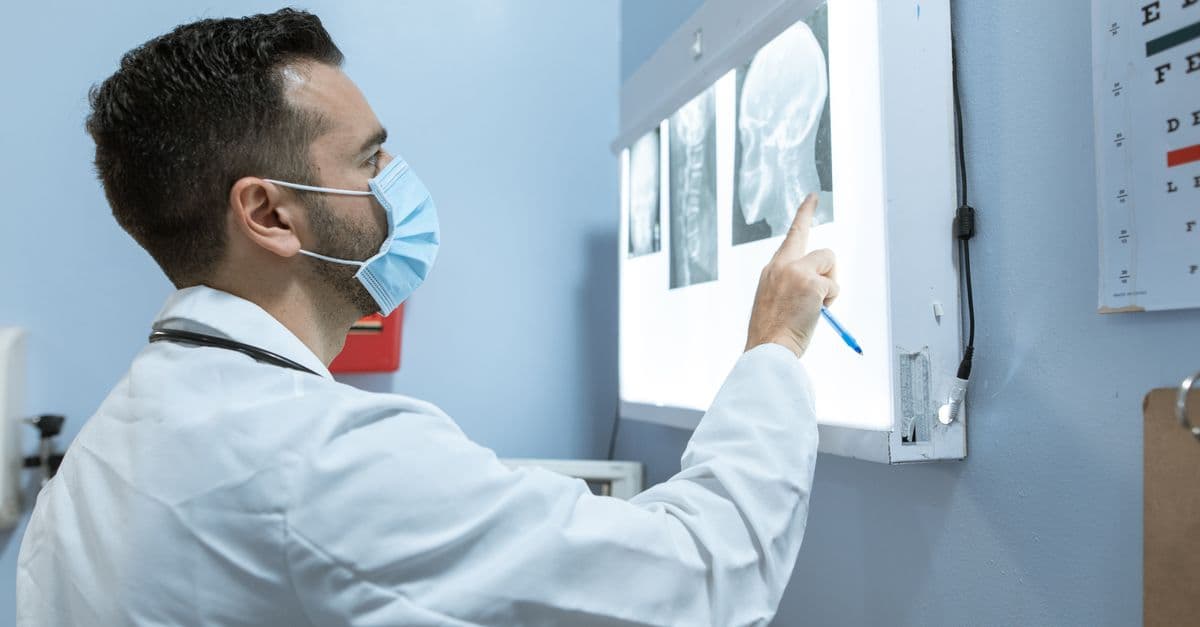
Language is the most complex thing the human brain does. Understanding how neurons transform thought into speech, and speech back into thought, reveals what makes us uniquely human.
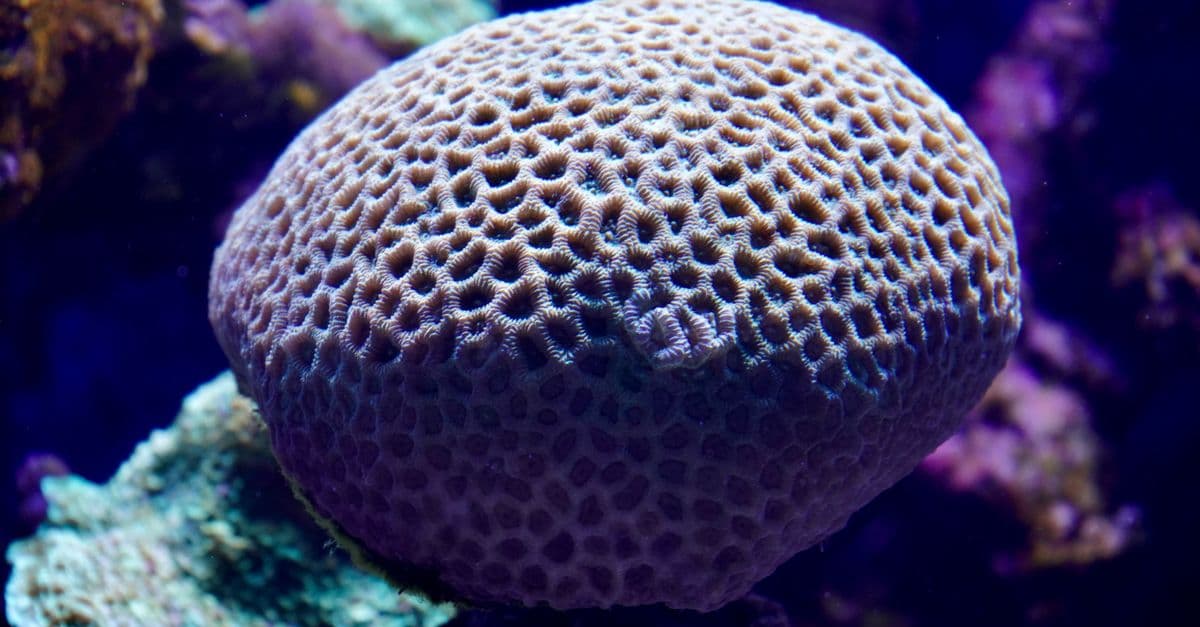
Why does anything feel like anything at all? The hard problem of consciousness may be the deepest unsolved question in all of science — and neuroscience is just beginning to grapple with it.
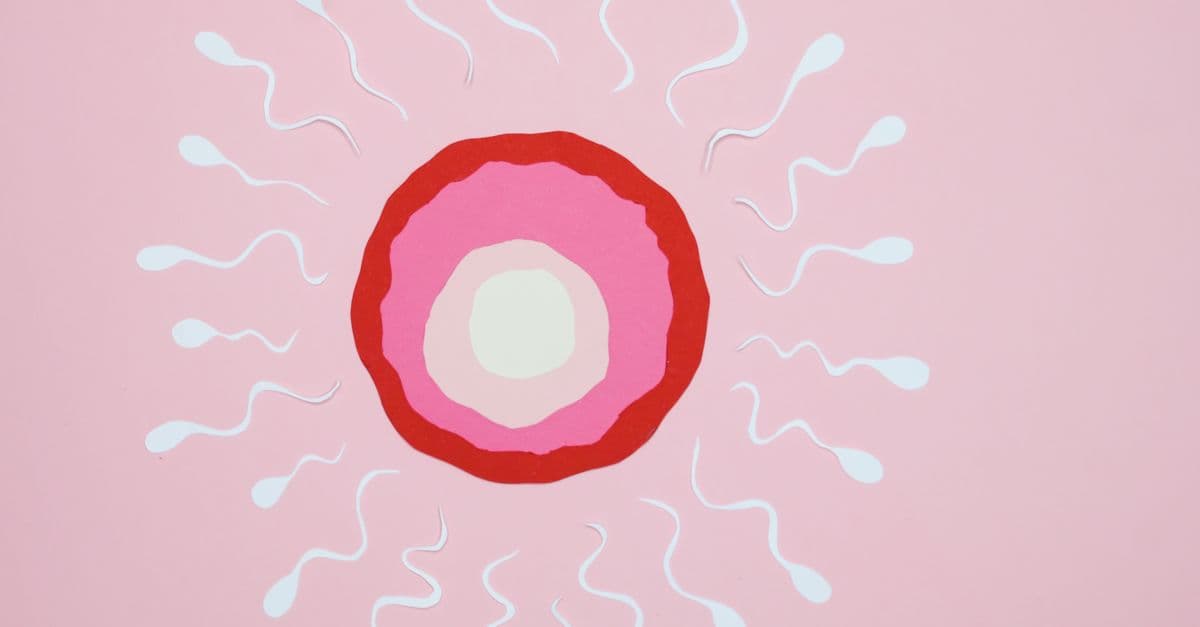
Viruses are not quite alive, yet they've shaped every living thing on Earth. Here's how they hijack your cells and replicate themselves from the inside out.
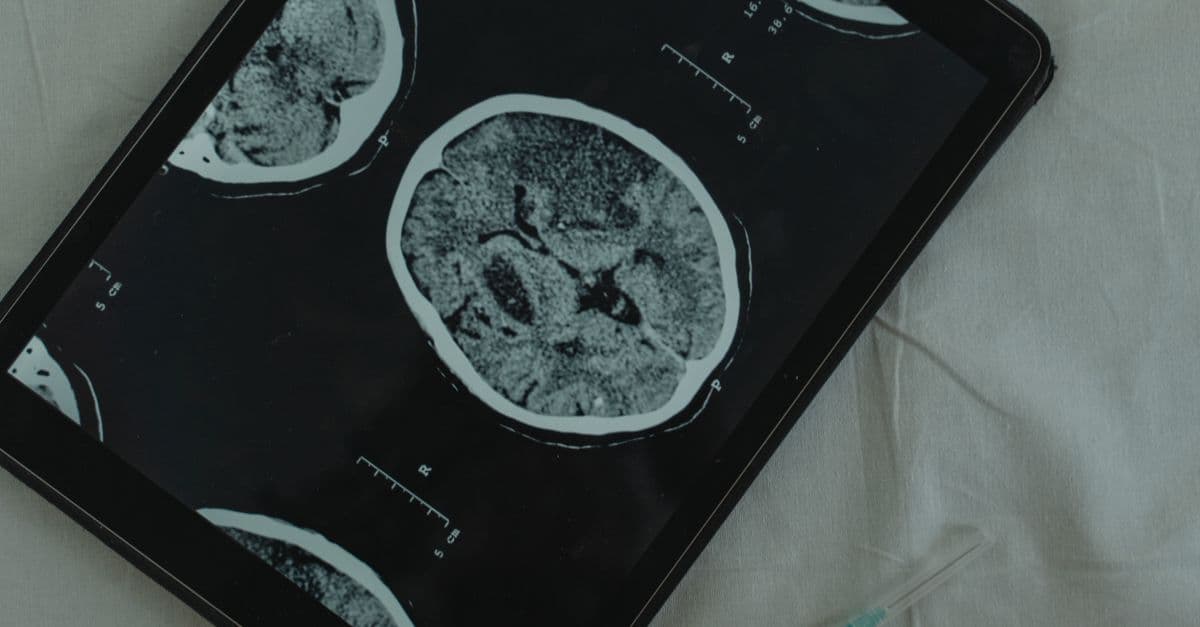
Sleep feels passive, but your brain is doing some of its most critical work while you're unconscious — consolidating memories, regulating emotion, and possibly clearing waste.
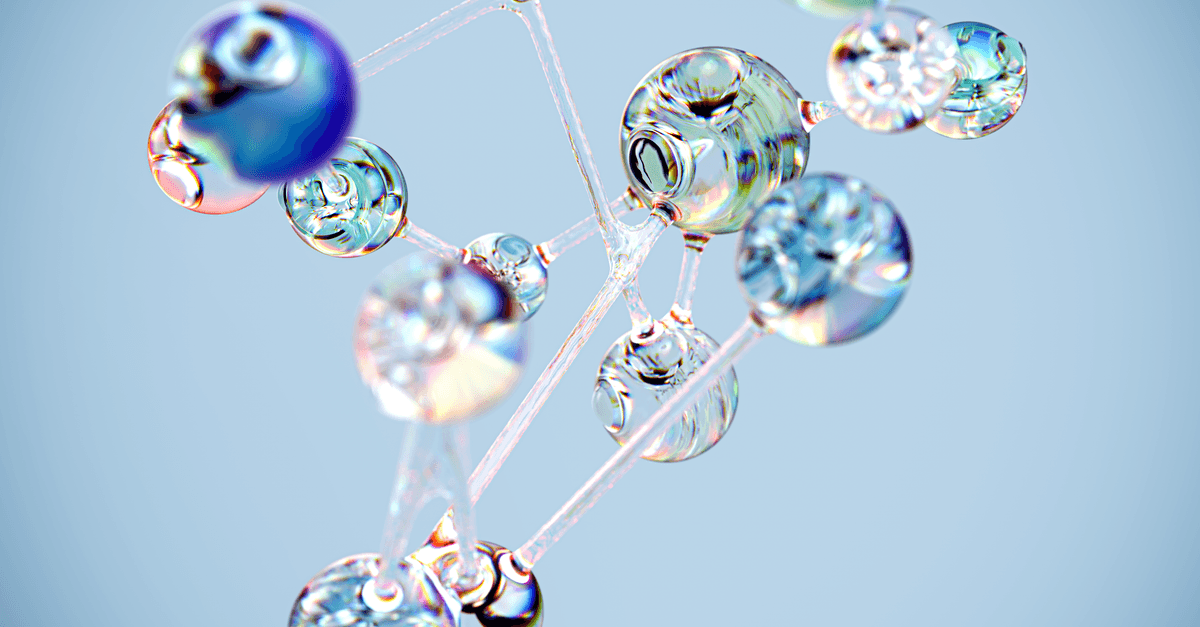
Machine learning is making CRISPR more precise and predictable, designing better guide RNAs and anticipating off-target edits before they happen.
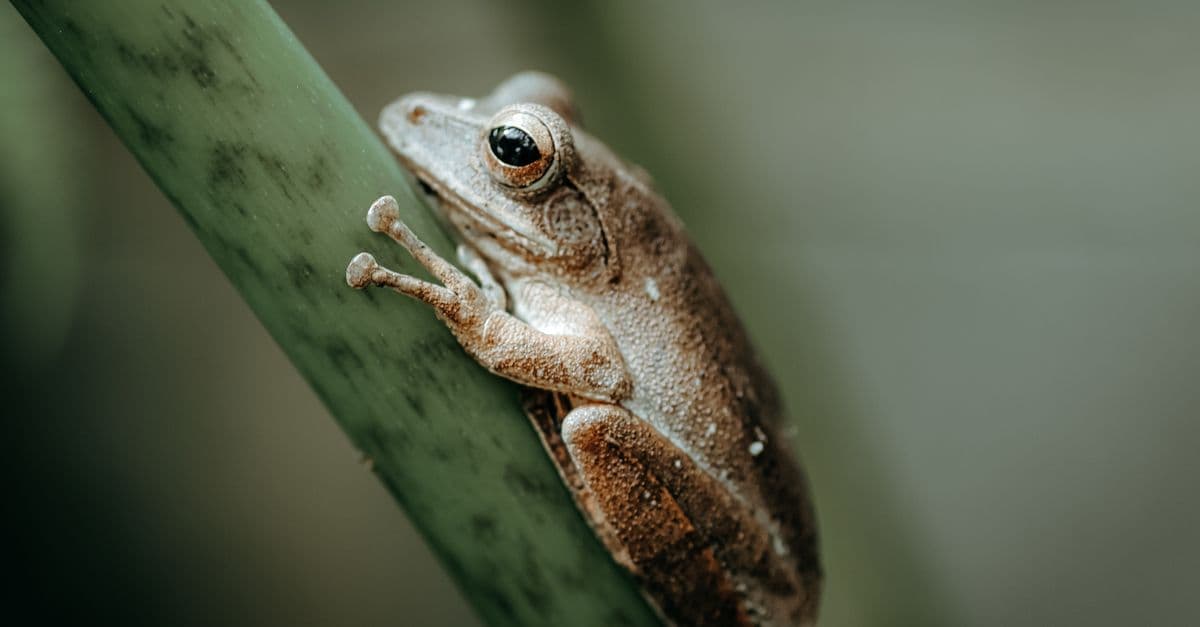
Chameleons don't change color with pigment — they tune light like a crystal, rearranging nanostructures to shift wavelengths in seconds.
Cats purr when happy, but also when injured, dying, or stressed. The vibration may be self-medicating — healing bones at 25–50 Hz.