How Fast Could Dinosaurs Run?
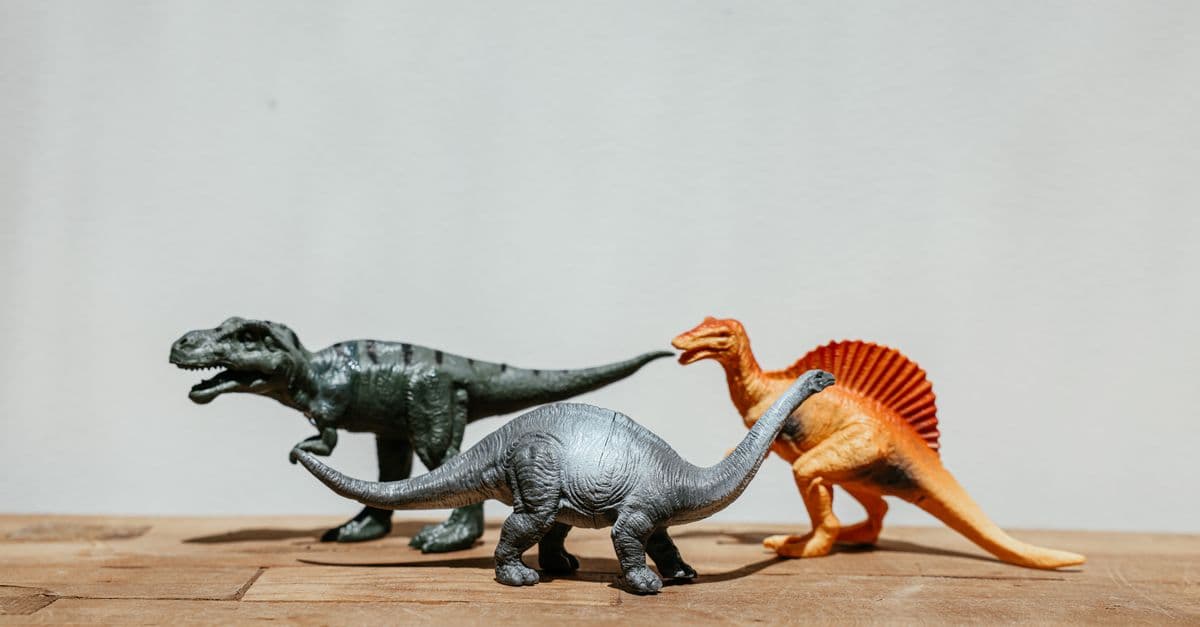
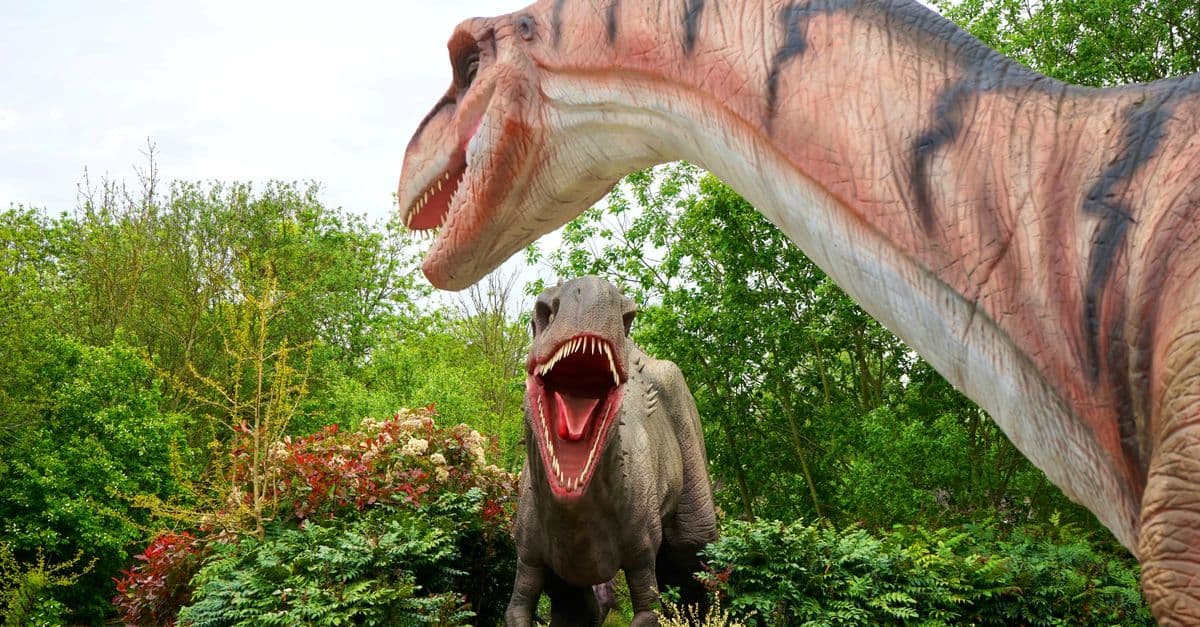
Photo: Cup of Couple / Pexels
No dinosaur ever ran on a treadmill hooked up to a stopwatch, so every speed you have ever seen attached to a Tyrannosaurus rex or a Velociraptor is a calculated estimate, not a measurement. Paleontologists build those estimates from fossil footprints, leg-bone proportions, and computer models of muscle and bone stress. The numbers they get back are surprisingly specific, and surprisingly slower than the movies suggest.
Why dinosaur speed can't just be "clocked"
There is no video of a live dinosaur, so speed has to be reconstructed the way a crash investigator reconstructs a car accident: from the physical evidence left behind. The two main evidence types are fossil trackways, which are sequences of footprints preserved in what was once soft mud, and skeletons, which reveal how long the legs were, how the joints worked, and how much muscle likely attached where.
Trackways are useful because a walking or running animal leaves a stride length, and the relationship between stride length, leg length, and speed is fairly predictable in living animals. Skeletons are useful because a computer can be given a dinosaur's exact bone geometry, estimated body mass, and estimated muscle mass, then be asked to simulate how fast that body could move before something breaks. Neither method is perfect on its own, so the strongest estimates use both and check whether they agree.
The footprint method: reading a fossil trackway
A trackway is a fossilized walkway, and the spacing between one footprint and the next — the stride length — tells you something about how fast the animal was moving when it made that particular trackway, on that particular day, on that particular surface.
In 1976, biomechanist R. McNeill Alexander published a formula that turns stride length, hip height, and gravity into an estimated speed, based on how living animals such as ostriches, horses, and humans move at different stride lengths relative to their leg length. Applied to dinosaur trackways, the Alexander equation has produced most of the walking-speed and jogging-speed estimates you see quoted for dinosaurs, generally in the range of a few kilometers per hour for slow walking up to roughly 20 km/h (12 mph) for the faster trackways found so far.
The catch is that no confirmed dinosaur trackway shows a full sprint. Running animals tend not to leave footprints in soft enough ground to fossilize, so trackways are best at capturing walking and jogging behavior, not the outer limit of top speed.
How accurate is the trackway method?
Trackway-based estimates are useful for ballpark, everyday-pace numbers but are not precise. A 2024 study testing the same formulas against living ostriches walking on soft ground found the equations consistently overestimated real speed, meaning classic trackway-derived dinosaur speeds may be biased on the high side. (Study published in PeerJ, 2024)
The muscle-and-bone method: building a virtual dinosaur
Because trackways cannot capture a full sprint, the estimates you see for a dinosaur's maximum possible speed usually come from a different approach: building a digital skeleton, adding estimated muscle mass at the correct attachment points, and running physics simulations to see how fast the model can move its legs before the joints or bones would fail.
This is closer to how modern engineers test a car's structural limits in software before building a prototype. The 2007 Sellers and Manning study, which produced the Compsognathus and Velociraptor figures above, used "evolutionary robotics," in which thousands of virtual dinosaur models tried different leg-movement patterns and the simulation kept whichever pattern moved the model fastest without exceeding realistic muscle force. Later refinements to this technique added constraints on bone stress, which is what pushed T. rex speed estimates down over time.
Why has the T. rex speed estimate kept dropping?
Early 2000s estimates for T. rex ranged as high as 40 to 70 km/h (25 to 43 mph), based on leg-length comparisons to fast living animals. A 2017 study using detailed musculoskeletal and stress modeling brought that down to roughly 17 to 24 km/h (10 to 15 mph), and a 2021 stress-constrained analysis using multibody dynamics suggested T. rex's own leg bones would likely fracture at speeds much above about 19 km/h (12 mph), meaning fast walking or a slow jog was probably its ceiling, not a sprint. (Van Bijlert et al., 2021, published via multibody dynamic analysis research)
Why big dinosaurs were probably not fast
A two-tonne animal moving quickly generates enormous forces every time a foot hits the ground, and bone can only absorb so much force before it cracks. This is the same reason a large elephant cannot sprint the way a cheetah can: leg bones do not scale up in strength as fast as body mass scales up in weight, so the biggest land animals are structurally limited to a walk or a slow trot no matter how much muscle they have.
T. rex also carried a massive head and tail that had to be balanced with every stride, and its legs, while long, were proportioned more like a bird's walking legs than a cheetah's sprinting legs. Small, lightweight theropods like Compsognathus faced none of these constraints. Less mass per stride means less bone-breaking force, which is a large part of why the fastest dinosaur estimates on record belong to small species, not the famous giants.
Common misconceptions about dinosaur speed
The idea that T. rex could outrun a jeep, popularized by Jurassic Park, is now considered biomechanically implausible by most researchers. The 2017 and 2021 modeling studies both concluded a running gait at high speed would have subjected T. rex leg bones to forces well beyond what bone tissue can safely absorb, meaning it likely could not run in the strict biomechanical sense (having a moment where all feet leave the ground) at all, only a fast, striding walk.
Another common assumption is that longer legs always mean a faster animal. Leg length matters, but so does how much of that leg is muscle versus how much is a lightweight lower limb, how the joints are angled, and how heavy the rest of the body is. Ostriches, for comparison, have legs proportioned for genuine speed and can reach roughly 70 km/h (43 mph), a build very different from T. rex's far more massive frame despite both being bipedal. (Estimates from comparative ratite locomotion research)
The tail was not dead weight, it was an active balance system
For decades, the long tail carried by bipedal dinosaurs like Tyrannosaurus and Velociraptor was treated in speed models mainly as a passive counterweight, a rigid rod that balanced the torso and head over the hips and nothing more. A 2021 study published in Science Advances overturned that assumption using the first fully predictive, muscle-driven 3D running simulations built for a bipedal non-avian theropod, Coelophysis, validated first against a living theropod descendant, the tinamou bird, to make sure the simulation matched how real animals move (Science Advances, "Predictive simulations of running gait reveal a critical dynamic role for the tail in bipedal dinosaur locomotion," 2021).
The simulations showed dinosaurs actively wagged their tails side to side while running, using the motion to manage angular momentum, the rotational force that builds up as a two-legged runner's body weight shifts from one leg to the other with every stride (RVC, "Computer simulations reveal dinosaurs wagged their tails when running"). Think of it the way a tightrope walker uses a long pole, not just to look balanced, but to actively counter-rotate against every small wobble in real time. Without that active tail motion, the simulated dinosaurs needed more muscular effort from their legs just to stay upright, meaning the tail was not simply along for the ride, it was doing mechanical work that made running more efficient. That efficiency gain matters directly for top-speed estimates, because a body that spends less muscular effort on balance has more capacity left over to spend on forward propulsion.
What the "sickle claw" was actually for
Velociraptor and its relatives, a group called dromaeosaurids, are famous for the enlarged, curved claw on the second toe of each foot, popularly assumed to be a slashing weapon deployed mid-sprint. A musculoskeletal modeling study of the closely related Deinonychus tested that assumption directly by building a digital model of the hindlimb and calculating how much force the claw could actually generate at different postures (PMC, "Testing the function of dromaeosaurid 'sickle claws' through musculoskeletal modelling and optimization").
The model found that more crouched leg postures and larger flexor muscles increased the force available at the claw, which matches predatory use. But the total force the claw tip alone could generate was relatively small, suggesting the animal's body weight was likely transmitted through the broader foot rather than concentrated at the claw tip during a strike or a stride. For a speed article, the practical takeaway is that dromaeosaurid legs were optimized as much for grip and predatory control as for raw stride length, a reminder that "built for speed" and "built to kill" are not automatically the same skeletal design, even in an animal fast enough, at roughly 39 km/h (24 mph) by the Sellers and Manning estimate, to have been a genuine sprinter.
The fastest confirmed footprints ever found
Because sprinting animals rarely leave footprints on ground firm enough to fossilize, most trackway speed records sit well below the biomechanical maximum-speed estimates from musculoskeletal modeling. That gap narrowed considerably with a 2025 discovery from Ordos, Inner Mongolia, China, where researchers identified a medium-sized theropod trackway showing a running speed of roughly 45 km/h (28 mph), now recognized as the fastest speed calculated from any confirmed Cretaceous theropod trackway worldwide (Science China Earth Sciences via EurekAlert, "The fastest-running theropod trackway in the Cretaceous from Ordos, Inner Mongolia, China," 2025; IFLScience coverage).
Researchers calculated the speed the same way Alexander's original method works: estimating the trackmaker's hip height from footprint size, then applying stride length to the physics of pendulum-like leg motion. The trackway site itself is unusually long, extending roughly 81 meters (266 feet), among the longest single dinosaur trackways documented in China, which gave researchers many consecutive strides to work with rather than the two or three footprints typical of most trackway finds (EurekAlert). A longer, more consistent stride sequence produces a more reliable speed calculation than a short, isolated set of prints, because researchers can check whether the stride length stays consistent, a sign the animal was moving at a steady pace rather than caught mid-stumble or mid-turn.
How does this compare to the general trackway pattern?
Broader trackway surveys consistently show a size split: small, lightweight bipedal dinosaurs were capable of running speeds up to roughly 35 to 40 km/h (22 to 25 mph), while larger bipedal dinosaurs were most likely restricted to walking or slow trotting gaits, generally estimated in the 15 to 20 km/h (9 to 12 mph) range (summary of trackway speed research reported via ScienceDirect, "Speeds and gaits of dinosaurs"). The 45 km/h Ordos trackway sits at the high end of that range for a medium-sized theropod, reinforcing the broader pattern that body size, not leg length alone, is the strongest single predictor of how fast a given dinosaur trackway will show.
Why even giant sauropods weren't built for speed, according to body-mass modeling
Speed research is not limited to two-legged predators. A 2025 study in Scientific Reports examined the relationship between body mass and maximum speed across giant four-legged animals, comparing living elephants and extinct sauropod dinosaurs, some of which weighed tens of tonnes (Scientific Reports, "The body mass-maximum speed relationship and the athletic capability of giant proboscideans and sauropods").
The analysis reinforces the same underlying physics that limits T. rex: past a certain body mass, maximum speed does not scale up, it scales down, because leg-bone strength increases roughly with cross-sectional area while body weight increases with volume, so bigger animals carry disproportionately more load per unit of bone strength. A 500-kilogram animal and a 5,000-kilogram animal do not have leg bones ten times stronger just because the second animal is ten times heavier; the bone strength gain lags well behind the weight gain. That mismatch is why the largest sauropods, likely the heaviest animals to ever walk on land, were almost certainly limited to a plodding walk, never able to run in the biomechanical sense of a gait with an airborne phase, regardless of how much raw muscle they carried.
What this means for how paleontologists work
Dinosaur speed research is a clear example of how paleontology actually operates: not as guessing, but as building a model, testing it against multiple independent lines of evidence, and revising the number when a better method comes along. The consistent downward revision of T. rex's top speed, from action-movie sprinter to brisk walker, is not a failure of earlier science. It reflects better computing power, better stress-testing methods, and more skeletal data becoming available over 20 years of research.
For a reader, the honest takeaway isn't a single number to memorize. It's that "how fast" always comes with a method attached, and the method changes what confidence you should place in the answer. Another question about dinosaur biology is covered in did dinosaurs roar.
Quick reference: what the estimates actually say
| Dinosaur | Estimated top speed | Method | Source |
|---|---|---|---|
| Compsognathus | ~64 km/h (40 mph) | Evolutionary robotics simulation | Sellers & Manning, 2007 |
| Velociraptor | ~39 km/h (24 mph) | Evolutionary robotics simulation | Sellers & Manning, 2007 |
| Tyrannosaurus rex | ~12–24 km/h (7–15 mph) | Stress-constrained musculoskeletal modeling | Multiple studies, 2017–2021 |
| Fastest confirmed trackway pace (general theropods) | up to ~20 km/h (12 mph) | Alexander stride-length equation on fossil footprints | Alexander, 1976; applied broadly since |
| Ostrich (for comparison, living animal) | ~70 km/h (43 mph) | Direct field and treadmill measurement | Comparative locomotion research |
Table: Estimated dinosaur running speeds compared across biomechanical methods. Ranges reflect genuine scientific uncertainty, not imprecise reporting.
The takeaway
Dinosaur speed is never a single clean fact, it's the output of a model built from bones, footprints, and physics, and the honest version of the story includes the method and the uncertainty, not just the headline number. What the evidence consistently shows is that small, lightweight theropods like Compsognathus and Velociraptor were the genuine sprinters of the dinosaur world, while giants like T. rex were almost certainly built for a fast, purposeful walk rather than a chase-scene sprint. That is not a less interesting answer than the movies, it's a more precise one, and it is a good model for how paleontologists turn incomplete fossil evidence into testable science.
Read next:
- How Do We Know What Dinosaurs Looked Like?
- What Killed the Dinosaurs: The Chicxulub Asteroid Impact Explained
- Did Dinosaurs Have Feathers? The Fossil Evidence Explained
Frequently Asked Questions
Q: How fast could a T. rex actually run? A: Most recent biomechanical studies estimate T. rex's top speed at roughly 12 to 24 km/h (7 to 15 mph), which is closer to a fast human jog than a sprint. Studies from 2017 and 2021 concluded its leg bones would likely fracture under the stress of a genuine high-speed run, making a brisk walking gait its probable limit.
Q: What was the fastest dinosaur? A: Based on a 2007 evolutionary robotics study, the small theropod Compsognathus is estimated to have reached roughly 64 km/h (40 mph), making it the fastest dinosaur speed estimate on record, ahead of Velociraptor at roughly 39 km/h (24 mph).
Q: How do scientists estimate dinosaur speed without seeing them move? A: Scientists combine two approaches: measuring stride length in fossil trackways and applying formulas calibrated on living animals, and building digital skeletal models with estimated muscle mass that are simulated under physics constraints to find the fastest gait the bones and muscles could handle without failing.
Q: Why do dinosaur speed estimates keep changing? A: Estimates change as computing power improves, as more complete skeletons are found, and as researchers add new constraints, such as bone-stress limits, to their models. The consistent trend for T. rex has been downward, from over 40 km/h in early estimates to under 24 km/h in stress-constrained studies from 2017 onward.
Q: Could a human outrun a T. rex? A: Based on the low end of recent biomechanical estimates, around 12 km/h (7 mph), a moderately fit human running an easy jog could plausibly keep pace with or outrun a T. rex at that speed. At the higher end of the estimate range, around 24 km/h (15 mph), it would take a genuine sprint.
Q: Do fossil footprints show dinosaurs actually running? A: Rarely. Fossil trackways mostly capture walking and jogging paces because a sprinting animal is less likely to leave footprints on ground soft enough to preserve, and firm enough to fossilize. This is why maximum-speed estimates usually rely on skeletal and muscle modeling rather than trackways alone.
Q: Did dinosaur tails actually help them run faster? A: Yes, according to 2021 musculoskeletal simulations of the bipedal theropod Coelophysis. The tail actively wagged side to side to counter angular momentum from shifting body weight, reducing the muscular effort the legs needed just to stay balanced, which effectively freed up more capacity for forward propulsion (Science Advances, 2021).
Q: What is the fastest speed ever calculated from a real dinosaur trackway, not a model? A: A 2025 study of a medium-sized theropod trackway from Ordos, Inner Mongolia, calculated a running speed of roughly 45 km/h (28 mph), the fastest speed derived from any confirmed Cretaceous theropod trackway found to date (Science China Earth Sciences / EurekAlert, 2025).
Q: Were sauropods, the largest dinosaurs, capable of running at all? A: Almost certainly not in the strict biomechanical sense of a gait with an airborne phase. A 2025 body-mass and speed analysis comparing sauropods to living elephants found that leg-bone strength does not scale up fast enough to keep pace with body mass in giant land animals, meaning the largest sauropods were most likely limited to a walk (Scientific Reports, 2025).
Sources
- Sellers, W.I. and Manning, P.L., "Estimating dinosaur maximum running speeds using evolutionary robotics," Proceedings of the Royal Society B, 2007. royalsocietypublishing.org
- Sellers, W.I. et al., "Investigating the running abilities of Tyrannosaurus rex using stress-constrained multibody dynamic analysis," PeerJ, 2017. peerj.com
- Van Bijlert, P.A. et al., stress-constrained multibody dynamic analysis of Tyrannosaurus rex running ability, reported via AAAS/Science.org, 2021. science.org
- "Speed from fossil trackways: calculations not validated by extant birds on compliant substrates," PeerJ, 2024. pmc.ncbi.nlm.nih.gov
- Alexander, R. McNeill, original stride-length speed equation, 1976, as applied in dinosaur trackway research summarized at Carleton College SERC. serc.carleton.edu
- "Predictive simulations of running gait reveal a critical dynamic role for the tail in bipedal dinosaur locomotion," Science Advances, 2021. science.org
- "Computer simulations reveal dinosaurs wagged their tails when running," Royal Veterinary College. rvc.ac.uk
- "Testing the function of dromaeosaurid (Dinosauria, Theropoda) 'sickle claws' through musculoskeletal modelling and optimization," PMC. ncbi.nlm.nih.gov
- "The fastest-running theropod trackway in the Cretaceous from Ordos, Inner Mongolia, China," Science China Earth Sciences, 2025, via EurekAlert. eurekalert.org
- "How Fast Were Dinosaurs? 120-Million-Year-Old Trackway Reveals Fastest Cretaceous Theropod Ran At 45 Kilometers Per Hour," IFLScience. iflscience.com
- "The body mass-maximum speed relationship and the athletic capability of giant proboscideans and sauropods," Scientific Reports, 2025. nature.com
Follow new articles
Add SciHub101 to your feed reader to see new science and technology stories.
About the Author
SciHub101 is an independent science and technology publication founded and edited by Buğra Sözeri, a software engineer and app developer based in Türkiye. AI tools assist with drafting and research. Source documentation in the existing archive is uneven, and articles are being reviewed and corrected. The Editorial Team byline identifies editorial responsibility; it does not certify specialist or independent human review. Where we compare products, anything built by our own team is labelled as such — see the editorial guidelines and About page for how corrections and disclosures work.
Related Articles
Were Dinosaurs Colorful?
Fossil pigments, feathers, skin impressions, and living relatives suggest many dinosaurs were more colorful than old museum models.
How Big Were Dinosaur Eggs?
Dinosaur eggs reveal nesting behavior, growth, oxygen limits, shell structure, and why even giant dinosaurs did not lay impossibly huge eggs.
Did Dinosaurs Roar?
Dinosaur sounds are hard to reconstruct, but fossils, living relatives, and anatomy suggest they may have boomed, hissed, rumbled, or cooed.
Velociraptor: The Real Science Behind the Jurassic Park Icon
The Velociraptor in Jurassic Park stands 1.8 meters tall, hunts in coordinated packs, and opens doors. The actual animal was the size of a turkey, covered in feathers, and probably hunted alone. Almost nothing about cinema's most famous raptor matches the fossil record — yet the real animal is, in its own way, more interesting than the fiction.
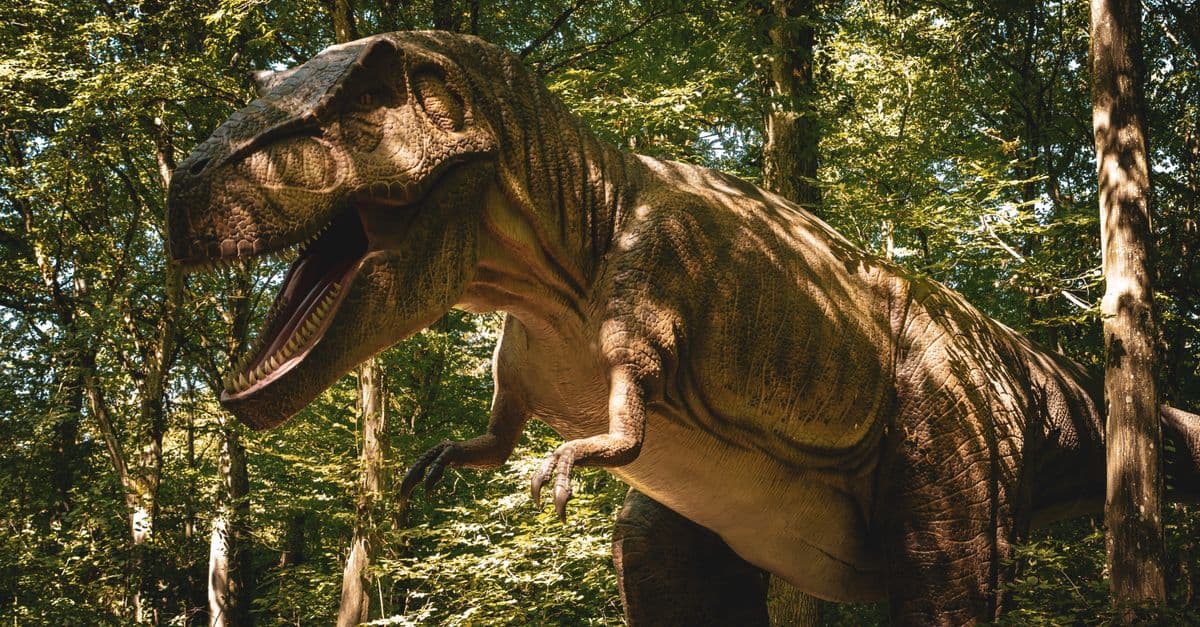
Tyrannosaurus Rex: The Science Behind the World's Most Studied Dinosaur
T. rex is not just a cultural icon — it is the most scientifically studied non-avian dinosaur in history, with over 50 reasonably complete specimens and a research record spanning more than a century. What emerges from that scrutiny is more complex and more surprising than the movie monster: an animal with the most powerful bite force ever measured in a land animal, better depth perception than a hawk, and a growth strategy that turned a 50-kg juvenile into a 9-tonne adult in roughly 20 years.

How Do We Know What Dinosaurs Looked Like? The Science of Reconstruction
Paleontologists don't guess. When they reconstruct a dinosaur, they work from fossilized bones to muscle attachment scars to preserved skin impressions to microscopic pigment organelles locked in ancient feathers. The process is more constrained than most people realize — and more surprising. Some dinosaurs' actual colors are now known with genuine scientific confidence.