Biology & Health
The Cambrian Explosion: When Animal Life Diversified
The Cambrian explosion was a burst of animal diversification about 539 million years ago. Here is the fossil evidence, the timing, and the main explanations.
31 articles tagged with #paleontology
The Cambrian explosion was a burst of animal diversification about 539 million years ago. Here is the fossil evidence, the timing, and the main explanations.


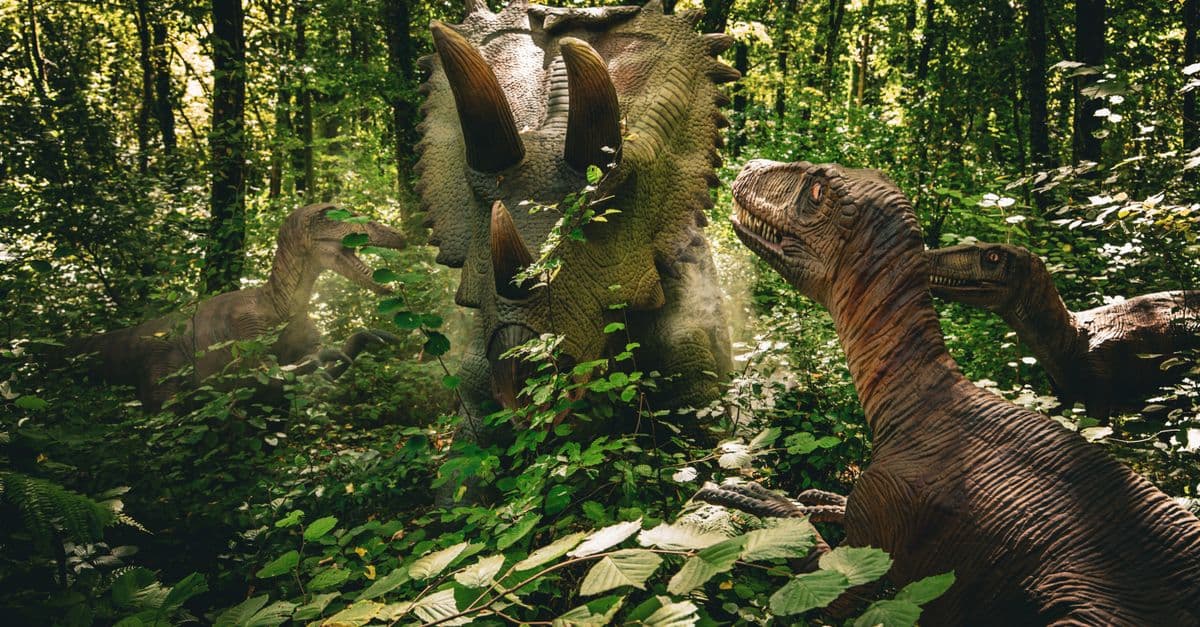
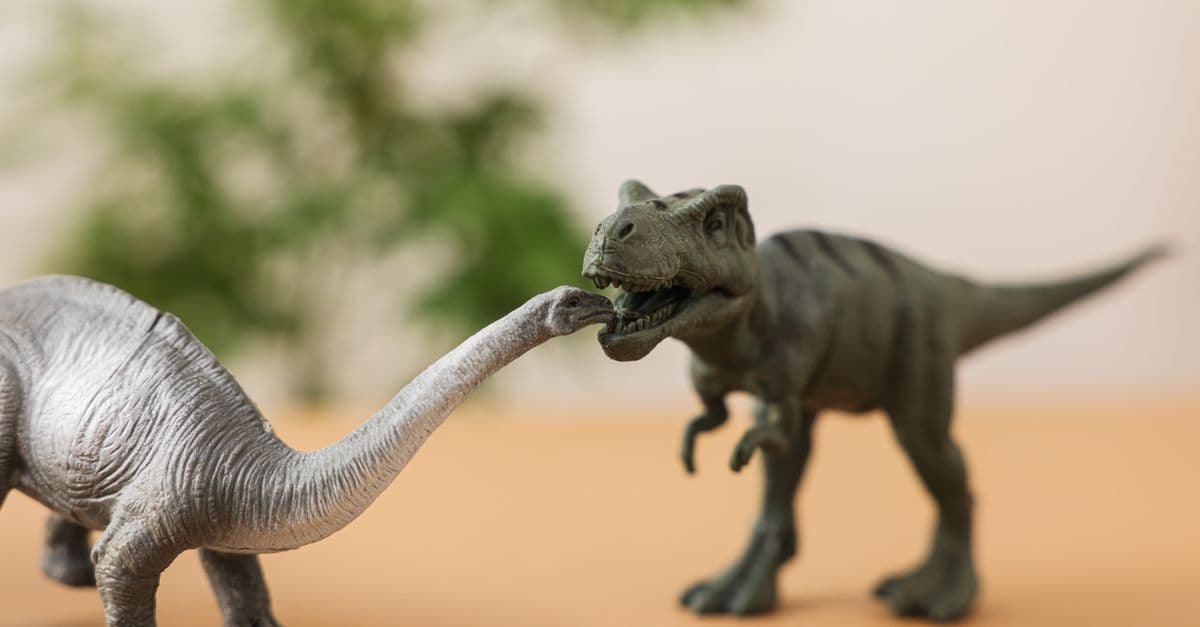
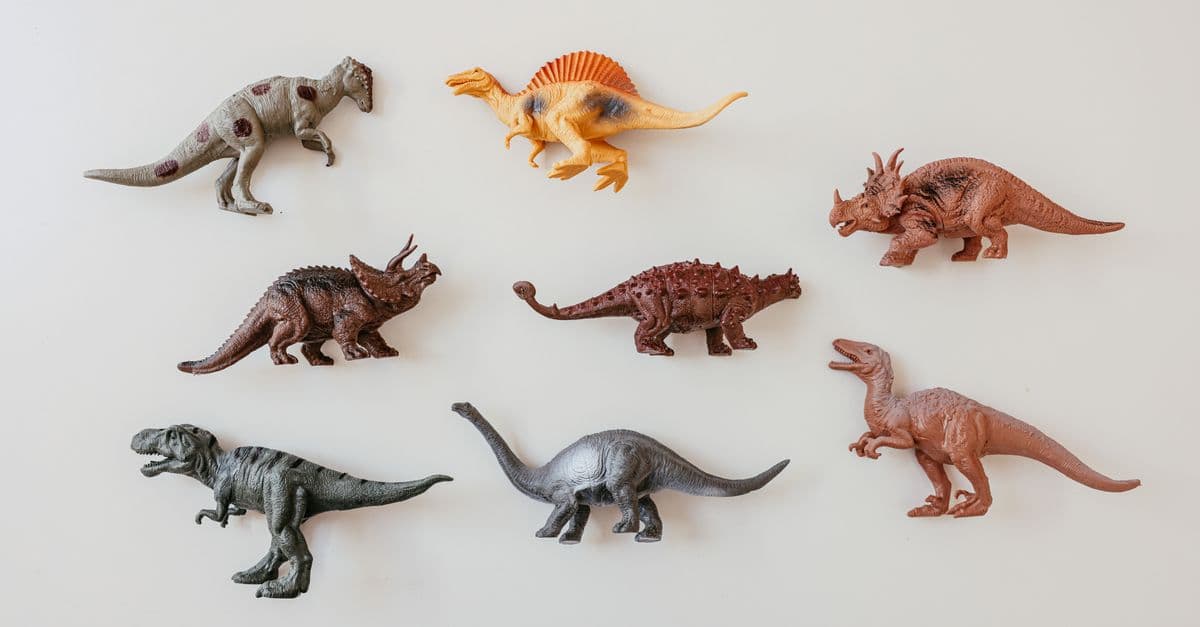
Dinosaur sounds are hard to reconstruct, but fossils, living relatives, and anatomy suggest they may have boomed, hissed, rumbled, or cooed.
Dinosaur eggs reveal nesting behavior, growth, oxygen limits, shell structure, and why even giant dinosaurs did not lay impossibly huge eggs.

Dinosaur speed estimates come from tracks, bones, muscle models, and biomechanics. This guide explains what scientists can and cannot know.
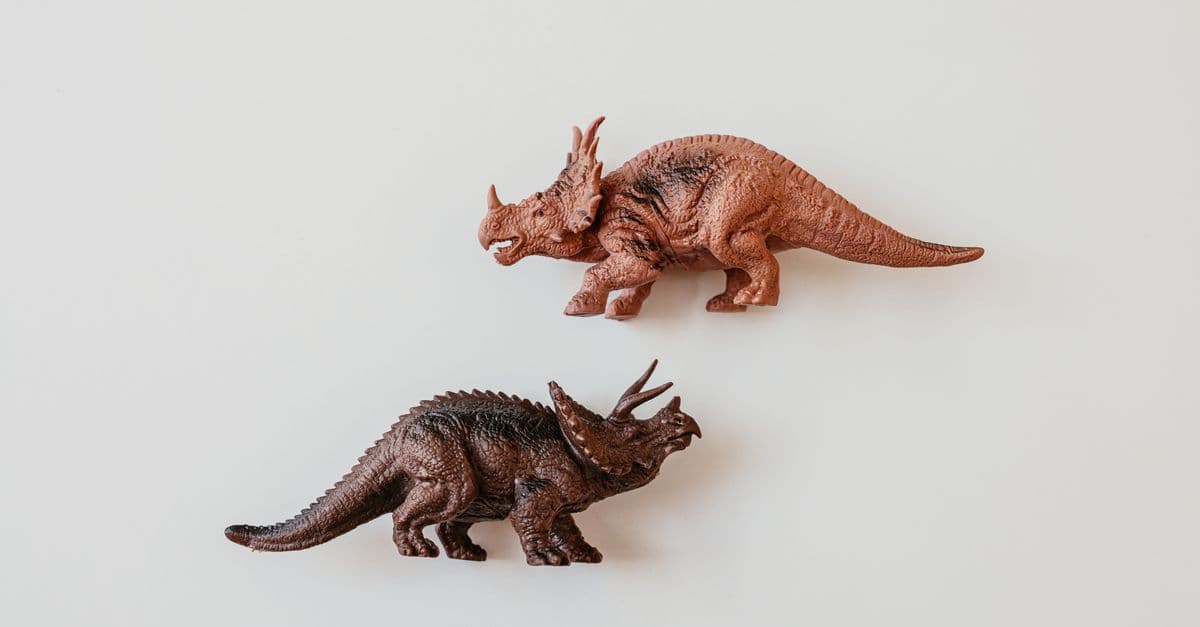
Fossil pigments, feathers, skin impressions, and living relatives suggest many dinosaurs were more colorful than old museum models.
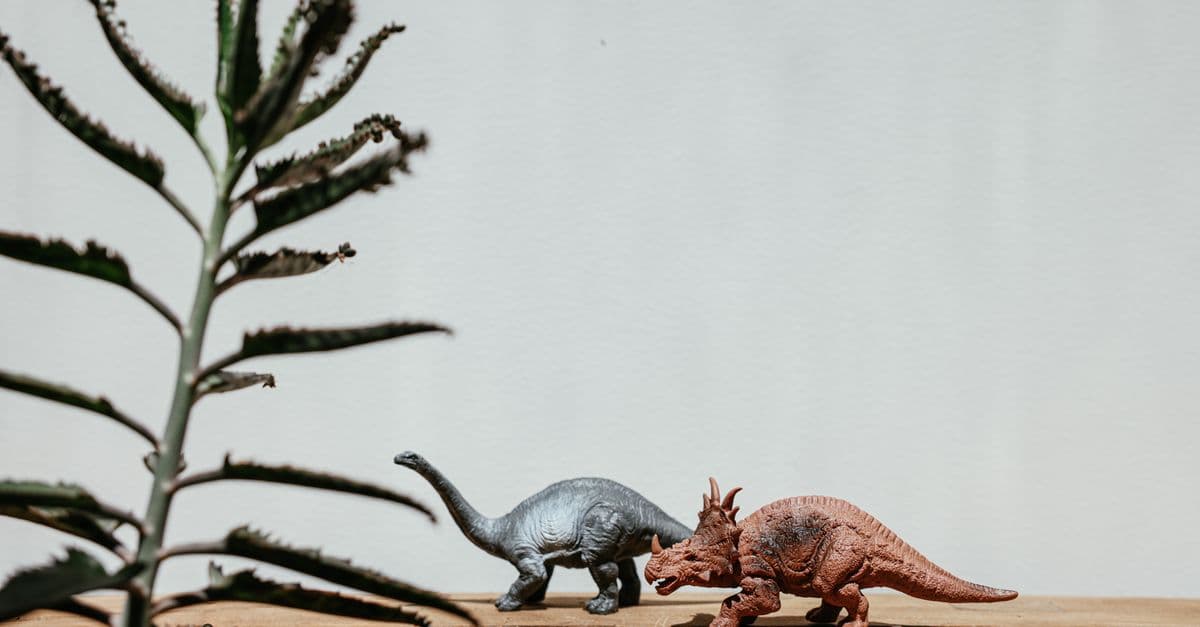
Triceratops horns likely evolved for mate competition, display, and species recognition, with combat as a secondary use. This guide explains the fossil evidence behind ceratopsian horns.
The non-avian dinosaurs went extinct approximately 66 million years ago. The earliest members of the genus Homo appeared roughly 2.8 million years ago. Modern Homo sapiens are at most 300,000 years old. The gap between the last non-avian dinosaur and the first human is 63 million years wide — wider than the entire span of the Paleogene and Neogene periods combined. This article examines why the coexistence myth persists, what dinosaurs actually left behind in human evolutionary history, and why birds are the honest answer to the question.

Ceratopsians — the horned and frilled dinosaurs — are among the most distinctive animals in the fossil record, and among the most misunderstood. Triceratops's frill was not armor. Its horns may have been used for display as much as combat. Torosaurus may or may not be a different animal from Triceratops — the debate is genuinely unresolved. And ceratopsian herds, though often depicted as vast migratory columns, are supported by specific but limited fossil evidence. Here is what the bones actually show.