Skip to content
ISSUE 10.29.26/24 CATEGORIES

paleontology

31 articles tagged with #paleontology

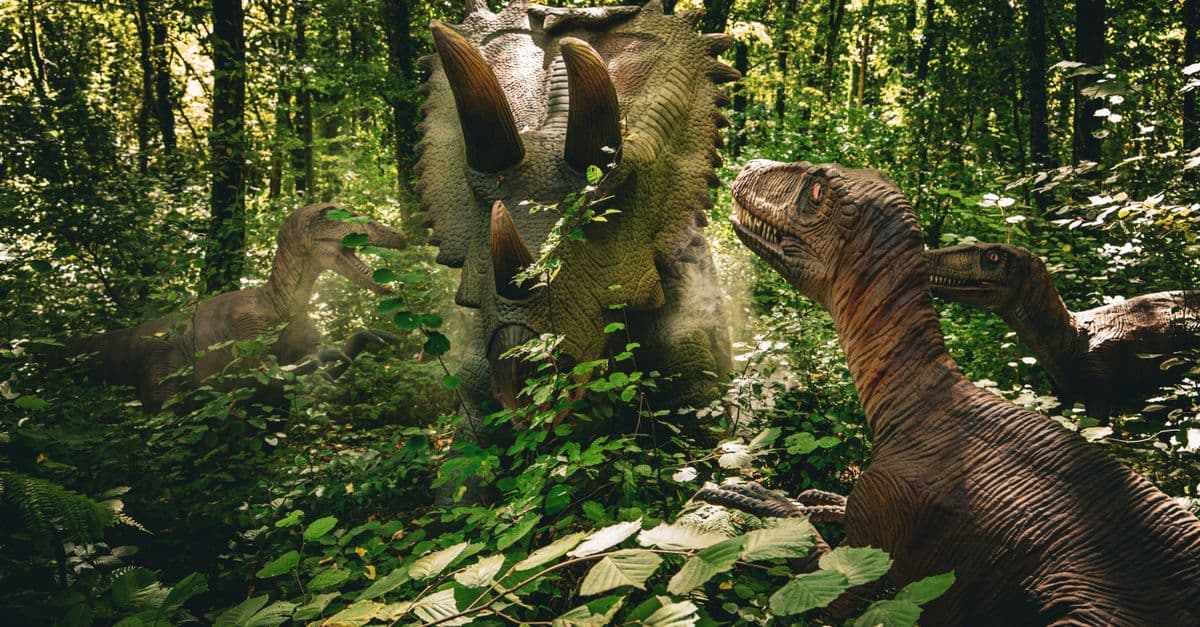
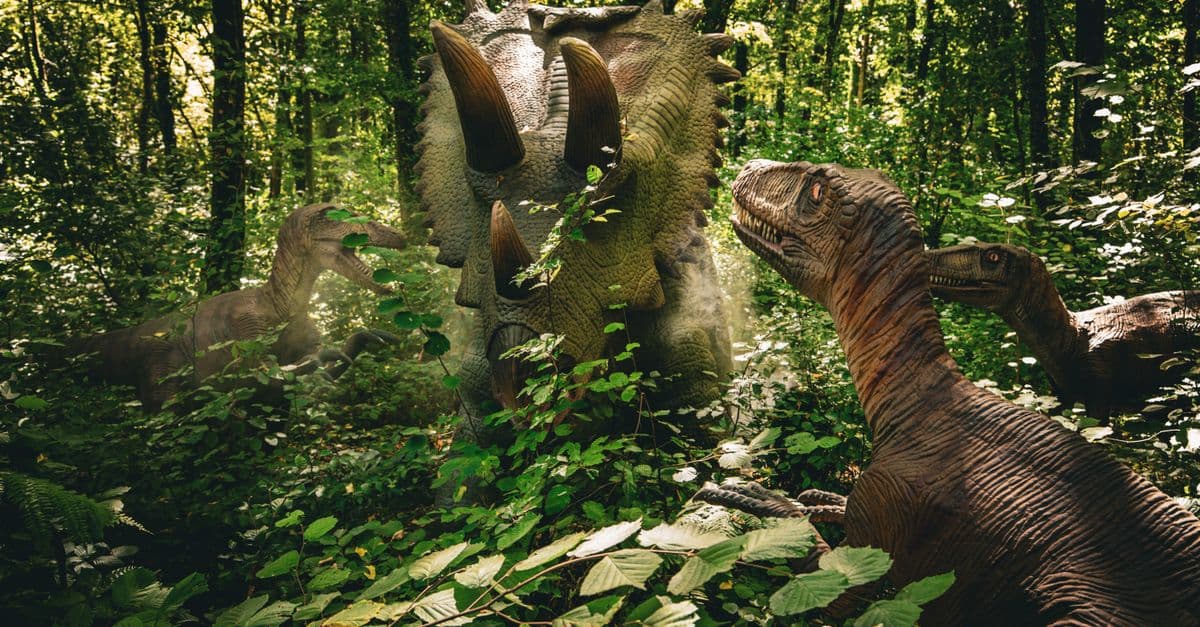
Realistic dinosaur models in a lush forest create an educational prehistoric scene.
Dinosaurs

How Dinosaurs Laid Eggs and Nested: The Fossil Evidence

Dinosaur reproduction left behind an extraordinary fossil record — not just egg shells and embryos, but entire nesting colonies, brooding adults frozen above their clutches, and embryos that preserve the original pigment cells of colored eggshells. Oviraptor was accused of stealing eggs for 70 years before a 1990s discovery proved it was actually brooding its own. Maiasaura colonies show parental care rivaling modern birds. And we now know some dinosaur eggs were blue-green, not white.
Editorial Team·June 2, 2026·17 min
Two dinosaur toy figurines displayed against a vibrant yellow background, fostering imagination and play.
Dinosaurs

Could We Clone a Dinosaur? The Science Behind Jurassic Park

Jurassic Park proposed that dinosaur DNA could be recovered from insects preserved in amber, sequenced, gap-filled with frog DNA, and used to resurrect living dinosaurs. The film was entertaining. The science does not hold up. What the real science shows is both more limiting and, in some ways, more interesting than what Hollywood imagined — and the question of what is actually possible tells us something profound about DNA, deep time, and the nature of extinction.

Editorial Team·June 2, 2026·20 min
Colorful toy dinosaurs and palm trees on a vivid yellow backdrop, perfect for playful themes.
Dinosaurs

What Did Dinosaurs Eat? Herbivores, Carnivores, and the Evidence

Dinosaur diets are not guesswork. Fossilized teeth, stomach contents, coprolites, bone bite marks, and isotope chemistry all leave chemical and physical signatures that paleontologists read like a menu. From the grinding dental batteries of hadrosaurs to the bone-cracking bite of T. rex, from gastroliths in sauropod ribcages to grass seeds inside a titanosaur coprolite, the fossil record has preserved an unexpectedly detailed picture of who ate what — and how plants and dinosaurs co-evolved over 165 million years.

Editorial Team·June 2, 2026·19 min
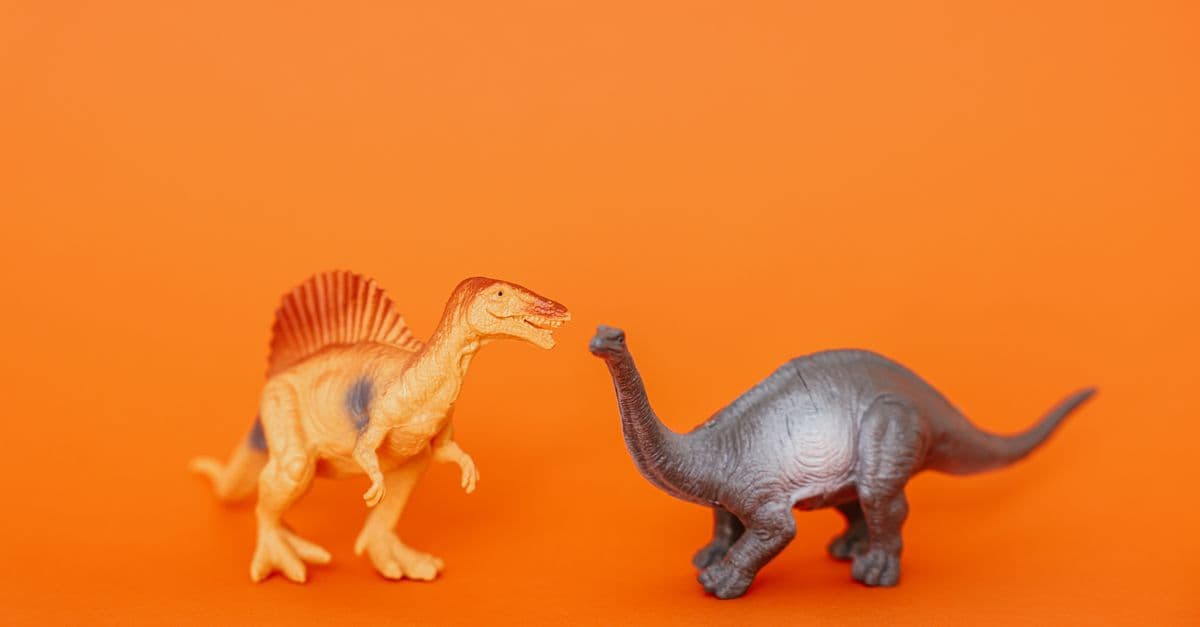
Miniature dinosaur toys in an orange setting showcasing prehistoric creatures.
Dinosaurs

Spinosaurus: The Aquatic Dinosaur Bigger Than T. Rex

For most of the 20th century, Spinosaurus was a mystery — a massive sail-backed predator known only from destroyed World War II specimens and a handful of fragments. Then a series of discoveries between 2014 and 2020 transformed it into one of the most scientifically debated dinosaurs alive, and the only known dinosaur adapted for aquatic, tail-propelled swimming. It was also longer than Tyrannosaurus rex by several meters — and the controversy over what exactly it was is far from settled.

Editorial Team·June 2, 2026·15 min
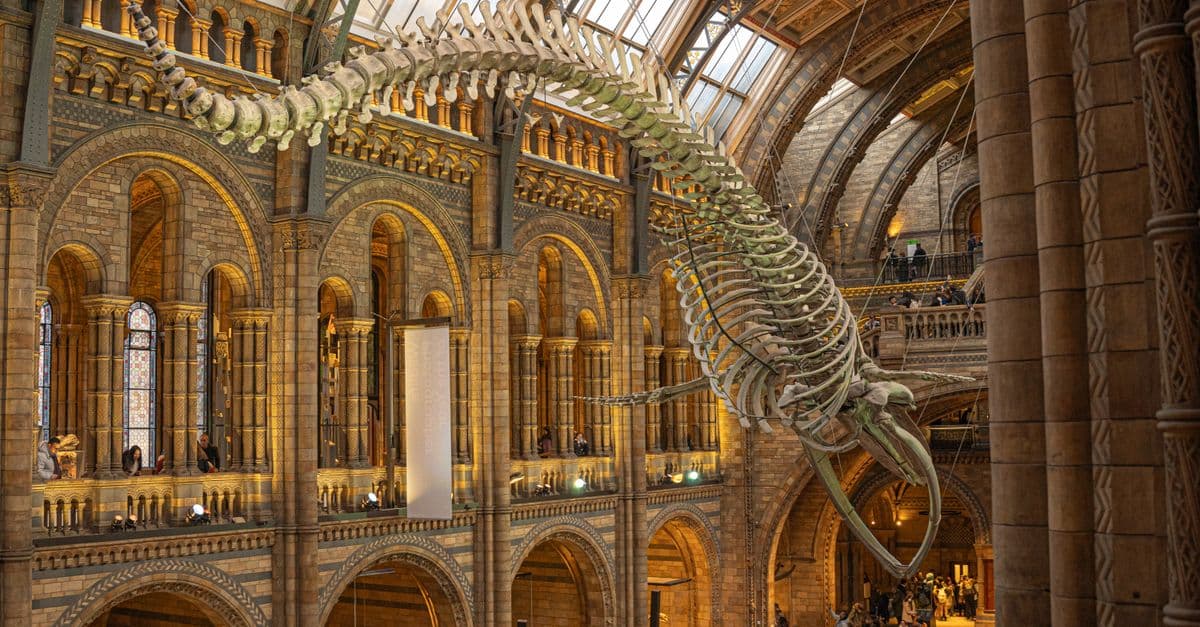
Interior view of whale skeleton at London's Natural History Museum with arch architecture.
Dinosaurs

Marine Reptiles of the Dinosaur Age: Mosasaurs, Plesiosaurs, and Ichthyosaurs

While dinosaurs ruled the land and pterosaurs owned the sky, the Mesozoic oceans were controlled by three groups of reptiles that had returned from land to sea and evolved into apex predators of staggering power. Mosasaurs, plesiosaurs, and ichthyosaurs were not dinosaurs. They were something the Mesozoic produced separately — and in doing so, they repeatedly reinvented the dolphin, the shark, and the whale, from scratch.

Editorial Team·June 2, 2026·15 min
Triceratops and dinosaur toy models displayed against a bold yellow backdrop, creating a prehistoric theme.
Dinosaurs

Pterosaurs: The Flying Reptiles That Were Not Dinosaurs

Pterosaurs were the first vertebrates to achieve powered flight, doing so roughly 50 million years before birds and 80 million years before bats. At their largest — Quetzalcoatlus northropi, with a wingspan matching a small aircraft — they were the heaviest flying animals in Earth's history. Yet despite sharing the Mesozoic with dinosaurs and appearing in every dinosaur documentary, pterosaurs were not dinosaurs. They were something altogether different.

Editorial Team·June 2, 2026·19 min
Close-up of colorful dinosaur figurine toys engaged in a playful battle.
Dinosaurs

The Three Periods of Dinosaurs: Triassic, Jurassic, and Cretaceous

Dinosaurs did not exist in a single monolithic era. They ruled Earth across three distinct geological periods spanning 165 million years — longer than the time separating us from the last non-avian dinosaur. Each period had its own continents, climates, ecosystems, and dominant species. Understanding what changed across the Triassic, Jurassic, and Cretaceous is the key to understanding why dinosaurs became what they became.

Editorial Team·June 2, 2026·17 min
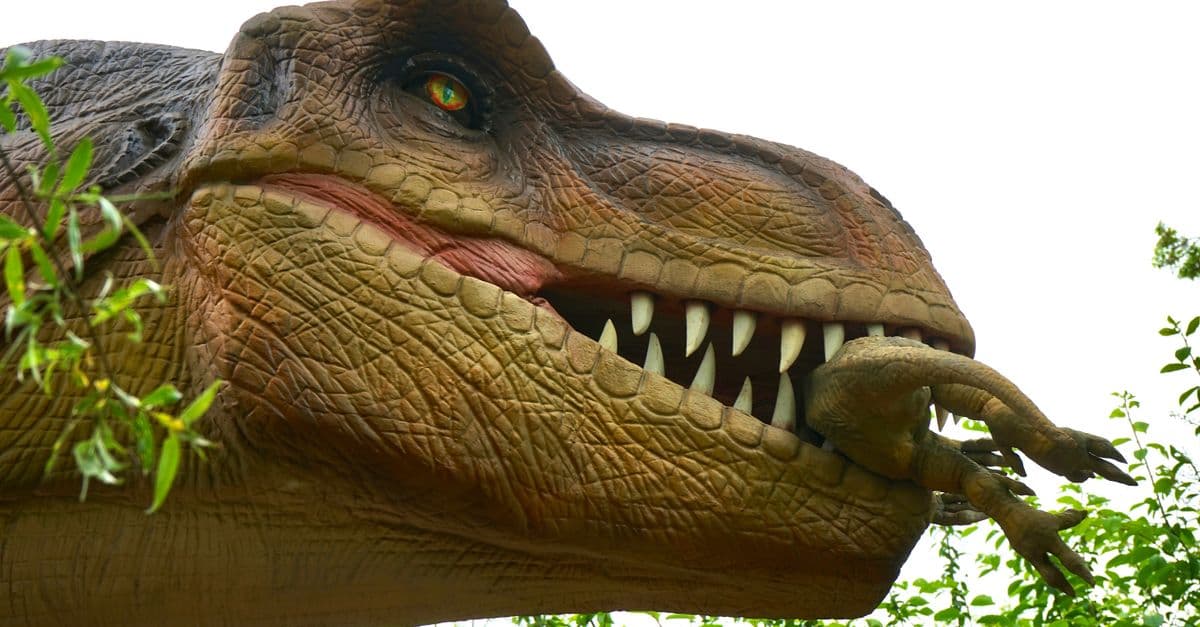
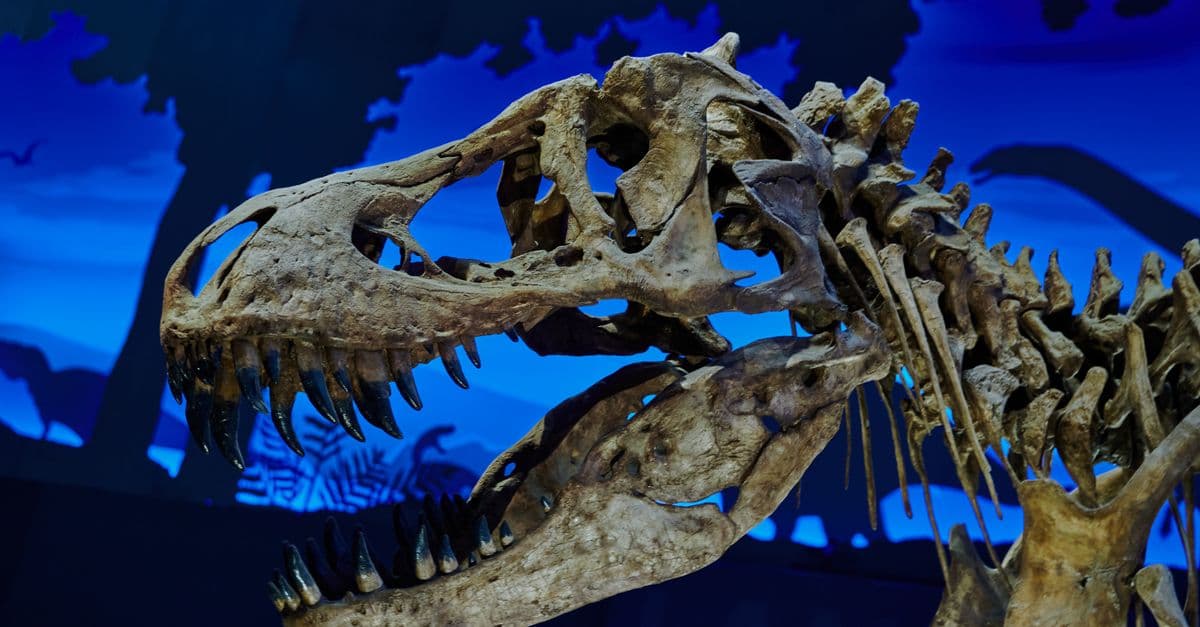
Detailed image of a Tyrannosaurus rex model in an outdoor setting, showcasing teeth and predator features.
Dinosaurs

How Did Dinosaurs Evolve Into Birds? The Theropod-Bird Transition

Birds are not the descendants of dinosaurs. Birds are dinosaurs — a lineage of small feathered theropods that survived the end-Cretaceous extinction and now numbers approximately 10,000 living species. The transition from ground-running theropod to flying bird is documented in extraordinary fossil detail, and nearly every defining feature of modern birds turns out to have a dinosaurian precursor.

Editorial Team·June 2, 2026·18 min
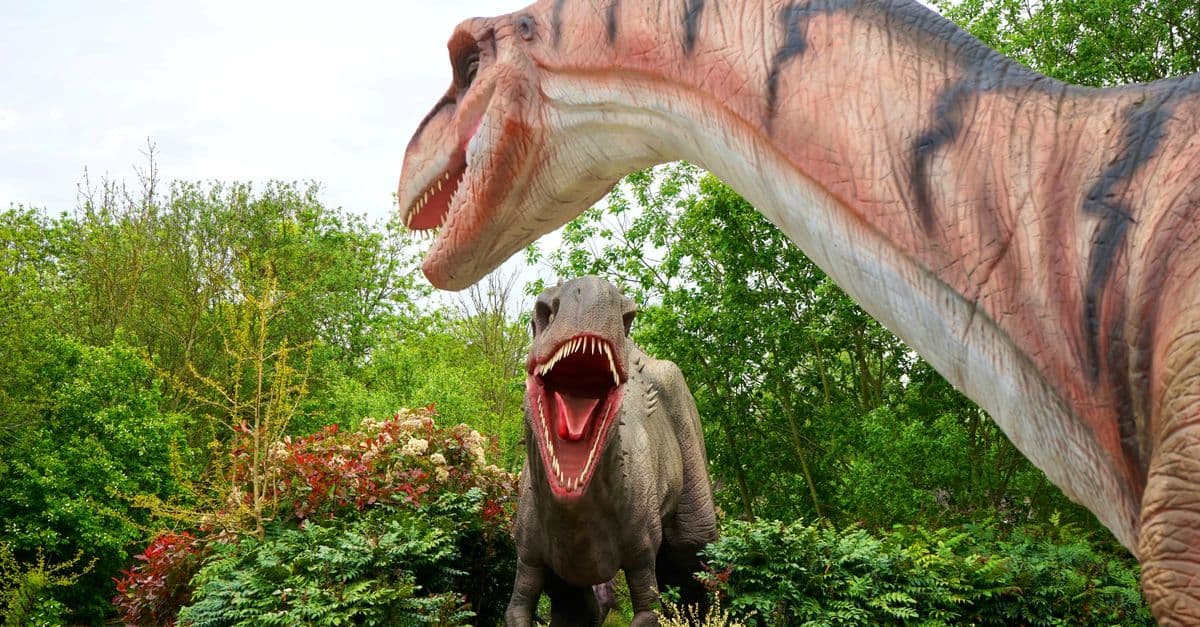
Realistic dinosaur sculptures in a lush park setting, evoking prehistoric times.
Dinosaurs

Velociraptor: The Real Science Behind the Jurassic Park Icon

The Velociraptor in Jurassic Park stands 1.8 meters tall, hunts in coordinated packs, and opens doors. The actual animal was the size of a turkey, covered in feathers, and probably hunted alone. Almost nothing about cinema's most famous raptor matches the fossil record — yet the real animal is, in its own way, more interesting than the fiction.

Editorial Team·June 2, 2026·15 min
Realistic dinosaur models in a lush forest create an educational prehistoric scene.
Dinosaurs

The First Dinosaurs: Triassic Origins and the Rise of a Dynasty

Dinosaurs did not begin as rulers. They spent the first 30 million years of their existence as minor players in ecosystems dominated by other animals, squeezed into a world recovering from the most catastrophic extinction in Earth's history. Understanding where dinosaurs came from requires understanding the strange, forgotten world they were born into.

Editorial Team·June 2, 2026·17 min
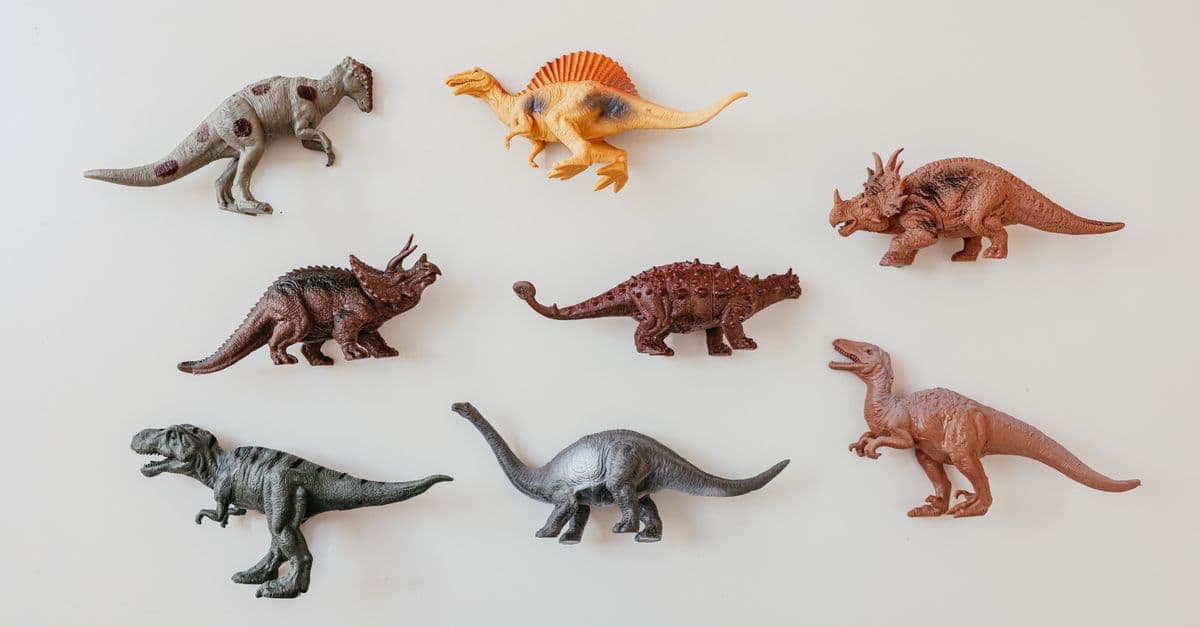
Colorful toy dinosaur models arranged on a white background. Perfect for educational and playful themes.
Dinosaurs

Were Dinosaurs Warm or Cold-Blooded? The Mesothermy Evidence

For decades, paleontologists sorted life into two metabolic boxes, warm-blooded mammals and cold-blooded reptiles, and argued over which box dinosaurs belonged in. Bone slices, isotope chemistry, and growth-rate analysis suggest most dinosaurs fit neither box cleanly, though the newest fossil-chemistry work pulls the answer back toward true endothermy.

Editorial Team·June 2, 2026·22 min