biomechanics
11 articles tagged with #biomechanics


Dinosaurs
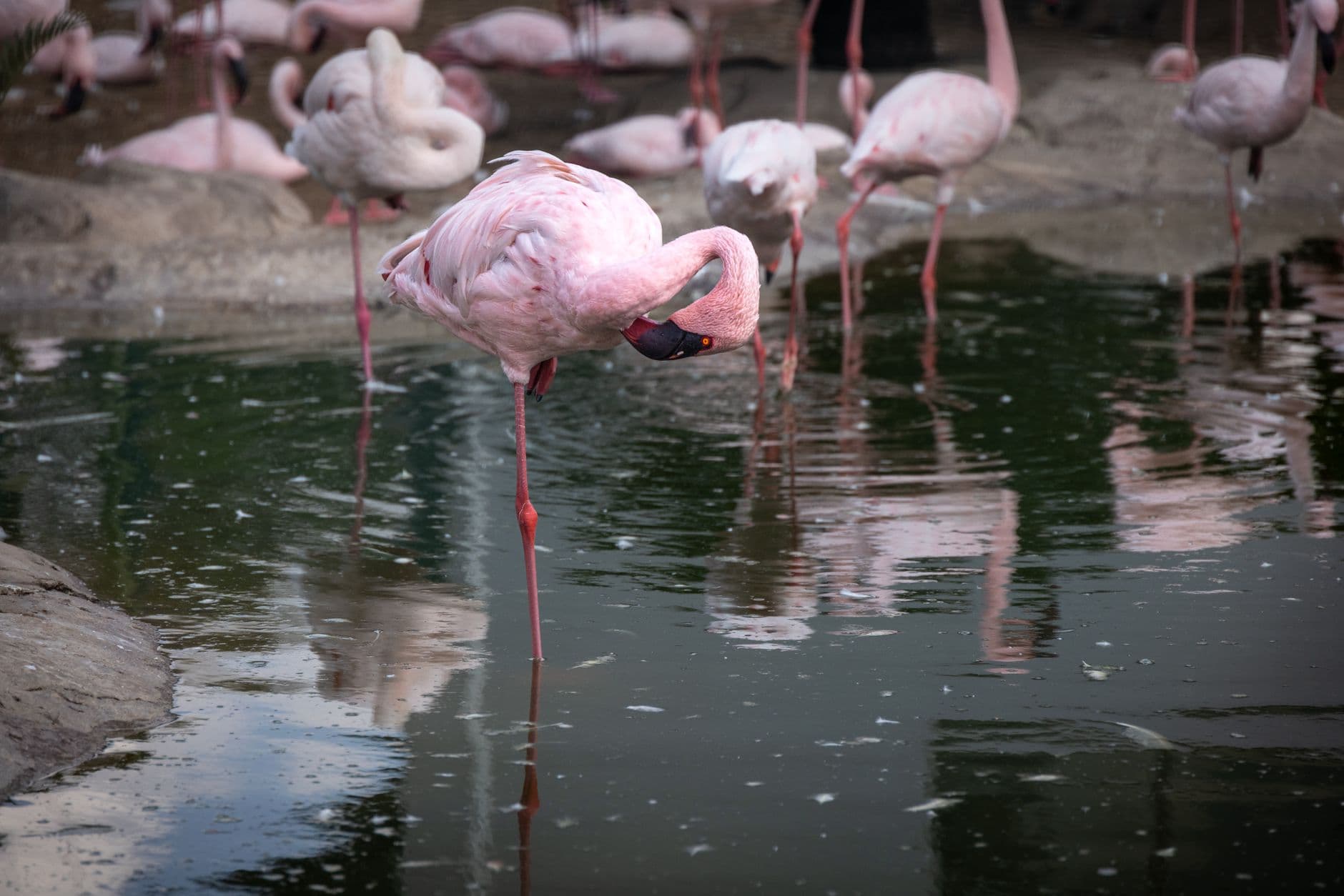
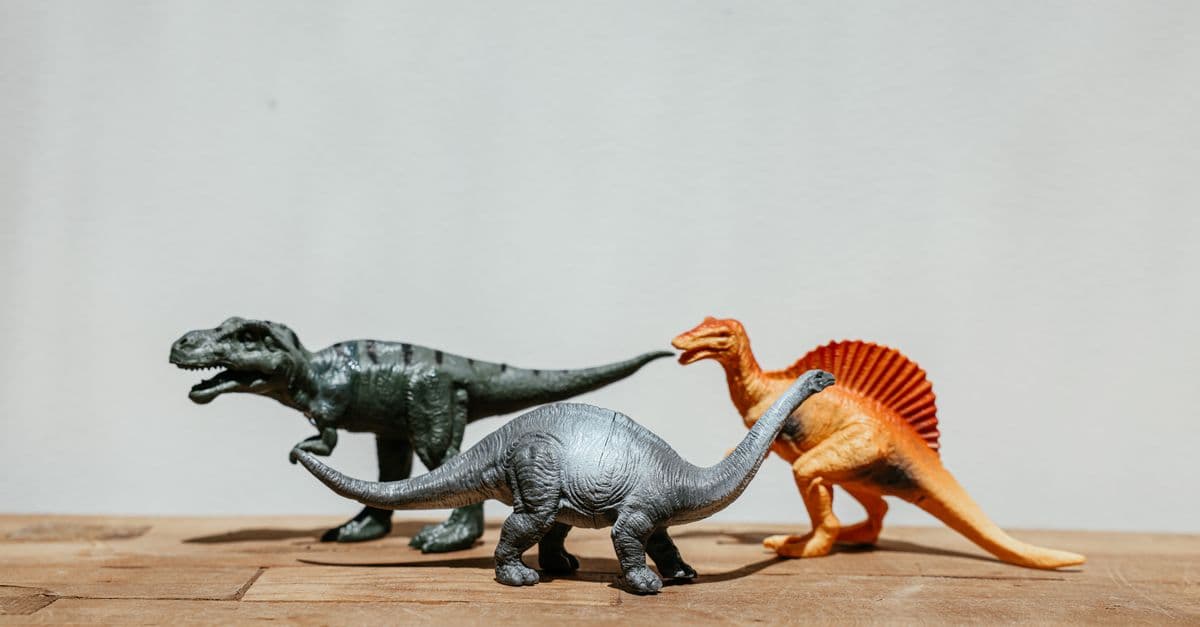
How Fast Could Dinosaurs Run?
Dinosaur speed estimates come from tracks, bones, muscle models, and biomechanics. This guide explains what scientists can and cannot know.

Human Body
How Do Muscles Grow? The Science of Hypertrophy, Protein Synthesis, and Muscle Adaptation
When you lift a weight, you are not building muscle — you are damaging it. Within hours, the muscle responds by activating protein synthesis, repairing the damage with new protein, and strengthening the contractile machinery. Over weeks of repeated stimulus, the cross-sectional area of muscle fibers expands, a process called hypertrophy. The physiology of muscle growth involves three fundamental mechanisms: mechanical tension (the force produced by contracting muscle against resistance), muscle damage (the microtears that occur when muscle is stressed), and metabolic stress (the accumulation of metabolites like lactate during intense activity). Satellite cells, dormant muscle stem cells surrounding each fiber, activate in response to growth signals and fuse to existing fibers, donating nuclei that increase the capacity for protein synthesis. Progressive overload — gradually increasing the weight, volume, or intensity of exercise — is essential because muscles adapt to stress; once adaptation occurs, growth plateaus until a new, greater stimulus is applied. Research reveals that muscle growth is constrained by genetics, nutritional status (particularly protein intake), recovery (sleep and time between sessions), and age, yet the fundamental mechanisms are conserved across these variables.
Animals
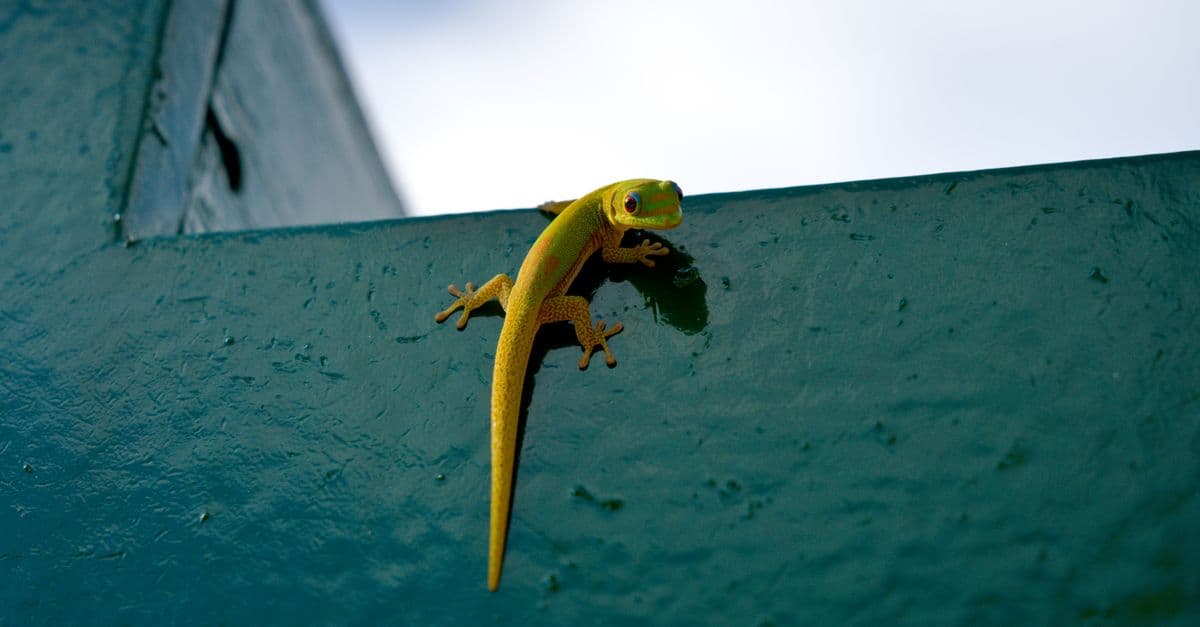
How Geckos Stick to Walls: Van der Waals Forces and Dry Adhesion
A gecko weighing 70 grams can hang from a ceiling by a single toe. The adhesive force available from its feet has been measured at approximately 20 Newtons — enough to support the weight of roughly 40 geckos simultaneously. No glue is involved. No suction cups. The mechanism is quantum-mechanical: trillions of nanoscale hair structures bring gecko toe pads into such intimate contact with surfaces that the quantum interactions between electrons in adjacent molecules provide enough combined force to defy gravity.
Dinosaurs
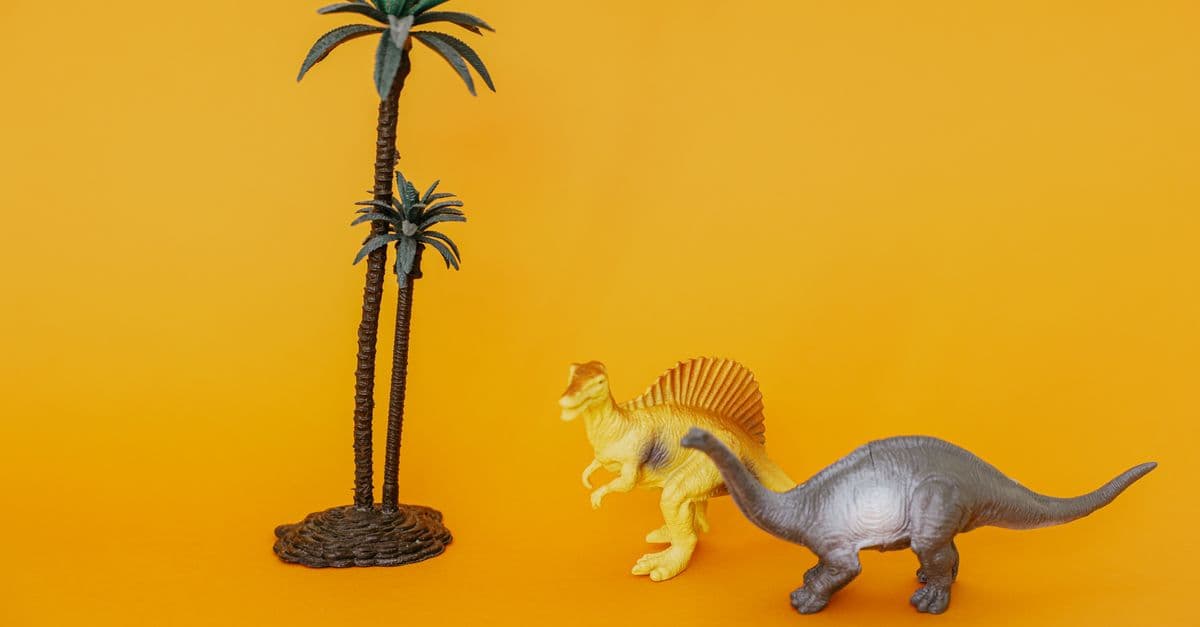
How Do We Know What Dinosaurs Looked Like? The Science of Reconstruction
Paleontologists don't guess. When they reconstruct a dinosaur, they work from fossilized bones to muscle attachment scars to preserved skin impressions to microscopic pigment organelles locked in ancient feathers. The process is more constrained than most people realize — and more surprising. Some dinosaurs' actual colors are now known with genuine scientific confidence.
Biology & Health
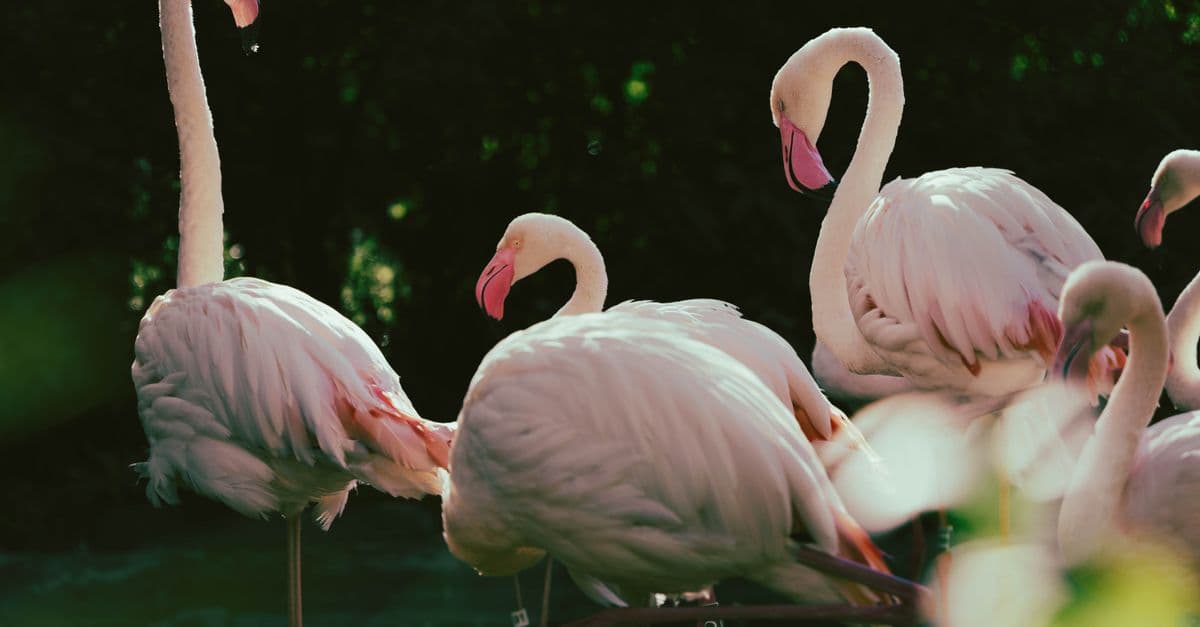
Why Do Flamingos Stand on One Leg? The Science
Flamingos stand on one leg because it's literally easier than two. The biomechanics, thermoregulation, and evolution behind the pink pose.

What If
What If Humans Evolved on a Low-Gravity Planet?
Gravity shapes everything about an animal — its skeleton, muscles, circulatory system, even brain. Humans evolved on a 1g planet. On a Mars-like 0.38g world, we'd be taller, lankier, weaker, and likely shorter-lived from chronic bone and circulatory problems.
Biology & Health
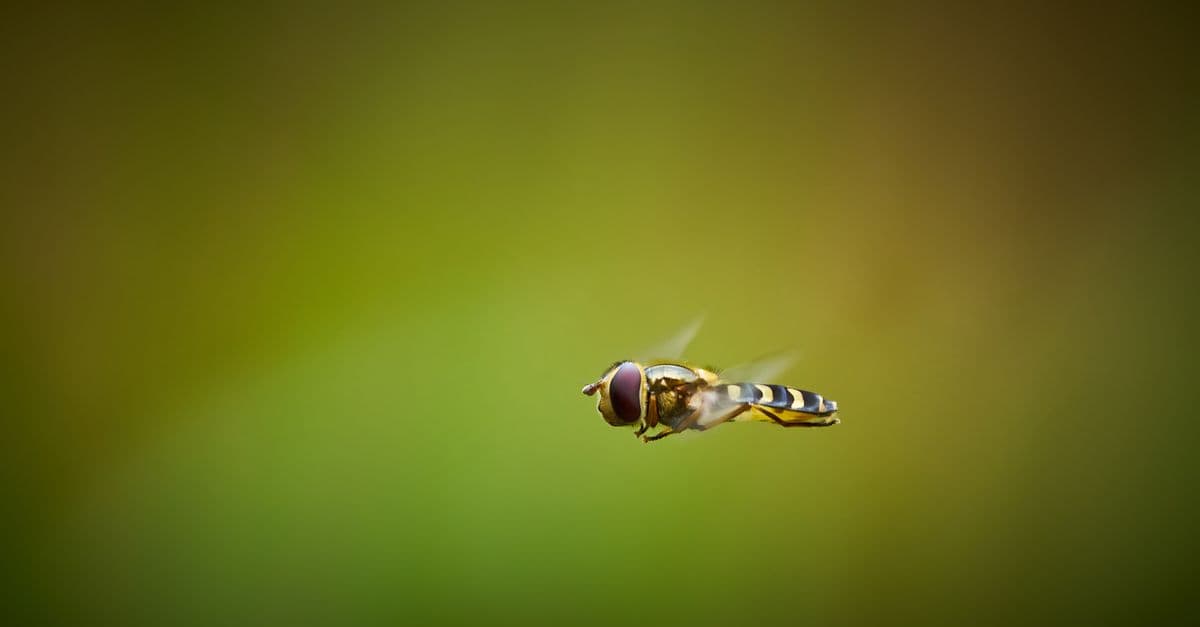
The Science of Superpowers: Could Humans Really Fly?
Comic book heroes make flight look effortless — but a serious look at biology and physics shows why human flight is one of nature's hardest engineering problems.