What Happens to Your Body After You Die: The Stages of Decomposition
Photo: Benjamin Eriksen / Pexels
Within four minutes of your heart stopping, your brain cells begin dying from oxygen deprivation. Within minutes more, the enzymes locked inside your own cells breach their containment and start dissolving the very structures that housed them. Long before any external scavenger arrives, your body has already begun digesting itself. Decomposition is one of biology's most efficient processes — a precise, staged dismantling that recycles every atom you have borrowed from the environment back into the soil, water, and air. Forensic scientists have mapped this process in enough detail to read a corpse the way a geologist reads rock strata: each visible change carries a timestamp.
Why Decomposition Happens: The Biology of Self-Destruction
Every living cell contains lysosomes — membrane-bound organelles that store digestive enzymes used to break down cellular waste. While the cell is alive, these membranes are maintained by active cellular processes, particularly the continuous production of adenosine triphosphate (ATP), the molecule cells use as fuel. When the heart stops, oxygenated blood stops reaching tissues. ATP production ceases. Within minutes, lysosome membranes become permeable, then rupture.
Autolysis — the self-digestion of cells by their own enzymes — begins immediately after death, starting in tissues with the highest enzyme concentration and the lowest oxygen reserves. The pancreas, which contains high concentrations of digestive enzymes, begins autolysis first and most aggressively, sometimes within minutes. The brain and liver follow quickly. Muscle tissue, with its dense protein structure, takes longer.
Lysosome — an organelle inside cells that stores digestive enzymes; in life, these enzymes break down cellular debris; after death, the lysosome membrane fails and the enzymes leak into surrounding tissue.
This is not bacterial action — autolysis happens even in sterile conditions, because it is driven entirely by the body's own chemistry. It is the cellular equivalent of a factory that, when the power goes out, cannot stop its own machinery from destroying the building from the inside.
Source: StatPearls/NCBI Bookshelf (2023), "Postmortem Changes" — peer-reviewed clinical reference on the sequence and timing of early postmortem changes, including autolysis, algor mortis, livor mortis, and rigor mortis. Available at ncbi.nlm.nih.gov/books/NBK539741/
The Three Early Signs: Algor, Livor, and Rigor Mortis
In the hours immediately following death, three distinct physical changes occur simultaneously. Each one is caused by a different mechanism, each one develops on its own timetable, and each one is used independently by forensic pathologists to estimate the postmortem interval — the time elapsed since death.
Algor mortis — the postmortem cooling of the body to the temperature of the surrounding environment. A living body maintains its temperature through continuous metabolic heat production. When metabolism stops, the body cools at a rate that depends on ambient temperature, body size, clothing, humidity, and whether the body is in water. The classic rule of thumb — that a body cools approximately 1 to 1.5°C (1.8°F) per hour — is a useful approximation for the first 12 hours in moderate ambient temperatures, but actual cooling curves are nonlinear. Forensic pathologists use the Henssge nomogram, a mathematical model that accounts for body weight and ambient temperature, to refine their estimates.
Livor mortis (also called hypostasis or lividity) — the purplish-red discoloration of skin that develops as blood, no longer being actively circulated by the heart, pools by gravity in the lowest-lying blood vessels. Livor mortis becomes visible one to two hours after death and reaches maximum intensity at approximately eight to twelve hours. Crucially, for the first six to eight hours, the discoloration will shift if the body is repositioned — press a finger against the colored skin and it blanches, then refills when pressure is released. After eight to twelve hours, the blood begins to coagulate within the capillaries and the discoloration becomes fixed: it no longer shifts with repositioning and will not blanch under pressure. This fixation point is forensically important because a body found with lividity fixed in a position inconsistent with where it was discovered indicates the body was moved after death.
Rigor mortis — the temporary stiffening of muscles after death. While alive, muscle fibers contract when myosin protein filaments bind to actin filaments using ATP as fuel, then release when a fresh ATP molecule allows the bond to break. After death, ATP production stops, but the myosin-actin bond does not break — it becomes permanently locked. The result is rigid muscle contraction throughout the body. Rigor mortis develops gradually over the first six to twelve hours, reaches maximum intensity at approximately twelve hours, and then begins to resolve over the next twelve to twenty-four hours as autolytic processes break down the myosin and actin proteins themselves.
| Sign | Onset | Peak | Resolution | Forensic use |
|---|---|---|---|---|
| Algor mortis | Immediate | — | Environmental equilibration | Estimates PMI in first 24 hours |
| Livor mortis | 1–2 hours | 8–12 hours | Permanent fixation at 8–12 h | Detects body movement post-death |
| Rigor mortis | 2–6 hours | 12 hours | 24–48 hours | Estimates PMI; detects position change |
Source: Dolinak, D., Matshes, E., & Lew, E. (2005), Forensic Pathology: Principles and Practice, Elsevier Academic Press — the standard reference text for forensic pathology covering all three early postmortem signs with case illustrations.
Stage 1 — Fresh: The Clock Starts at Death
The first stage of decomposition begins at the moment of death and continues until the body begins to visibly bloat, typically one to three days in temperate conditions. During this stage, autolysis is proceeding internally, but there are few external signs of decomposition. The body cools, stiffness sets in and then resolves, lividity develops and fixes.
Below the surface, the picture is more dynamic. The gastrointestinal tract harbors an estimated 38 trillion bacteria — roughly equal to the number of human cells in the body. During life, these bacteria are contained within the gut by the immune system and physical barriers. After death, immune function ceases, intestinal wall integrity collapses, and gut bacteria begin migrating through tissues. Within hours, they reach the liver via the portal venous system, then spread through the bloodstream to other organs.
Putrefaction — decomposition driven by microbial activity, distinct from autolysis; the two processes overlap and reinforce each other. Autolysis softens and liquefies tissue while putrefaction generates gases and further breaks down proteins.
Blowflies (family Calliphoridae) can detect a body within minutes of death through chemoreceptors sensitive to volatile organic compounds released from autolysis and early bacterial activity. A female blowfly lays up to 300 eggs at a time, preferring moist openings — the eyes, nostrils, mouth, wounds. In warm conditions, these eggs hatch in eight to twenty-four hours.
Source: Bass, W.M., & Jefferson, J. (2003), Death's Acre: Inside the Legendary Forensic Lab the Body Farm, Where the Dead Do Tell Tales, Putnam — the foundational account of the University of Tennessee Anthropological Research Facility (the Body Farm), describing observed decomposition rates across thousands of cases.
Stage 2 — Bloat: Gas, Pressure, and the Departure of Water
The bloat stage is the most visually dramatic phase of decomposition. It is driven almost entirely by microbial metabolism. As bacteria break down carbohydrates, proteins, and fats, they produce gases as metabolic byproducts — primarily methane, hydrogen sulfide, ammonia, and carbon dioxide. These gases accumulate inside body cavities because there is no circulatory or respiratory system left to expel them.
The body swells visibly, often to twice its normal size. The skin becomes taut and discolored — shifting from the green of hydrogen sulfide at the abdomen (where gut bacteria are most active) to marbling patterns across the surface as gas pushes through blood vessels just beneath the skin. Internal pressure eventually becomes sufficient to push fluids out of body openings, a process called purging: dark, foul-smelling liquid exits the nose and mouth as gas pressure exceeds containment.
Hydrogen sulfide is the compound responsible for the characteristic odor of decomposition. At concentrations above 100 parts per million, hydrogen sulfide is immediately toxic to humans, which is why forensic investigators and body recovery personnel work with respirators. The gas can accumulate inside enclosed spaces — a sealed room or a submerged vehicle — to dangerous concentrations.
The bloat stage enriches the soil beneath the body dramatically. A single human body releases an estimated 28 kg (62 lb) of nitrogen, phosphorus, potassium, and other nutrients into the surrounding ground during decomposition, creating a "cadaver decomposition island" — a patch of chemically distinct soil that supports different plant and insect communities for years afterward.
Cadaver decomposition island (CDI) — the zone of chemically altered soil directly surrounding and beneath a decomposing body, identifiable in soil chemistry and plant communities for one to three years after the body is gone.
Source: Carter, D.O., Yellowlees, D., & Tibbett, M. (2007), "Cadaver decomposition in terrestrial ecosystems," Naturwissenschaften, Vol. 94, No. 1 — a peer-reviewed review documenting nutrient release, cadaver decomposition islands, and ecological effects of human decomposition.
Stage 3 — Active Decay: The Peak of Biological Activity
Active decay is the stage of fastest mass loss. Soft tissues are consumed rapidly by bacteria and insect larvae simultaneously. The body loses 50 to 80 percent of its total mass during this stage, which can last from a few days to several weeks depending on temperature, humidity, and access by insects and scavengers.
Blowfly larvae (maggots) are the dominant agents of soft tissue removal in many environments. A single mass of maggots generates enough metabolic heat to raise the temperature within the mass by up to 10°C (18°F) above ambient air temperature, accelerating their own development and that of bacteria. Forensic entomologists use this maggot mass temperature when calculating accumulated degree hours — the metric used to estimate how long larvae have been developing and therefore how long the body has been exposed.
Forensic entomology uses the developmental biology of insects, particularly blowflies, to estimate time of death. Each blowfly species has a known development time from egg to larva to pupa to adult at specific temperatures. By identifying the oldest insect life stage present on a body and working backward through the known developmental timeline, an entomologist can establish a minimum postmortem interval.
The skin at this stage changes color from the marbling of the bloat stage to a black or dark brown discoloration as gas escapes and tissues collapse. Where insects and scavengers have opened the body, deeper structures become visible. The smell produced — a complex mixture of more than 400 volatile organic compounds identified in published analyses — can be detected by trained cadaver dogs through several feet of soil or standing water.
Source: Amendt, J. et al. (2007), "Best practice in forensic entomology — standards and guidelines," International Journal of Legal Medicine, Vol. 121, No. 2 — peer-reviewed guidelines for forensic entomology methodology, including accumulated degree hour calculations and species identification.
Stage 4 — Advanced Decay: The Soil Takes Over
Once soft tissues have been largely consumed, the rate of decomposition slows markedly. What remains is the skeleton, cartilage, denser connective tissues, and adipocere — a waxy, soap-like substance formed when body fat undergoes saponification (conversion to fatty acids and salts) under specific conditions of moisture and anaerobic bacterial activity. Adipocere can preserve the rough shape of soft tissues for years or even decades, and it forms most readily in bodies submerged in water or buried in moist, low-oxygen soil.
Adipocere — a yellowish-white, waxy material formed by the anaerobic bacterial hydrolysis and hydrogenation of body fat; it can preserve general body contours and is occasionally found on bodies submerged in water or buried in clay-rich soil for extended periods.
The insects active at this stage shift from soft-tissue specialists like blowflies to species that consume dry skin, hair, cartilage, and the adipocere itself — beetles of the family Dermestidae (carpet beetles and hide beetles) are characteristic of this stage. Forensic entomologists use the succession of insect species as an additional timeline indicator because different species colonize at predictable stages.
The soil beneath the body continues to be chemically altered. Elevated levels of volatile fatty acids and ammonium create a zone hostile to most plant life directly under the body but sometimes stimulate plant growth at the edges of the cadaver decomposition island, where nitrogen concentrations are elevated but not toxic.
Source: Vass, A.A. et al. (1992), "Time since death determinations of human cadavers using soil solution," Journal of Forensic Sciences, Vol. 37, No. 5 — original peer-reviewed research establishing volatile fatty acid analysis in soil as a postmortem interval estimation tool.
Stage 5 — Skeletonization: What Persists
Skeletonization occurs when all soft tissue has been removed and only the skeleton remains. In warm, humid, insect-accessible environments, this can happen within weeks. In cold, dry, or insect-excluded environments — a sealed coffin in temperate soil, for instance — full skeletonization may take decades.
The bones themselves continue to change after skeletonization. Collagen — the protein matrix that gives bone its flexibility — is gradually degraded by bacteria and chemical hydrolysis. Without collagen, bone becomes increasingly brittle. Lipids within the bone marrow leach out. The mineral matrix (primarily hydroxyapatite, a calcium phosphate compound) is more resistant, and bones can survive for thousands of years in the right conditions — dry, alkaline soil, for example.
Hydroxyapatite — the mineral compound Ca₅(PO₄)₃(OH) that forms the crystalline matrix of bone; it is chemically resistant and survives long after organic components have degraded, making it the material most often recovered in archaeological and forensic contexts.
Forensic anthropologists can read skeletal remains for biological information — age at death (from bone fusion and wear patterns), biological sex (from pelvic and cranial morphology), stature (from long bone length), and trauma history. The science of reading bones has become sophisticated enough to distinguish sharp-force trauma, blunt-force trauma, and gunshot wounds in skeletal material decades or centuries old.
Source: Byers, S.N. (2016), Introduction to Forensic Anthropology (5th ed.), Routledge — the standard academic text for forensic anthropology, covering skeletonization timelines, bone reading, and trauma analysis.
Body Farms: Where Science Observes Decomposition Directly
The University of Tennessee Anthropological Research Facility — colloquially known as the Body Farm — was established by forensic anthropologist William Bass in 1981. It was the first outdoor facility in the world where human bodies are donated and studied as they decompose under controlled and varied conditions. The facility now covers roughly 1.3 hectares (3.2 acres) outside Knoxville, Tennessee, and has hosted the decomposition of more than 1,600 donated bodies since its founding.
Research at the Body Farm has produced most of the forensic tables used by investigators to estimate time of death — including the temperature-dependent decomposition rate tables for different burial depths, body positions, and seasonal conditions. Body Farm research was also instrumental in developing cadaver dog training protocols and in validating the soil volatile fatty acid method for time-of-death estimation.
Five similar research facilities now operate in the United States, with additional facilities in Australia, the Netherlands, and the United Kingdom. The data generated at these facilities feeds directly into criminal investigations — the forensic findings they produce are accepted as expert testimony in court.
Source: University of Tennessee Anthropological Research Facility (2024), facility overview and published research roster — the primary institutional source for Body Farm history and operational scope. utk.edu
How Forensic Scientists Read Time of Death
Estimating the postmortem interval (PMI) is one of the central tasks in death investigation, and no single method is precise enough on its own. Forensic pathologists and investigators use a convergence of methods, each with different accuracy ranges.
| Method | Useful range | Precision | Key variable |
|---|---|---|---|
| Body temperature (Henssge nomogram) | 0–24 hours | ±2–4 hours | Ambient temperature, body weight |
| Rigor mortis assessment | 0–48 hours | Rough staging only | Temperature, activity before death |
| Livor mortis fixation | 0–24 hours | ±4–6 hours | Ambient temperature |
| Forensic entomology (blowfly) | 24 hours–weeks | ±1–3 days in warm conditions | Species, temperature records |
| Soil volatile fatty acid analysis | Days to months | Order-of-magnitude estimate | Soil type, moisture, temperature |
| Forensic botany | Weeks to years | Seasonal precision | Plant species, growth rates |
Temperature is the most important variable in every method. Heat accelerates every process — autolysis, bacterial metabolism, insect development. A body in a warm climate or direct sunlight may reach the skeletonization stage in two to four weeks. The same body in a cold storage situation may still retain soft tissue after months or years.
Source: Henssge, C. (1988), "Death time estimation in case work," Forensic Science International, Vol. 38, No. 3–4 — the original publication of the Henssge nomogram for postmortem cooling-based time of death estimation, now standard in forensic pathology worldwide.
What Burial, Water, and Climate Change
The conditions surrounding a body alter decomposition dramatically. Burial slows the process on several fronts: it reduces insect access, lowers temperature, decreases oxygen availability (slowing aerobic bacteria), and may increase moisture if burial is in clay-rich soil. A body buried at 60 cm (2 feet) in temperate soil typically takes two to three times longer to reach skeletonization than a surface body in the same conditions.
Water presents a different environment. Submerged bodies initially decompose more slowly than surface bodies because water limits insect access and reduces temperature. Bloat still occurs, and a submerged body will often float when gas production becomes sufficient to overcome its weight plus the weight of water-saturated clothing — this typically happens in warm water within three to five days. In cold water (below 10°C/50°F), bloat may be minimal and the body may remain submerged.
Fire destroys soft tissue rapidly but does not necessarily destroy bone — it changes it. Burned bone undergoes color changes that forensic anthropologists use to estimate burning temperature and duration: from brown (250–300°C) to black (300–500°C) to grey and white (above 650°C). The fragmentation and warping patterns of burned bone can distinguish burning before death, at the time of death, and after death.
Source: Fairgrieve, S.I. (2008), Forensic Cremation: Recovery and Analysis, CRC Press — the reference text on burned bone analysis in forensic contexts.
Frequently Asked Questions
Q: How long does it take for a body to fully decompose?
A: It depends heavily on conditions. In warm, humid, insect-accessible environments, soft tissue can be gone within two to four weeks and full skeletonization may take two to three months. In cold, dry, or enclosed conditions, soft tissue may persist for years and bone for millennia. A sealed coffin in temperate soil typically slows soft-tissue decomposition to years rather than weeks.
Q: Does being buried in a coffin stop decomposition?
A: It slows but does not stop it. Wood coffins limit insect access and reduce temperature fluctuations, but they do not prevent autolysis or bacterial decomposition. Modern metal and sealed caskets slow decomposition more significantly by limiting oxygen. Embalming further delays the process by chemically denaturing proteins and killing bacteria, but decomposition eventually resumes once embalming chemicals are exhausted.
Q: What is rigor mortis and why does it go away?
A: Rigor mortis is muscle stiffening caused by the permanent binding of myosin to actin filaments when ATP production stops after death. It goes away because autolysis — the self-digestion of the body's own cells — eventually breaks down the myosin and actin proteins themselves, dissolving the rigid bonds. The stiffness peaks around 12 hours and resolves within 24 to 48 hours in most conditions.
Q: Can forensic scientists really tell when someone died from a body?
A: Yes, within ranges that depend on how long ago death occurred. Within the first 24 hours, body temperature calculations using the Henssge nomogram can estimate time of death within two to four hours under good conditions. After 24 hours, forensic entomology (insect stage analysis), livor mortis fixation patterns, and decomposition stage assessment give progressively wider ranges. Beyond two to three weeks, estimates may span days to weeks but can still be forensically significant.
Q: What is a body farm and what does it actually study?
A: A body farm is an outdoor research facility where donated human bodies are placed in various conditions — on the surface, buried at different depths, in water, in vehicles — and observed as they decompose. Scientists record decomposition rates, insect succession, soil chemistry changes, and the effects of variables like temperature, humidity, and clothing. The data is used to create and validate the forensic tables used in real death investigations.
Q: Is it true that hair and nails keep growing after death?
A: No. This is a persistent myth. Hair and nails require active cellular metabolism to grow, which stops at death. The appearance of growth occurs because the skin dehydrates and shrinks after death, drawing back from the bases of hair follicles and nails and making existing hair and nails appear slightly longer against the receding skin margin. Actual growth requires living follicle cells, which are among the first to stop functioning.
Source: Traci Stein, Ph.D., and other contributors via Medscape (2023), "Postmortem Changes: Overview" — clinical summary of common postmortem myths, including the hair/nail growth misconception.
Source: Vass, A.A. (2001), "Beyond the grave — understanding human decomposition," Microbiology Today, Vol. 28 — accessible peer-reviewed overview of the microbiology driving decomposition stages.
Source: Payne, J.A. (1965), "A summer carrion study of the baby pig Sus scrofa Linnaeus," Ecology, Vol. 46, No. 5 — the foundational study establishing the five-stage decomposition model still used in forensic science today.
The Takeaway
Decomposition is not a failure of the body — it is the body fulfilling its final biological function: returning its constituent materials to the environment that assembled them. Each stage is driven by a different set of agents, each with its own chemical logic and its own timetable. Forensic scientists have turned this process into a readable record, extracting time, environment, and history from what most people see as simple absence. The same enzymes that built you begin dismantling you within minutes of death, and within weeks or months, the atoms that were briefly organized into a human being scatter back into soil, water, and atmosphere, ready to be borrowed by something else.
Read next:
Follow new articles
Add SciHub101 to your feed reader to see new science and technology stories.
About the Author
SciHub101 is an independent science and technology publication founded and edited by Buğra Sözeri, a software engineer and app developer based in Türkiye. AI tools assist with drafting and research. Source documentation in the existing archive is uneven, and articles are being reviewed and corrected. The Editorial Team byline identifies editorial responsibility; it does not certify specialist or independent human review. Where we compare products, anything built by our own team is labelled as such — see the editorial guidelines and About page for how corrections and disclosures work.
Related Articles
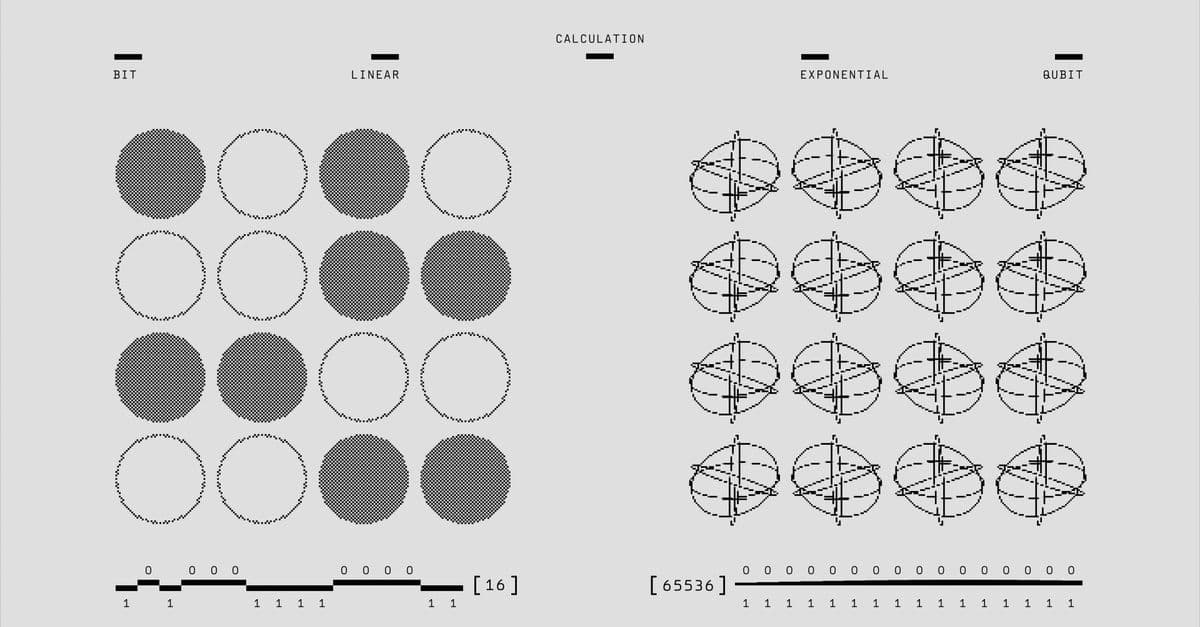
What Is Quantum Computing and Why Should You Care
A classical computer processes every calculation as a sequence of bits that are either 0 or 1. A quantum computer processes qubits that can be 0 and 1 simultaneously — and when you link enough of them together through entanglement, the computational space they cover grows exponentially. A 300-qubit system can represent more simultaneous states than there are atoms in the observable universe. That is not marketing language. It is the direct consequence of quantum mechanics applied to information. What matters practically is which specific problems this approach solves that classical computers cannot, and which problems it will never touch.

Venus Spins Backward: The Planet of Strange Rotation
Venus rotates in the opposite direction of every other planet in the solar system, and it does so so slowly that a single Venusian day lasts 243 Earth days — longer than its year of 225 days. If you stood on Venus, the Sun would rise in the west and set in the east, and by the time it crossed the sky, you would have already lapped the planet in its orbit. Two competing theories — a primordial giant impact and the slow grind of atmospheric tides — argue over how a world ended up this strange, and neither has yet won.

How Taste and Smell Work: The Neuroscience of Flavor
When you bite into a strawberry and experience something that feels like one unified sensation, you are experiencing the product of two entirely separate sensory systems — taste and smell — being fused by your brain into something that does not exist in the physical world. Flavor is a construction. The tongue detects five (or possibly six) basic chemical categories. The nose distinguishes potentially a trillion different molecules. Without the nose, the strawberry tastes like sweetened water. The neuroscience of how these signals combine reveals why eating is a fundamentally cognitive act.
The Most Important Scientific Discoveries of 2025: Breakthroughs and Their Impact
2025 marked significant scientific progress across multiple disciplines: a structural biology breakthrough in protein folding, advances in quantum computing error correction, discovery of a novel class of high-temperature superconductors, clinical trials demonstrating efficacy of novel Alzheimer's disease therapies, successful gene therapy applications for hereditary blindness, and confirmation of predicted gravitational wave signatures. This article examines the most consequential discoveries of 2025 — those that represent genuine advances in human knowledge, demonstrate technological capability, or have immediate clinical applications — explaining the science, why each discovery matters, and the implications for future research.
Why Yawning Is Contagious — The Science
Contagious yawning catches 50-60% of adults. Empathy, mirror neurons, social bonding — what the research really says about why we copy yawns.
How Glasses Work — Correcting Vision Explained
How glasses, contacts, and laser surgery correct myopia, hyperopia, astigmatism, and presbyopia — the physics and biology of clear vision.