Sustainability
AI & Supply Chains: Decarbonizing Global Logistics
How machine learning route optimization, demand forecasting, and supplier scoring are cutting carbon out of global logistics, and where those gains still fall short.
Climate change and sustainability news: renewable energy, clean technology, environmental policy, and green innovation updates.
How machine learning route optimization, demand forecasting, and supplier scoring are cutting carbon out of global logistics, and where those gains still fall short.
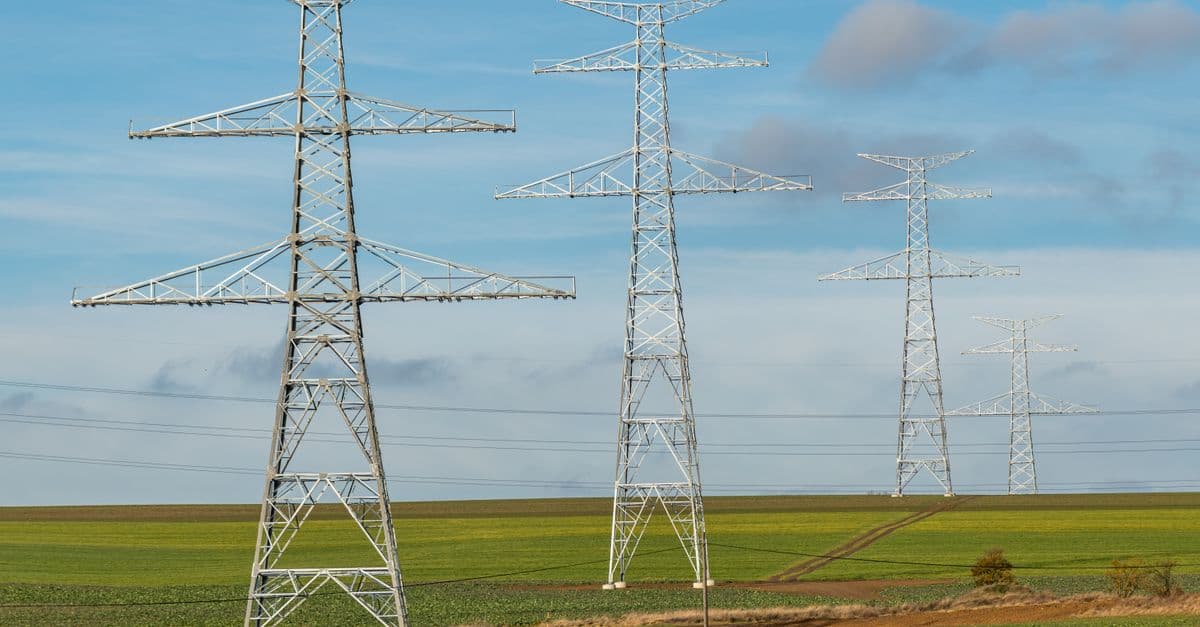
Germany's regulator reported 12.8 minutes of unplanned outage per customer in 2023. US customers averaged about 11 hours in 2024, a hurricane year, and about 2 hours in routine conditions. A clean global ranking does not exist because countries count outages differently, so this article compares what each national source actually reports.
Iceland, New Zealand, Singapore, and Hungary report 100 percent of people using safely managed drinking water, and much of Europe is above 99 percent. Yet 2.1 billion people still lack it, and lead pipes and PFAS challenge even high scorers. Here is what the data show and what it cannot.
Glaciers cover about 10% of Earth's land surface and store roughly 69% of all the world's freshwater. They also hold one of the clearest records of Earth's climate history — and they are disappearing at rates that were considered worst-case scenarios just 20 years ago.

A teaspoon of productive soil can hold hundreds of millions of bacteria. Soil is not dirt: it is a living ecosystem that takes a very long time to build and can be lost within a generation of poor management.
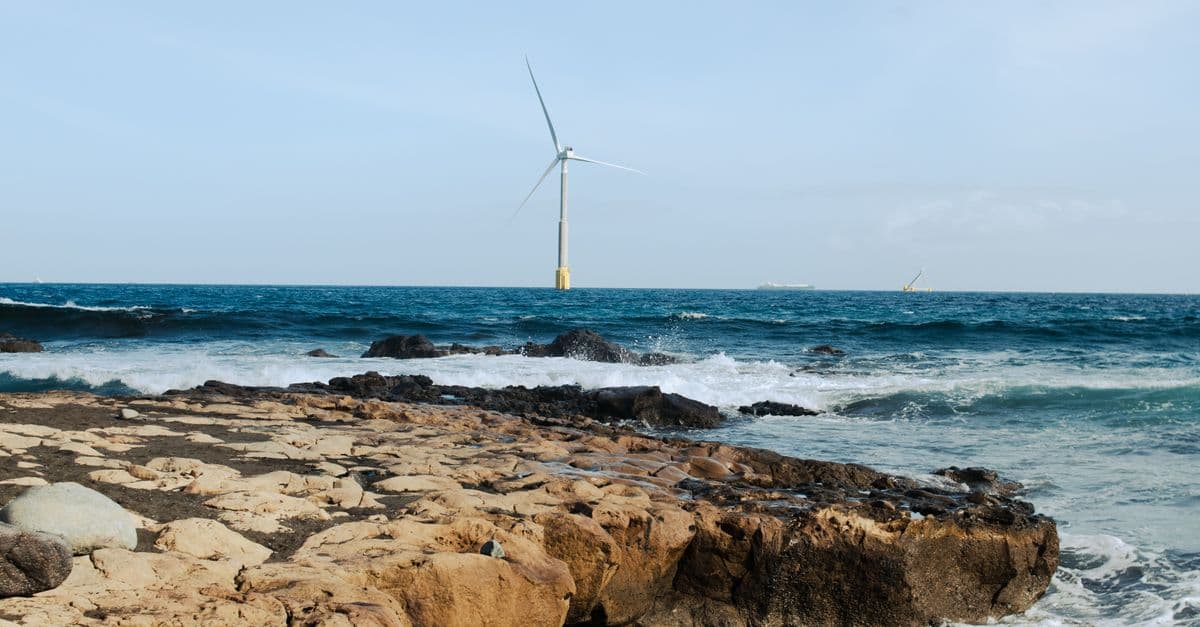
Forests cover about 31% of Earth's land and shelter more than half of its land animal and plant species. But a forest is not just trees: it is a layered, networked system that took millennia to assemble.
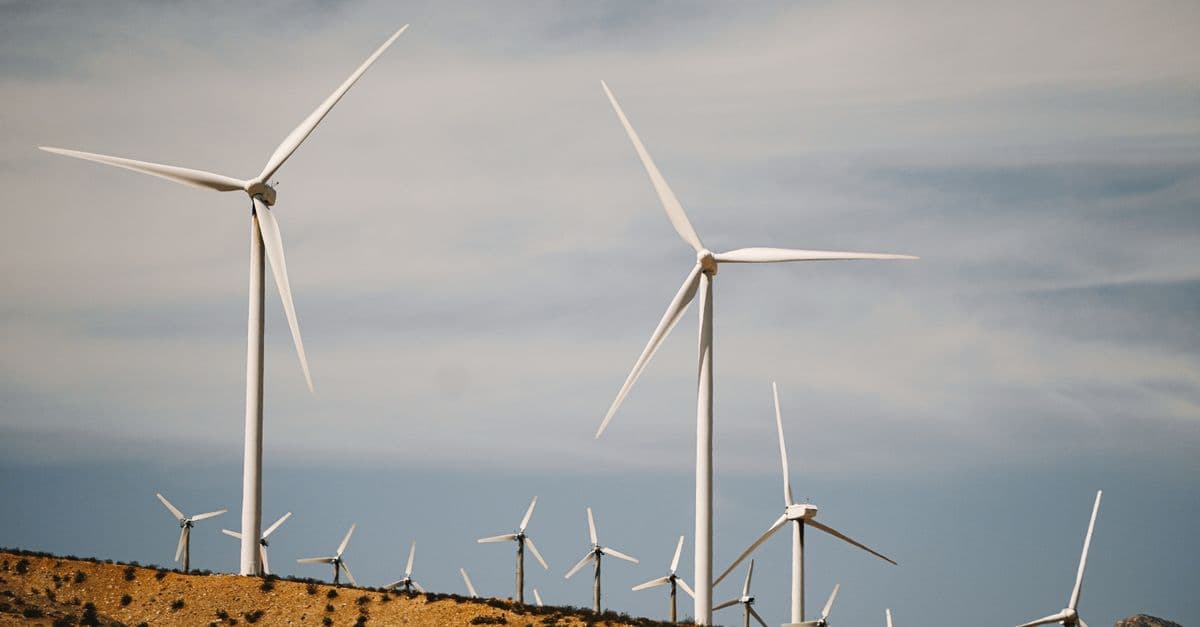
The same water molecules that fell as rain on ancient Rome may be in your glass today. The water cycle has run continuously for billions of years — but humans are now reshaping it in measurable ways.

A mature hurricane releases as much energy in a day as 10,000 nuclear bombs. Understanding how these storms form — and intensify — is one of the most critical challenges in atmospheric science.
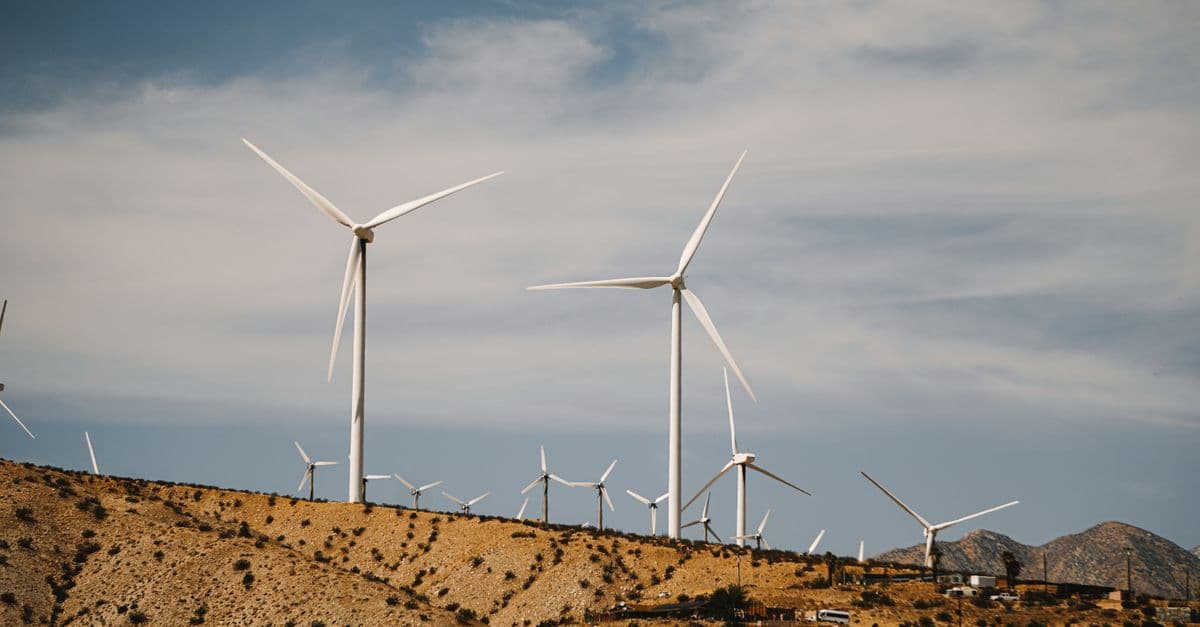
Every year, roughly 500,000 earthquakes are detectable by instruments. About 100,000 are felt by people. Here's the science of why the ground shakes.
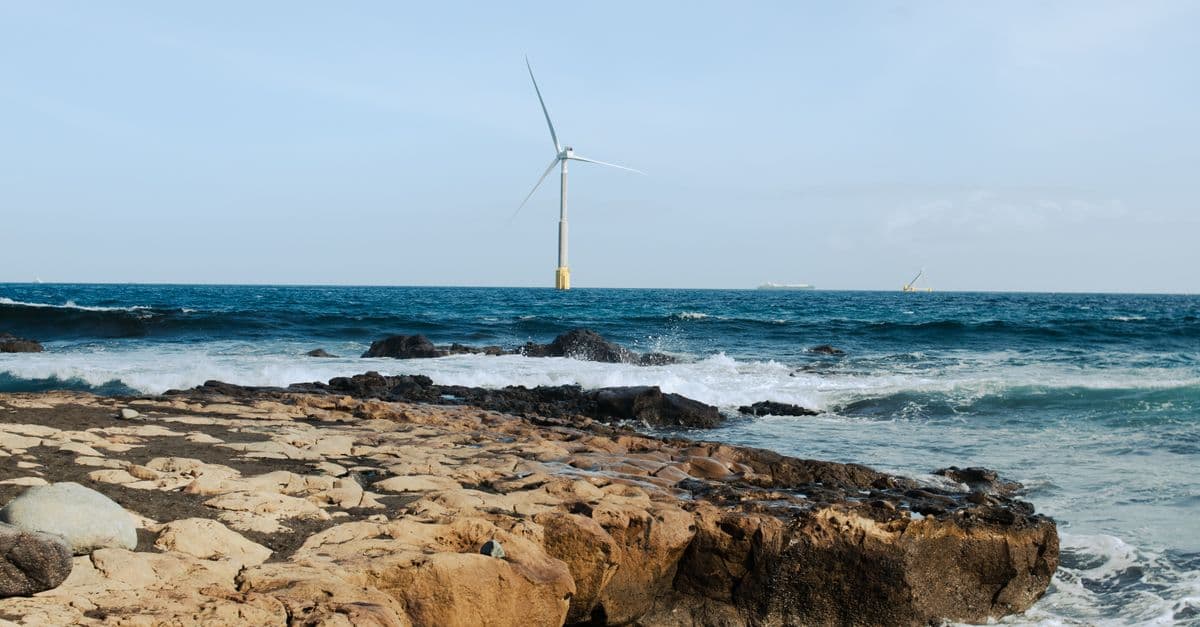
A single eruption can cool the entire planet for years. Here's the science behind what makes volcanoes tick — from deep magma to explosive blasts.
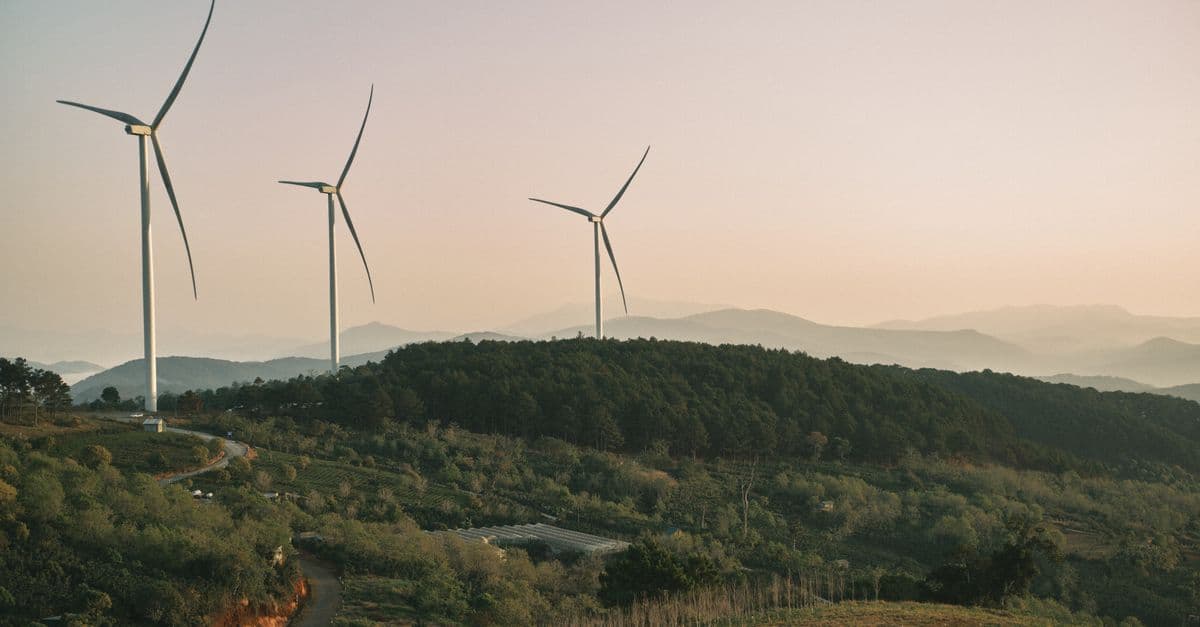
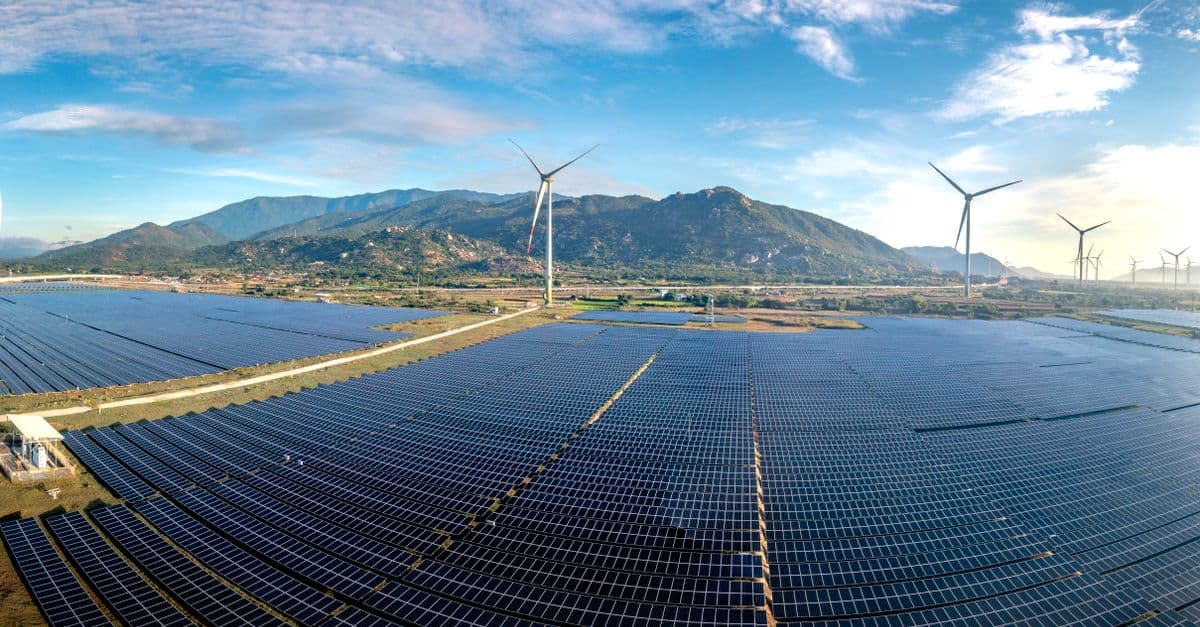
ML is improving solar energy output at every stage — from materials discovery to real-time inverter control — helping solar remain the world's fastest-growing energy source.
AI systems are detecting wildfires minutes after ignition using camera networks and satellite imagery, giving firefighters a critical head start before fires become catastrophic.