Science
Catalysis Discovery: How Catalysts Speed Chemical Reactions
How catalysts enable reactions without being consumed, revolutionizing chemistry
62 articles tagged with #chemistry
How catalysts enable reactions without being consumed, revolutionizing chemistry
How burning a compound and weighing what comes out of it let 19th-century chemists calculate exact molecular formulas — and still does.
How X-ray crystallography revealed atomic structure of crystalline solids
How systematic gas property measurements revealed fundamental relationships in chemistry
The synthesis process that enabled agriculture to feed billions
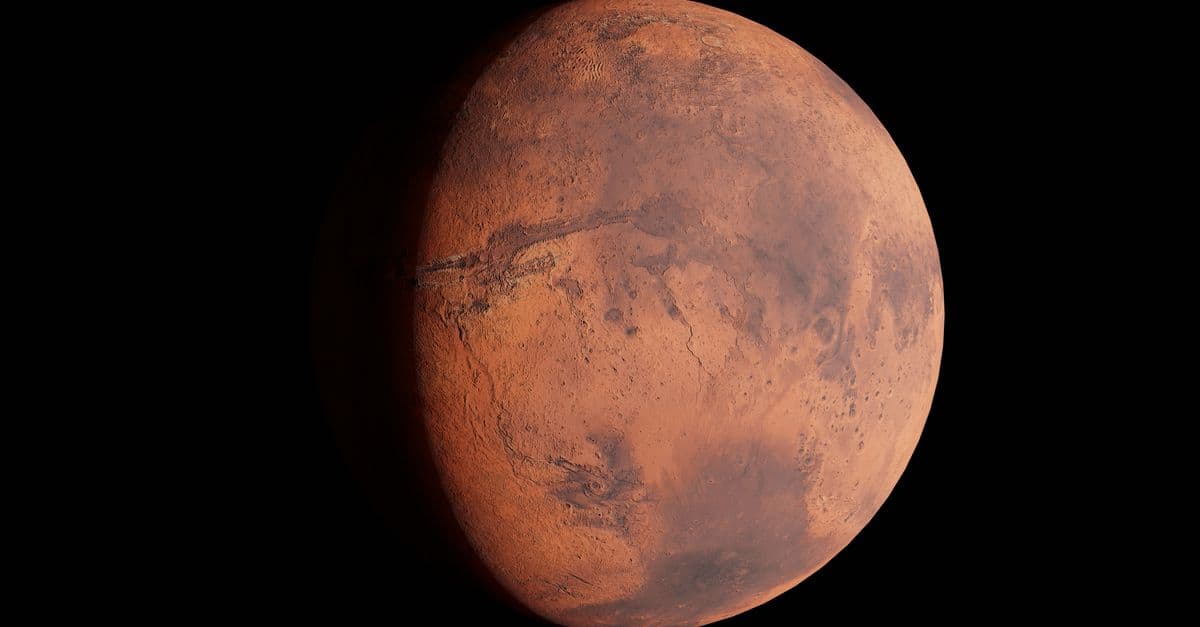
Mars' atmosphere is about 95% carbon dioxide at roughly 0.6% of Earth's surface pressure. Rover and orbiter measurements show what is in it, how it cycles with the seasons, and what its trace gases and isotopes say about the air Mars lost.
How Dmitri Mendeleev organized elements and predicted undiscovered elements
How chemists discovered polymers revolutionized materials science
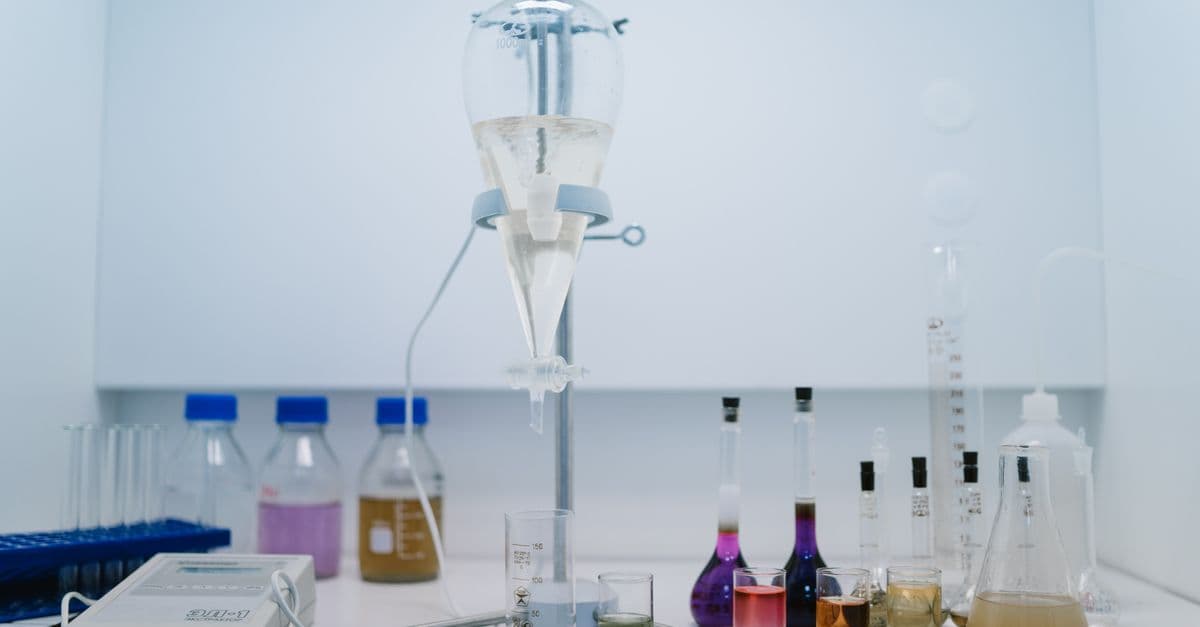
The redox chemistry, electrode potentials, and metal chemistry that made Volta's zinc-copper pile the first device to produce continuous electric current
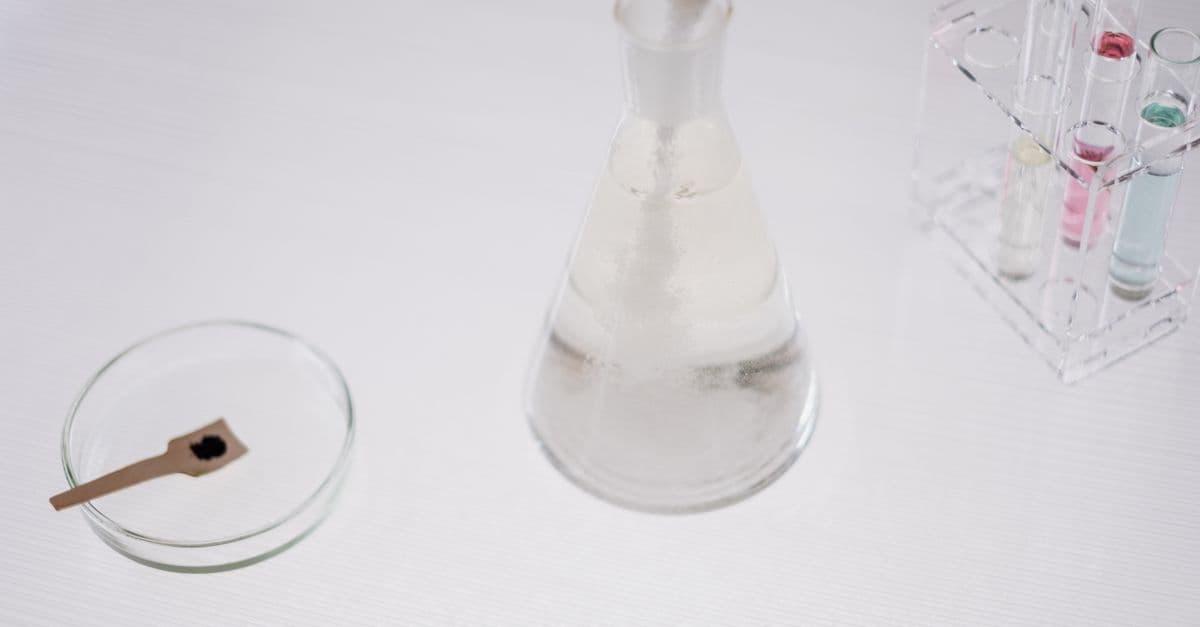
Champagne and Prosecco are both sparkling wines, yet Champagne earns roughly four times as much per bottle. Part of the gap is chemistry and time, part is law and branding.

Nucleosynthesis is the process by which atomic nuclei are built from simpler components. Hydrogen and helium were made in the first three minutes after the Big Bang. Every heavier element was forged inside stars or in their violent deaths. Much of the gold and platinum is made in neutron star mergers — cosmic events detected as gravitational waves.

Saffron takes well over 100,000 hand-picked flowers per kilogram. Here is the biology, chemistry, labor, and fraud behind the price of the world's most expensive spice.