Skip to content
ISSUE 10.16.26/24 CATEGORIES

cretaceous

5 articles tagged with #cretaceous

A young boy proudly displays a red triceratops paper cutout in a classroom setting.
Dinosaurs

Triceratops and the Horned Dinosaurs: Frills, Horns, and the Fossil Evidence

Ceratopsians — the horned and frilled dinosaurs — are among the most distinctive animals in the fossil record, and among the most misunderstood. Triceratops's frill was not armor. Its horns may have been used for display as much as combat. Torosaurus may or may not be a different animal from Triceratops — the debate is genuinely unresolved. And ceratopsian herds, though often depicted as vast migratory columns, are supported by specific but limited fossil evidence. Here is what the bones actually show.
Editorial Team·June 2, 2026·19 min
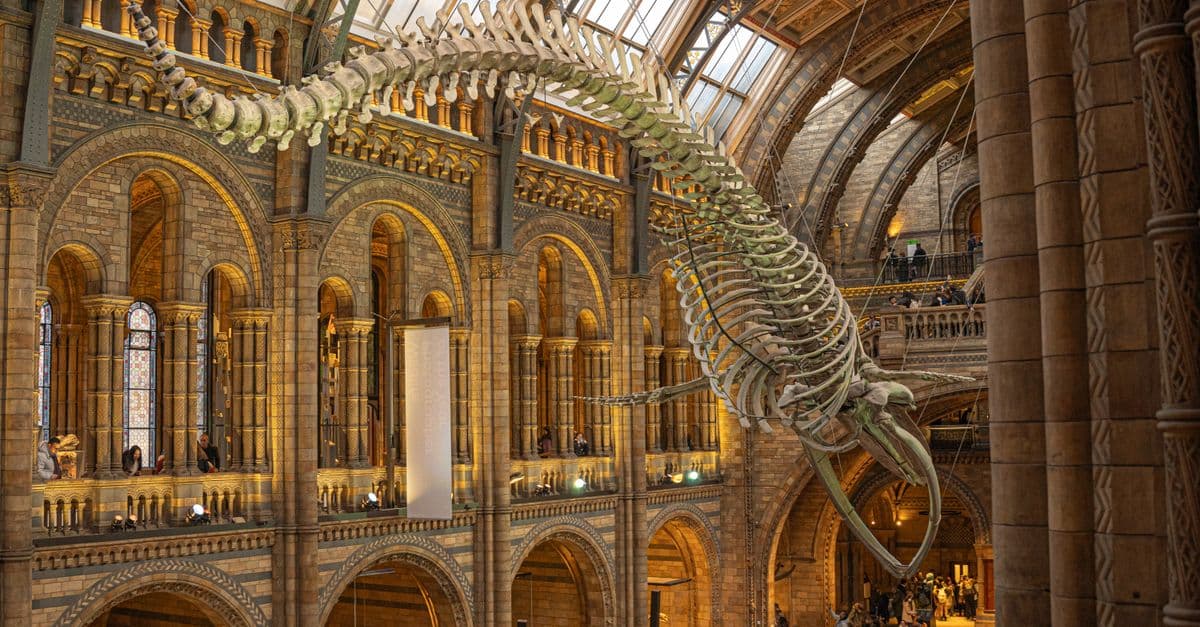
Interior view of whale skeleton at London's Natural History Museum with arch architecture.
Dinosaurs

Marine Reptiles of the Dinosaur Age: Mosasaurs, Plesiosaurs, and Ichthyosaurs

While dinosaurs ruled the land and pterosaurs owned the sky, the Mesozoic oceans were controlled by three groups of reptiles that had returned from land to sea and evolved into apex predators of staggering power. Mosasaurs, plesiosaurs, and ichthyosaurs were not dinosaurs. They were something the Mesozoic produced separately — and in doing so, they repeatedly reinvented the dolphin, the shark, and the whale, from scratch.

Editorial Team·June 2, 2026·15 min
Close-up of colorful dinosaur figurine toys engaged in a playful battle.
Dinosaurs

The Three Periods of Dinosaurs: Triassic, Jurassic, and Cretaceous

Dinosaurs did not exist in a single monolithic era. They ruled Earth across three distinct geological periods spanning 165 million years — longer than the time separating us from the last non-avian dinosaur. Each period had its own continents, climates, ecosystems, and dominant species. Understanding what changed across the Triassic, Jurassic, and Cretaceous is the key to understanding why dinosaurs became what they became.

Editorial Team·June 2, 2026·17 min
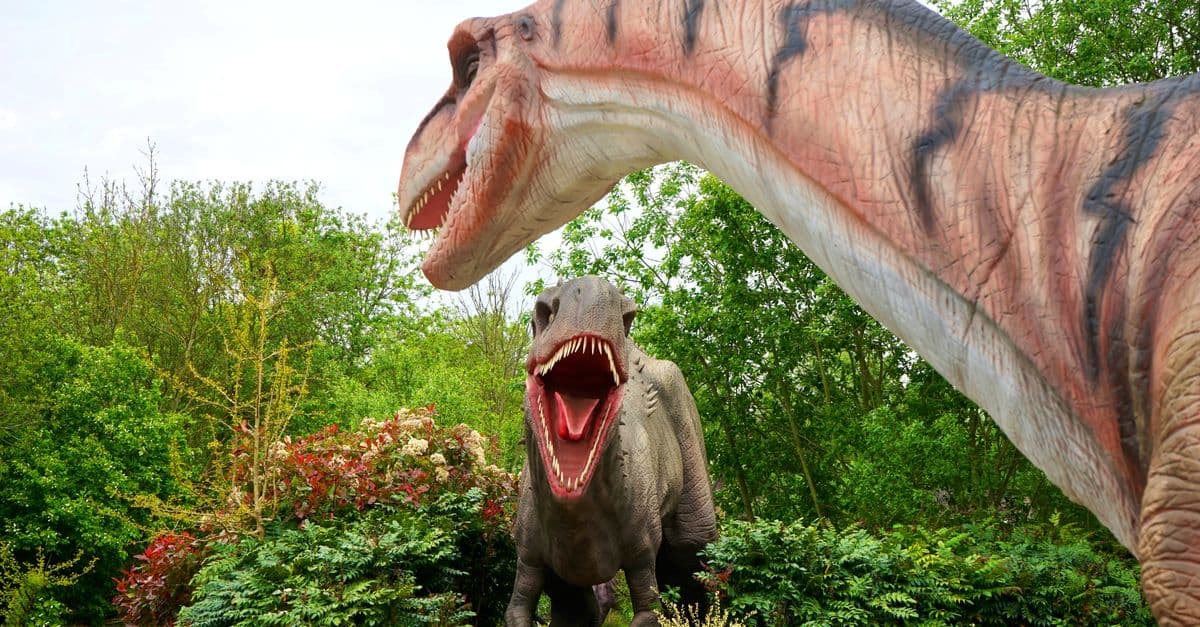
Realistic dinosaur sculptures in a lush park setting, evoking prehistoric times.
Dinosaurs

Velociraptor: The Real Science Behind the Jurassic Park Icon

The Velociraptor in Jurassic Park stands 1.8 meters tall, hunts in coordinated packs, and opens doors. The actual animal was the size of a turkey, covered in feathers, and probably hunted alone. Almost nothing about cinema's most famous raptor matches the fossil record — yet the real animal is, in its own way, more interesting than the fiction.

Editorial Team·June 2, 2026·15 min
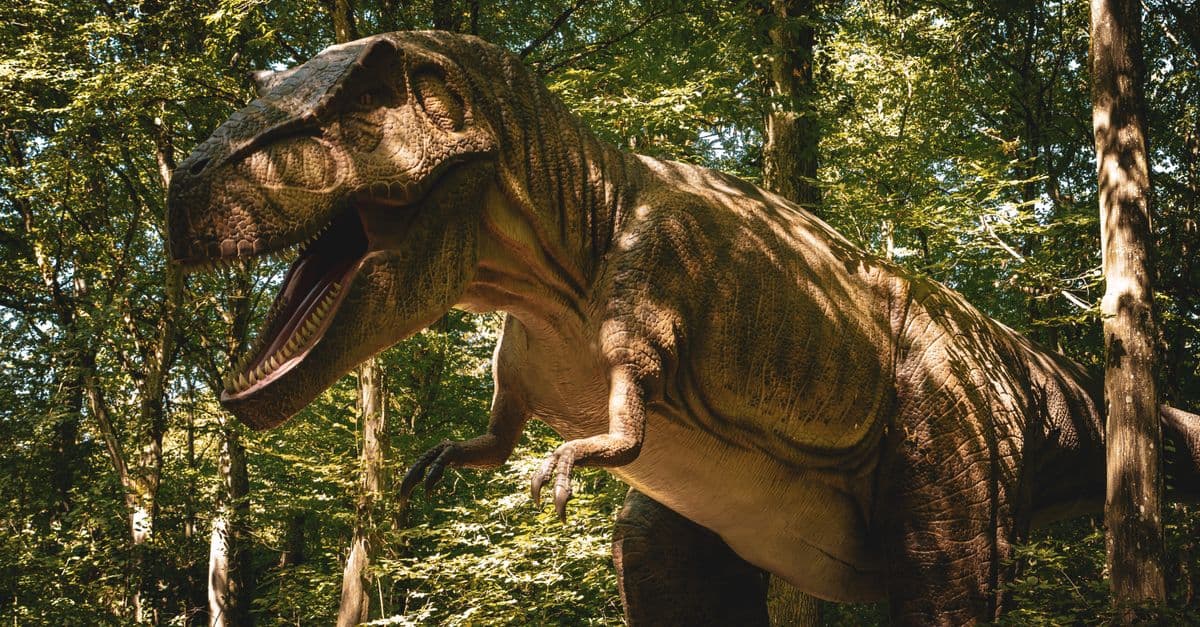
A life-sized dinosaur model stands in a sunlit, dense forest, creating a prehistoric atmosphere.
Dinosaurs

Tyrannosaurus Rex: The Science Behind the World's Most Studied Dinosaur

T. rex is not just a cultural icon — it is the most scientifically studied non-avian dinosaur in history, with over 50 reasonably complete specimens and a research record spanning more than a century. What emerges from that scrutiny is more complex and more surprising than the movie monster: an animal with the most powerful bite force ever measured in a land animal, better depth perception than a hawk, and a growth strategy that turned a 50-kg juvenile into a 9-tonne adult in roughly 20 years.

Editorial Team·June 2, 2026·15 min