Science
Why the Ocean Is Still Mostly Unexplored
Less than 0.001% of the deep ocean floor has been visually surveyed. Here's why sonar, pressure, and cost keep most of the seafloor a mystery.
8 articles tagged with #deep sea
Less than 0.001% of the deep ocean floor has been visually surveyed. Here's why sonar, pressure, and cost keep most of the seafloor a mystery.

At the Challenger Deep, pressure reaches 1,086 bar — crushing enough to compress foam to thimble size. But Earth's extremes pale compared to the pressures inside neutron stars, where one teaspoon of matter weighs as much as Mount Everest. This guide explains the physics of pressure across the universe, from laboratory breakthroughs to the conditions that forge new elements.
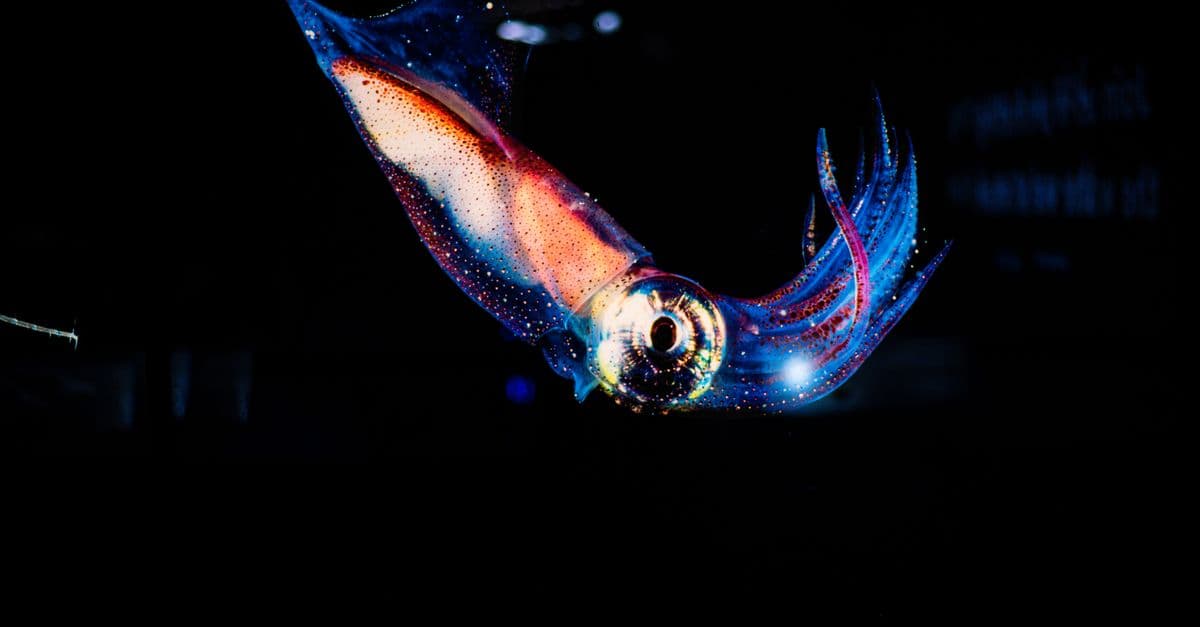
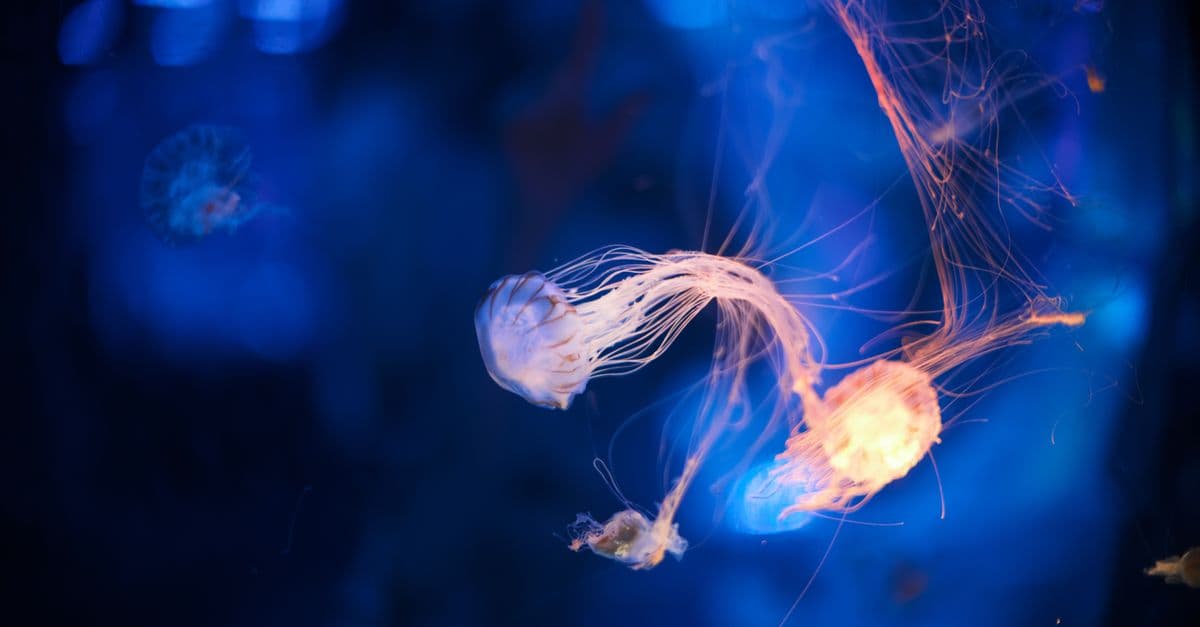
More than 76% of deep-sea animals produce their own light. Fireflies flash in coordinated sequences. A jellyfish discovered off the coast of Friday Harbor, Washington, gave biologists a tool that transformed cell biology, earned three scientists a Nobel Prize, and now glows inside cancer cells in laboratories around the world. Bioluminescence — light produced by a living organism — is one of evolution's most useful accidents, and its chemistry is surprisingly simple.

Tardigrades — eight-legged microscopic animals roughly half a millimeter long — have survived exposure to the vacuum of outer space, temperatures from -272°C to 150°C, pressures six times the deepest ocean trench, and radiation doses 1,000 times the lethal threshold for humans. They accomplish this not by being indestructible, but by entering a state of suspended animation called cryptobiosis that effectively stops time in their cells. The study of these organisms has redrawn the boundary of where life can exist — and raised serious questions about what might be alive elsewhere in the solar system.
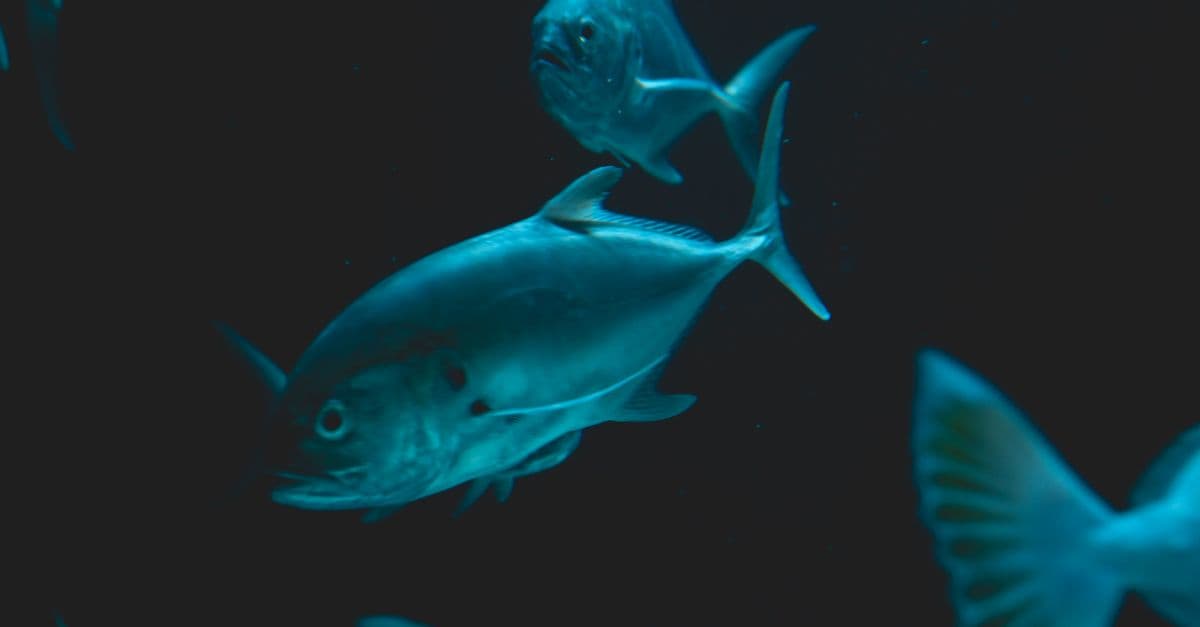
At 8,000 meters below the Pacific surface, pressure exceeds 800 atmospheres — enough to crush a submarine hull — and no sunlight has penetrated for geological eons. Yet animals live there, and not just survive: they thrive in communities as dense and diverse as any shallow reef. The hadal zone is where life tests what it can endure, and the answers have rewritten basic biology.
The deepest known point on Earth's surface sits 10,935 meters below sea level in the western Pacific — deeper than Everest is tall. At Challenger Deep in the Mariana Trench, the water pressure reaches 1,086 bar (15,750 psi), equivalent to 50 jumbo jets resting on a single square meter. Three crewed descents have reached this point, and each one found life there. The hadal zone, that alien strip of ocean below 6,000 meters, covers less than 1% of the seafloor but harbors organisms that have evolved in permanent darkness, crushing pressure, and near-freezing temperatures.
How oceans work: depth zones, the conveyor-belt circulation, acidification, hydrothermal vents, tides, and plastics, with figures from NOAA and the IPCC.
Below 200 meters, there is no sunlight — yet roughly 76% of deep-sea animals produce their own light. The deep ocean is full of living lanterns.