Space
How Many Galaxies Are in the Universe?
Astronomers' galaxy counts have swung from 100 billion to 2 trillion and back to hundreds of billions. Here's why the number keeps changing, and what it actually means.
10 articles tagged with #galaxies
Astronomers' galaxy counts have swung from 100 billion to 2 trillion and back to hundreds of billions. Here's why the number keeps changing, and what it actually means.
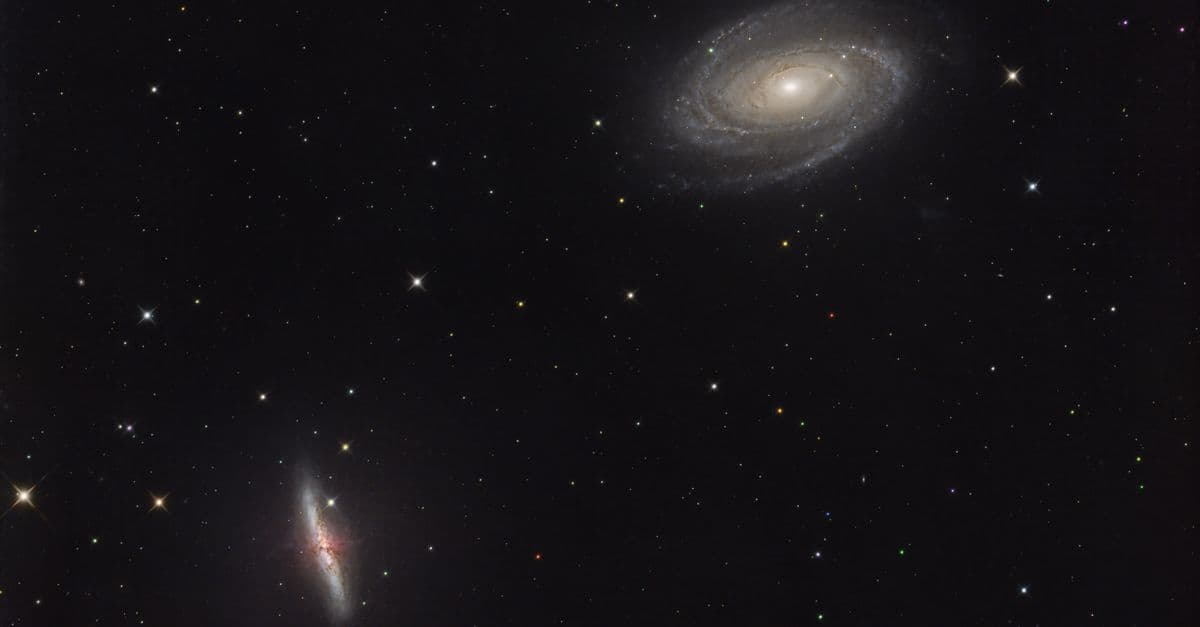
JWST's confirmed discoveries from 2022 to 2026: ancient galaxies too massive for theory, exoplanet biosignature debates, star formation in infrared, and solar system science.
Edwin Hubble proved galaxies exist beyond the Milky Way and that the universe is expanding. His 1924 and 1929 discoveries rewrote cosmology forever.

Supermassive black holes anchor galaxies, power quasars, and shape cosmic evolution. From Sgr A* to M87*, here's what we know — and what we don't.
Galaxies are not eternal — they are born, grow through mergers, and eventually die. Here's how the universe built these island universes.
Deep learning systems now classify billions of celestial objects with superhuman accuracy, enabling sky surveys that would take human astronomers millennia to complete.
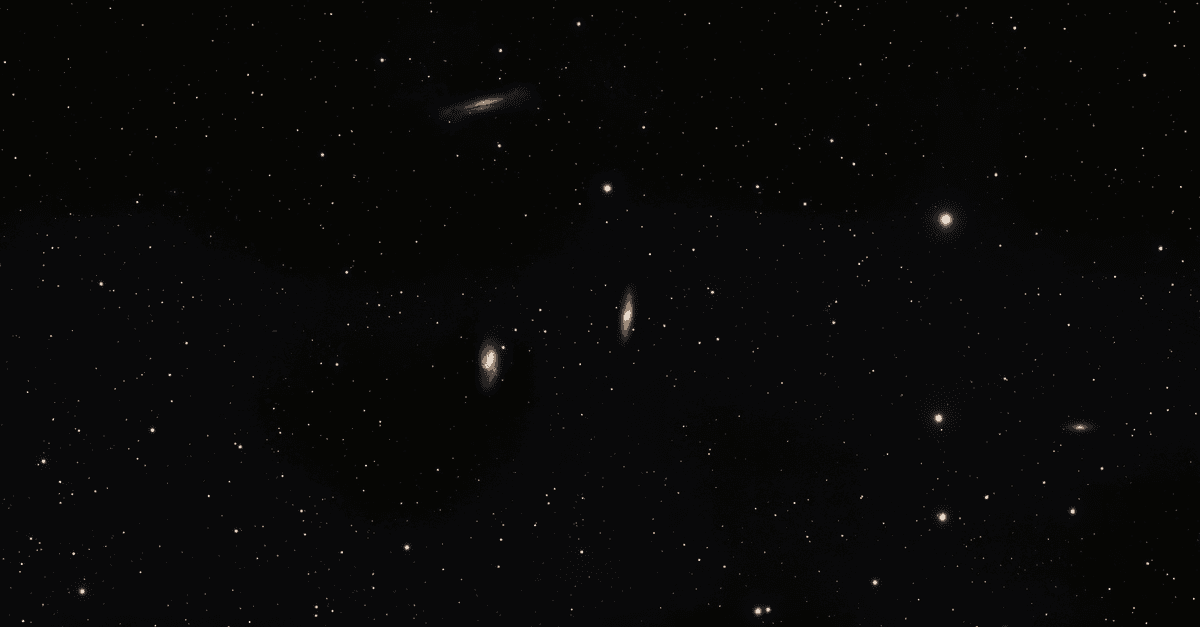
December 1995: Hubble stared at one blank patch of sky for about 10 days and found roughly 3,000 galaxies, changing how astronomers count the universe.
How the James Webb Space Telescope revealed galaxies from the universe's earliest years, transforming our understanding of cosmic history
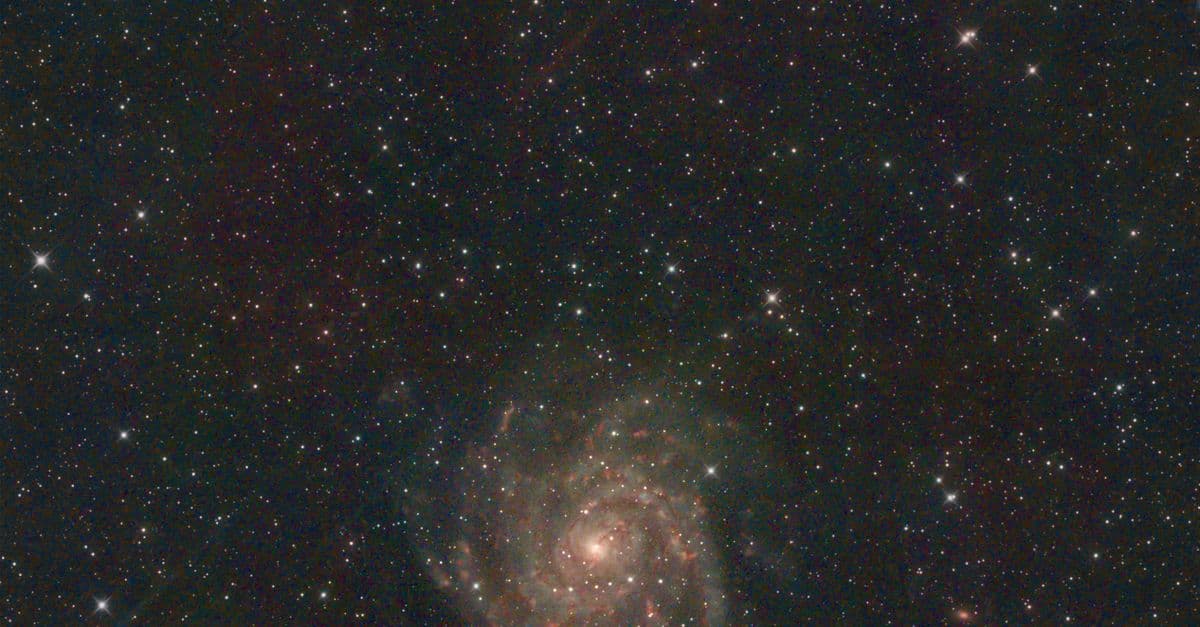
July 2022: JWST's first images revealed galaxies 13.6 billion light-years distant, formed just 100 million years after the Big Bang, reshaping cosmology.
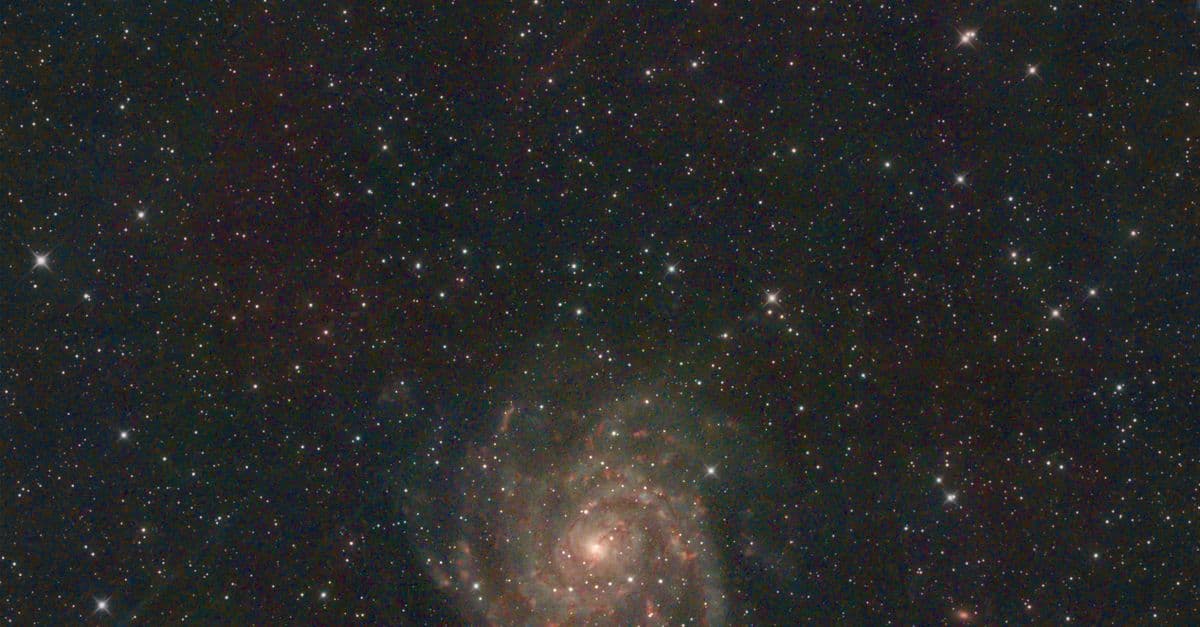
Something enormous is pulling the Milky Way, Andromeda, and thousands of other galaxies in one direction at roughly 600 km/s. For decades it hid behind the Milky Way's dust. What astronomers found when they looked was not what they expected.