Gaming
The Last of Us: How Games Tell Stories Better Than Films
Released in 2013, The Last of Us proved games could tell stories as emotionally powerful as films—through interactivity and player agency making the experience uniquely moving.
33 articles tagged with #game-design
Released in 2013, The Last of Us proved games could tell stories as emotionally powerful as films—through interactivity and player agency making the experience uniquely moving.
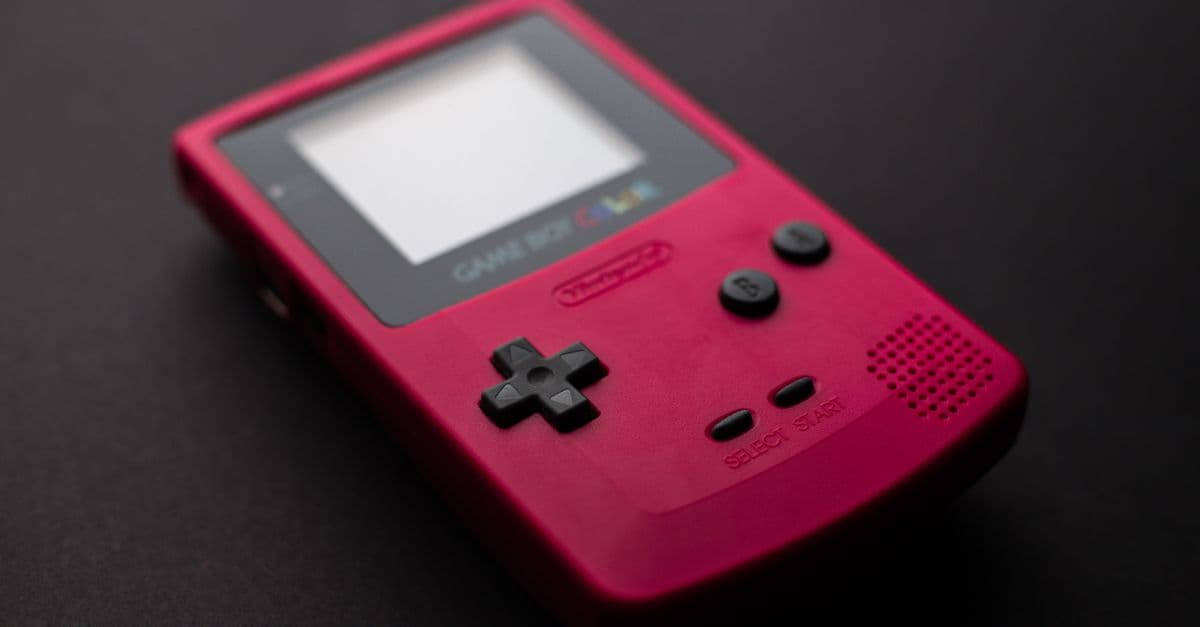
Pokémon Red and Blue (1996) sold 10+ million copies on Game Boy by combining simple mechanics with social play. Two decades later, it's still the best-selling franchise of all time.

Dark Souls proved that game difficulty and fairness could coexist. By embracing challenge and respecting player skill, it redefined what players expected from games.
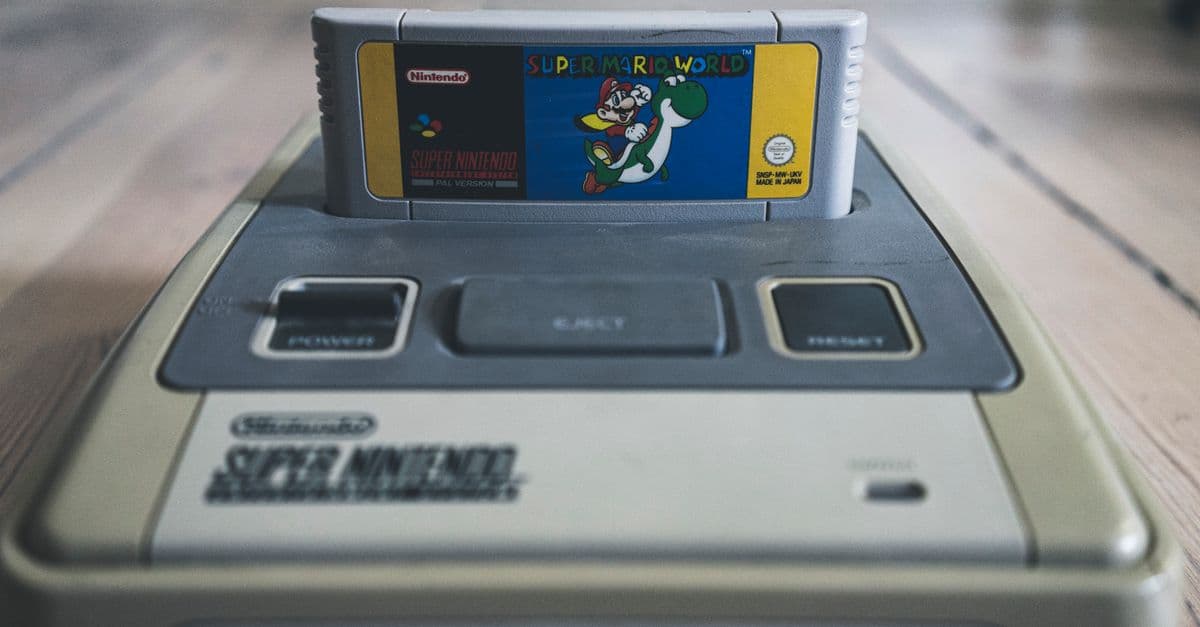
In 1985, Super Mario Bros almost single-handedly revived the video game industry after its 1983 crash. The game's innovation and quality became the template for the entire industry.
Four decades after its 1984 release, Tetris remains the gold standard of game design. Simple rules, infinite complexity, and addictive gameplay made it history's best-selling game.

Video games are engineered to keep you playing. The reward loops, progress systems, and social mechanics in modern games aren't accidents — they're the result of decades of research into human motivation psychology. Understanding them changes how you play.

The best games put you in a state of 'flow' — fully absorbed, challenged but not overwhelmed. Getting difficulty right is one of game design's hardest problems. Too easy and players are bored; too hard and they quit. Here's the psychology and design behind perfect challenge.
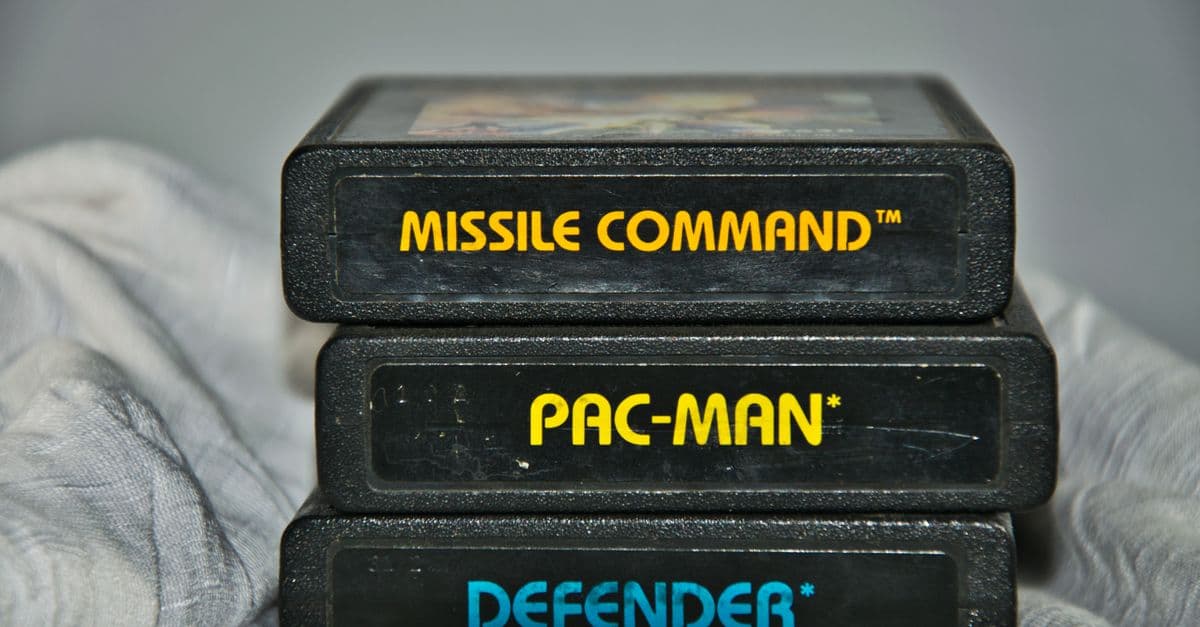
Video games went from a blinking dot on a screen in 1972 to a $200 billion industry in 50 years. The history is a story of technology, creative leaps, market crashes, and the democratisation of interactive entertainment into the world's largest cultural medium.
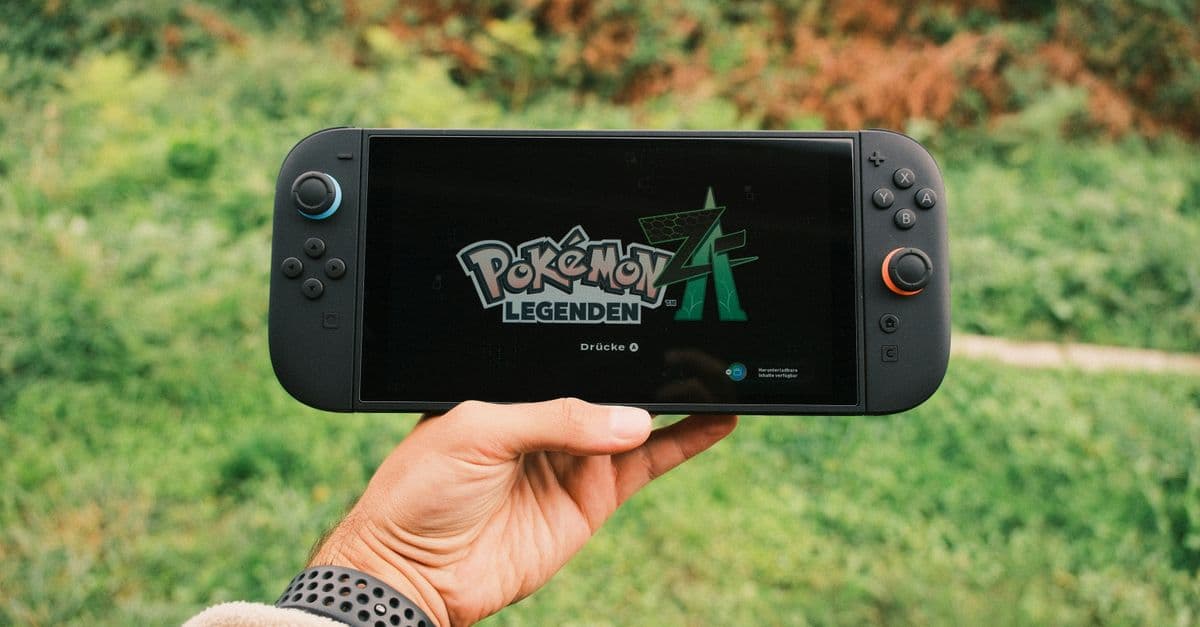
Minecraft's world is 60 million kilometres wide. No Man's Sky has 18 quintillion planets. Neither was hand-crafted — both are generated by algorithms from a single random seed number. Procedural generation is one of the most powerful tools in game design, and it reveals something fundamental about how patterns and meaning emerge from rules.