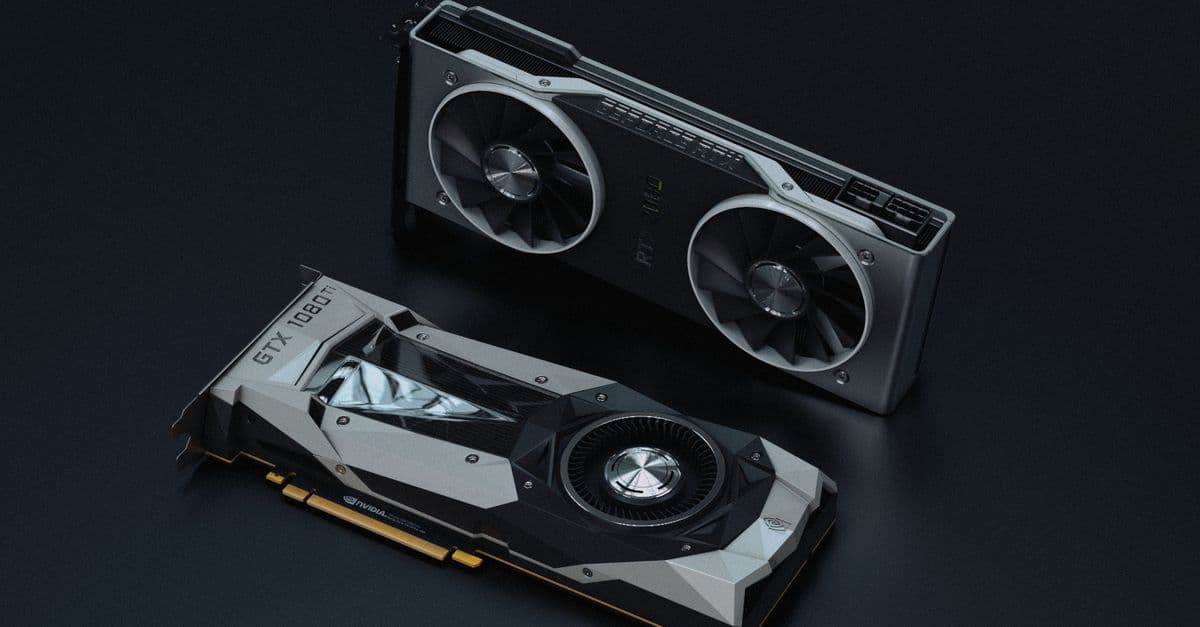
Gaming
Deep Learning vs. Cheaters: How AI Is Winning the War on Gaming Fraud
Deep learning anti-cheat systems analyze millions of data points per second to catch cheaters that rule-based systems routinely miss, protecting competitive integrity.
36 articles tagged with #gaming
Deep learning anti-cheat systems analyze millions of data points per second to catch cheaters that rule-based systems routinely miss, protecting competitive integrity.
AI-driven dynamic difficulty adjustment keeps players in the flow state by making games harder or easier in real time based on how you're actually playing.
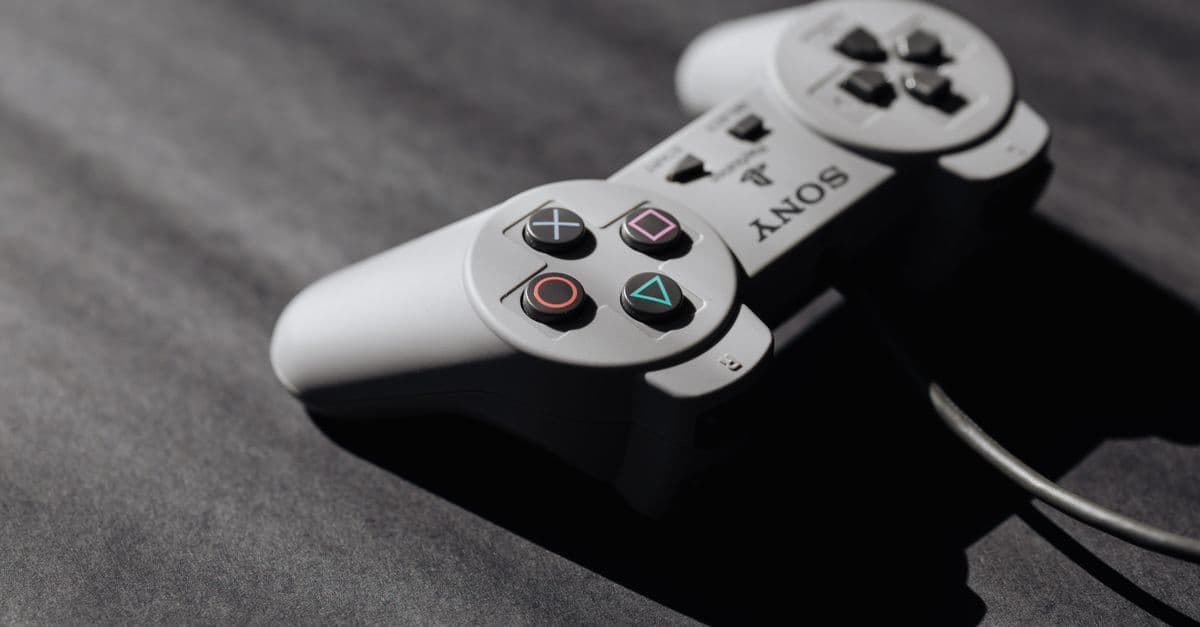
Reinforcement learning has conquered Go, Chess, Dota 2, StarCraft II, and Diplomacy — reshaping our understanding of strategy, creativity, and machine intelligence.

Machine learning is transforming procedural generation from random noise into intelligent design, creating game worlds that feel handcrafted yet never repeat.

The strongest pull in gaming often isn't the loot or the level-up — it's the guild that's counting on you, the friend list you don't want to disappoint, and the identity you've built inside a community that logs on when you do.

From a blinking dot bouncing across a black screen to a $180 billion global industry — the story of video games is a business history of crashes, quality-control rescues, console wars, and platform shifts that reshaped how the world plays.

Neural networks are transforming game NPCs from predictable scripted bots into adaptive, lifelike characters that learn and surprise players.

China has the most video game players, then India and the United States. But national surveys disagree with global trackers by tens of millions, and the country with the most players is not the one that spends the most.

Minecraft has sold over 300 million copies — the best-selling video game ever made by a single title. Tetris has sold 520 million across all versions. GTA V has earned more than any film in history. Here are the 10 best-selling games ever made and what their sales tell us about gaming culture.
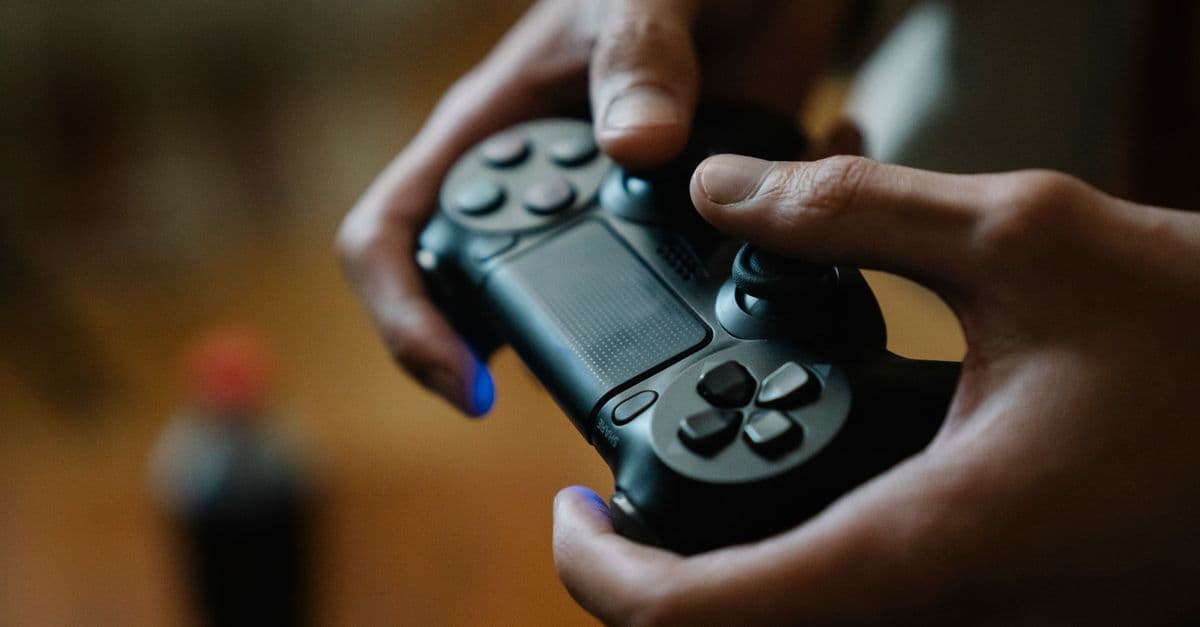
Video games are engineered to keep you playing. The reward loops, progress systems, and social mechanics in modern games aren't accidents — they're the result of decades of research into human motivation psychology. Understanding them changes how you play.

The best games put you in a state of 'flow' — fully absorbed, challenged but not overwhelmed. Getting difficulty right is one of game design's hardest problems. Too easy and players are bored; too hard and they quit. Here's the psychology and design behind perfect challenge.
Minecraft's world is 60 million kilometres wide. No Man's Sky has 18 quintillion planets. Neither was hand-crafted — both are generated by algorithms from a single random seed number. Procedural generation is one of the most powerful tools in game design, and it reveals something fundamental about how patterns and meaning emerge from rules.