Science
Water Evidence in Martian Rocks: Mars' Watery Past
Orbiters and rovers have read Mars' wet history in clay minerals, sulfate salts, river deltas, and lake mudstones. Here is what each clue shows and where it stops.
4 articles tagged with #habitability
Orbiters and rovers have read Mars' wet history in clay minerals, sulfate salts, river deltas, and lake mudstones. Here is what each clue shows and where it stops.
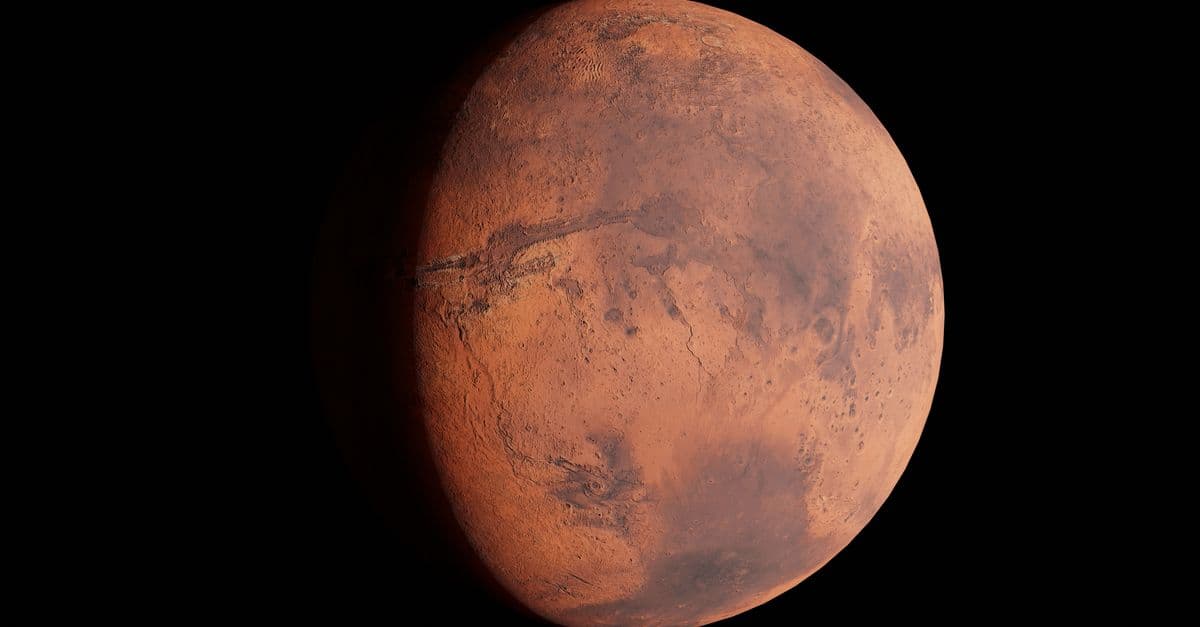
Planetary magnetic fields are made by dynamos: electrically conducting fluid, stirred by heat and rotation, that regenerates its own field. Earth's runs in liquid iron, Jupiter's in metallic hydrogen, and Uranus and Neptune's in shallower layers that give them tilted, off-center fields. Mars lost its global field billions of years ago.
Exomoons are moons orbiting planets beyond our solar system. None has been confirmed, despite two serious candidates, because their signals are tiny and easily mimicked. If they exist around giant planets, some could hold liquid water through tidal heating, even far from any star.
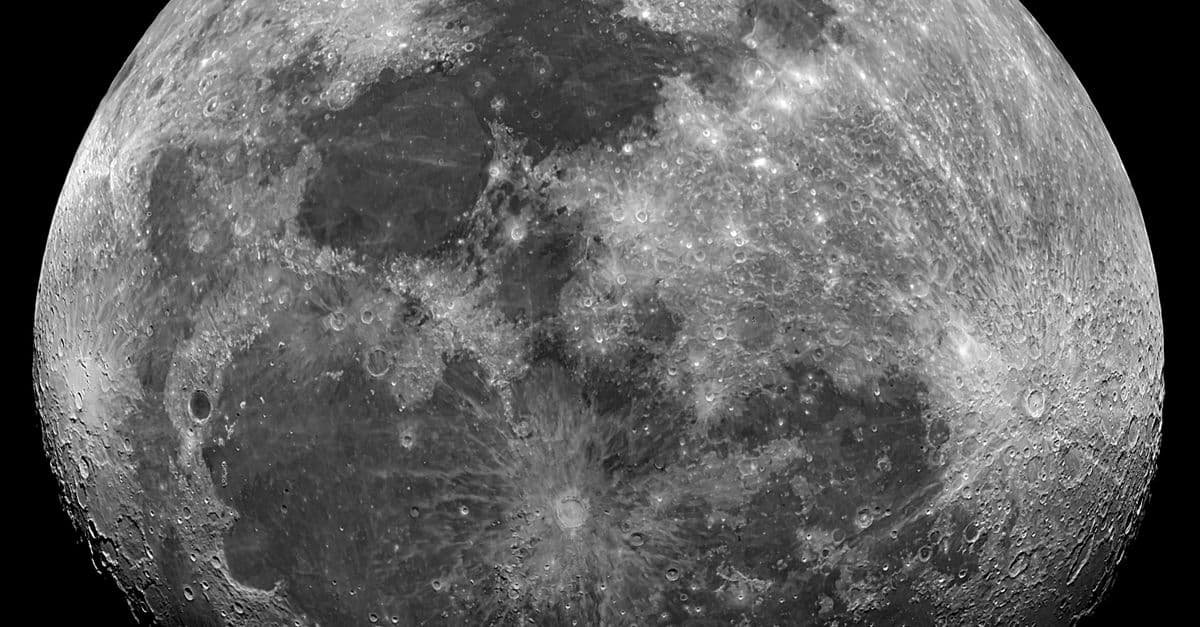
Tidal locking occurs when a body's rotation period equals its orbital period, so one hemisphere permanently faces its partner. The Moon is locked to Earth, which is why we always see the same face, and the same effect probably shapes planets around red dwarf stars.