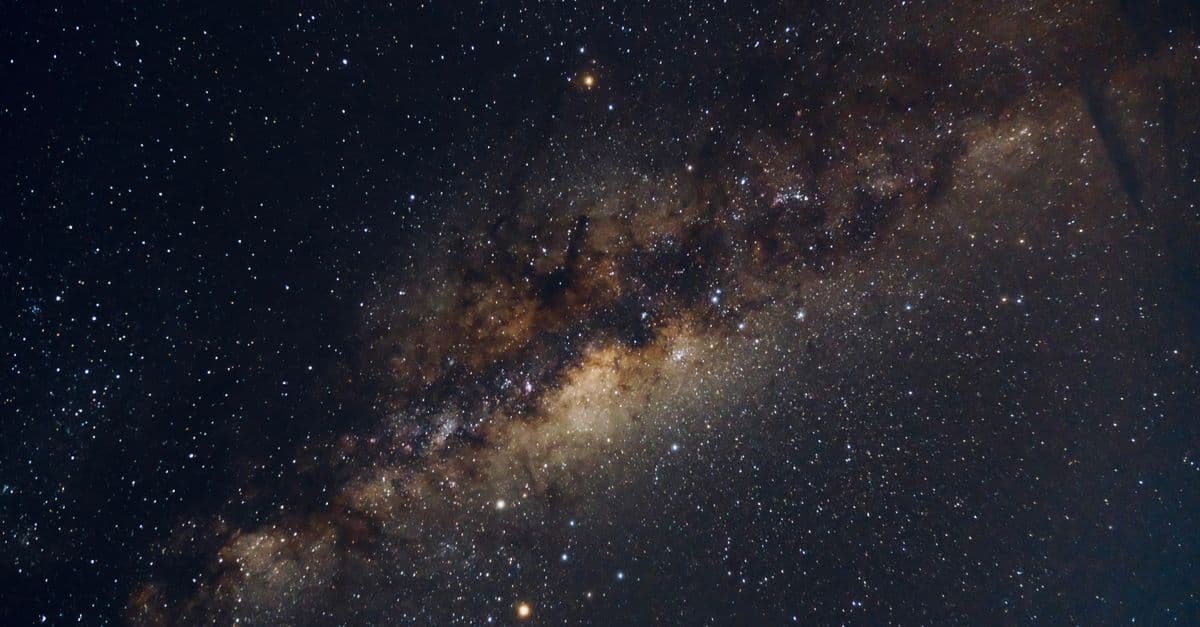
Space
How Space Telescopes See the Early Universe
Space telescopes do not look back in time by magic. They collect ancient light stretched by cosmic expansion. Here is how redshift reveals the early universe.
5 articles tagged with #Hubble
Space telescopes do not look back in time by magic. They collect ancient light stretched by cosmic expansion. Here is how redshift reveals the early universe.
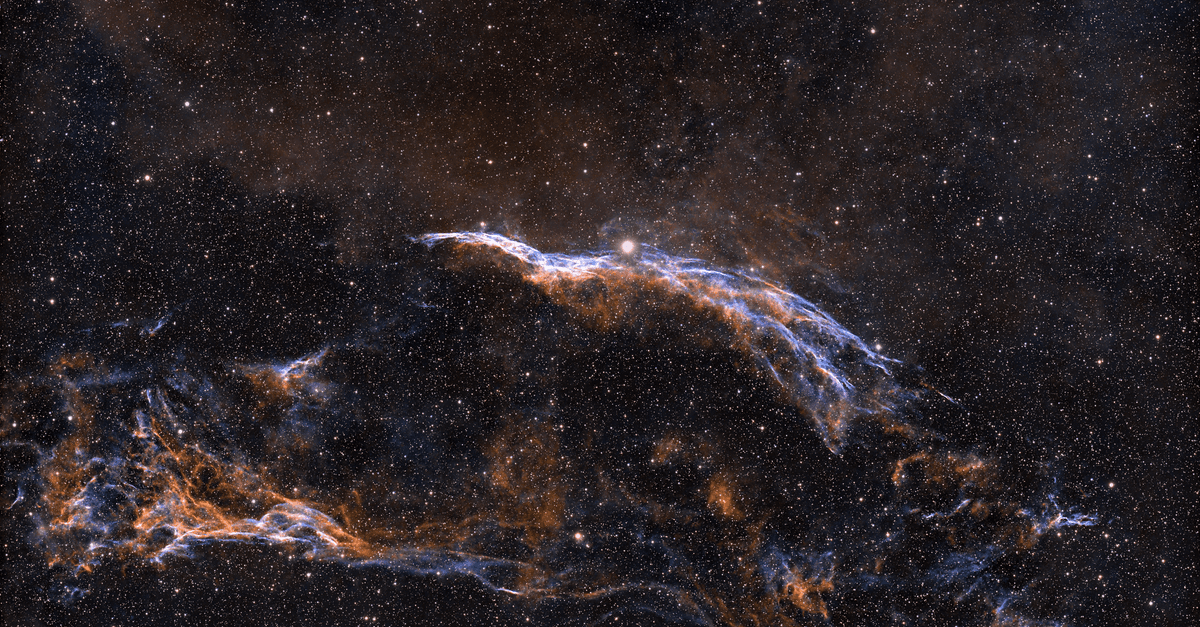
Hubble's 1929 redshift observation tied galaxy speed to distance. See what the 24-galaxy data showed, why his constant was off 7x, and the tension today.
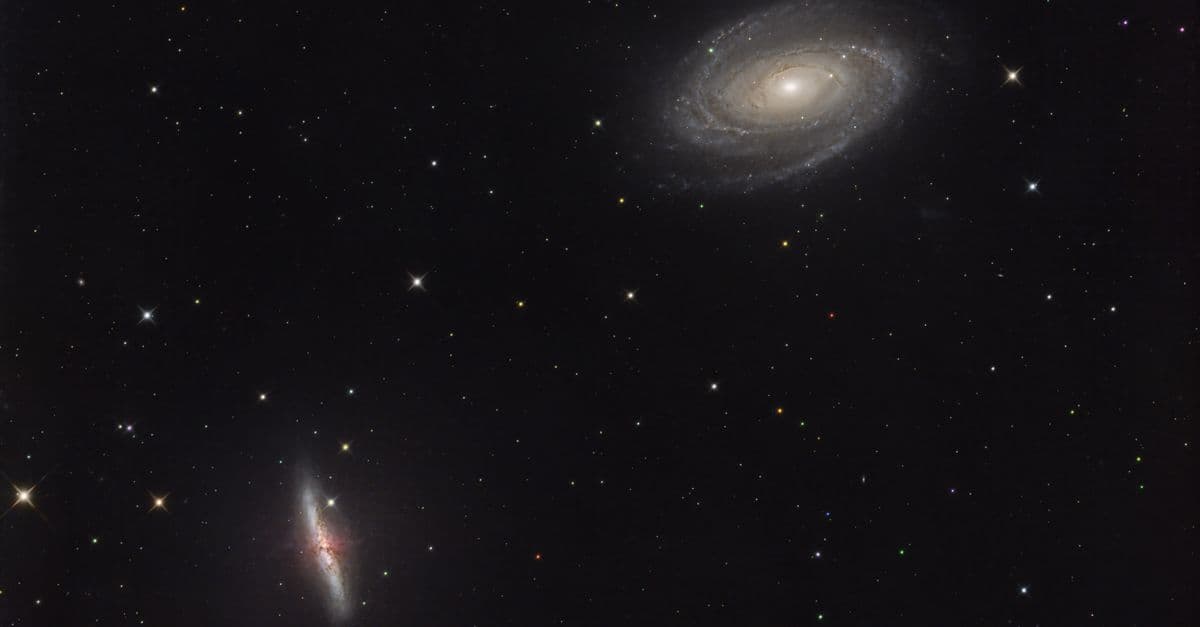
Hubble launched with a flawed mirror and came back from the brink to become humanity's greatest eye on the cosmos.
Neural networks now sort galaxies, rank gravitational lens candidates, and flag changing objects in Hubble, Webb, and survey data. Here is what they do well, and where astronomers still check their work.
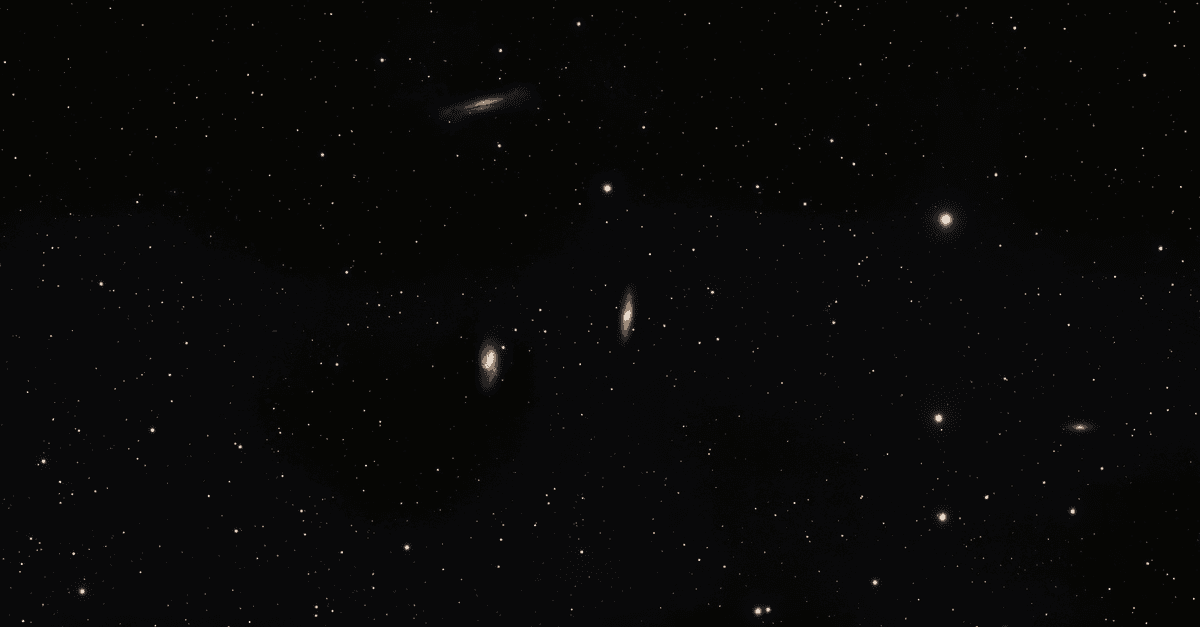
December 1995: Hubble stared at one blank patch of sky for about 10 days and found roughly 3,000 galaxies, changing how astronomers count the universe.