Space
Kepler's Three Laws: Why Planets Speed Up Near the Sun
Kepler's three laws explained with NASA data: why orbits are ellipses, why planets speed up near the Sun, and how P² = a³ weighs planets and finds exoplanets.
6 articles tagged with #kepler
Kepler's three laws explained with NASA data: why orbits are ellipses, why planets speed up near the Sun, and how P² = a³ weighs planets and finds exoplanets.

Tycho Brahe made the most precise pre-telescope astronomical measurements in history. He also had a brass nose, a tame moose, and died refusing to leave a royal banquet to urinate.
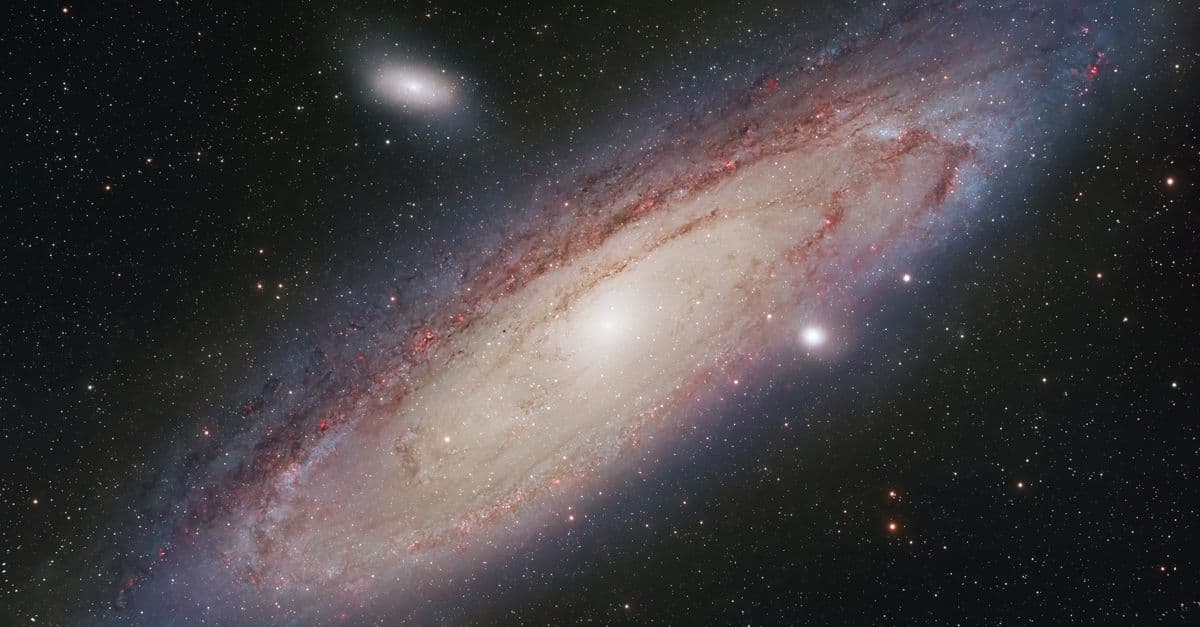
Machine learning is transforming the search for alien worlds, helping scientists find thousands of exoplanets hidden in Kepler's vast data.
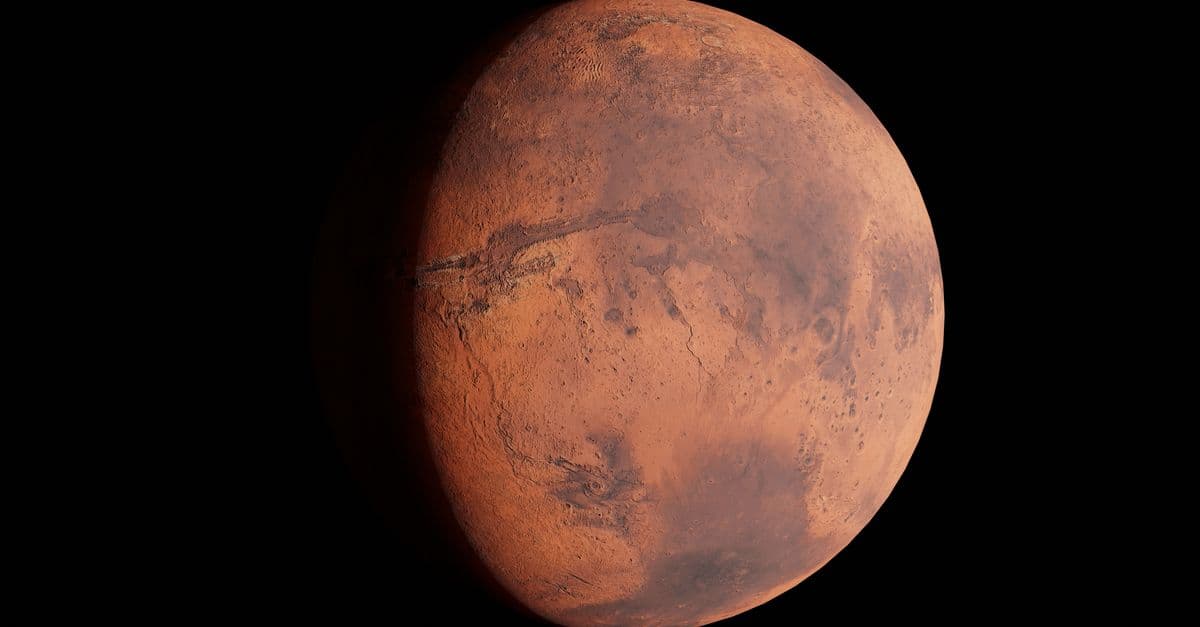
Exomoons are moons orbiting planets beyond our solar system. None has been confirmed, despite two serious candidates, because their signals are tiny and easily mimicked. If they exist around giant planets, some could hold liquid water through tidal heating, even far from any star.
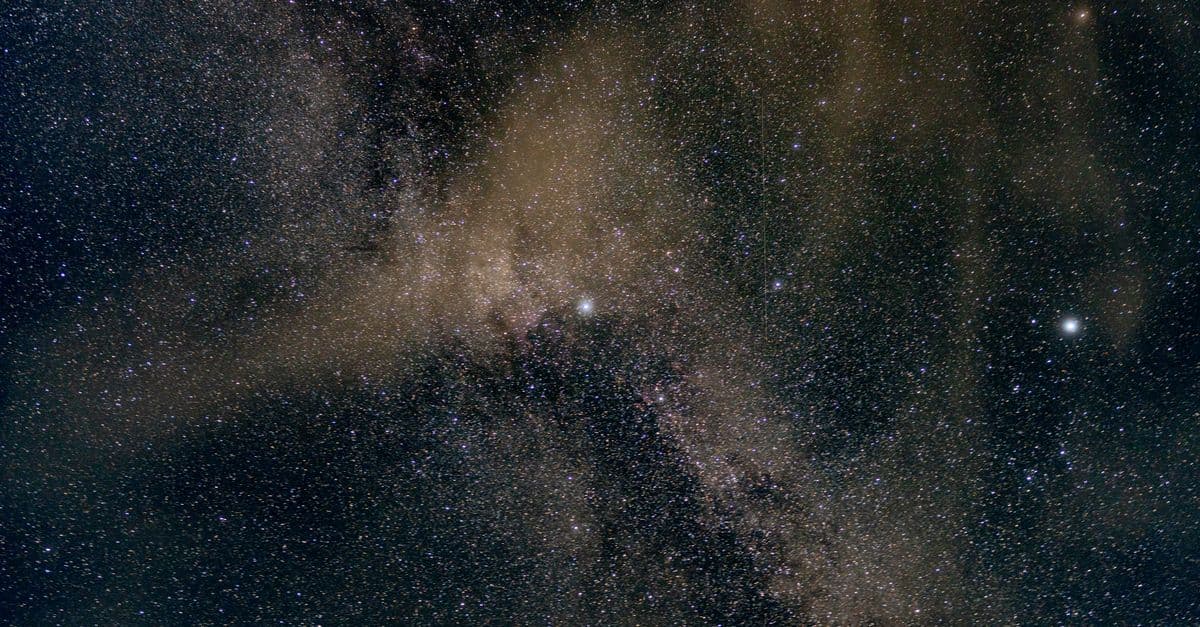
We've found over 5,500 planets orbiting other stars. Some are hot Jupiters, some are super-Earths, and a handful sit in habitable zones. Here's the science of finding them and the search for life elsewhere.
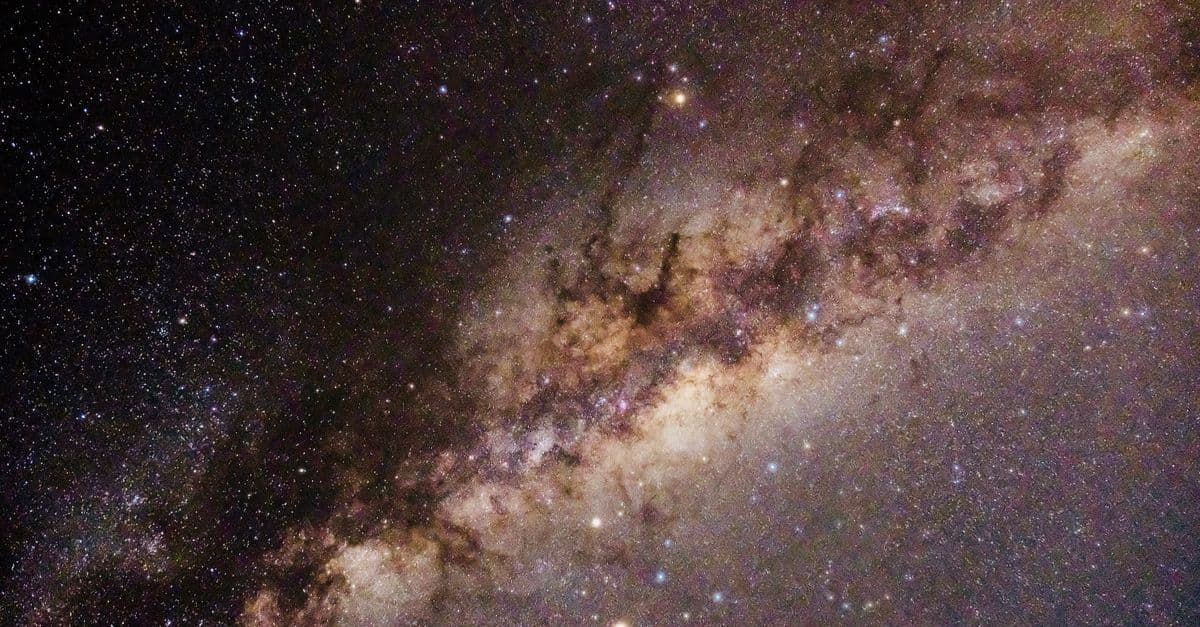
NASA's archive now lists more than 6,000 planets around other stars, almost all found without seeing them directly. Here's the physics that lets astronomers detect tiny worlds across thousands of light-years.